



William IV Side Cupboard
A william iv side cupboard brings solid timber presence and clever storage into a room, spanning rich mahogany and figured rosewood.
William IV Side Cupboard
A william iv side cupboard sits low against the wall, offering enclosed shelving behind panelled or glazed doors. These pieces serve dining rooms, halls and libraries as practical storage units with architectural weight.
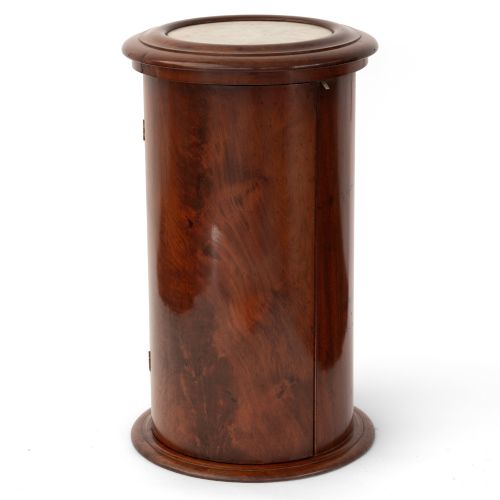
The pieces on this page draw from nineteenth century periods alongside late georian and regency eras, showing formats from two door cabinets to pedestal cupboards. Mahogany and rosewood dominate the current selection, often appearing with flame veneers.
Makers such as gillows of lancaster emerge in the wider record, matching the high cabinet-making standards seen across the listed items. Buyers encounter both grand breakfront designs and compact bedside versions within the same aesthetic.
Materials and construction
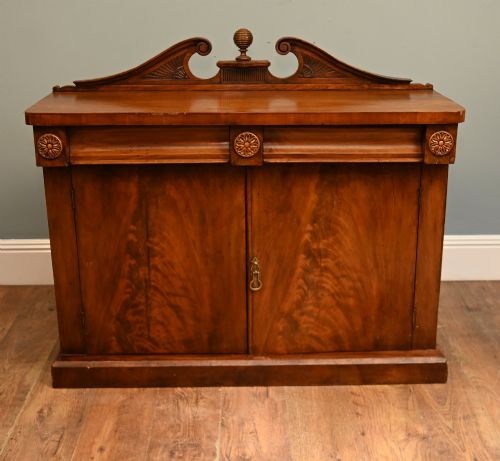
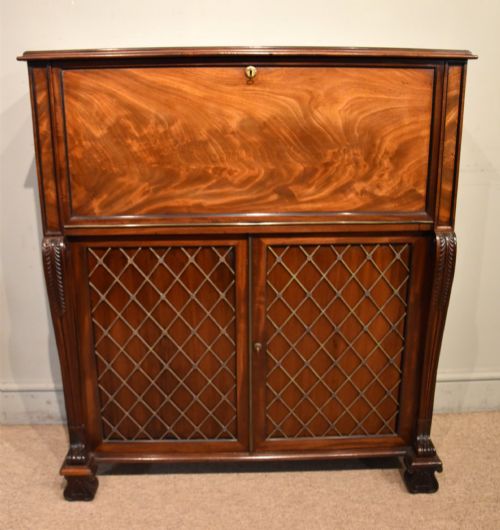
Cabinet makers built these pieces using solid timbers like mahogany and rosewood, frequently applying flame mahogany veneer to create striking grain patterns on the main surfaces. Brass hardware, including inlay and grill doors, provides functional contrast to the dark wood.
Internal construction relies on traditional joinery techniques housed within sturdy carcases, sometimes incorporating glass panels or fabric linings behind doors. Workshops shaped these cabinets with flared cornices and panelled sides that reflect the heavy, confident proportions of the period.
William IV Side Cupboard Retail Price Guide 2026
Typical asking prices for william iv side cupboard among the pieces listed under this phrase on Sellingantiques today, from the lower quarter to the upper quarter. They describe what is for sale here now, not the wider market.
Some colonial side cabinets doubled as discreet drinks cupboards for thirsty travellers in the british empire.
Assessing quality and craftsmanship
Quality rests in the selection of timber, particularly where figured flame veneer or rich rosewood displays matched grain across the doors. Finer examples show crisp carving on pilasters and precise brass inlay rather than plain surfaces.
Construction integrity separates standard utility pieces from workshop masterworks, evident in the snug fit of doors and the weight of the timber used throughout the carcase.
Gillows of Lancaster
The William IV Side Cupboard Glossary
- Chiffonier
- A low sideboard or cabinet, typically fitted with doors enclosing shelves and sometimes topped with a small tier or gallery. These pieces became popular during the regency and william iv periods for storing dining silver or books.
- Pedestal cupboard
- A single-door cabinet built on a plinth base, often designed as a pair for bedside use or to flank a larger piece of furniture. They make efficient use of floor space while providing deep internal storage.
- Breakfront
- A cabinet design where the central section projects forward from the flanking wings. This architectural arrangement creates depth and shadow on living room walls.
- Flame mahogany
- A veneer cut from the fork of the mahogany tree where the branch meets the trunk, producing a flickering flame-like pattern. Cabinet makers reserved this timber for the most prominent exterior surfaces.
William IV Side Cupboard: Frequently Asked Questions
Where do I put a william iv side cupboard?
These cabinets suit dining rooms, hallways and living spaces where low storage and surface display space are required. Their compact depth allows them to sit comfortably against walls without dominating the room.
Pair them with traditional seating or use a single pedestal version as a bedside table to bring period character to a bedroom.
How do I care for rosewood and mahogany?
Keep timber surfaces away from direct sunlight and excessive heat sources to prevent the wood and veneer from drying out. Regular dusting with a soft, dry cloth maintains the natural lustre of the polish.
Apply a quality wax sparingly when the wood appears dry, buffing it gently to protect the grain.
Can I store tall books inside?
Many of these pieces feature adjustable or fixed internal shelving designed for general household storage, tableware or books. Library cupboards and larger side cabinets offer deeper cavities for heavier volumes.
Check the internal clearance measurements before placing oversized items inside enclosed compartments.
How do I distinguish william iv from regency?
William iv pieces generally display heavier proportions, bolder carving and darker woods like rosewood compared to the lighter, neoclassical lines of the regency era. Look for robust pilasters, faceted legs and scroll details characteristic of the 1830s.
Construction methods also shift subtly towards heavier carcases as the nineteenth century progresses.