


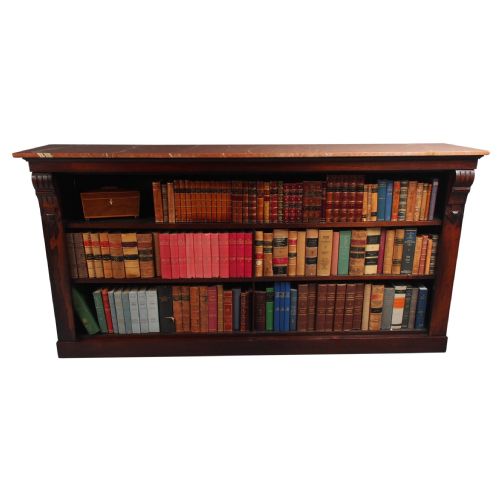

William IV Shelf Unit
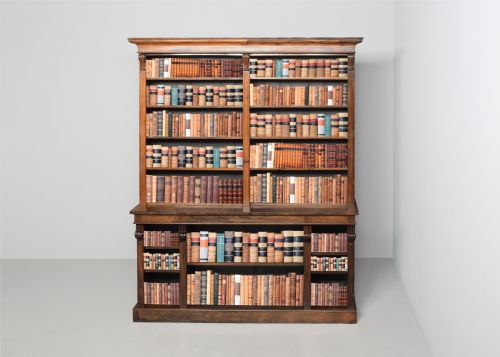
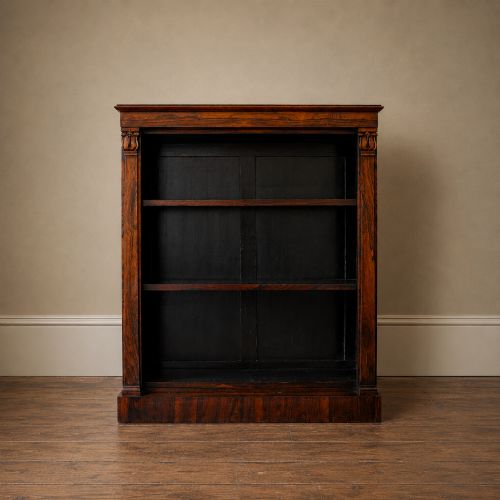
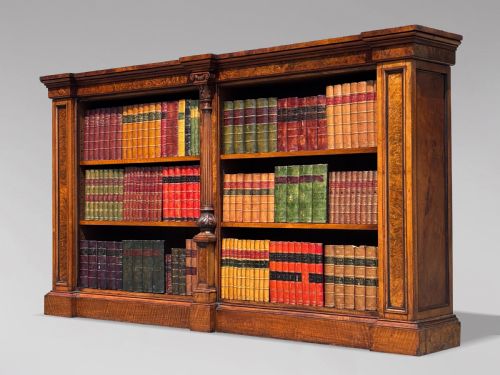
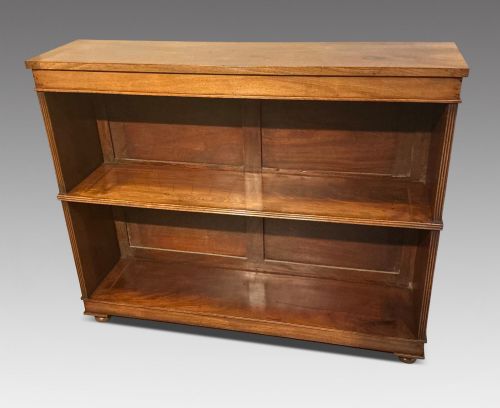
These william iv shelf unit pieces bring nineteenth-century timber and adjustable tiers directly into a room to hold books and display objects.
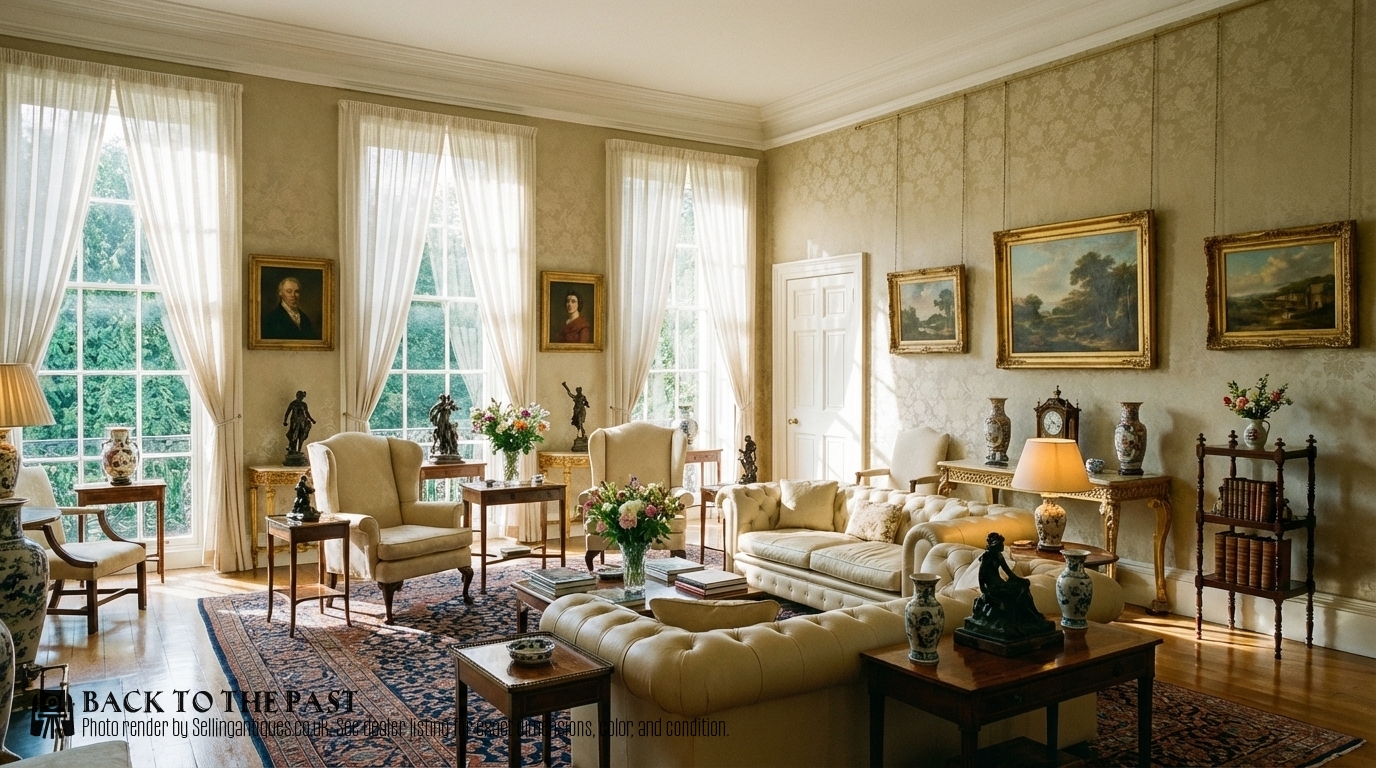
William IV Shelf Unit
A william iv shelf unit most commonly takes the form of an open bookcase or a tiered whatnot, shaped by the design habits of the nineteenth century. These items serve to organise volumes and display ornaments within a domestic interior, drawing on periods including the Regency and Edwardian eras alongside the core William IV style.
The pieces appearing on this page span several distinct architectural forms, from low freestanding bookcases to multi-tiered etageres and waterfall bookcases. Mahogany and rosewood dominate the selections, whilst burr walnut, birdseye maple, oak, and pine appear among the varied timber choices.
Buyers will encounter items equipped with adjustable shelves alongside multi-tier freestanding whatnots, occasionally featuring additions such as pink marble tops. The craftsmanship reflects the cabinet-making standards of the nineteenth century, offering robust storage solutions built from dense hardwoods.
How they were made
Cabinet-makers relied heavily on dense tropical hardwoods such as mahogany and rosewood, often figuring them to highlight natural grain patterns. Simulated rosewood surfaces also appear, demonstrating alternative finishing techniques used to achieve specific aesthetic results.
Construction methods involved precise joinery to support heavy loads of books across multiple tiers, with adjustable shelving systems engineered into open bookcases. Details like brass fittings and pink marble tops were integrated to enhance both the utility and the visual weight of the furniture.
Some nineteenth-century whatnots come equipped with pink marble tops, proving that even a humble stack of shelves occasionally deserves a touch of luxury.
What varies in quality
The choice of timber underpins the distinction between standard items and exceptional examples, with burr walnut, birdseye maple, and finely grained rosewood marking out superior pieces. Selection of cabinet woods dictates the overall presence of the bookcase or whatnot within a room.
Gillows
The William IV Shelf Unit Glossary
- Whatnot
- A set of open shelves standing on legs, designed for displaying ornaments and small objects. These pieces often feature three to five tiers.
- Waterfall bookcase
- A tiered shelving unit where each successive shelf is set back from the one below, creating a stepped profile.
- Open bookcase
- A piece of furniture with shelves and no front doors, allowing direct access to the books stored within.
- Simulated rosewood
- A painted or stained finish applied to a secondary timber to imitate the dark grain and warm tones of genuine rosewood.
William IV Shelf Unit: Frequently Asked Questions
What is a william iv shelf unit?
A william iv shelf unit is a nineteenth-century piece of furniture designed for holding books or displaying objects, typically constructed as an open bookcase or a tiered whatnot.
These items rely on dense timbers like mahogany and rosewood, reflecting the cabinet-making styles characteristic of the period.
How were these bookcases used?
These pieces served primarily to store circulating libraries and display decorative items within nineteenth-century domestic interiors.
Open shelves allowed for easy access to frequently read volumes, whilst multi-tiered whatnots provided vertical display space in reception rooms.
Where should I place a whatnot?
A whatnot suits corners or wall spaces in living areas where vertical display is required without dominating the floor plan.
Its open tiers allow light to pass through while holding collections of small objects or books.