



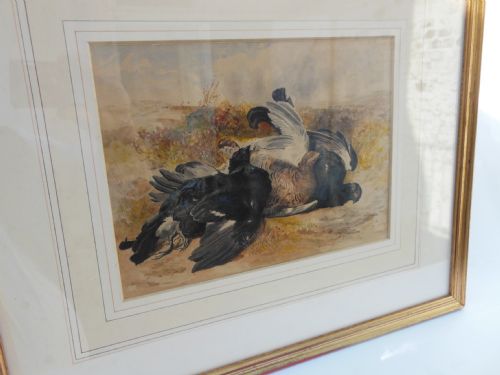


Wildlife Watercolour Art
These wildlife watercolour art works capture birds and beasts on paper through periods ranging from Victorian naturalism to mid-century British modernism.
Wildlife Watercolour Art
Wildlife watercolour art encompasses painted depictions of birds, mammals, and natural subjects executed on paper. Pieces on this page span from Victorian studies to later twentieth-century works.
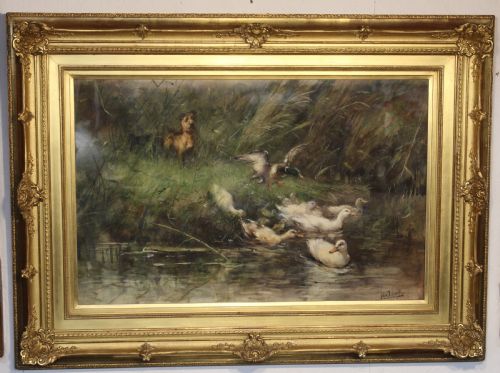
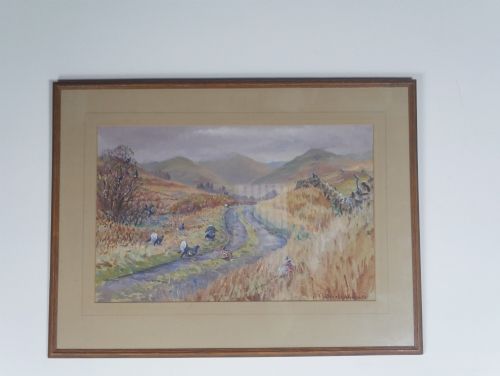
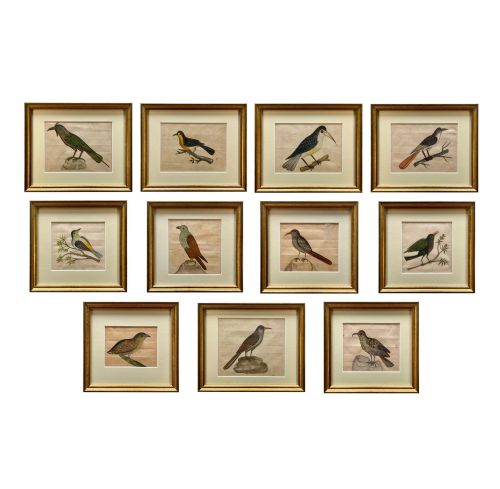
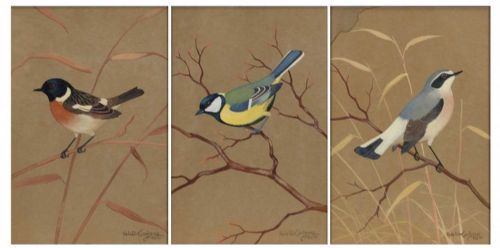
The most common formats you encounter are framed watercolour paintings and natural history illustrations. Subjects range from British garden birds to exotic parrots and jungle leopards.
Works appear across diverse eras including the nineteenth century, 1900, 1920, 1940, 1950, 1960, and later periods. Stylistic approaches cover natural history illustration, Victorian naturalism, company school, and mid-century British art.
How wildlife watercolour art was made
Artists utilise watercolour paint and gouache applied directly onto paper supports. Pigments range from delicate washes to opaque highlights that define feathers and fur.
Many works incorporate supplementary materials such as wood frames, glass glazing, and gilt mounts. Fabric elements occasionally appear in framing and presentation.
Techniques combine precise natural history observation with fluid brushwork. Artists build subjects through layered washes and fine linework to capture anatomical detail.
Wildlife Watercolour Art Retail Price Guide 2026
Typical asking prices for wildlife watercolour art among the pieces listed under this phrase on Sellingantiques today, from the lower quarter to the upper quarter. They describe what is for sale here now, not the wider market.
Several artists captured kookaburras, parrots, and prowling leopards across distant continents.
What varies in quality
The sophistication of anatomical rendering and the immediacy of the brushwork separate casual studies from masterworks. Superior pieces demonstrate acute observation of posture, light, and movement.
Condition and preservation of the paper support and pigment vibrancy dictate value. Works protected by glass and quality framing retain their original colour intensity much better over decades.
Harry Bright·Ralston Gudgeon·Elisabeth Frink·Charles F. Tunnicliffe·Arthur Wardle·Robin Hill·Paul-Louis Barruel·Donald Watson·Cuthbert Edmund Swan·Archibald Thorburn
The Wildlife Watercolour Art Glossary
- Watercolour
- A painting method where paints are made of pigments suspended in a water-based solution. It is typically applied to paper supports.
- Gouache
- An opaque water-based paint that includes a white pigment filler, often combined with watercolour in these works. It provides solid highlights and dense colour.
- Natural History Illustration
- A style focused on the precise, scientific depiction of animals and plants. It prioritises accurate recording of physical characteristics over artistic abstraction.
- Victorian Naturalism
- An artistic movement from the nineteenth century emphasising detailed fidelity to nature. Works in this style display meticulous attention to plumage and fur.
Wildlife Watercolour Art: Frequently Asked Questions
How do I care for wildlife watercolours?
Keep watercolours away from direct sunlight to prevent the pigments from fading over time. Ensure they are framed securely behind glass with acid-free mounts.
Humidity control is equally important for works on paper. Hang them in stable environmental conditions away from damp walls and heat sources.
Are these works original paintings?
The majority of pieces listed are original watercolour paintings and unique paper studies. Artists painted these directly by hand using brush and pigment.
Check individual listings to confirm medium details. Some entries may reference prints or mixed media works alongside pure watercolours.
How do I identify Victorian pieces?
Victorian watercolours often feature meticulous natural history illustration techniques. They frequently display detailed feather and fur textures characteristic of nineteenth-century naturalism.
Signatures, dates, and framing materials also provide clues to the period. Look for period-appropriate gilt mounts and wooden frames.
What subjects are most common?
Birds dominate the selection, ranging from British garden species like blue tits and thrushes to exotic parrots and game birds. Mammals also appear, including jungle leopards and crouching predators.
Artists document these animals through individual studies and grouped compositions. The focus remains squarely on natural history and wildlife observation.