



Wide Wooden Chest
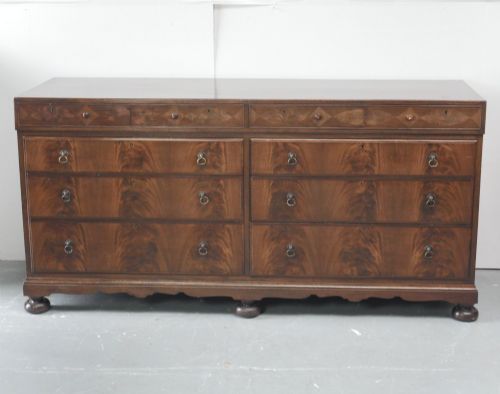
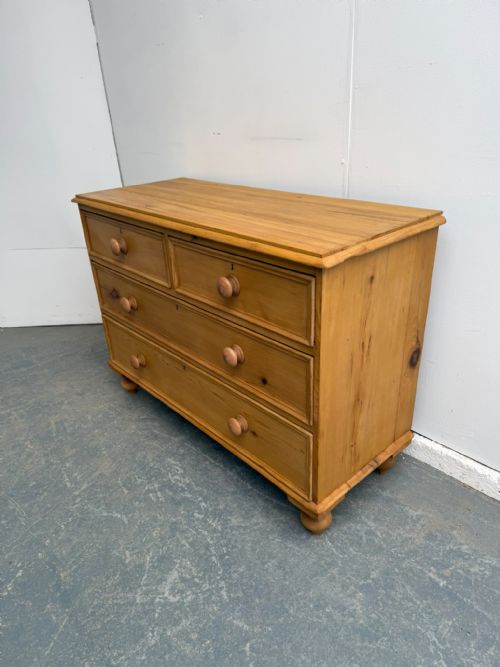
A wide wooden chest offers substantial storage and presence, ranging from humble pine blanket boxes to polished mahogany drawer units.
Wide Wooden Chest
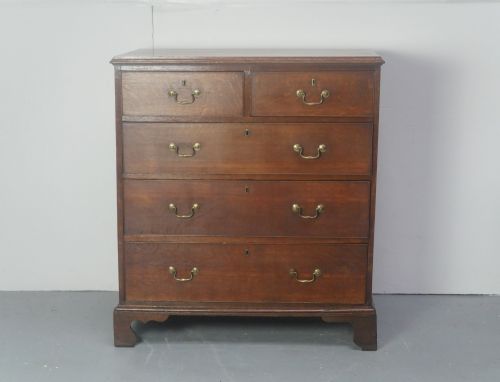
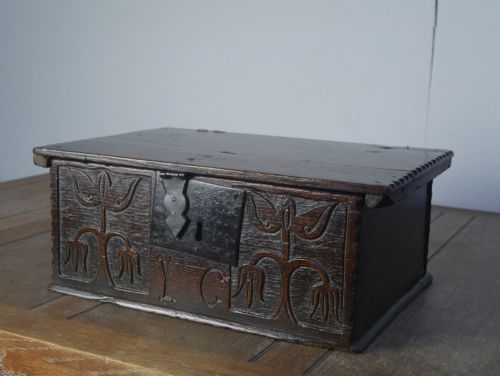
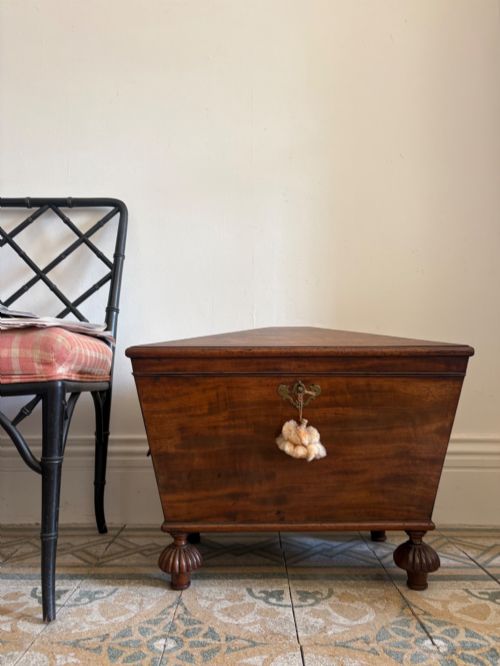
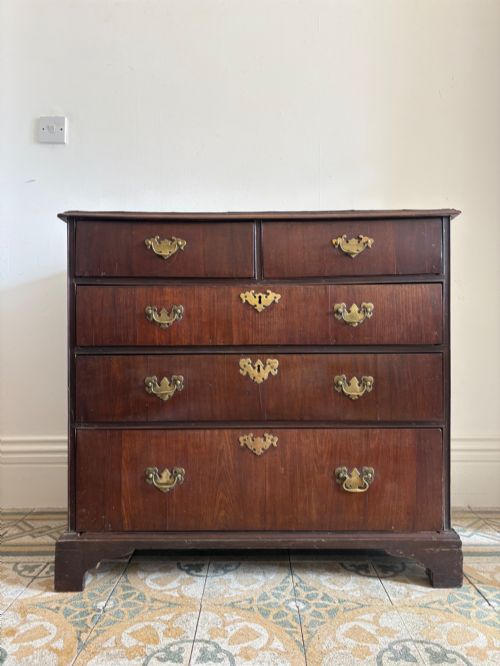
A wide wooden chest serves as a versatile storage piece, encompassing chest of drawers, blanket boxes, cabinets, and cellarettes across several centuries. When exploring a wide wooden chest, buyers encounter items built for utilitarian storage as well as refined domestic display.
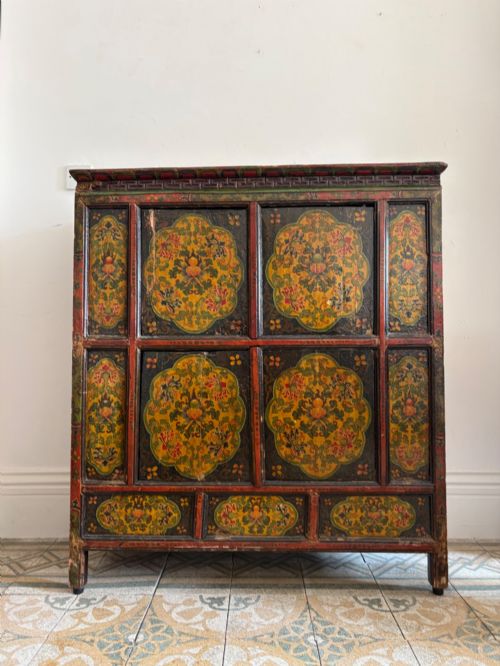
The selections span distinct historical eras, featuring Georgian, Regency, and Victorian examples alongside 17th-century English pieces and Tibetan painted cabinets. Pine and mahogany emerge frequently, complemented by oak, walnut, brass, iron, and lacquer.
Forms vary from low coffee tables and small boxes to expansive multi-drawer chests and sarcophagus cellarettes. Buyers frequently meet pine versions with waxed finishes and mahogany pieces displaying rich grain patterns.
Materials and construction methods
Makers utilised solid timbers like oak, pine, and mahogany, occasionally selecting flame mahogany veneer to add visual depth to drawer fronts. Metal components such as brass handles and iron details provided structural reinforcement and functional operation.
Surface treatments ranged from clear wax on pine and polished finishes on mahogany to intricate hand-painted floral decoration using mineral pigments on lacquer cabinets. Liners of original lead appeared in specific serving pieces like cellarettes to hold ice and bottles.
Wide Wooden Chest Retail Price Guide 2026
Typical asking prices for wide wooden chest among the pieces listed under this phrase on Sellingantiques today, from the lower quarter to the upper quarter. They describe what is for sale here now, not the wider market.
Listings feature items spanning the 17th century through the 1920s, demonstrating the enduring utility of wide wooden storage forms.
Assessing quality and craftsmanship
Quality separates pieces through the selection of timber grades, seen clearly in the choice between plain pine and figured flame mahogany. The refinement of the cabinetmaker's joinery and the integrity of original surface treatments define the standing of each item.
Decorative elements indicate the intended status of the furniture, ranging from simple iron hardware on early oak boxes to cast brass handles and detailed hand-painted Tibetan floral motifs on specialised cabinets.
Whytock & Reid·Thomas Hope
The Wide Wooden Chest Glossary
- Flame mahogany
- A veneer cut from the fork of the mahogany tree where the branch meets the trunk, creating a distinct flickering flame pattern.
- Cellarette
- A lockable container used to store wine and spirits, often lined with lead in the Regency period to hold ice.
- Blanket box
- A large rectangular chest traditionally utilised for storing textiles, blankets, and household linens.
- Mineral pigment
- Natural earth and mineral-based substances mixed as colorants for hand-painted decoration on lacquer and wooden surfaces.
- Sarcophagus
- A monumental chest shape with a sloping lid, popular during the Regency era for cellarettes and wine coolers.
Wide Wooden Chest: Frequently Asked Questions
How do I date a wide wooden chest?
Dating relies on identifying the primary timber, construction joints, and characteristic hardware of the period. Georgian and Regency pieces typically display refined mahogany work, whereas earlier 17th-century items utilise solid English oak.
Secondary woods, backboards, and handles provide further clues to the decade of manufacture. Comparing these elements with documented examples helps establish a reliable timeline.
What is a cellarette used for?
A cellarette functioned as a secure container for storing wine bottles and spirits in the dining room. Many Regency examples included lead linings to hold ice and keep beverages chilled during long meals.
These pieces sat beneath sideboards or in corners, combining heavy timber construction with decorative brass mounts and locks.
How do I care for waxed pine furniture?
Waxed pine benefits from occasional applications of natural beeswax to nourish the timber and maintain its soft lustre. Avoiding direct sunlight and sudden temperature changes prevents the wood from drying out or splitting.
Dusting with a dry, soft cloth preserves the wax finish without stripping the historical patina built up over generations.
What distinguishes mahogany from oak chests?
Mahogany offers a dense, reddish-brown grain that took a high polish, becoming the dominant timber for fashionable furniture from the mid-18th century onward. Oak provides a heavier, coarser grain structure associated with earlier 17th- and 18th-century country pieces.
While oak prioritizes robust utility, mahogany allows for finer carving and the application of decorative veneers like flame mahogany.