

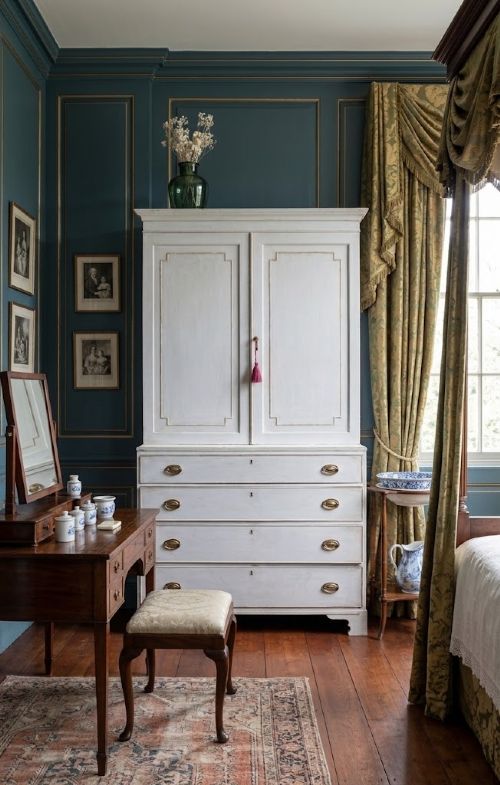
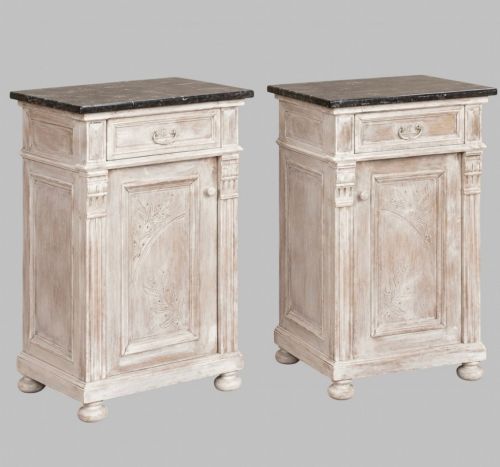
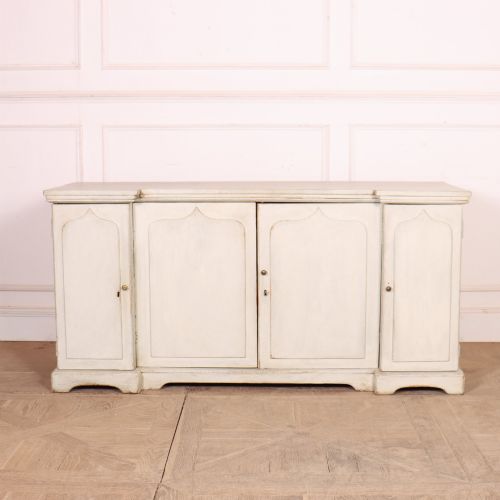
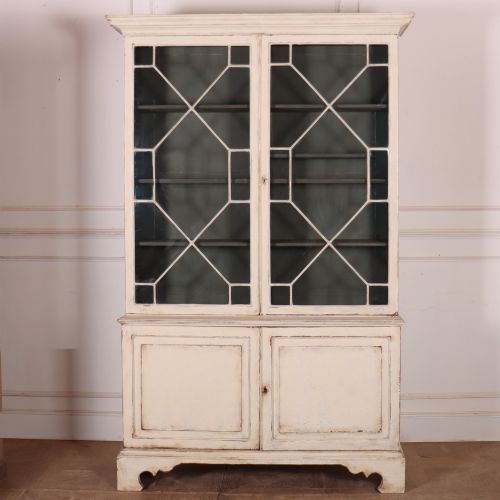
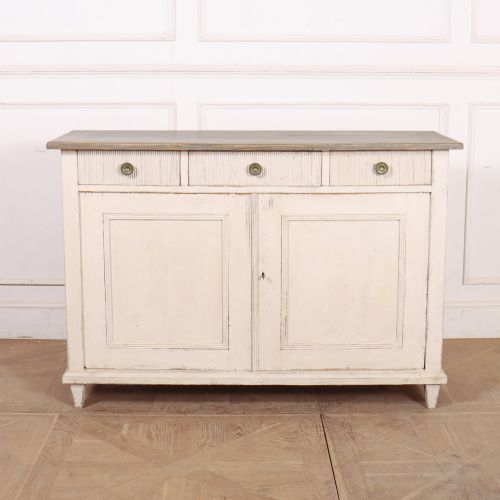
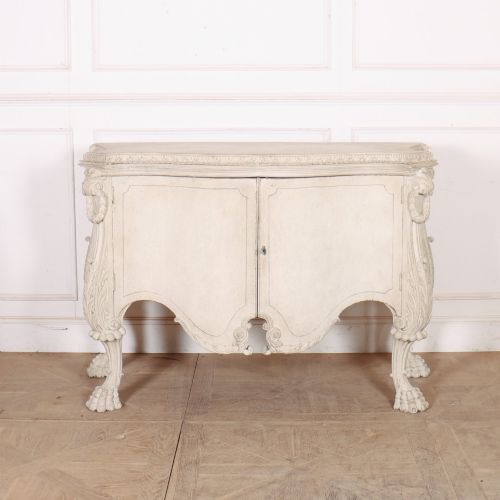
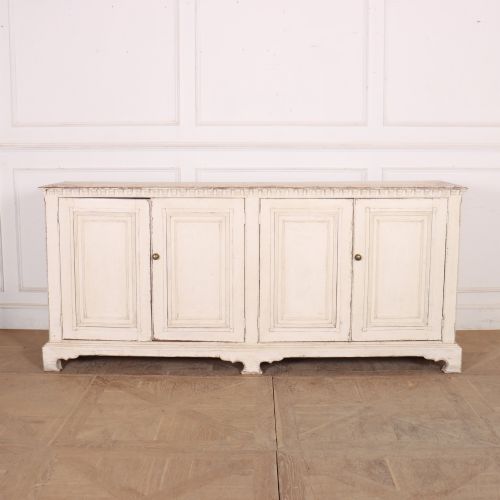
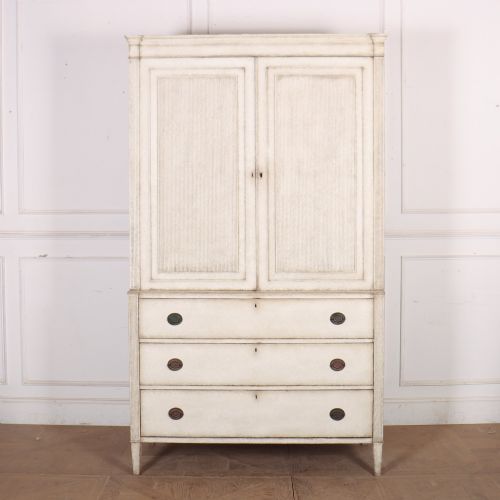
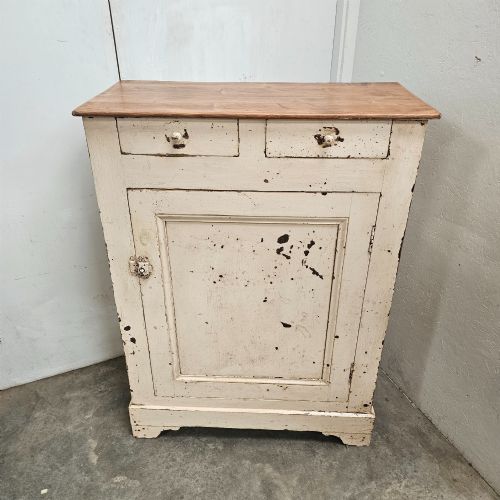


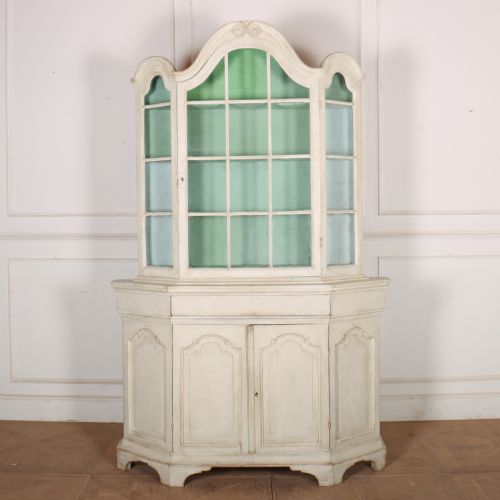

White Wooden Cupboard
These white wooden cupboard examples bring painted pine and regional rustic character straight into your rooms.
White Wooden Cupboard
A white wooden cupboard covers utility forms ranging from bedside tables and confituriers to large linen cupboards and housekeepers cupboards. These pieces arrive from English, Scandinavian, French, Italian, and Dutch workshops across the eighteenth and nineteenth centuries.
The version you meet most often on this page is the painted pine linen cupboard or bedside cabinet from nineteenth-century Sweden or England. Painted surfaces dominate, shifting from crisp white grounds to softer distressed tones over time.
Regional styles dictate the silhouette, moving between the architectural panels of English country pieces and the lighter, neoclassical lines of Scandinavian country furniture. Each form serves storage needs with distinct provincial proportions.
Materials and construction
Makers relied primarily on solid pine and painted wood, building carcass frames with pegged joints and panelled doors. Secondary woods appear in internal shelving and drawer linings, constructed to handle daily domestic use.
Surfaces received layers of lead-based or oil paints, sometimes distressed through decades of cleaning and redecoration. Iron hinges, brass handles, and occasionally marble tops complete the specification of these functional pieces.
White Wooden Cupboard Retail Price Guide 2026
Typical asking prices for white wooden cupboard among the pieces listed under this phrase on Sellingantiques today, from the lower quarter to the upper quarter. They describe what is for sale here now, not the wider market.
Listings feature 19th Century and 18th Century periods alongside Victorian dates, constructed mainly from pine with painted wood surfaces.
Assessing quality and character
Quality rests in the integrity of the timber frame and the untouched nature of the painted surface. Original or early paint layers carry higher value than modern decorative overpainting.
Proportion and restrained detail separate standard utility pieces from finer regional examples. Well-turned columns, panelled doors that hang true, and original iron or brass hardware elevate a cabinet above basic workshop output.
Melissa White
The White Wooden Cupboard Glossary
- Pine
- A softwood commonly used throughout European country furniture for its workability and strength. It forms the primary carcass material for most painted provincial cupboards.
- Enfilade
- A long sideboard or cabinet designed to stand against a wall, featuring a continuous sequence of doors or drawers. These large storage pieces often anchor dining rooms or grand hallways.
- Confiturier
- A small French jam cupboard featuring a single door and drawer, originally built to store preserves. Its modest footprint makes it ideal for modern bedside or hallway use.
- Dresser base
- The lower section of a kitchen or dining room dresser, equipped with drawers and cupboards below a solid top. These low-profile pieces function well as sideboards.
- Vitrine
- A glass-fronted display cabinet used for showing porcelain or glassware. Eighteenth-century examples often feature delicate glazing bars.
White Wooden Cupboard: Frequently Asked Questions
What is a white wooden cupboard used for?
These cupboards provide concealed storage for linens, tableware, and everyday household items across bedrooms, hallways, and living spaces. Their interior shelving accommodates folded textiles or general household supplies.
The sturdy construction of pine and painted wood allows them to handle active daily service while adding provincial character to a room.
How do I date a painted cupboard?
Dating relies on construction methods such as hand-cut dovetails, forged iron hardware, and the composition of underlying timber boards. Nail types and backboard construction also help establish whether a piece belongs to the eighteenth or nineteenth century.
Paint analysis reveals whether a white finish is original, period-applied, or a later decorative update applied during the twentieth century.
Are these cupboards made of solid pine?
Most pieces utilise solid pine throughout the main frame, doors, and internal shelving. Regional workshops selected pine for its abundant supply and ease of hand-working.
Some refined pieces incorporate hardwood details or marble tops on washstands and cabinets, combining utility with decorative surfaces.
How do I care for an antique painted finish?
Maintenance requires dry dusting with a soft cloth and avoiding chemical cleaners that can soften historical paint layers. Keeping pieces away from direct heat sources prevents timber movement and paint flaking.
Wax can be applied sparingly to unpainted interior pine, while painted exterior surfaces simply need gentle cleaning.