





White Stone Lamp
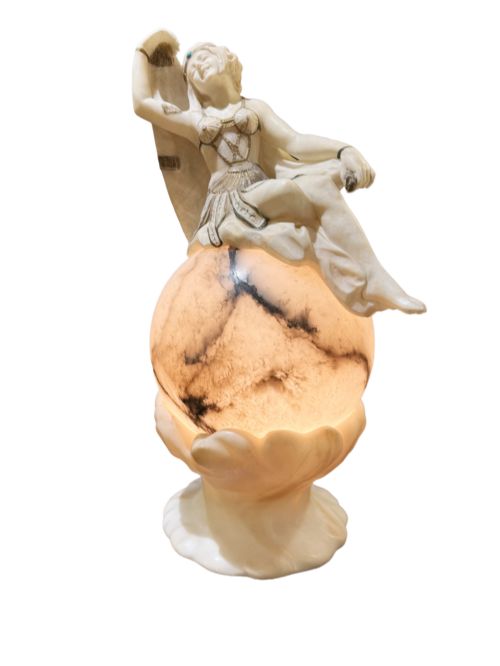
A white stone lamp brings a warm, diffused glow to a room through carved alabaster, marble, or onyx.
White Stone Lamp
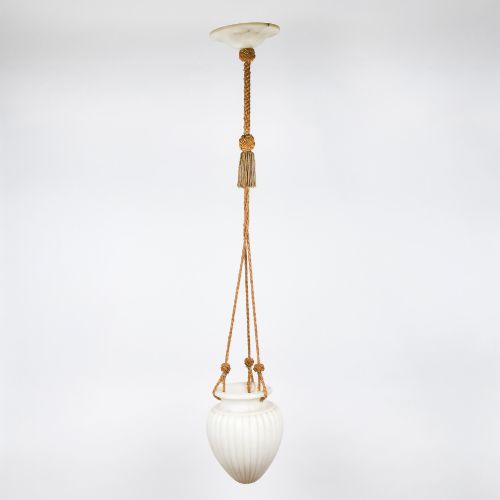
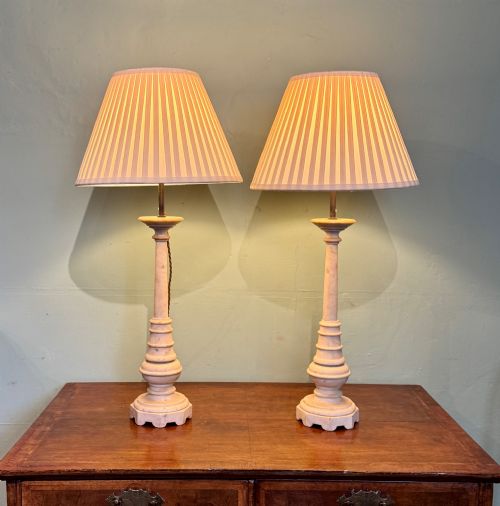
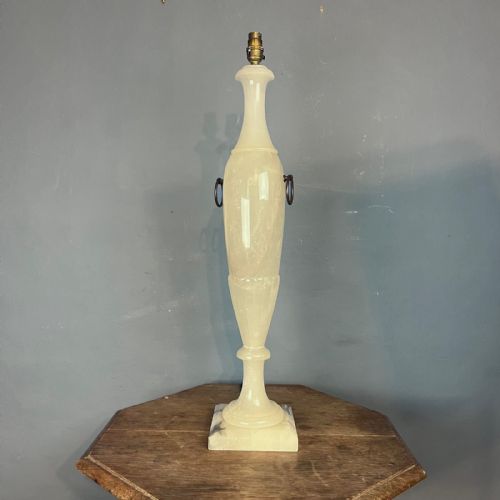
A white stone lamp unites utility with classical form, drawing on periods from the nineteenth century through to the Art Deco era. The selection centres heavily upon alabaster, marble, and onyx table lamps, alongside floor-standing variants and pendant lights.
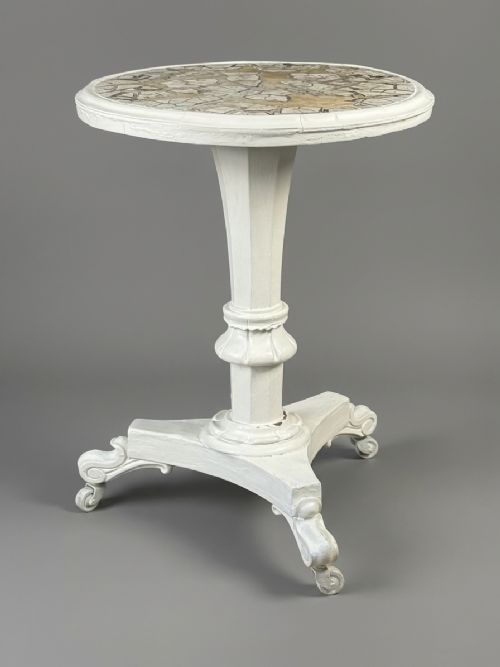
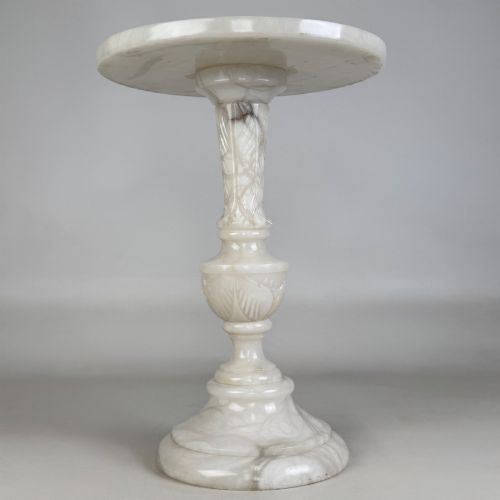
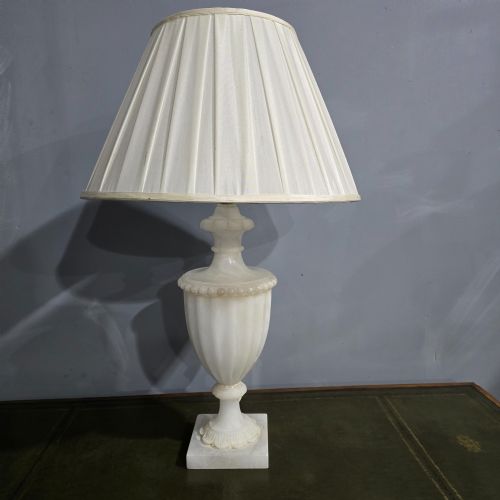
Makers drew inspiration from Classical Revival, Neoclassical, and French Neoclassical styles to shape these pieces. Alongside functional lighting, the grouping includes sculptural forms and side tables that incorporate stone pillars.
Materials and construction
Craftsmen shaped dense materials such as alabaster, white marble, and onyx into urns, columns, and figures. These stone bodies were frequently turned on a lathe or carved by hand to achieve translucent walls and smooth profiles.
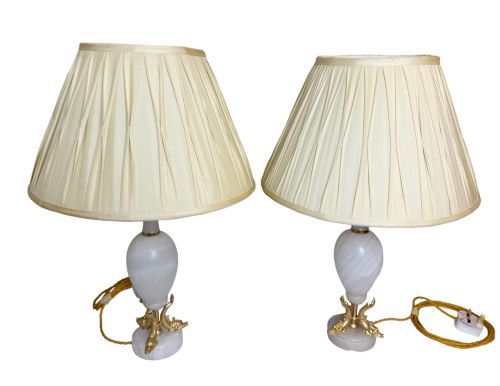
Metal components, including brass, gilt metal, and gilt bronze trim, were integrated to mount the stone and provide structural support. Fabric elements and hanging cords completed the fittings for suspension or table placement.
White Stone Lamp Retail Price Guide 2026
Typical asking prices for white stone lamp among the pieces listed under this phrase on Sellingantiques today, from the lower quarter to the upper quarter. They describe what is for sale here now, not the wider market.
Current listings feature alabaster, marble, and onyx shaped into table lamps, pendant lights, and floor-standing pieces dating from the nineteenth century to 1930.
Assessing quality and craftsmanship
Quality rests upon the purity and translucency of the stone, alongside the crispness of carved details such as fluting or figural contours. Superior examples display careful matching of veining and harmonious proportions across pairs.
The integration of metal mounts, such as cast bronze paw feet or finely chased collars, distinguishes standard utility pieces from more ambitious decorative works. The weight and stability of the turned stone base also indicate the original workshop ambition.
The White Stone Lamp Glossary
- Alabaster
- A fine-grained, translucent stone that allows light to diffuse softly when illuminated from within or above. It was widely utilised for carved vessels and lighting during the early twentieth century.
- Onyx
- A banded variety of chalcedony quartz that exhibits natural parallel strata and high polish. It often appears in white or cream tones with contrasting mineral lines.
- Neoclassical Revival
- A nineteenth and twentieth century design movement that drew heavily upon ancient Greek and Roman motifs. Pieces in this style feature urns, columns, and formal symmetry.
- Gilt Bronze
- Bronze metal that has been coated with a thin layer of gold or gold-coloured alloy. It provides decorative mounts and trim for stone lamp bases.
White Stone Lamp: Frequently Asked Questions
How do I clean a stone lamp?
Dust the surface regularly with a soft, dry cloth to prevent accumulation in carved recesses. Avoid using harsh chemical cleaners or excess water, which can damage unsealed stone and metal mounts.
For alabaster specifically, moisture can alter the porous surface finish permanently. Keep cleaning strictly dry unless dealing with stubborn marks using a specialist stone cleaner applied sparingly.
How do I tell alabaster from marble?
Alabaster is softer than marble and possesses a distinct translucency when held near a light source. Marble is harder, heavier, and generally opaque with pronounced crystalline structure.
Veining patterns also differ, with marble often showing sharp linear deposits and alabaster displaying cloudier, softer transitions. Both materials were utilised extensively across the listed periods.
Where should I place a floor lamp?
Position a floor-standing stone lamp in a corner or beside seating where its height can project illumination downward. Ensure the heavy base rests on a stable, level floor surface.
Keep such pieces away from heavy traffic areas to prevent accidental impacts against the stone shaft. The substantial weight of marble and alabaster requires secure placement.