

White Staffordshire Pottery
White staffordshire pottery spans decorative figures, comforter spaniels, and useful wares that bring authentic nineteenth-century English character to a room.
White Staffordshire Pottery
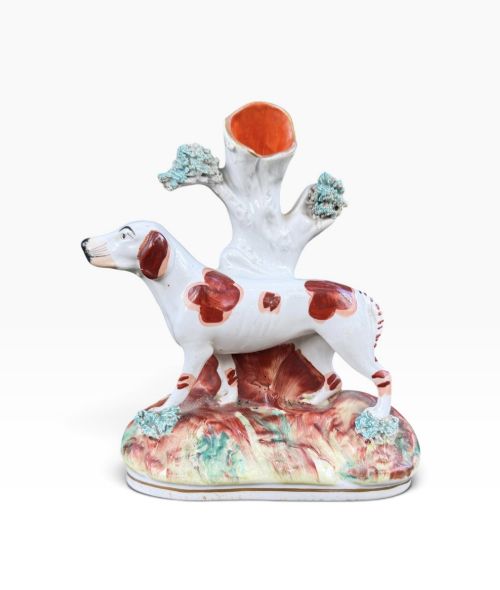
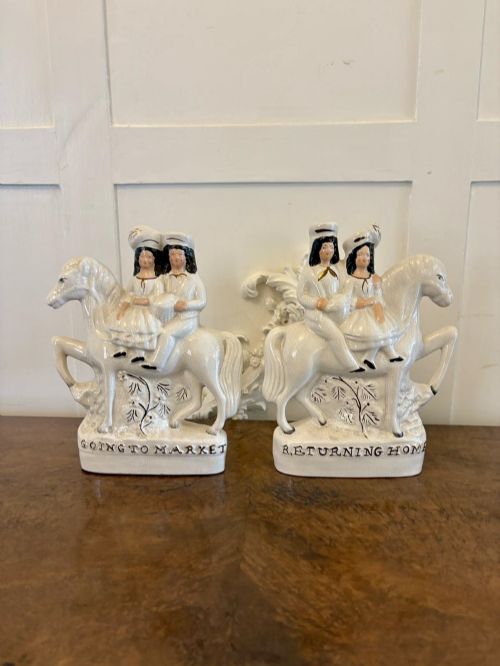
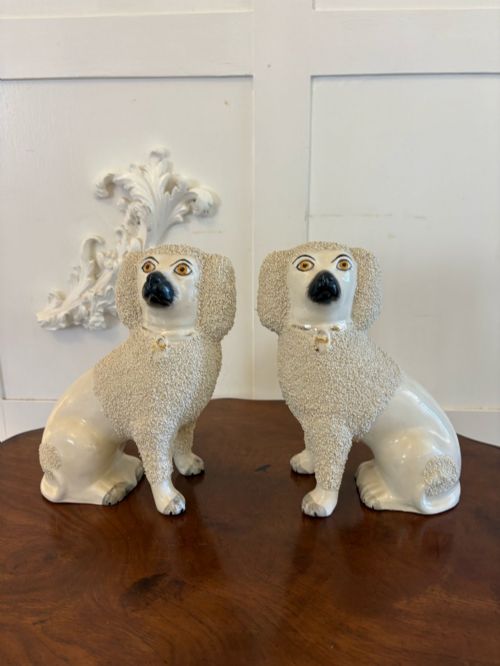
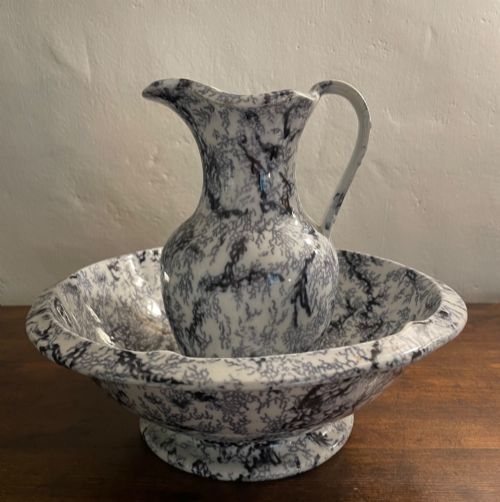
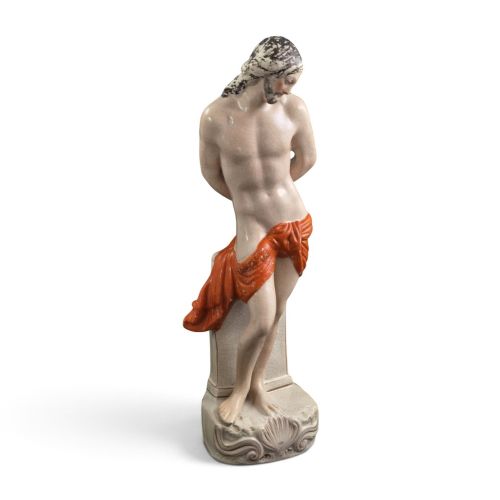
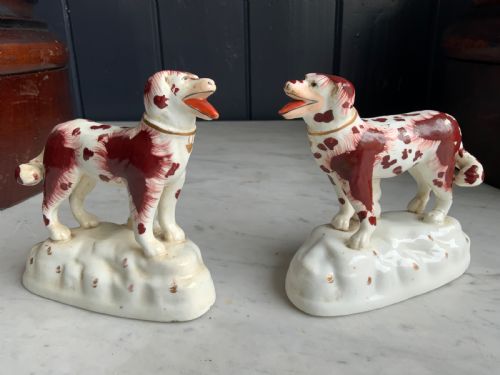
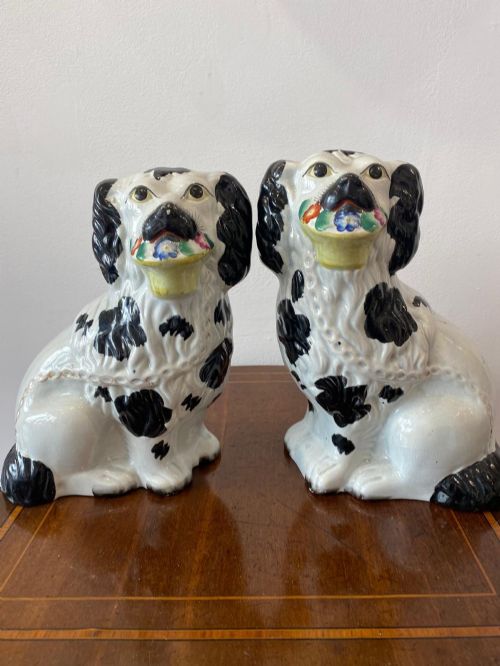
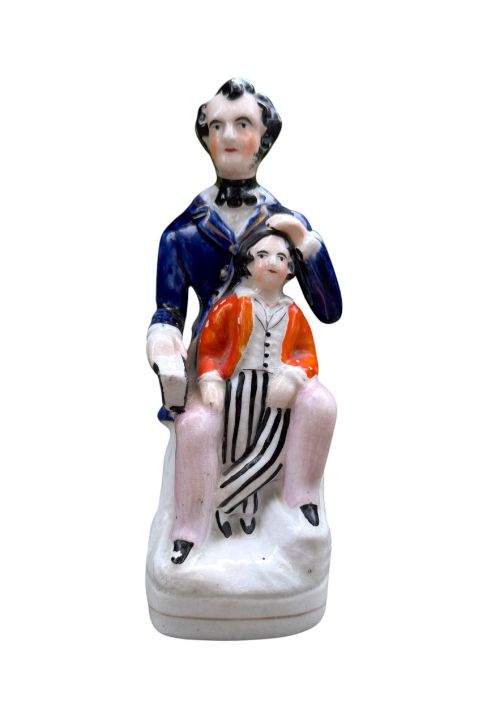
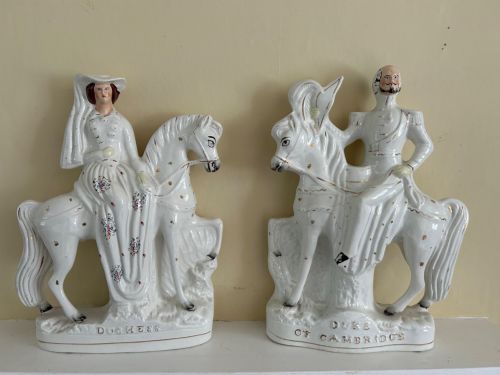
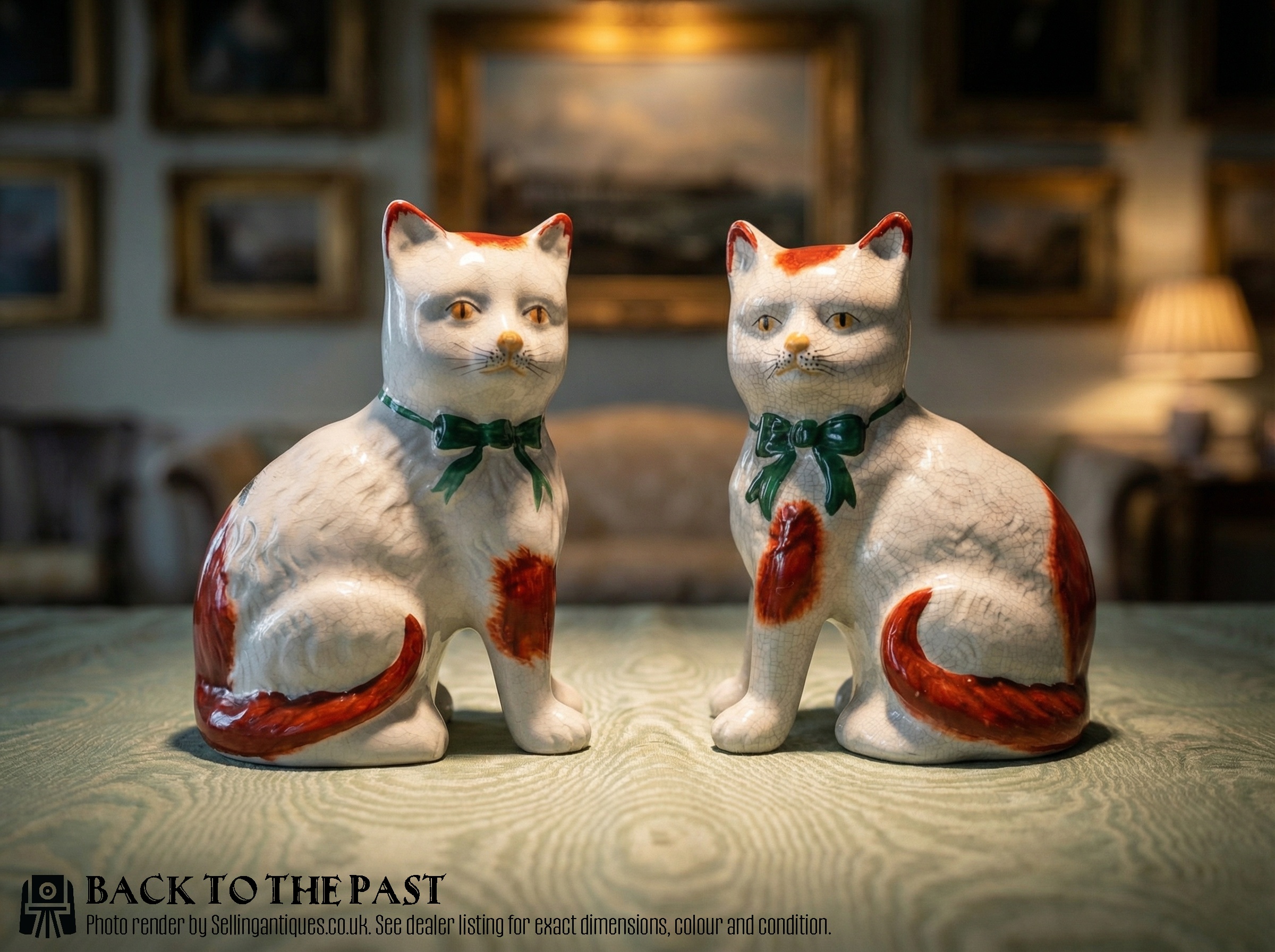
White staffordshire pottery encompasses a diverse selection of nineteenth-century ceramics, ranging from decorative figures and portrait groups to kitchen wares and blue and white transfer-printed vessels. Collectors encountering this category will frequently find fireside spaniels, poodles, and spill vases produced during the Victorian and Georgian eras.
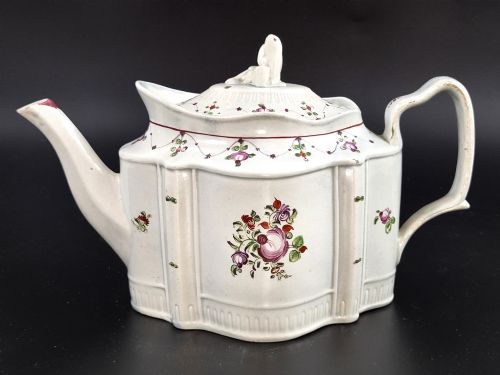
The selection extends beyond figural subjects to utilitarian forms such as creamware chargers, jelly moulds, tureens, and teapots. These pieces reflect both the domestic aspirations and the decorative tastes of nineteenth-century households across Britain.
How they were made
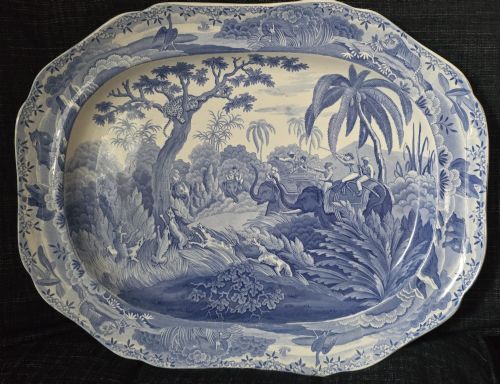
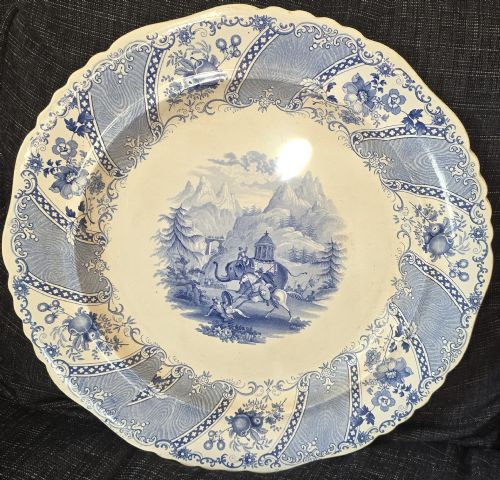
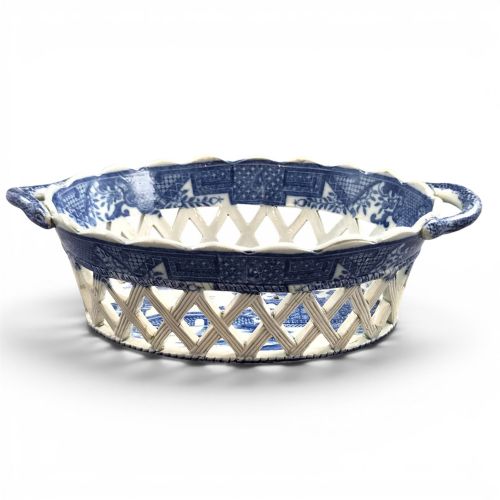
Potters shaped these earthenware, pearlware, and creamware bodies using moulds before applying lead glazes and enamel paints to achieve the characteristic glossy surfaces. Many vessels also received detailed transfer-printed decoration in blue and white, a technique that allowed intricate topographical and pictorial scenes to be transferred onto the ceramic surface.
Nineteenth-century potters thoughtfully gave spaniels separate front feet so they could sit more convincingly on the mantelpiece.
What varies in quality
The clarity of the glaze and the preservation of original enamel paints or gold leaf heavily influence the visual impact of a piece. Well-matched pairs with distinct, clean glaze surfaces and minimal firing imperfections represent the upper tier of the available range.
Spode·Robert Hamilton·John Rogers & Son·J. & R. Clews·J. & R. Riley·Stubbs·Mintons
The White Staffordshire Pottery Glossary
- Pearlware
- A refined earthenware developed in the late eighteenth century featuring a subtle bluish glaze that pooled in recesses, designed to mimic Chinese porcelain. It forms the body of many early nineteenth-century figures and wares.
- Transferware
- Pottery decorated by applying a paper transfer printed from an engraved copper plate onto the ceramic body before glazing and firing. This method enabled consistent reproduction of complex pictorial scenes.
- Spill vase
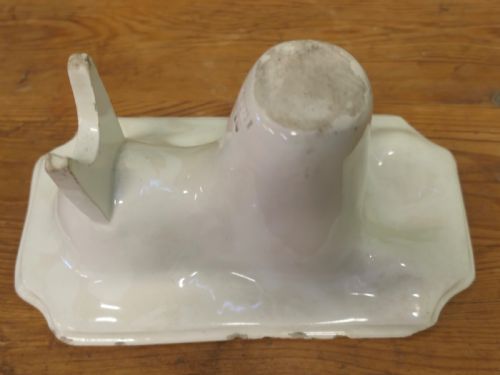
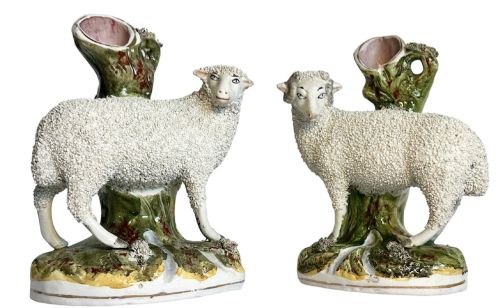
- A hollow ceramic figure incorporating an attached cylindrical holder designed to contain wooden tapers used for lighting pipes or candles. They are frequently modelled as animals or figural groups.
- Creamware
- A fine cream-coloured earthenware developed in Staffordshire during the eighteenth century, prized for its warm tone and smooth glaze. It served as a versatile canvas for both utilitarian and decorative vessels.
- Flatback
- A style of Staffordshire figure moulded with a flat, unpainted reverse intended to be placed against a mantelpiece or wall. This construction method saved materials and kept the pieces stable.
White Staffordshire Pottery: Frequently Asked Questions
How do I date staffordshire pottery?
Dating relies on examining the ceramic body, glaze characteristics, and potting style. Pearlware bodies and sharper modelling point toward earlier Georgian production, whereas heavy flatback construction and specific portrait subjects typically indicate the mid-to-late Victorian period.
Transfer-printed patterns and registered design marks on the base also offer narrower chronological windows. Comparing the piece to documented examples helps confirm its period of origin.
What is transferware pottery?
Transferware is pottery decorated by transferring a printed design from an engraved copper plate onto the ceramic surface using tissue paper. This technique allowed potteries to produce intricate blue and white patterns like pastoral scenes and architectural views consistently.
First developed in the eighteenth century, the method became widespread across Staffordshire factories for both tableware and decorative vessels. The depth of the blue colour and the sharpness of the printed line help identify the quality of the piece.
How were figural spill vases used?
Spill vases combined decorative sculpture with a practical function by incorporating an integrated tubular holder. Households used these holders to store thin wooden tapers, known as spills, which were lit from the fire to transfer a flame to candles or pipes.
Potters frequently paired animals like sheep or dogs with these vases to create appealing fireside ornaments. They remain collected both as sculptural objects and as functional relics of nineteenth-century home life.