


English Staffordshire Pottery
English Staffordshire pottery brings together centuries of earthenware figures, blue and white transferware, and modelled animal groups that define traditional British ceramics.
English Staffordshire Pottery
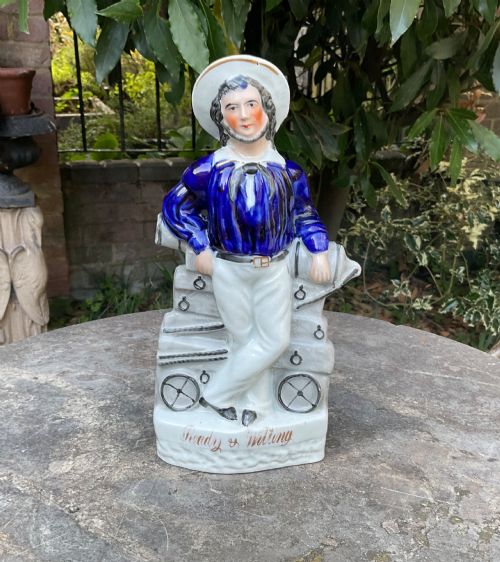
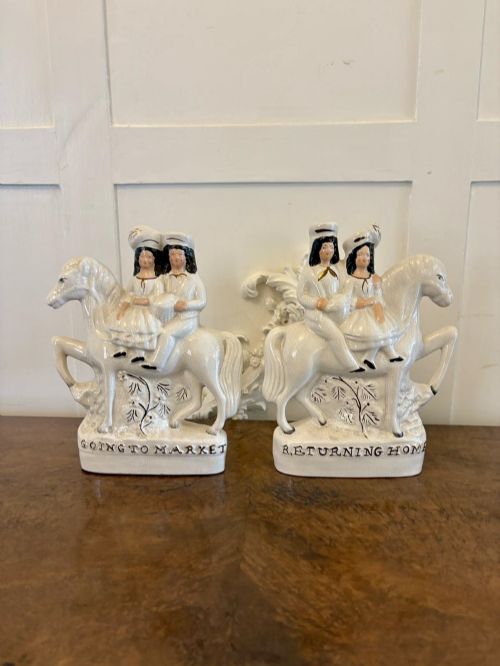
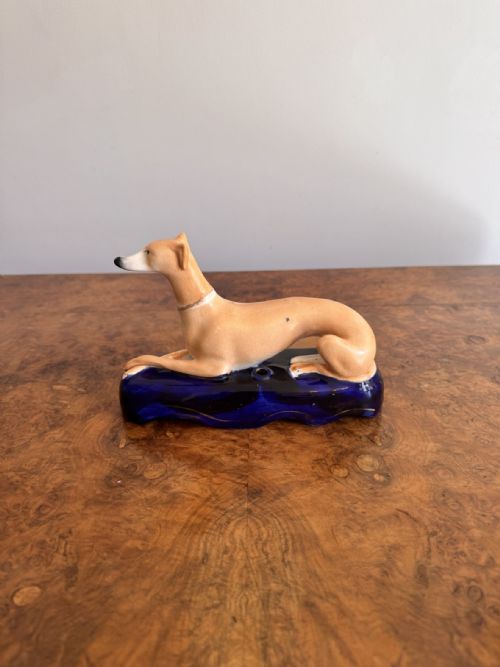
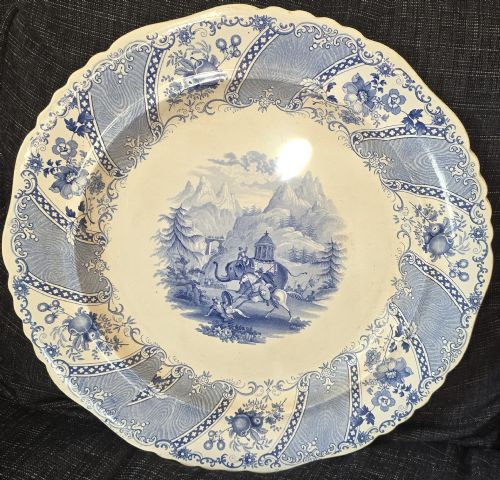
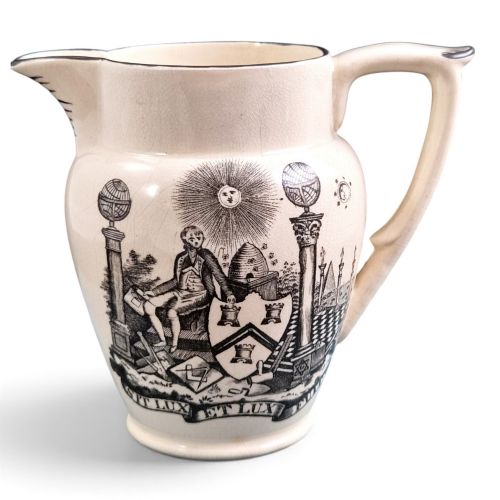
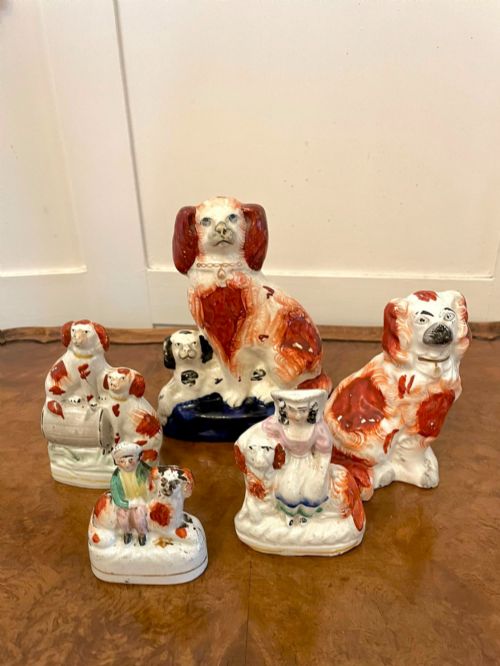
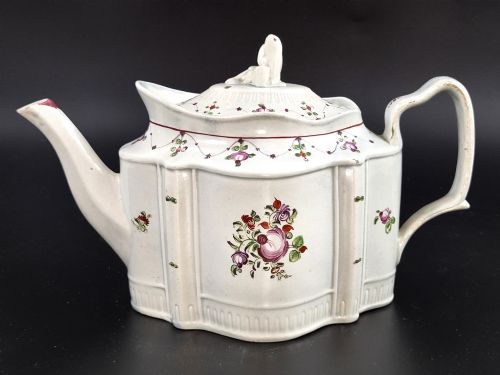
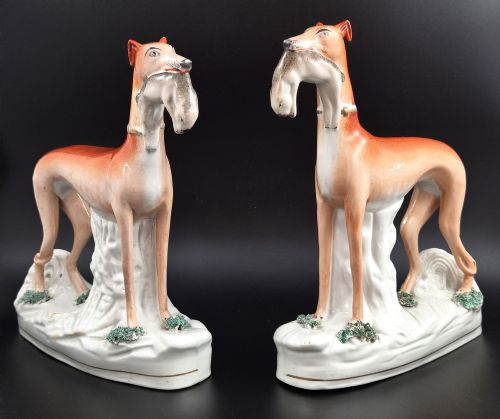
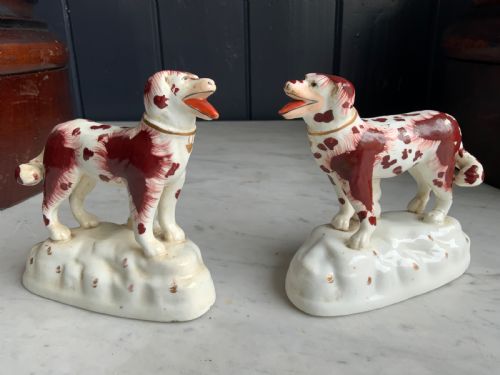
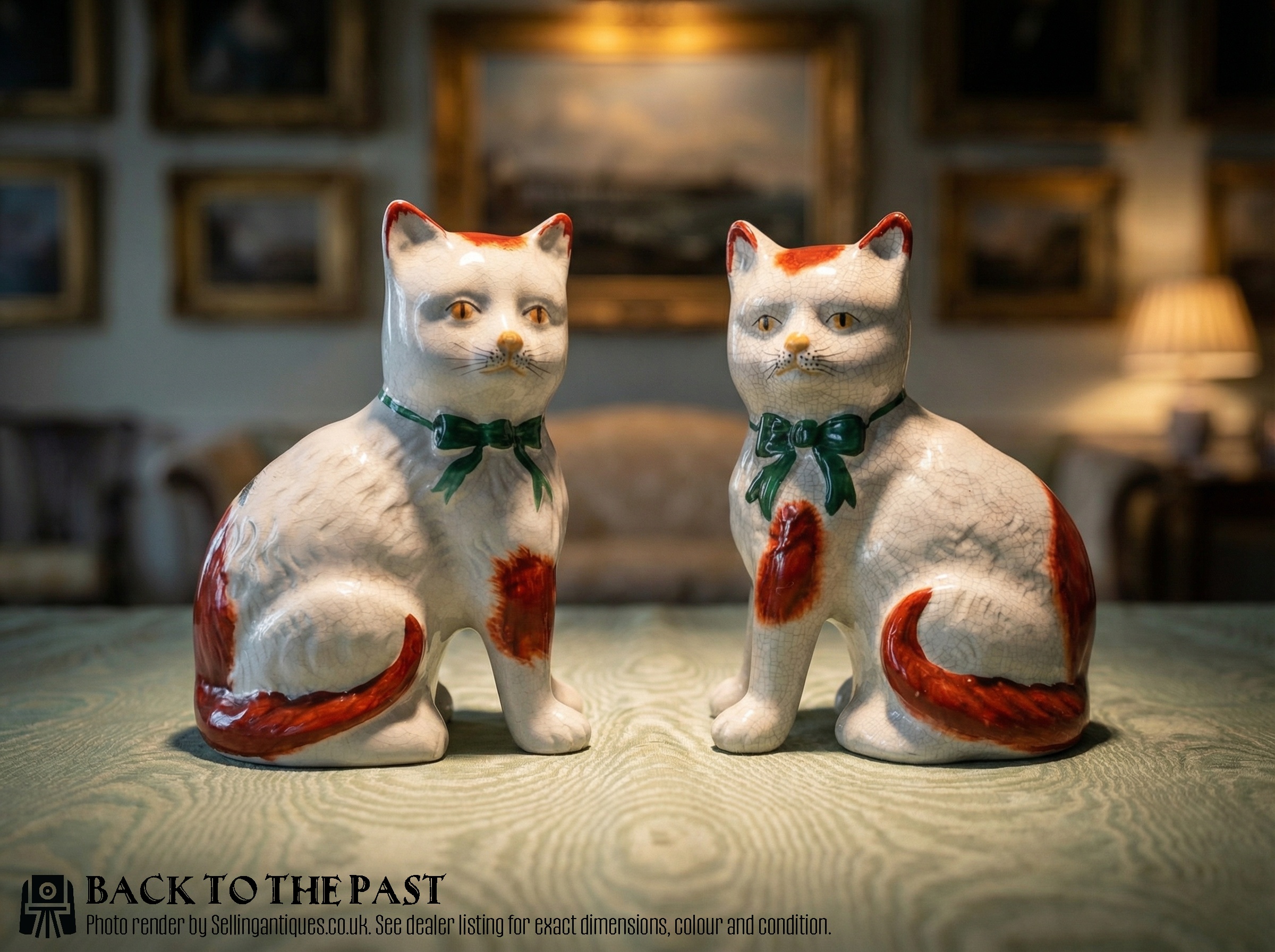
Collectors seeking english staffordshire pottery encounter a diverse array of utilitarian vessels and decorative objects originating from the pottery kilns of the English Midlands. The selection ranges from robust blue and white transfer-printed platters and creamware jugs to Victorian mantel figures, spaniels, and portrait groups.
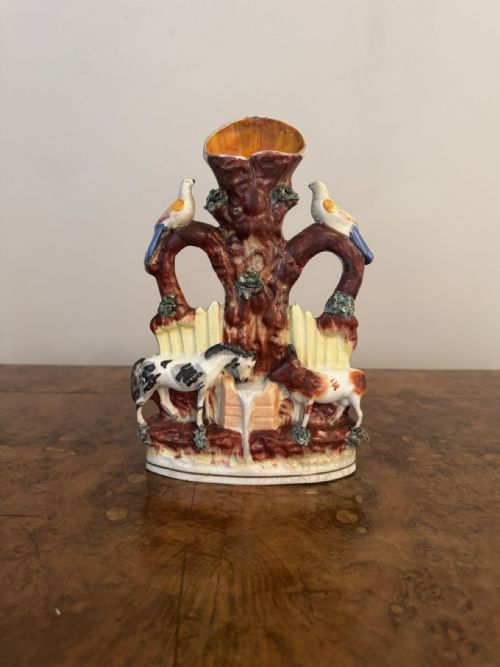
The material spans different eras of production, moving from early creamware and pearlware through to mid-nineteenth-century earthenware and porcelain bodies. Animal models, architectural spill vases, and Toby jugs form the predominant sculptural outputs found across these archives.
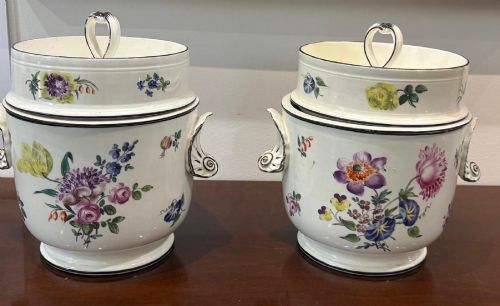
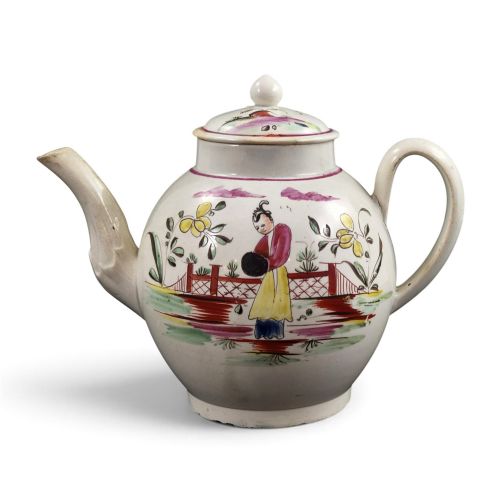
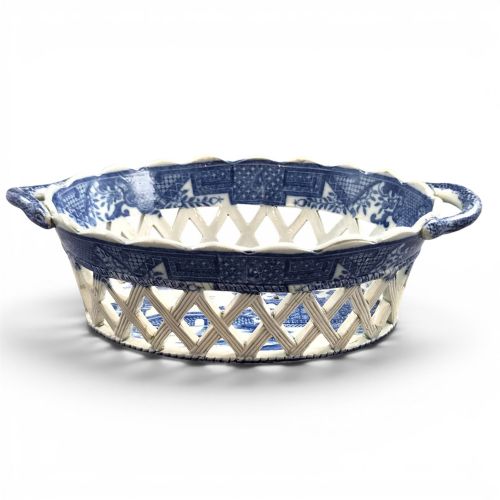
Domestic tableware forms such as tureens, teapots, and chestnut baskets sit alongside commemorative historical figures and theatrical subjects. This broad functional range reflects the shifting domestic tastes and commercial output of Staffordshire potteries from the Georgian period through the Victorian era.
Materials and production methods
Potters shaped these items using local clays, refined earthenware bodies, creamware, and pearlware, often finishing the surfaces with lead glazes. Transfer printing allowed workshops to apply intricate blue and white topographical or figurative patterns onto plates, platters, and basins with remarkable consistency.
Figurines and animals were typically slip-cast or press-moulded in parts, then hand-painted with coloured enamels before undergoing a final kiln firing. Copper lustre applications and relief moulding provided additional decorative textures to jugs, pitchers, and utilitarian vessels.
Surprise drinking vessels include internal ceramic frogs that bob up as the drinker finishes their ale.
Judging execution and finish
Earlier creamware and pearlware examples derive their appeal from the subtlety of the glaze pooling and the lightness of the thrown or moulded body. Conversely, later Victorian pieces rely on vivid enamel colours and well-defined modelled details to distinguish standard production from superior studio output.
Robert Hamilton·John Rogers and Son·Spode·J. and R. Clews·Keeling and Co.·John Bevington·J. and R. Riley·Thomas Parr
The English Staffordshire Pottery Glossary
- Creamware
- A refined earthenware body developed in the eighteenth century with a pale yellowish-buff tone under a transparent lead glaze. This material formed the basis for many domestic tablewares before the advent of whiter pearlware bodies.
- Pearlware
- An improved Staffordshire earthenware introduced in the late eighteenth century containing a small amount of cobalt in the glaze to neutralise the natural yellow body colour. It presents a bluish tint in the pooling areas.
- Transfer Print
- A decorative technique where an engraved copper plate transfers a design onto tissue paper, which is then pressed onto the ceramic surface before glazing. This method enabled complex pictorial scenes on plates, bowls, and platters.
- Spill Vase
- A hollow ceramic figure incorporating a small cylindrical holder designed to store wooden spills used for lighting candles or fires. These vessels frequently depict animals, architectural ruins, or pastoral figures.
- Toby Jug
- A pottery jug shaped as a stout, jovial man wearing eighteenth-century attire, typically holding a mug of ale or a pipe. They appeared in various seated poses across different Staffordshire workshops.
- Prattware
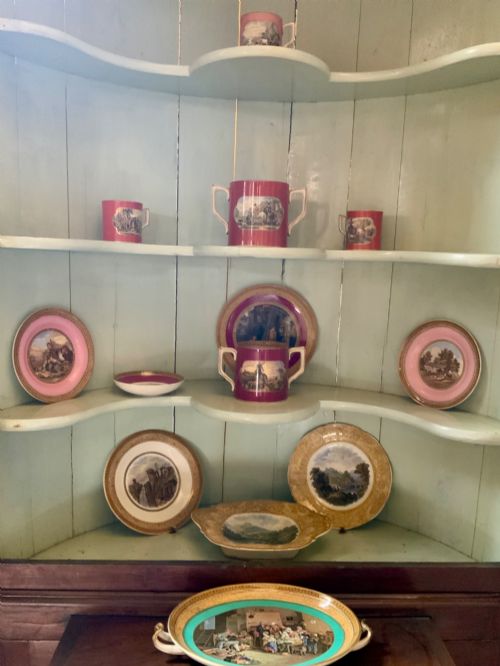
- Early earthenware characterised by low-relief moulding and decorated with restricted underglaze colours, notably blue, ochre, orange, and brown. The style is frequently associated with tableware and small figures from the late eighteenth and early nineteenth centuries.
English Staffordshire Pottery: Frequently Asked Questions
How do I identify early Staffordshire figures?
Early Staffordshire figures from the Georgian period often feature pearlware glazes with a bluish tint around the base and hand-painted enamel palettes using muted tones. The modelling tends to be more restrained compared to heavily decorated Victorian examples.
Undersides frequently show open bottom bases and potting marks characteristic of late eighteenth and early nineteenth-century workshop practices, lacking the factory stamps seen on later ceramic production.
What were Toby jugs used for?
Toby jugs served as functional drinking vessels for ale and beer in homes and taverns during the Georgian and Victorian eras. Their humorous, characterful designs made them popular centrepieces on tavern tables and household sideboards.
The removable tricorn hat often functioned as a small drinking cup, adding a practical element to the sculptural novelty of the piece.
Are spill vases functional?
Spill vases served a practical household purpose by holding thin wooden spills used to transfer flames from a hearth fire to candles and lamps. The hollow vertical cylinder was incorporated into the back of a ceramic animal or figure group.
This design combined domestic utility with decorative mantelpiece display during the nineteenth century, when matches were less common.
How should I clean antique earthenware?
Antique earthenware and creamware require gentle dusting with a soft, dry brush to remove surface particles. Water and modern cleaning agents should be avoided where crazing or old repairs are present, as moisture can penetrate the porous ceramic body.
Displaying pieces away from direct sunlight and extreme temperature fluctuations helps preserve the stability of the glaze and enamel colours over time.