

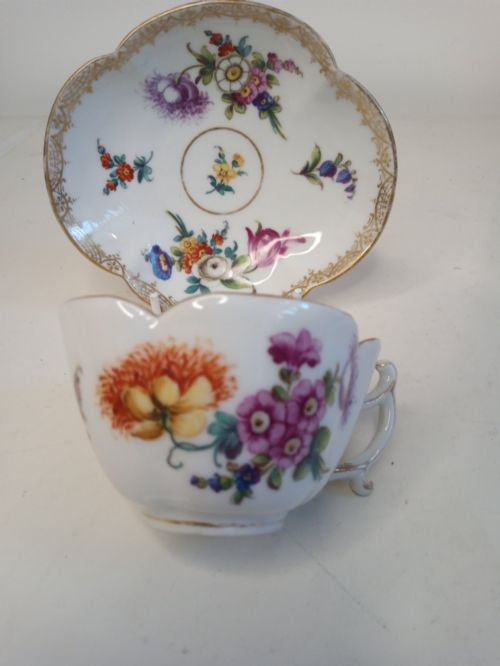


White Porcelain Saucer Set
A white porcelain saucer set brings centuries of refined table service into the home, offering delicate forms for morning tea and formal gatherings alike.
White Porcelain Saucer Set
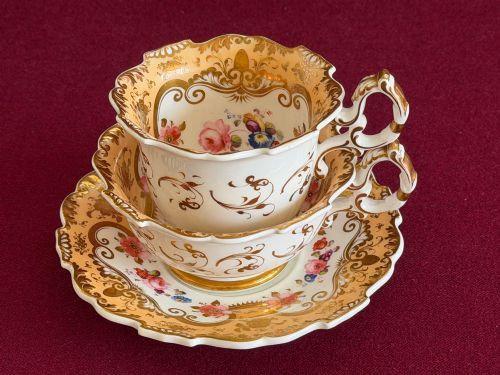
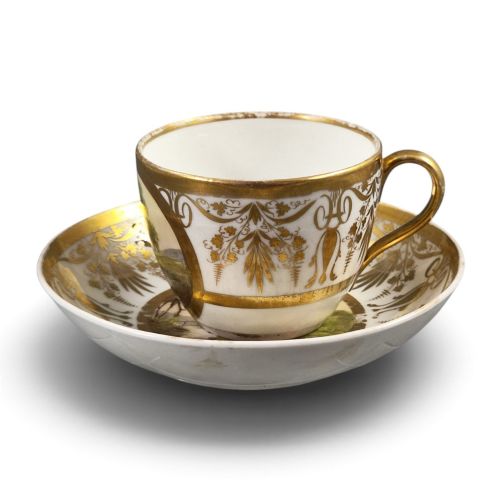
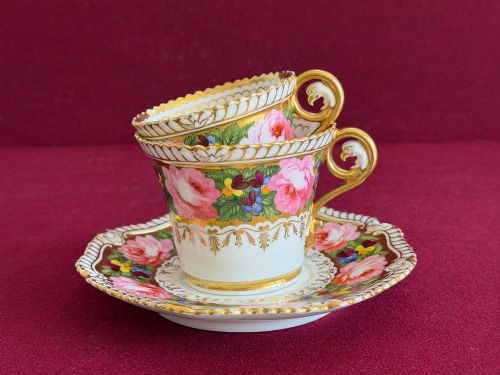
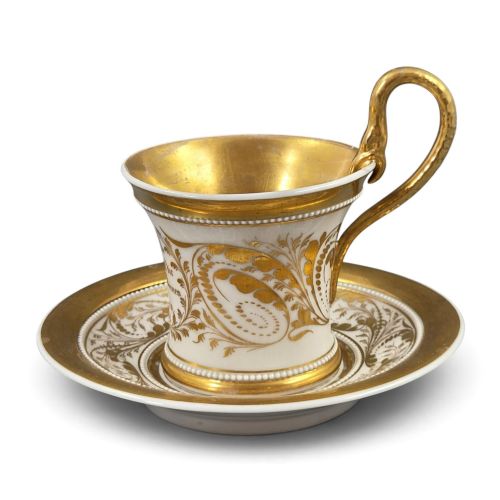
When you search for a white porcelain saucer set, you encounter drinking vessels spanning multiple centuries, from eighteenth-century English works to early twentieth-century services. These pieces primarily manifest as teacups and saucers, coffee cup trios, and larger tea sets designed for social dining.
The selections on this page range from Regency and Georgian tea wares to Victorian and Edwardian services. Most entries feature glazed white bodies paired with delicate handpainted motifs, gilding, or cobalt details.
Distinguishing Quality in Porcelain Ware
Quality in these sets rests upon the finesse of the porcelain body and the precision of the handpainted decoration. Early works from established factories exhibit finely potted walls and intricate, hand-applied floral or landscape details.
The presence of specialised gilding and specific historical patterns elevates certain services above standard domestic wares. Preservation of the enamel colours and gold leaf over centuries also defines the upper tiers of the collection.
White Porcelain Saucer Set Retail Price Guide 2026
Typical asking prices for white porcelain saucer set among the pieces listed under this phrase on Sellingantiques today, from the lower quarter to the upper quarter. They describe what is for sale here now, not the wider market.
Listings feature white porcelain saucer sets spanning the 18th century, Regency period, and early 20th century, utilising gold leaf and enamel.
H & R Daniel·Chamberlain Worcester·KPM Berlin·Coalport·Derby·Flight Barr And Barr·Royal Albert·Meissen·Minton·Wileman Foley Shelley·Spode Copeland·Gladstone Potteries
The White Porcelain Saucer Set Glossary
- Porcelain
- A vitrified ceramic material made by heating raw ingredients, including clay-type materials like kaolin, in a kiln. It is known for its strength, translucence, and bright white appearance.
- Bone china
- A type of soft-paste porcelain that incorporates bone ash, producing a high degree of translucency and whiteness. This material allows for thinner vessel walls while maintaining durability.
- Hard-paste porcelain
- A ceramic composition fired at very high temperatures using kaolin and petuntse. It creates an exceptionally hard, durable body that resists scratching and holds sharp glaze details.
- Gilding
- The decorative application of gold leaf or gold powder onto the surface of porcelain. It is typically fired at a lower temperature to fuse the metal securely to the glaze.
- Demitasse
- A small cup used to serve Turkish coffee or espresso. These diminutive vessels often mirror the patterns of larger tea sets from the same period.
White Porcelain Saucer Set: Frequently Asked Questions
How do I date an antique porcelain set?
Dating relies heavily on factory marks stamped or painted on the underside of the porcelain, alongside stylistic clues such as handle shapes and floral motifs. Reference guides specific to English and European potteries help match these marks to active production years.
Changes in glazing techniques and body composition from the Georgian era through the Edwardian period also provide reliable chronological markers for collectors.
What is the difference between a cup and a trio?
A standard cup and saucer set includes only the drinking vessel and its matching underplate. A trio adds a third matching component, typically a small side or dessert plate designed to accompany the tea service.
Trios are particularly common in nineteenth-century English and European porcelain services meant for formal morning or afternoon repasts.
How should I display my porcelain saucers?
Displaying porcelain safely involves using stable plate stands inside enclosed cabinets to protect the pieces from dust and accidental knocks. Proper spacing prevents scratching between stacked saucers and cups.
Keeping the display away from direct, strong sunlight helps preserve the vibrancy of handpainted enamels and prevents any fading of the underlying white glaze.