



White Porcelain Foo Dogs
White porcelain foo dogs are guardian figures of ceramic modelled to ward off malevolent spirits, prized for their expressive stances and traditional forms.
White Porcelain Foo Dogs
White porcelain foo dogs, alternatively recorded as guardian lion dogs, Shi lions or Karashishi, represent protective guardian figures modeled after traditional symbolic beasts. When searching for white porcelain foo dogs, buyers encounter forms that span centuries of Asian ceramic production, including figures integrated into lamps and decorative sculptures.
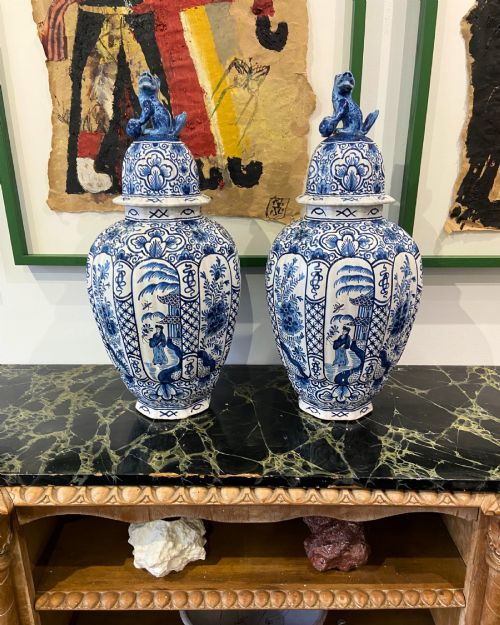
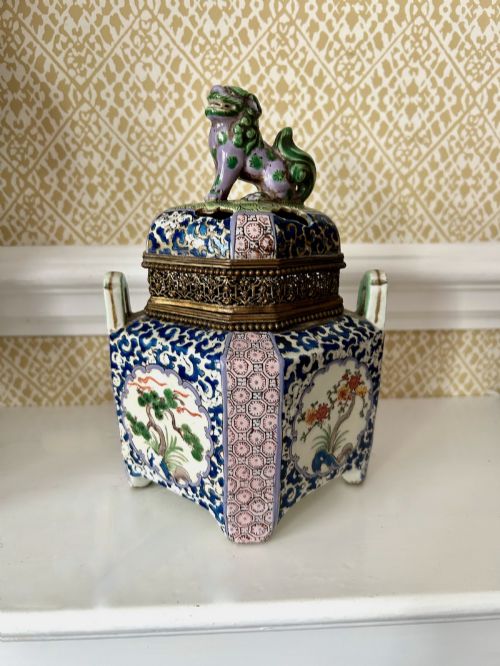
The selections on this page range from the 17th century through the 19th and early 20th centuries, reflecting diverse regional interpretations. Japanese Hirado and Kutani traditions appear alongside Chinese Qing dynasty and Ming style pieces, showing how potters across different eras reinterpreted the guardian lion motif.
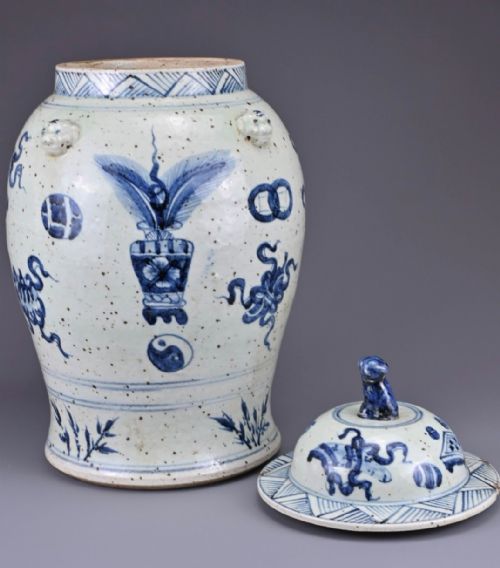
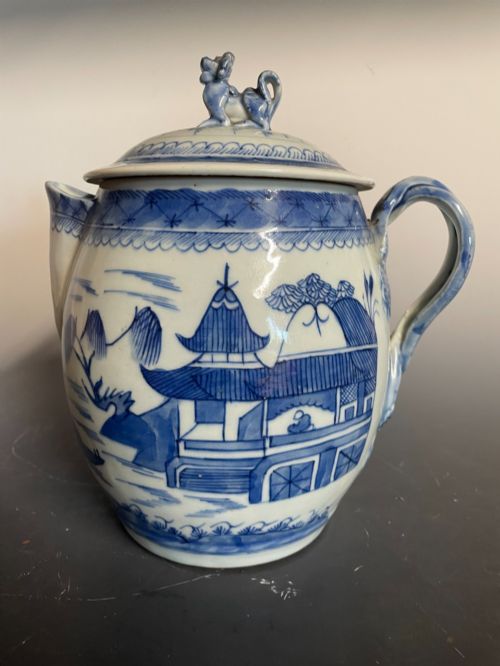
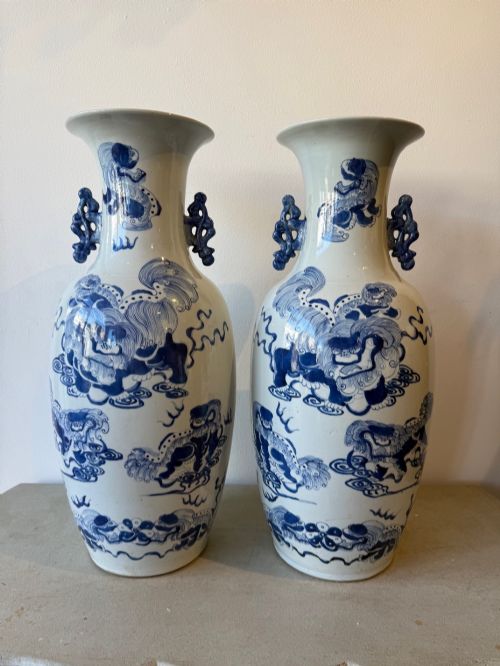
Object types vary from standalone decorative figurines to practical conversions like table lamps. Buyers also encounter related ceramic vessels, such as blue and white jars and ewers, which incorporate similar stylistic motifs or companion figures into their design.
Materials and construction
These pieces utilise hard-paste porcelain and standard ceramic bodies, shaped by hand or moulded before firing. Glazes applied to the surface include translucent white coatings, cobalt pigment underglazes, and polychrome enamel highlights in red, green, and yellow.
Firing techniques determine the density of the ceramic and the depth of the glaze. Cobalt glaze and cobalt pigment integrate into the body under high heat, whilst enamel details and occasional gold leaf accents receive secondary lower-temperature firings.
White Porcelain Foo Dogs Retail Price Guide 2026
Typical asking prices for white porcelain foo dogs among the pieces listed under this phrase on Sellingantiques today, from the lower quarter to the upper quarter. They describe what is for sale here now, not the wider market.
Listings feature porcelain, ceramic, enamel, gold leaf, and cobalt glaze across pieces spanning the 17th to the 20th century.
Markers of quality
Material consistency and glaze purity differentiate the output. Uniformity in the white porcelain body, clarity in cobalt pigment lines, and stability in the fired glaze surface indicate superior workshop standards.
The White Porcelain Foo Dogs Glossary
- Foo dog
- A traditional guardian lion figure placed at thresholds to ward off evil. These ceramic sculptures derive from Chinese temple lions.
- Blanc de Chine
- A French term for white Chinese porcelain produced primarily in Fujian province. This glaze yields a smooth, ivory-toned finish.
- Karashishi
- The Japanese term for Chinese guardian lion dogs. Japanese examples often exhibit distinct regional modelling styles.
- Doucai
- A Chinese porcelain technique combining underglaze blue outlines with overglaze enamel infill. The colours sit brightly on the white body.
- Wucai
- A ceramic decoration style translating to five colours. It relies on underglaze blue combined with iron red, green, and other enamel pigments.
White Porcelain Foo Dogs: Frequently Asked Questions
How do I identify periods?
Dating relies on stylistic markers, material composition, and painting techniques recorded across different eras. Pieces attributed to the 17th century display specific Transitional wucai palettes, whilst later 19th-century and early 20th-century works show evolving trade and domestic styles.
Consulting the specific glaze characteristics and regional attribution helps narrow the date range. Workshops in Japan and China developed distinct methods over time.
Where were they made?
The pieces originate from Chinese and Japanese kilns producing goods for domestic use and export markets. Chinese kilns produced Qing dynasty wares and Ming style pieces, whilst Japanese kilns such as Hirado and Kutani created distinct regional variants.
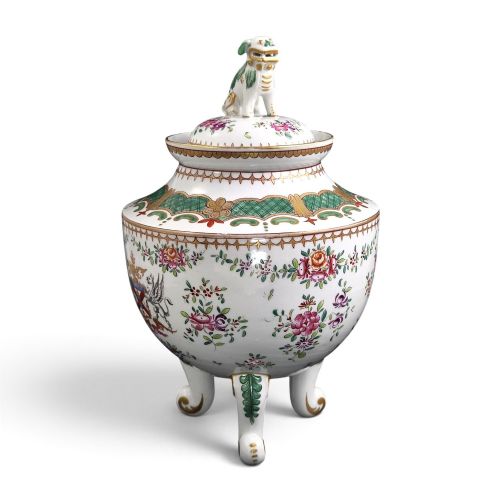
European factories also produced later interpretations, such as Samson in Paris creating armorial and Chinoiserie porcelain in the 19th century.
How do I care for porcelain?
Porcelain figures and lamps require gentle dusting with a soft, dry cloth to prevent surface accumulation. Avoid using harsh chemical cleaners or abrasive materials that might damage overglaze enamels or gold leaf accents.
Items converted into table lamps should be checked periodically by a qualified electrician to ensure the internal wiring remains safe.