



White Pearl Earrings
White pearl earrings bring together lustrous gems and precious metals across styles from the Georgian period to the mid-twentieth century.
White Pearl Earrings
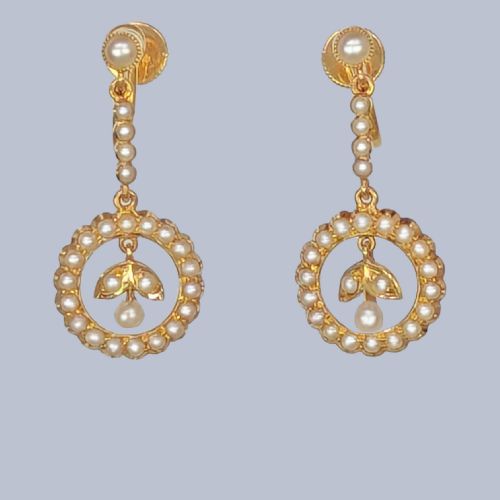
White pearl earrings span eras from Georgian and Victorian designs through Edwardian drop styles to Art Deco, Retro, and mid-century pieces. Buyers browsing white pearl earrings encounter cluster studs, screw-backs, dangle drop formations, and post-and-clip configurations.
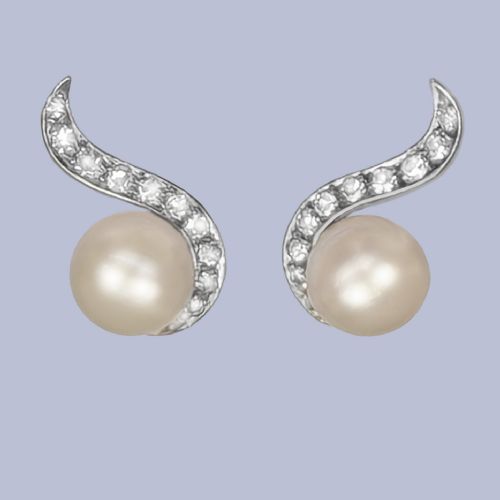
The selection ranges from delicate seed pearl formations to prominent mabe pearl clusters and diamond-set arrangements. Common settings utilise white gold in nine-carat, fourteen-carat, and eighteen-carat forms, alongside platinum and yellow gold variations.
How white pearl earrings were made
Jewellers constructed these pieces using precious metals such as platinum and varying grades of white gold to mount pearls and diamonds securely. Techniques included fine claw settings for diamonds and specialised bezels or adhesive methods for pearls.
Earring mechanics varied by period, incorporating screw-backs on Edwardian pairs, omega backs on mid-century mabe pearls, and standard post-and-clip systems on later vintage items.
White Pearl Earrings Retail Price Guide 2026
Typical asking prices for white pearl earrings among the pieces listed under this phrase on Sellingantiques today, from the lower quarter to the upper quarter. They describe what is for sale here now, not the wider market.
Current listings feature white pearl earrings set in nine-carat, fourteen-carat, and eighteen-carat white gold, alongside platinum mountings.
What varies in quality
Quality differences lie in the lustre and uniformity of the pearls, whether natural, cultured, or mabe, and the cut and clarity of accompanying diamonds. The precision of the metalwork, from delicate foliate wirework in Edwardian drops to robust structural frames in Art Deco platinum, defines the standard of execution.
The originality of the backings and fixings, such as period screw-backs or omega clips, influences the overall integrity of each surviving pair.
The White Pearl Earrings Glossary
- Seed pearl
- A very small, naturally formed or cultured pearl, often drilled and threaded into intricate Victorian and Edwardian clusters.
- Mabe pearl
- A cultured hemisphere pearl grown against the inside shell of the oyster, frequently utilised in mid-century cluster earrings.
- Screw back
- A mechanical earring fastening tightened via a threaded post and nut, common on antique non-pierced ears.
- Omega back
- A hinged clip closure shaped like the Greek letter omega, providing security for heavier earrings.
- Foliate
- Leaf-like decorative motifs carved or formed into the metal surround of antique drop earrings.
White Pearl Earrings: Frequently Asked Questions
How do I date antique pearl earrings?
Dating relies on examining the metal types, gemstone cuts, and fastening mechanisms used in the construction. Styles like Georgian drop forms and Victorian flower clusters display distinct manufacturing traits.
Looking closely at the backings, such as early screw-backs or platinum settings, helps narrow down the period of origin alongside any hallmarking.
Are these pearls natural or cultured?
The inventory includes both natural specimens certified by laboratories and cultured pearls developed through human intervention. Victorian examples more frequently contain natural pearls.
Mid-century and later pieces typically feature cultured pearls or mabe varieties grown specifically within oyster farms.
Can screw-back earrings be converted?
Conversion is technically possible for most jewellers, though many collectors prefer preserving the original antique mechanics. Altering vintage mountings can diminish the historical integrity of the piece.
It is usually advisable to wear them with their original screw-backs or consult a specialist before making structural changes.
How should I clean antique pearl earrings?
Pearls are organic gems that require gentle care, avoiding harsh chemical dips, ultrasonic cleaners, and abrasive brushes. A soft, damp cloth is sufficient for wiping away everyday dust and oils.
Store them separately from harder diamonds to prevent scratching the delicate nacre surface of the pearl.