
White Gold Engagement
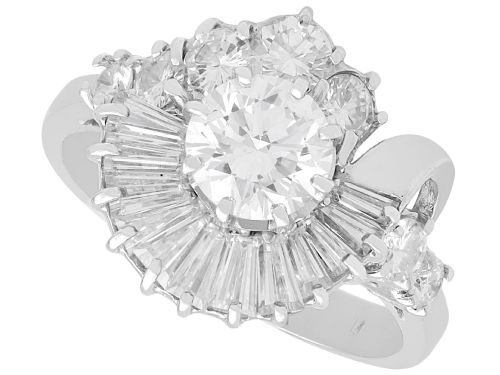
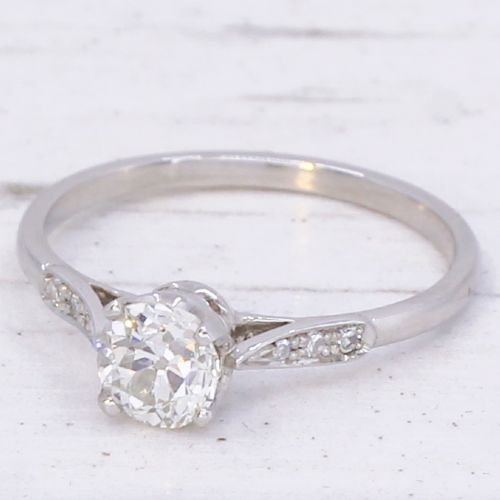
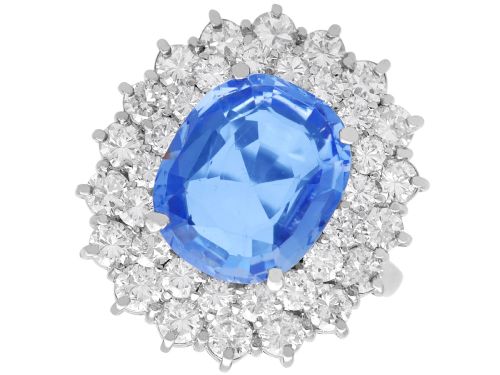
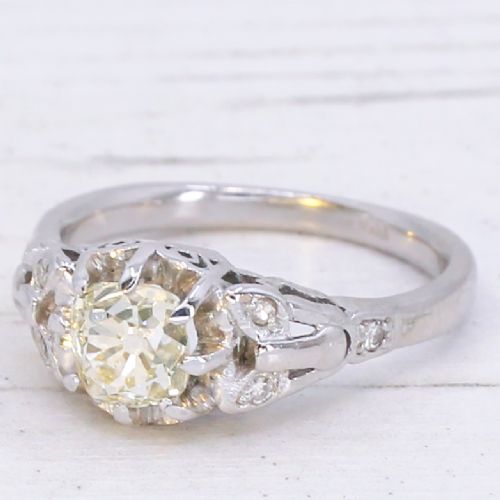
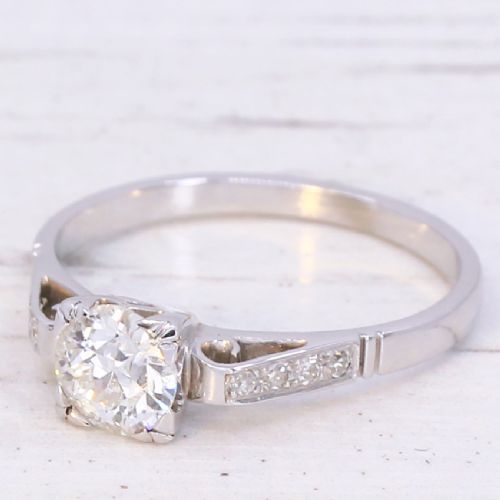
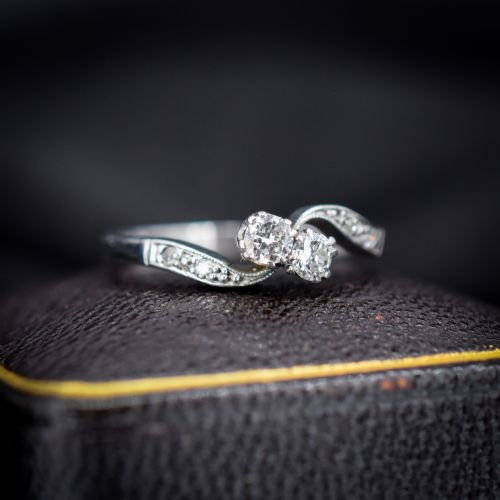
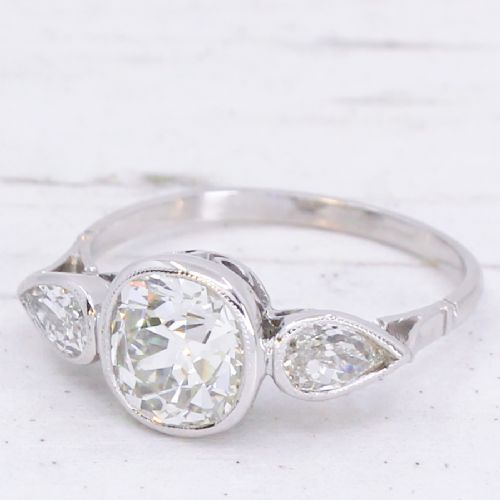
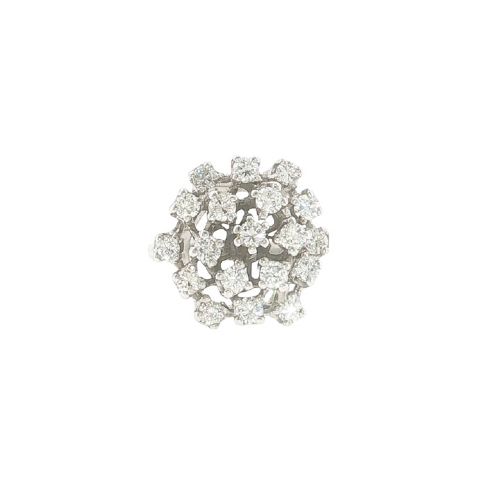
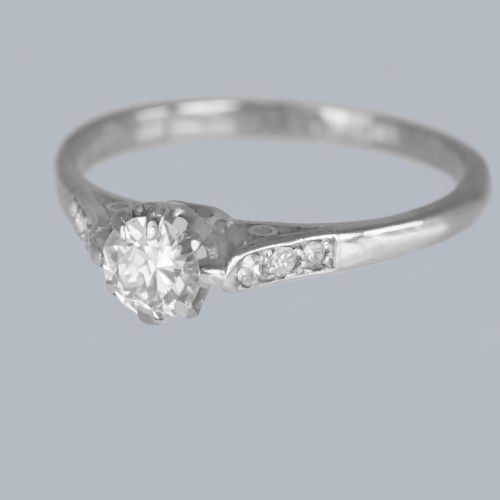
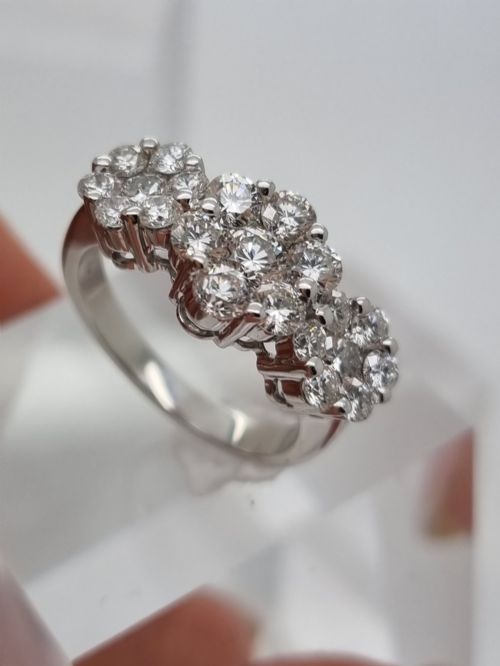
White gold engagement rings span from Edwardian designs through Art Deco clusters to mid-century solitaires.
White Gold Engagement
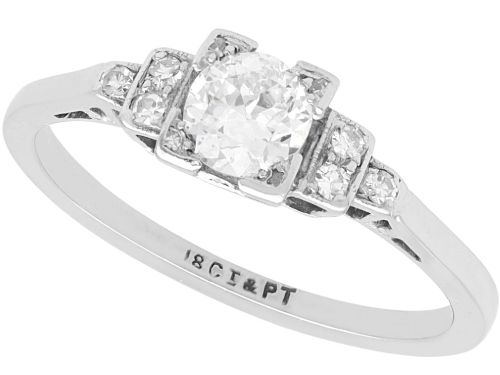
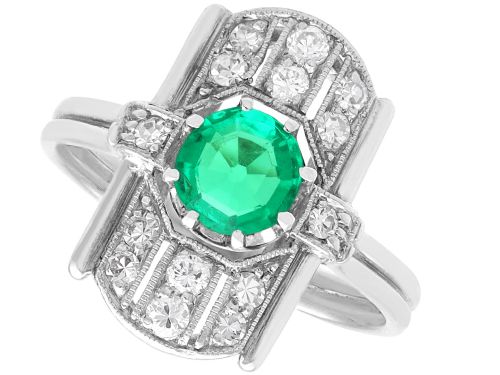
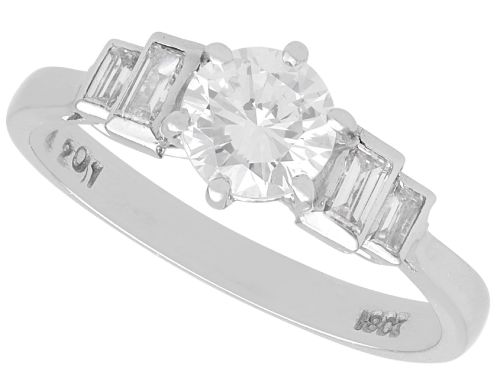
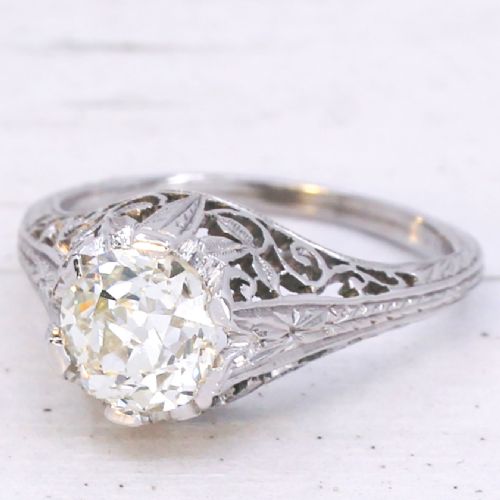
White gold engagement rings encompass a variety of historical styles, from Edwardian and Art Deco pieces to mid-century creations. Buyers searching this phrase encounter solitaire, cluster, and three-stone rings utilising durable metal alloys.
How they were made
Craftsmen utilised 18ct white gold and platinum to construct robust settings capable of securing intricate gemstone arrangements. Metalwork from the early to mid-twentieth century frequently involved hand-fabrication and detailed gallery work.
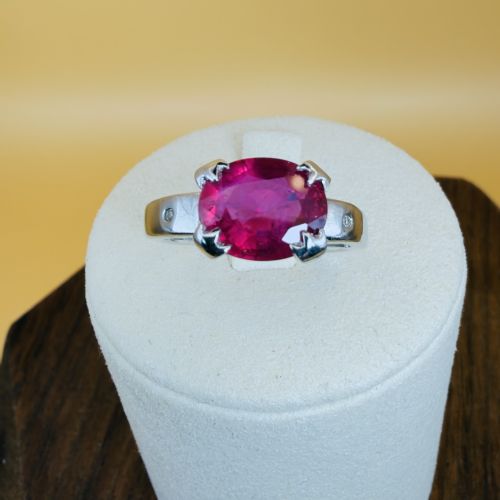
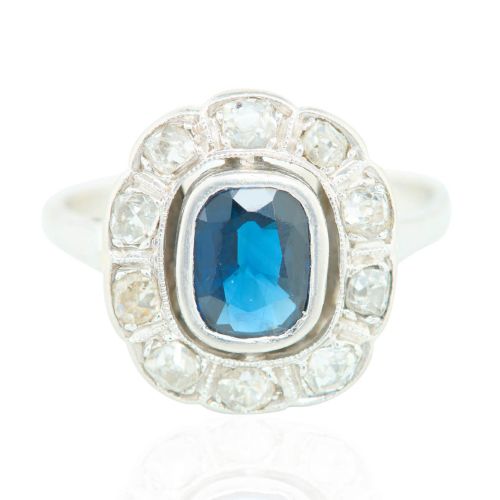
Gemstones including old cut diamonds, rubies, and sapphires were shaped by hand before being set into bezels, claw settings, or pave formations. Jewellers balanced the bright tone of white gold with the natural fire of old mine and cushion cut stones.
The selection includes Edwardian, Art Deco, and mid-century designs ranging from classic solitaires to intricate floral clusters.
What varies in quality
Quality differences relate to the uniformity of gemstone cutting and the preservation of original metalwork details. Hand-cut diamonds with distinct facets sit alongside finely matched calibre-cut side stones in higher-tier examples.
The integrity of the structural basket and the crispness of millegrain edges indicate the level of initial craftsmanship. Pieces retaining clear hallmarks and minimal metal thinning demonstrate superior longevity through decades of wear.
The White Gold Engagement Glossary
- Old Cut
- A diamond facet style cut by hand before modern machinery, typically featuring smaller tables and higher crowns. This historic cut produces a softer, warmer light reflection under candlelight.
- Cluster Ring
- A ring design featuring a central gemstone surrounded by a border of smaller stones. This arrangement maximises visual impact and combines contrasting colours like diamonds and sapphires.
- Toi Et Moi
- French for you and me, denoting a ring style with two principal stones set side by side. This configuration symbolises two lives linked together.
- Millegrain
- A decorative technique creating a border of tiny raised metal beads along the edges of a setting. This subtle detail provides a refined frame for Edwardian and Art Deco jewellery.
- Calibre Cut
- Gemstones shaped specifically to fit tightly together in geometric patterns without intervening metal. This method requires precise lapidary work often seen in Art Deco cluster rings.
White Gold Engagement: Frequently Asked Questions
How do I care for antique white gold?
Antique white gold requires gentle cleaning with warm soapy water and a soft brush to protect delicate settings. Avoid harsh chemical dips that can damage softer stones like opals or pearls.
Regular inspection by a jeweller helps ensure that older claws and mountings remain secure. Storing each ring individually prevents scratching from other metal items.
What is the difference between old cut and modern cut diamonds?
Old cut diamonds were shaped by hand to maximise sparkle under historical lighting conditions. They typically exhibit smaller tables, open culets, and thicker girdle edges compared to modern stones.
Modern brilliant cuts are standardised for maximum light return using automated machinery. Old cut stones offer a distinct historical character unique to pre-industrial lapidary work.
Are white gold rings from the early twentieth century durable?
Rings from the Edwardian and Art Deco periods utilise robust gold and platinum alloys designed for everyday use. Skilled craftsmanship ensures that stone settings remain stable after decades of wear.
Owners should still remove these rings during heavy manual tasks to prevent unnecessary wear to the metal band. Routine checks by a professional workshop maintain structural integrity.
How can I identify an Art Deco engagement ring?
Art Deco rings feature geometric motifs, symmetrical lines, and contrasting gemstone combinations such as diamonds with sapphires or onyx. The metalwork often incorporates sharp angles and stepped shoulder designs.
Makers during this era utilised platinum alongside white gold to create lightweight yet strong frameworks. Millegrain borders and calibre-cut stones further distinguish pieces from this period.