
White Gold Diamond
White gold diamond pieces bring together the cool gleam of alloyed precious metal and the enduring fire of cut stones across decades of fine jewellery making.
White Gold Diamond
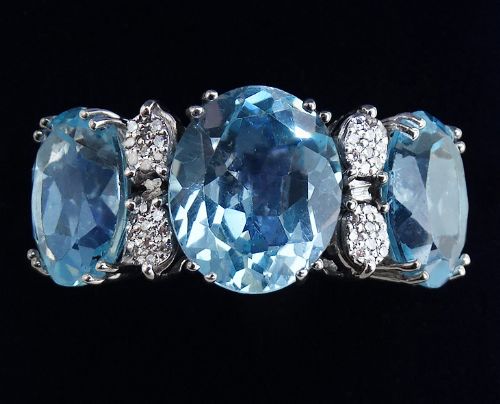
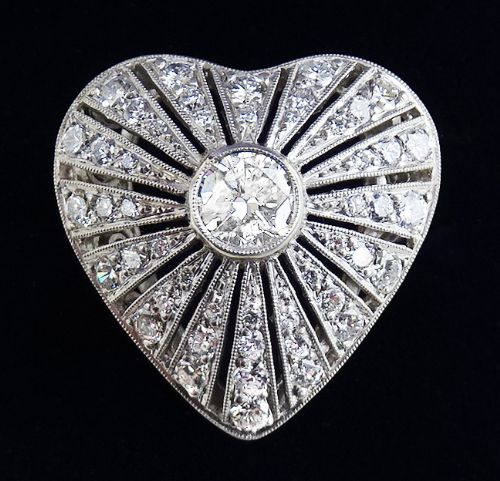
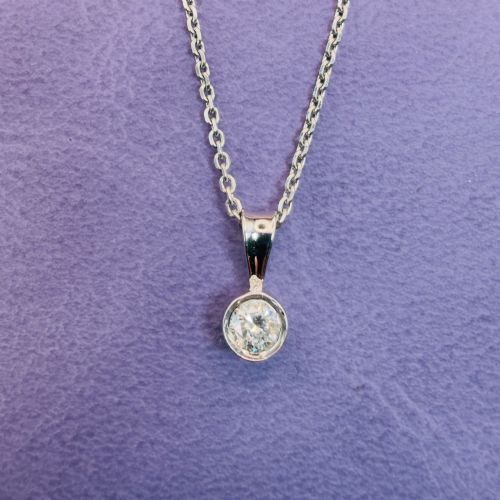
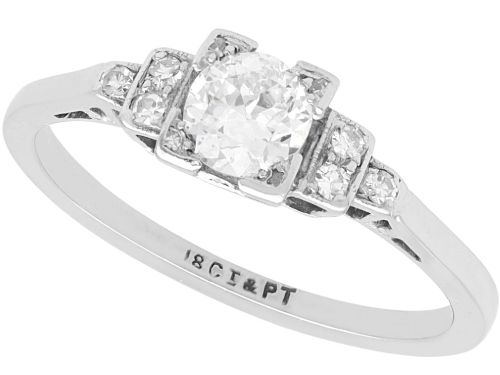
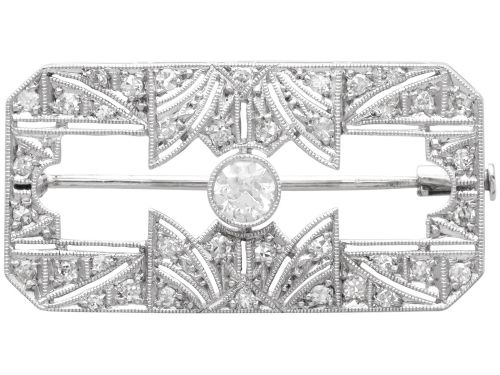
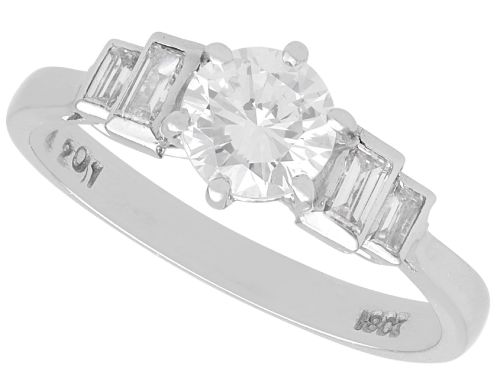
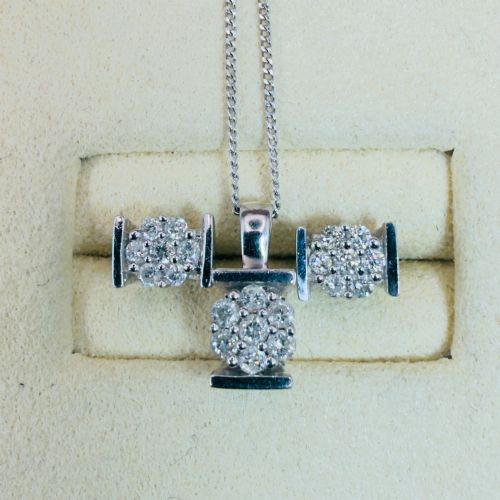
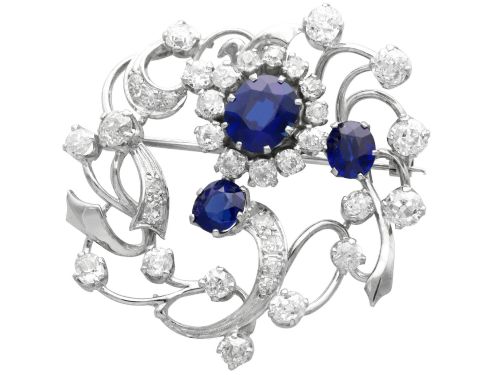
White gold diamond items encompass a diverse range of vintage and antique rings, necklaces, pendants, earrings, bracelets, and brooches. These items frequently span from the Edwardian era and Art Deco periods through to mid-century designs and later vintage works.
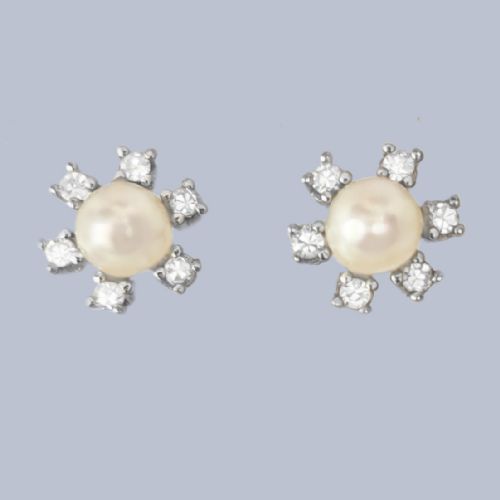
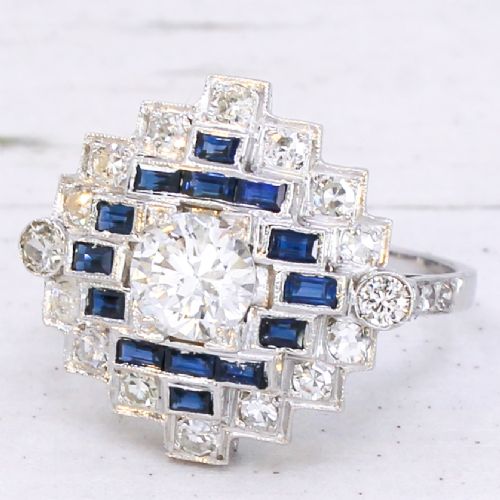
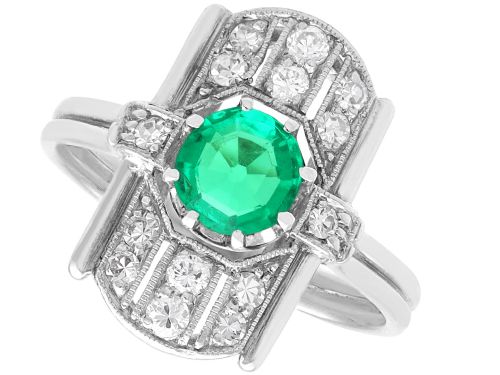
The selections on this page feature central diamonds paired with white gold settings, often enhanced by additional gemstones such as sapphires, rubies, emeralds, opals, and cultured or natural pearls.
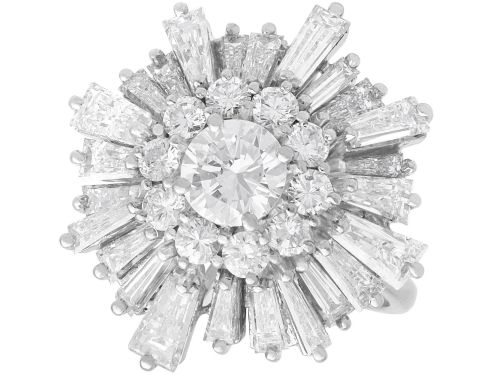
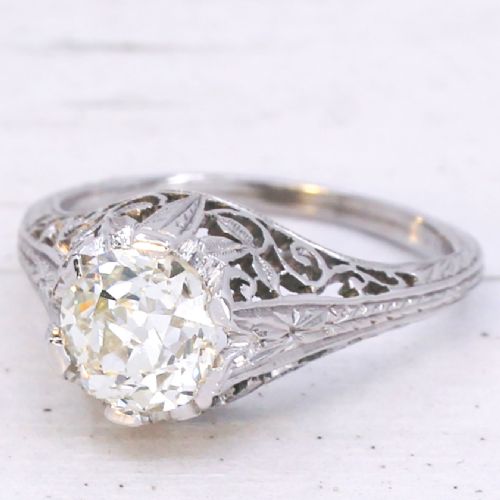
Cluster rings, solitaire engagement rings, and multi-strand pearl necklaces with diamond-set clasps represent the most common forms encountered within these listings.
How they were made
Jewellers utilised 18ct white gold, 14ct white gold, 9ct white gold, and platinum to fabricate secure metal mounts that could hold intricate arrangements of stones. Older pieces often display hand-worked settings, including millegrain edges and fine gallery wire work.
Diamonds were cut using historic techniques such as old mine cuts, old European cuts, and old cushion cuts in earlier pieces, moving towards modern brilliant cuts in mid-century and later examples.
Several rings whisper tales of twentieth-century cocktail parties through their vibrant garnet and tourmaline clusters.
What varies in quality
The overall standard depends upon the crispness of the metalwork, the symmetry of the stone settings, and the matching of secondary gems like rubies or sapphires. Superior examples maintain intact original details, such as sharp claw work and undisturbed hallmarks.
The proportion between the central diamond and any surrounding cluster stones dictates visual balance, while the clarity and colour distribution of both diamonds and coloured gems influence the piece's character.
The White Gold Diamond Glossary
- Old cut
- A diamond facet style shaped by hand before modern machinery standardised proportions, typically showing small tables and high crowns.
- Toi et Moi
- A two-stone ring design symbolising two souls intertwined, usually featuring opposing gems like a diamond and a sapphire.
- Millegrain
- A decorative technique featuring a row of tiny raised metal beads along the edge of a setting.
- Cluster ring
- A jewellery arrangement where a central stone is surrounded by a border of smaller gems to create a larger visual impact.
White Gold Diamond: Frequently Asked Questions
How do I care for white gold diamond jewellery?
Clean white gold diamond pieces gently using warm soapy water and a soft brush to remove everyday oils and debris from beneath stone settings. Avoid harsh chemical dips that can damage softer accent stones like pearls or opals.
Store items individually in fabric-lined boxes to prevent the metal mounts and diamond facets from scratching adjacent pieces.
What distinguishes Art Deco white gold diamond pieces?
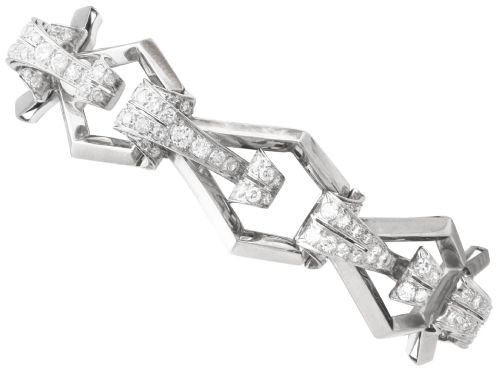
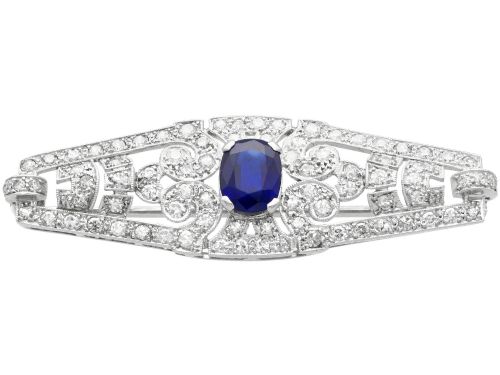
Art Deco pieces typically feature geometric motifs, symmetric layouts, and strong linear patterns executed in white gold or platinum. These designs embrace high contrast, often pairing bright diamonds with calibration-cut rubies or sapphires.
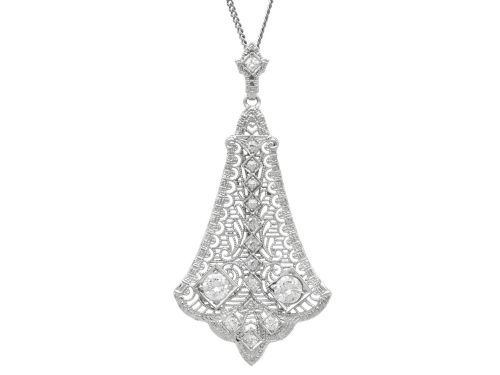
Settings from this period frequently utilise millegrain decoration and openwork filigree to maximise the play of light through the stones.
How can I tell the era of a ring?
Examining the cutting style of the diamonds alongside the construction of the metal gallery helps indicate the period of manufacture. Hand-cut stones and specific shank profiles often point towards Edwardian or Art Deco origins.
Official hallmarks and maker's marks stamped inside the band provide definitive clues regarding the assay office and year of testing.
Are pearls in vintage necklaces secure?
Many vintage pearl strands are listed as recently restrung, which indicates that the original silk thread has been replaced for modern security. Regular checking of the knots between each pearl ensures the strand remains safe during wear.
Clasps set with white gold and diamonds require occasional inspection to confirm the box catch or safety latch functions correctly.