

White Gold Cluster
White gold cluster jewellery brings together bright precious metals and central gems surrounded by smaller stones for a striking silhouette.
White Gold Cluster
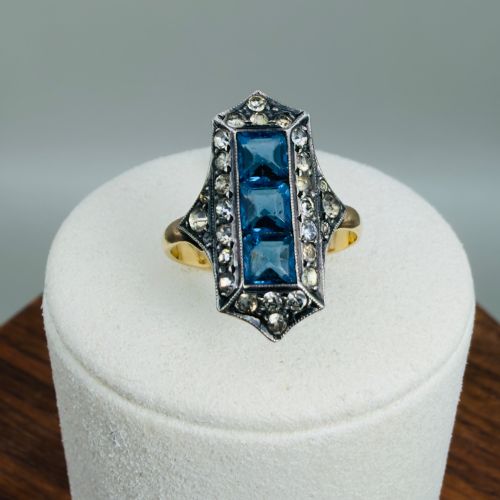
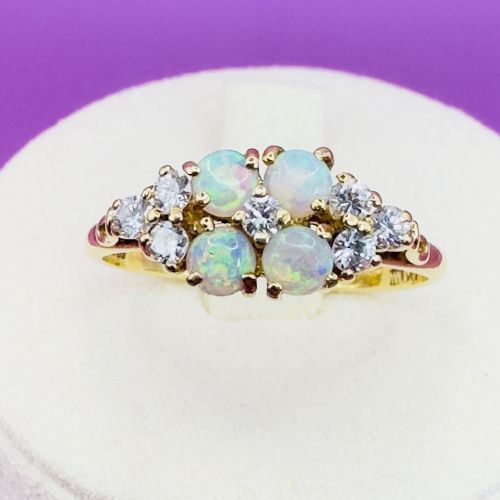
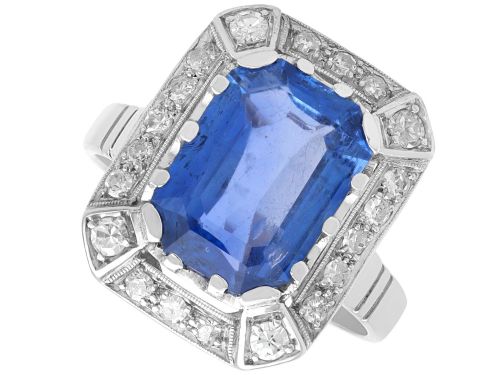
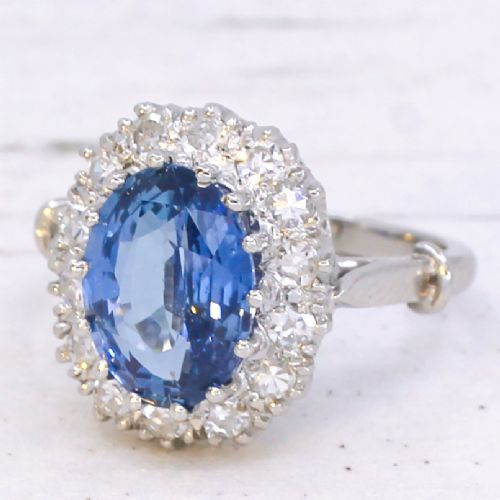
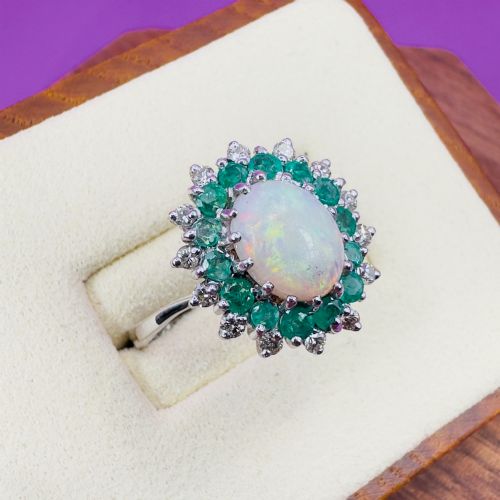
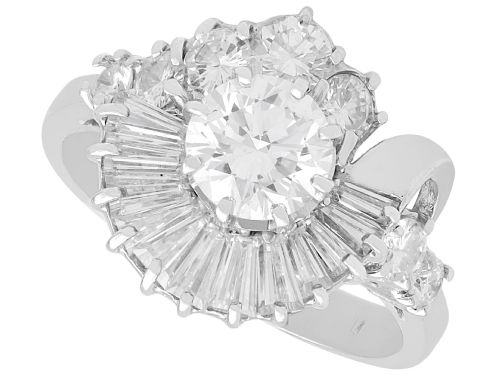
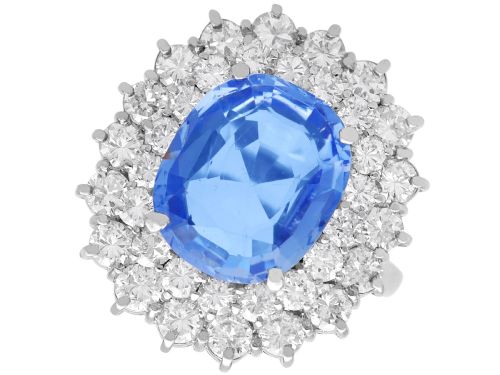
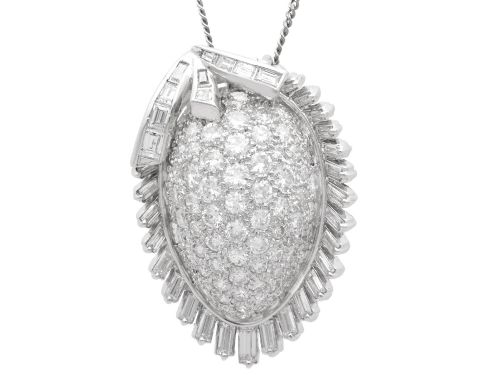
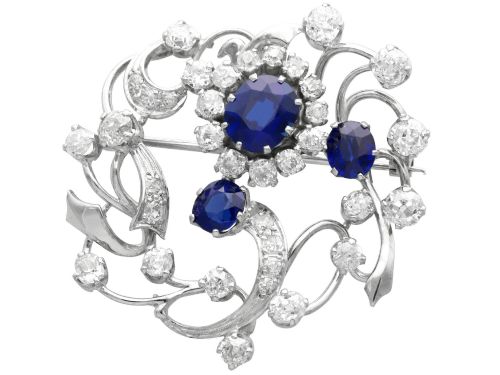
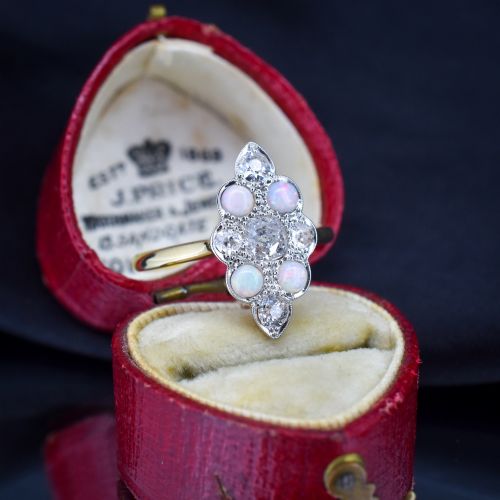
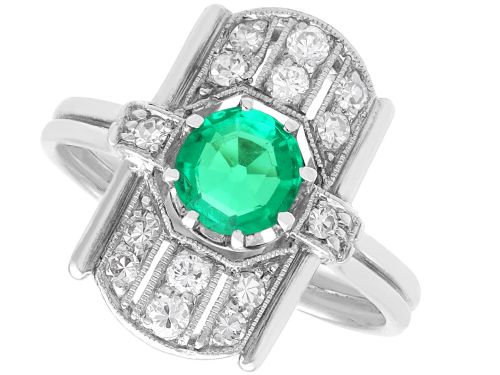
When searching for white gold cluster, a buyer examines items formed of a central gemstone encircled by smaller accent stones, most commonly diamonds framing a coloured centre. These pieces span rings, earrings, pendants and brooches originating from the Edwardian era through to the mid-twentieth century and later.
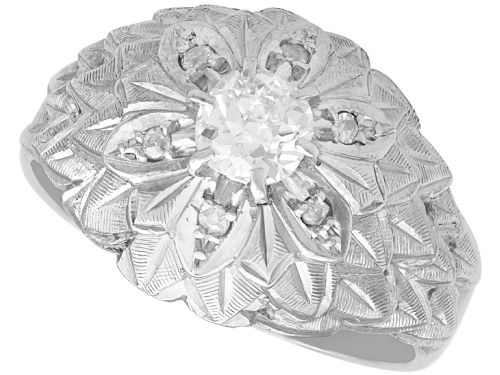
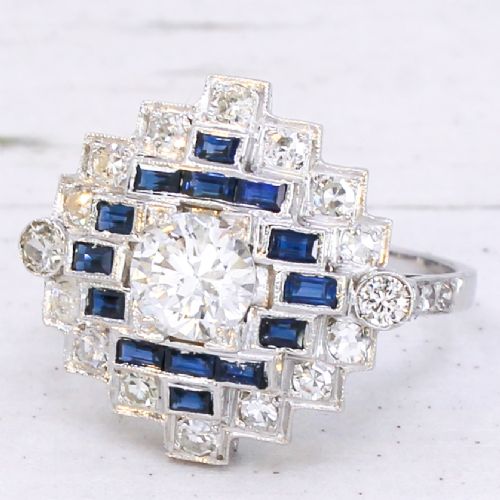
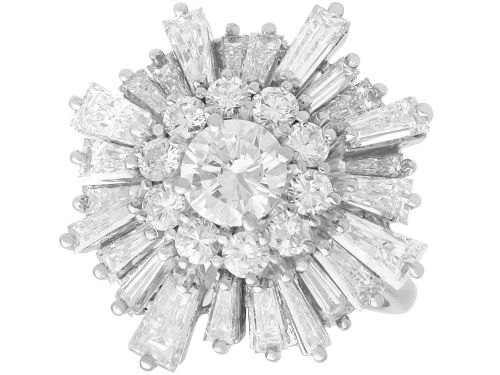
The ring format dominates the selection, featuring geometric Art Deco designs alongside organic mid-century shapes and delicate Edwardian navette settings. Each piece utilises white gold or platinum to provide a neutral, bright backdrop that enhances the sparkle of the mounted diamonds and gemstones.
How they were made
Maker construction relies heavily on 18ct white gold, 14ct white gold and platinum to securely mount a diverse array of precious and semi-precious stones. Metals such as platinum and white gold became favoured for their strength in holding intricate claw and bezel settings without distracting from the stones.
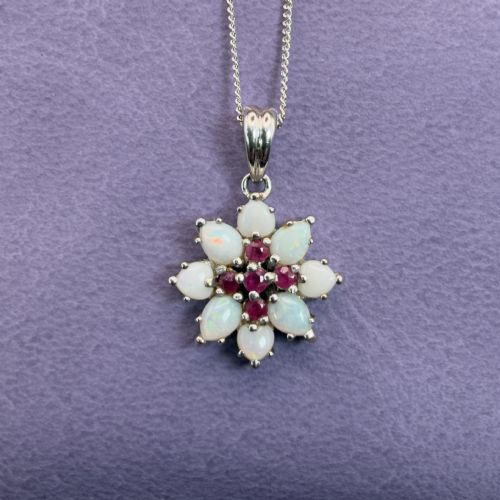
Stones including diamonds, sapphires, rubies, opals and emeralds are shaped into old cuts, brilliant cuts, navette profiles and cabochons. Goldsmiths combined these central gems with concentric rings of smaller diamonds or white paste stones, often incorporating millegrain edges and openwork galleries.
White Gold Cluster Retail Price Guide 2026
Typical asking prices for white gold cluster among the pieces listed under this phrase on Sellingantiques today, from the lower quarter to the upper quarter. They describe what is for sale here now, not the wider market.
A sparkling cluster brooch from 1910 brings unexpected brilliance to a modern lapel.
What varies in quality
Quality differences emerge in the selection and matching of the central gemstone and its surrounding border stones. Superior items demonstrate careful grading for colour and clarity in the diamonds, alongside rich, uniform saturation in sapphire, ruby or emerald centerpieces.
Construction standards also distinguish the work, visible in the precision of the claw settings, the crispness of millegrain decoration and the structural integrity of the gallery. Pieces retaining original fitted presentation cases or official laboratory certifications often indicate higher preservation of provenance.
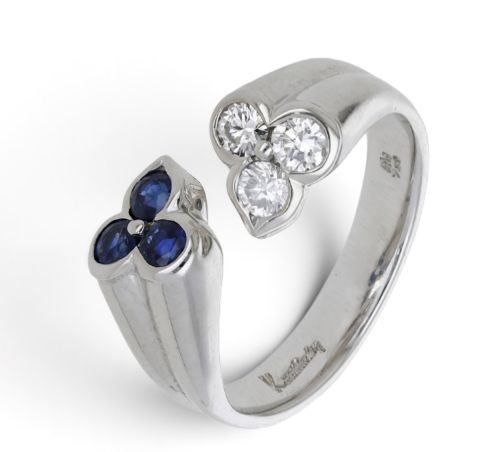
Kutchinsky
The White Gold Cluster Glossary
- Navette
- A boat-shaped gemstone setting that tapers to sharp points at either end. This elongated silhouette gained popularity during the Edwardian period.
- Millegrain
- A decorative technique featuring a row of tiny raised metal beads along the edge of a setting. It adds a refined, textured border to platinum and white gold mounts.
- Cabochon
- A gemstone shaped and polished with a smooth, rounded top rather than faceted edges. Opals and certain sapphires frequently utilise this cut.
- Old cut
- A diamond facet style popular before modern brilliant cutting standards were established. These stones typically feature smaller tables and larger culets.
- Cocktail ring
- A large, statement ring designed to draw attention during evening social events. These pieces often incorporate substantial central gemstones and dense diamond clusters.
White Gold Cluster: Frequently Asked Questions
How do I date a cluster piece?
Dating relies on examining the mounting style, cut of the stones, and any visible hallmarks stamped inside the band. Edwardian examples often feature delicate platinum work and navette shapes, while 1950s and 1960s items lean toward bolder cocktail proportions.
Assay office marks and maker signatures further clarify the exact period of manufacture. Comparing the gemstone cuts to historical standards helps confirm the timeline.
Are these pieces suitable for daily wear?
Most cluster items are sturdy enough for regular use, provided the settings are checked periodically by a professional jeweller. Diamond and sapphire combinations offer robust durability for everyday rings and earrings.
Softer stones like opals require greater care to avoid impacts and scratches. Removing rings during manual tasks preserves the integrity of the smaller surrounding claws.
What stones are used besides diamonds?
Sapphires, rubies, emeralds and opals frequently serve as the central focus in these cluster arrangements. Aquamarines, green amethysts and citrines also appear within mid-century and later designs.
Diamonds almost universally form the surrounding border or accent stones. This contrast highlights the distinct colour of the central gem.