



White Glass Globe
A white glass globe brings a soft, diffused light to a room, drawing the eye with its simple and practical form.
White Glass Globe
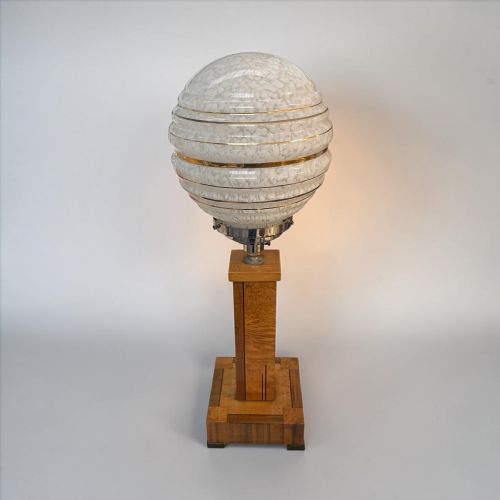
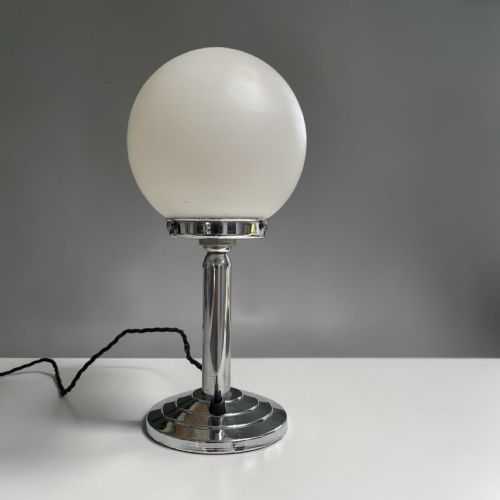
When you search for a white glass globe, you encounter lighting and shades spanning from the Victorian era through the Art Deco period and mid-century modern designs. These pieces take the form of ceiling lights, pendant lights, table lamps, and individual lamp shades.
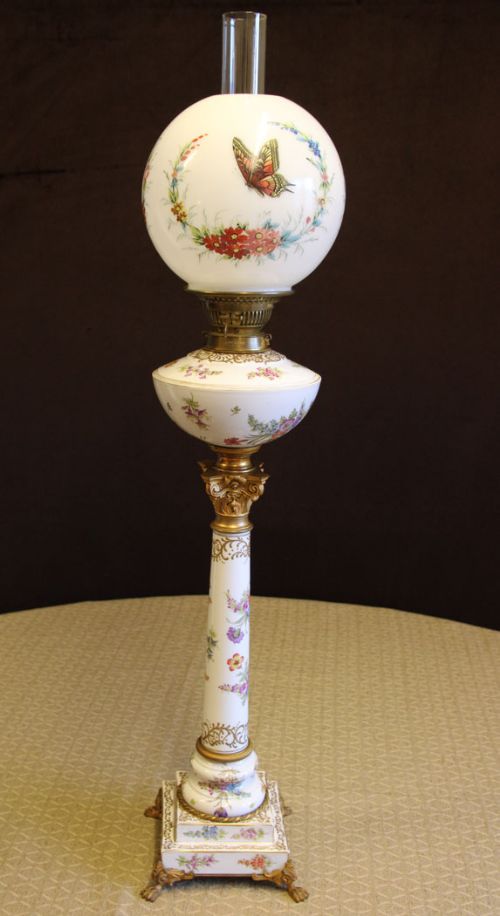
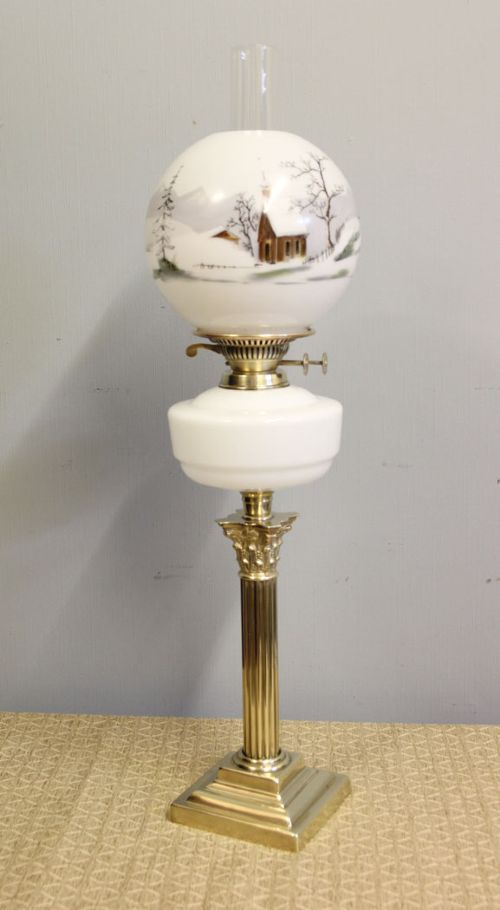
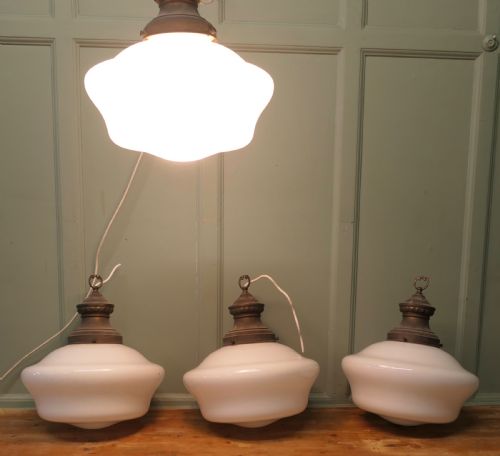
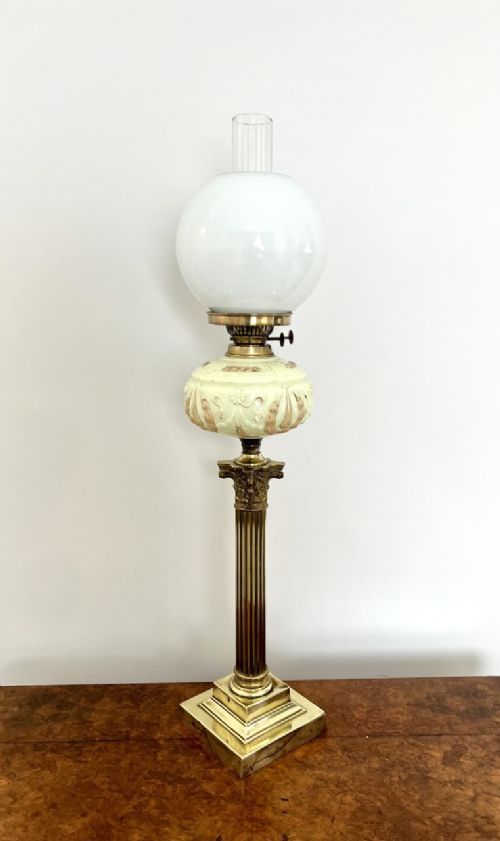
The most common examples you meet on this page are opaline and milk glass shades paired with brass or chrome fittings, alongside oil lamps and converted lamps from the late nineteenth and early twentieth centuries. Industrial ceiling lights and chapel lights also appear, showing how versatile this simple spherical form has been across different decades.
How they were made
The materials recorded in these listings rely primarily on glass, brass, and chrome. Glassmakers utilised techniques to achieve opacity, resulting in opaline, milk, and moonstone glass that softens and scatters the light evenly without glare.
Metal components in brass and chrome provide structural support, often paired with marble bases or ceramic elements like porcelain. The construction balances functional durability with decorative appeal, uniting heavy metal mountings with blown or moulded glass globes.
White Glass Globe Retail Price Guide 2026
Typical asking prices for white glass globe among the pieces listed under this phrase on Sellingantiques today, from the lower quarter to the upper quarter. They describe what is for sale here now, not the wider market.
A jovial Pierrot playing the accordion stands frozen in spelter, sharing shelf space with industrial ceiling lights and delicate night lamps.
What varies in quality
Quality in these lighting pieces rests upon the weight and finish of the materials, separating robust commercial items from finer decorative examples. Heavier brass mountings, crisp moulding in the glass, and original matching metal rings or galleries elevate a piece above standard utility items.
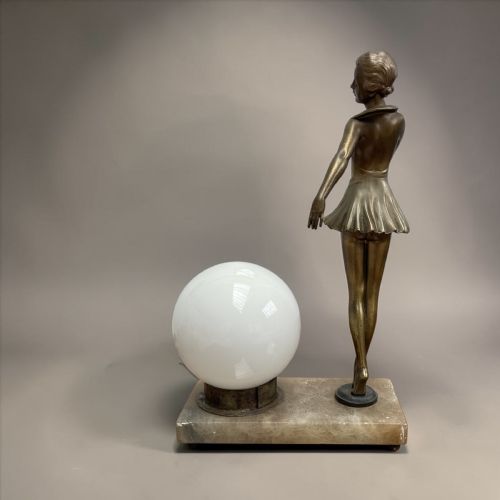
The sophistication of the design also marks the difference across the range, from simple functional shades to etched crystal and figural bases incorporating spelter or marble. Consistency in the opacity of the glass and the integrity of the period fittings distinguish the better specimens.
The White Glass Globe Glossary
- Opaline glass
- A type of semi-translucent glass that is milky white or tinted in pastel shades, frequently used for nineteenth and early twentieth-century lighting.
- Milk glass
- An opaque or translucent white glass that can be blown or pressed into a wide variety of shapes and decorative objects.
- Pendant light
- A light fixture that hangs from the ceiling by a cord, chain, or metal rod, often utilising a single globe shade.
- Spelter
- An alloy of zinc and other metals often used as a cheaper substitute for bronze, frequently painted to resemble metal or bronze in decorative figures.
- Corinthian column
- An architectural style of column characterised by ornate capitals decorated with acanthus leaves, often adapted into the bases of nineteenth-century oil lamps.
White Glass Globe: Frequently Asked Questions
How do I clean a glass globe?
Wash the glass gently in warm soapy water using a soft cloth to avoid scratching the surface. Dry it thoroughly before refitting it to any metal hardware.
Take care with antique fittings and electrical components, ensuring no moisture enters the lamp holders or wiring during cleaning.
Can these old lamps take modern bulbs?
Many converted lamps and ceiling lights accept standard modern LED or incandescent bulbs, provided the wattage matches the capacity of the original wiring. It is sensible to have older electrical fittings checked by a qualified electrician before use.
Oil lamps that retain their original burners generally require conversion or safe display without active burning to prevent damage to fragile glass and brass.
How do I date a glass globe?
Dating relies on examining the manufacturing techniques, such as mould seams, the composition of the glass, and the style of the metal collar or gallery. Victorian and Edwardian pieces often feature heavier brass components and hand-finished glass.
Art Deco and later twentieth-century items introduce chrome, geometric etching, and streamlined forms that reflect the design shifts of the 1920s and 1930s.
Are brass parts supposed to be polished?
Most collectors prefer to leave brass with its natural aged patina, which develops over decades and shows the true age of the piece. Excessive polishing can remove fine surface detail and reduce the historical character of the metal.
Gentle dusting is usually sufficient to maintain the appearance of nineteenth and early twentieth-century metalwork without stripping its finish.