




White Ceramic Lamp Shades
White ceramic lamp shades and converted vase lamps bring light through porcelain, earthenware and blue and white glaze.
White Ceramic Lamp Shades
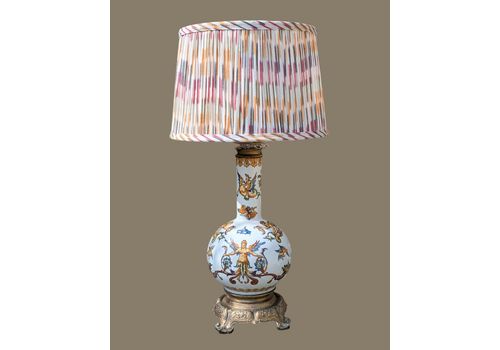
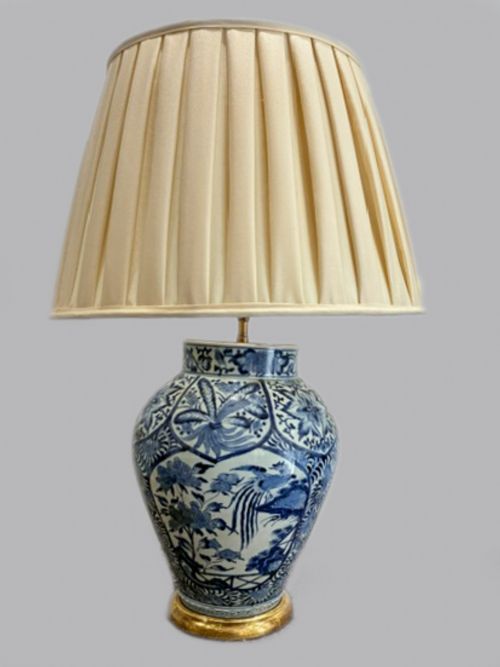
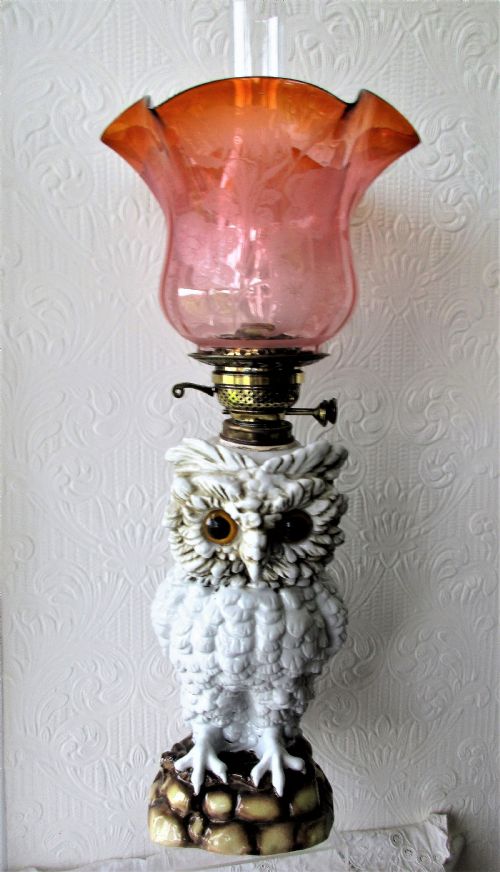
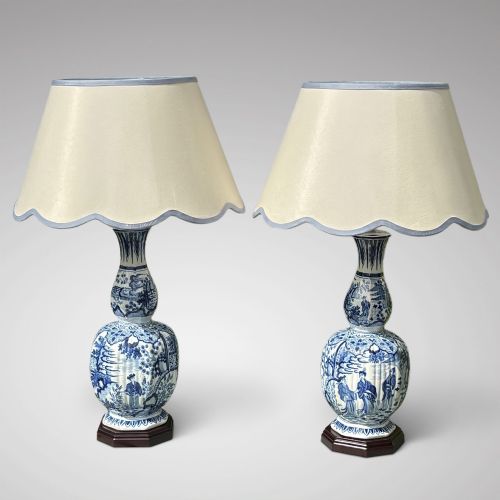
White ceramic lamp shades typically appear here as converted vessels rather than standalone shades, utilising centuries-old porcelain, earthenware and pottery bodies. Buyers searching for white ceramic lamp shades encounter table lamps and oil lamps formed from Chinese, Japanese, German and French ceramics.
The selections span periods from the 17th century through the Victorian era and the 19th century up to Art Deco pieces from 1920. Many examples adapt ginger jars, vases and handle urns into lighting fixtures, occasionally paired with handmade shades.
Origin points range widely from Chinese export wares and Japanese Arita porcelain to European manufactories like Sitzendorf and Paris porcelain. These pieces combine historic ceramic bodies with brass, glass, gilt and ormolu mounts to serve modern lighting needs.
Materials and construction
The primary bodies utilise porcelain, earthenware and ceramic, often finished with underglaze blue and white painting, crackleware effects or polychrome famille rose enamels. Makers frequently mounted these ceramic vessels onto brass, black glass or gilt bases to provide stability.
Conversion from vases and ginger jars involved drilling the ceramic body to run electrical wiring, or adapting historic oil lamps with brass burners. Selected pieces incorporate handmade fabric or silk shades mounted above the ceramic base.
White Ceramic Lamp Shades Retail Price Guide 2026
Typical asking prices for white ceramic lamp shades among the pieces listed under this phrase on Sellingantiques today, from the lower quarter to the upper quarter. They describe what is for sale here now, not the wider market.
Listings feature porcelain, earthenware, brass, glass and silk across periods spanning the 17th century to Art Deco.
Evaluating quality and execution
Quality rests upon the fineness of the ceramic potting, the crispness of the hand-painted blue and white or famille rose decoration, and the integrity of the original glaze. Early Japanese Arita and Chinese export pieces show superior potting weight and pigment depth compared to later commercial adaptations.
The calibre of the mounting work defines the secondary tier of quality, distinguishing pieces fitted with finely cast ormolu or heavy brass from those with simpler hardware. Well-executed conversions preserve the visual balance of the ceramic vessel without compromising the historic body.
The White Ceramic Lamp Shades Glossary
- Porcelain
- A hard, white, translucent ceramic fired at high temperatures. It forms the primary body for most Chinese export vases and European table lamps listed here.
- Crackleware
- A ceramic glaze characterised by a network of fine cracks intentionally created during the cooling process. This finish appears frequently on 19th century Chinese vases.
- Famille Rose
- A palette of opaque enamels dominated by pink or rose colours, introduced in Chinese ceramics during the Qing dynasty. Pieces with this decoration span several 19th century listings.
- Ormolu
- Gilded bronze used for decorative mounts and bases. It provides ornamental weight and contrast to porcelain vessels.
White Ceramic Lamp Shades: Frequently Asked Questions
Are these lamps converted vases?
Many listings feature historic ceramic vases, ginger jars and vessels that have been adapted into table lamps. These pieces retain their original ceramic bodies while incorporating electrical fittings.
Other examples originate as period oil lamps made from porcelain and earthenware, preserving their original burner mechanisms and glass components alongside later wiring.
How do I identify Chinese export porcelain?
Chinese export pieces often display cobalt blue and white decoration, prunus blossom motifs or famille rose enamels on dense porcelain bodies. Their potting style reflects traditional kiln techniques from the 18th and 19th centuries.
Examining the glaze texture, foot ring finish and painting brushwork helps distinguish genuine historic export porcelain from later revival styles.
What periods do these lamps date from?
The selection includes items spanning from the late 17th century through the Victorian period, the 19th century, and into 1920 Art Deco designs. Japanese and Chinese pieces frequently date from the Edo period or 19th century production runs.
European porcelain lamps largely represent 19th-century German, French and English manufactories replicating or adapting Asian aesthetic styles.
How do I care for ceramic lamp bases?
Dust ceramic lamp bodies gently with a soft, dry cloth to prevent accumulation on textured glazes or crackleware surfaces. Avoid abrasive cleaners that might damage hand-painted overglaze enamels or gilt mounts.
Check the electrical wiring periodically and ensure that handmade shades are securely balanced on their brass or gilt frames.