




Welsh Stick Back
These welsh stick back chairs are regional vernacular seating made for comfort and utility, built by country joiners using local timbers.
Welsh Stick Back
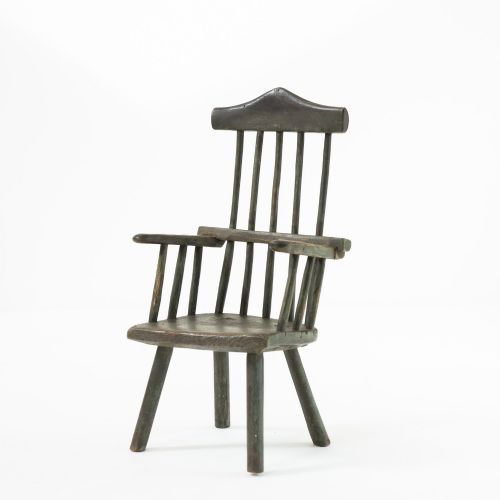
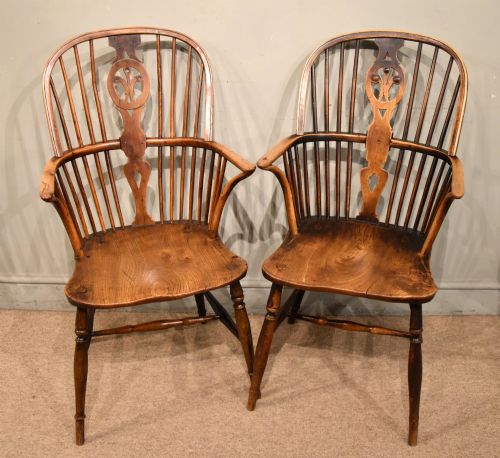
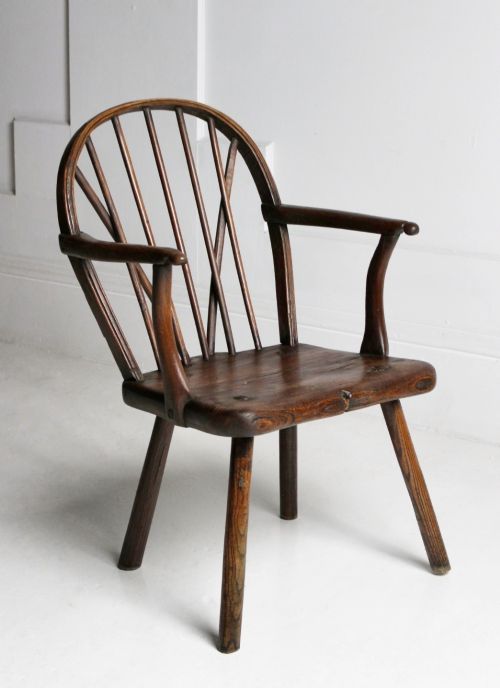
When you search for welsh stick back, you are looking at country Windsor and stick-built seating originating from rural Wales during the eighteenth and nineteenth centuries. These pieces encompass regional forms such as high-back armchairs, comb-backs, and low-back variants designed for domestic use in farmhouses and cottages.
The version you are most likely to meet on this page is the eighteenth century elm and ash vernacular armchair, often exhibiting a primitive construction with turned legs and steam-bent spindles. Childrens armchairs and painted hoop-back examples also appear, representing the smaller scale of domestic country furniture.
How they were made
Maker-joiners utilised local woods available in the Welsh countryside, pairing elm seats with ash spindles and occasionally burr elm or oak for decorative figure and structural strength. Yew and hardwood also feature in the construction of these country seats, relying on the natural properties of unseasoned timber.
Green woodworking techniques formed the basis of manufacture, where cleft and turned components were driven into solid plank seats using wedged tenons. Paint finishes were frequently applied to protect the softer timbers or unify mismatched woods within a single chair.
Welsh Stick Back Retail Price Guide 2026
Typical asking prices for welsh stick back among the pieces listed under this phrase on Sellingantiques today, from the lower quarter to the upper quarter. They describe what is for sale here now, not the wider market.
The listings on this site span the eighteenth and nineteenth centuries, featuring regional Welsh forms constructed from ash, elm, oak, and yew.
What varies in quality
The success of a piece rests on the harmony of its proportions and the confidence of the turning on the legs and arm supports. Strong, tapering spindles and a well-sculpted elm seat distinguish the finer examples from heavier, clumsier vernacular builds.
The character of the timber surface dictates visual depth, where retained early paint or rich patination on burr elm elevates a chair beyond plain utilitarian manufacture.
The Welsh Stick Back Glossary
- Stick back
- A chair construction method where spindles are tenoned directly into the seat rather than fitted into a bentwood bow. This method is characteristic of British vernacular seating.
- Comb back
- A Windsor chair variation where the top of the stick back rises above a horizontal arm-rail, resembling the teeth of a comb. This form often includes sculpted ear pieces.
- Vernacular
- Objects made by regional artisans using local materials and traditional methods without formal academic design. These pieces reflect the practical needs of their immediate locality.
- Elm
- A durable hardwood with an interlocking grain that resists splitting, traditionally chosen for chair seats because it accommodates the wedged legs without cracking.
Welsh Stick Back: Frequently Asked Questions
What is a welsh stick back chair?
A welsh stick back is a regional wooden armchair featuring a solid timber seat with turned legs and upright spindles supporting the back. These chairs emerged from rural workshops across Wales.
They rely on traditional green woodworking techniques, combining different local timbers like elm, ash, and oak to create sturdy seating for everyday domestic life.
How do I date an 18th century chair?
Dating these chairs depends on observing construction methods, tool marks, and timber characteristics. Eighteenth-century examples often display hand-turned components and pegged joints.
Changes in crest rail shape and regional variations also help place a chair within the Georgian period, though country makers frequently repeated traditional forms for decades.
Were these chairs painted originally?
Many country chairs received coats of paint to protect softer woods or to cover repairs and mixed timbers. Surviving early paint layers add significant character.
Owners frequently repainted utilitarian furniture over generations, resulting in layered surfaces that collectors value for their historical depth.
How do I live with country furniture?
Living with these chairs involves placing them away from direct heat sources and sudden temperature changes that dry out old timber. Their robust forms suit modern interiors.
Routine maintenance requires only occasional waxing to nourish the dry wood and preserve the surface patination built up over centuries of use.