



Weights and Pendulum Clock
Weights and pendulum clock pieces bring mechanical movement and history into a room, spanning longcases and wall-mounted regulators.
Weights and Pendulum Clock
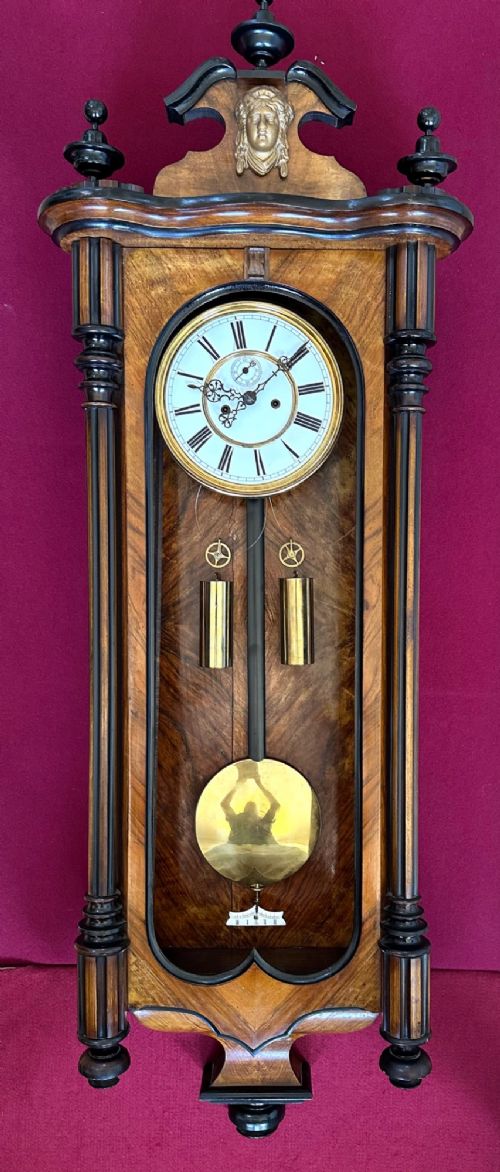
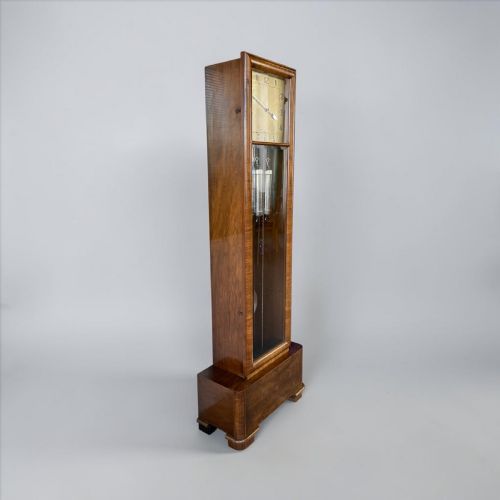
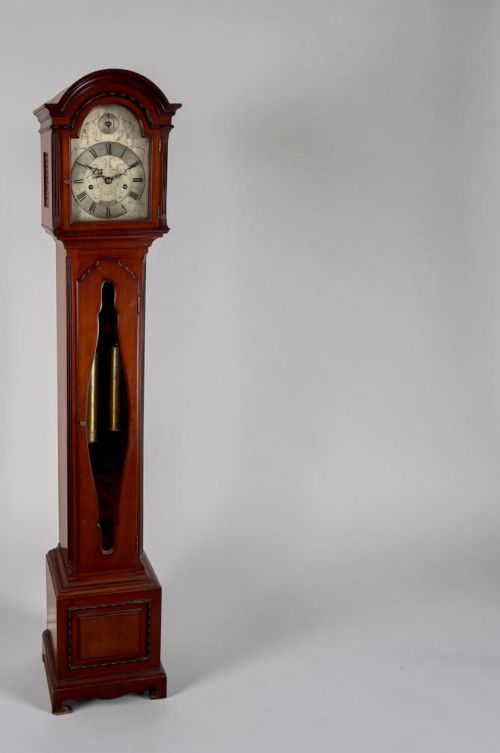
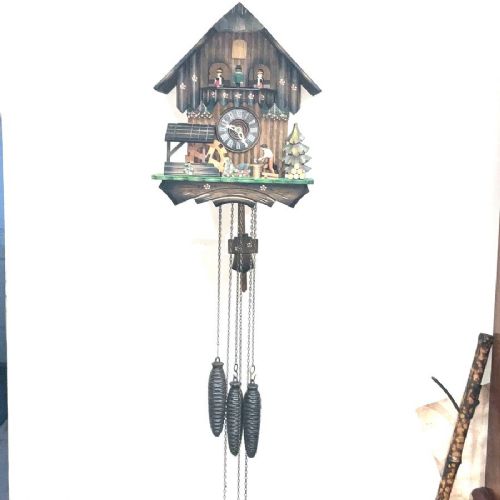
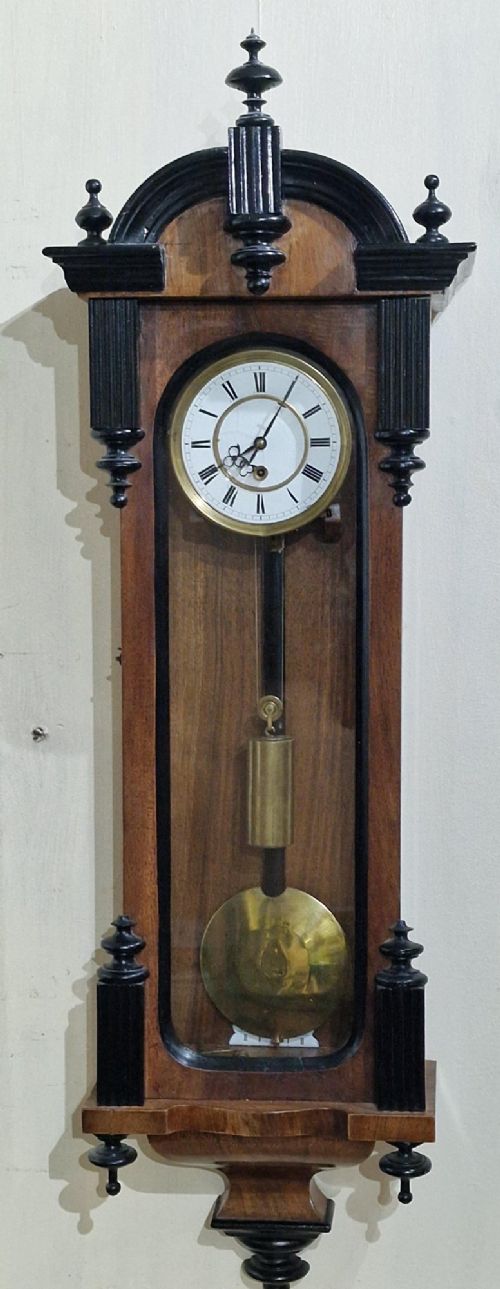
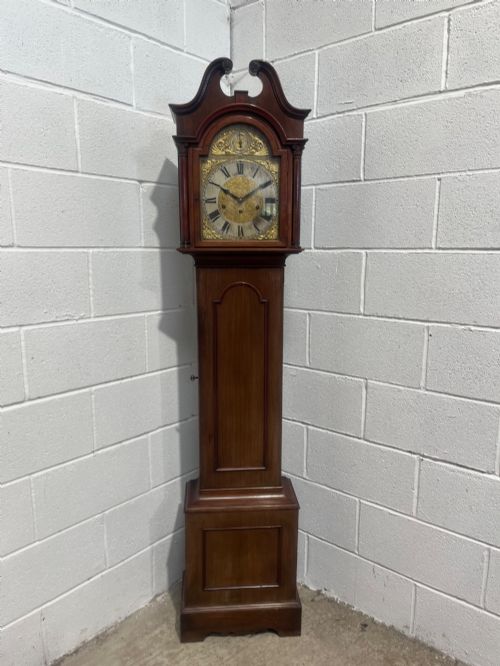
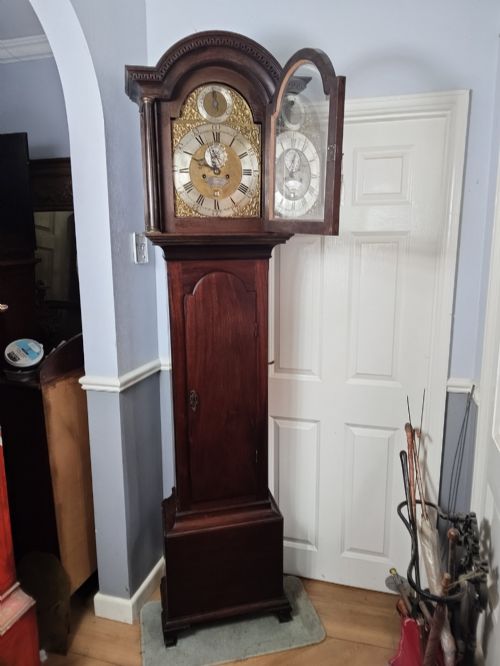
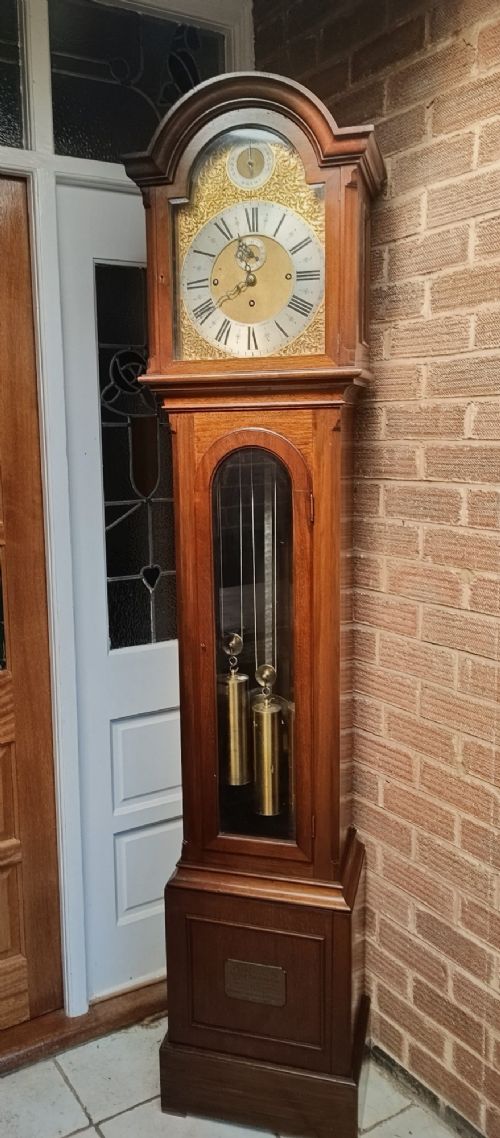
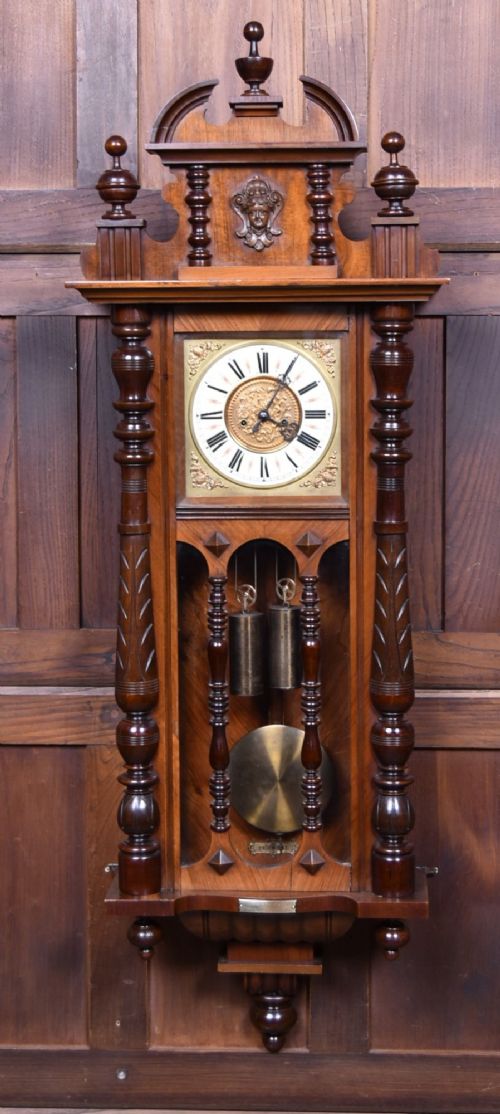
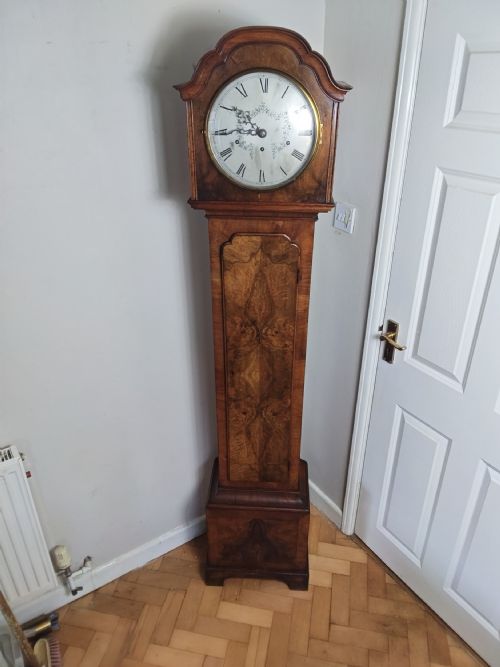
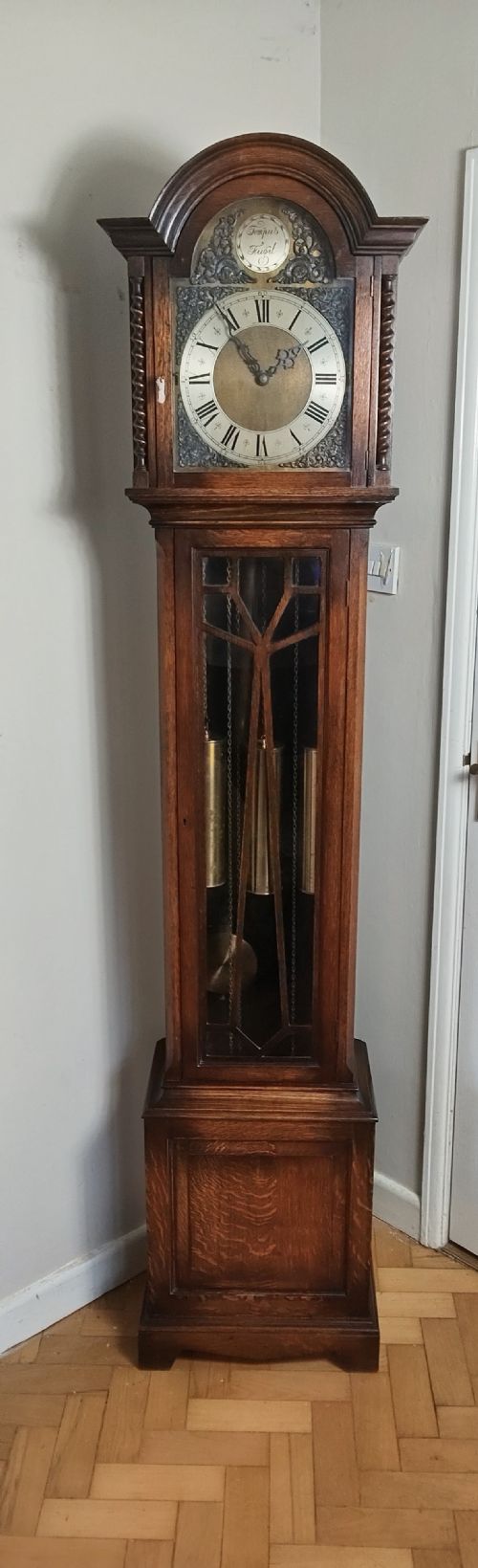
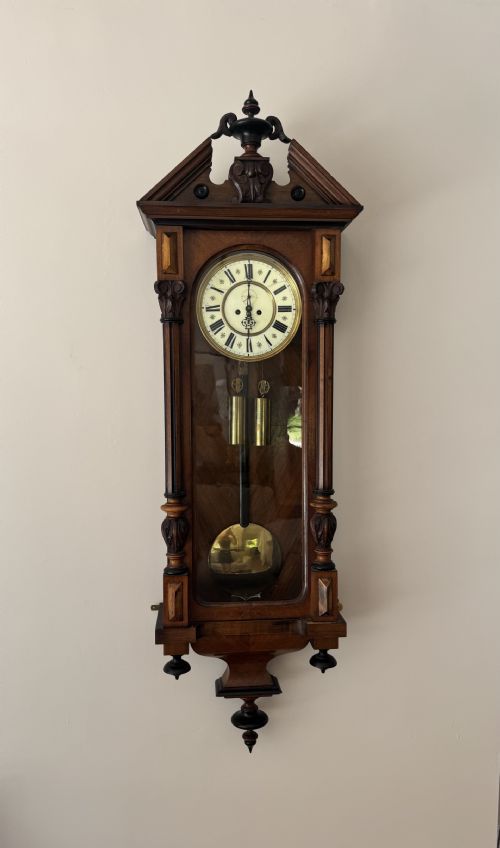
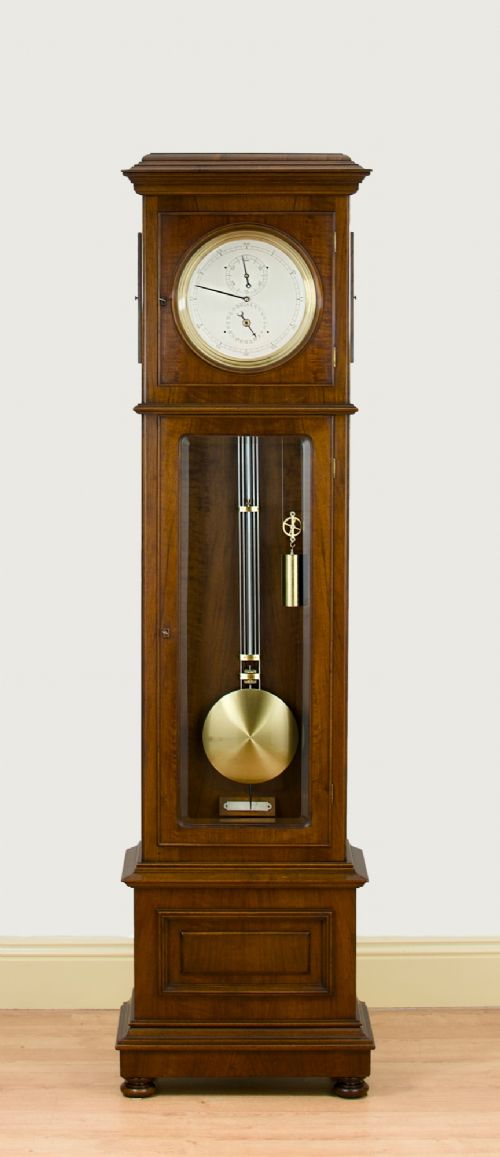
A weights and pendulum clock encompasses tall floor-standing longcases, also known as grandfather or grandmother clocks, alongside wall-mounted Vienna regulators and Dutch staart clocks. These timepieces rely on suspended weights and swinging pendulums to drive the mechanical movement, appearing across periods from the eighteenth century through to the Edwardian era and the Art Deco years.
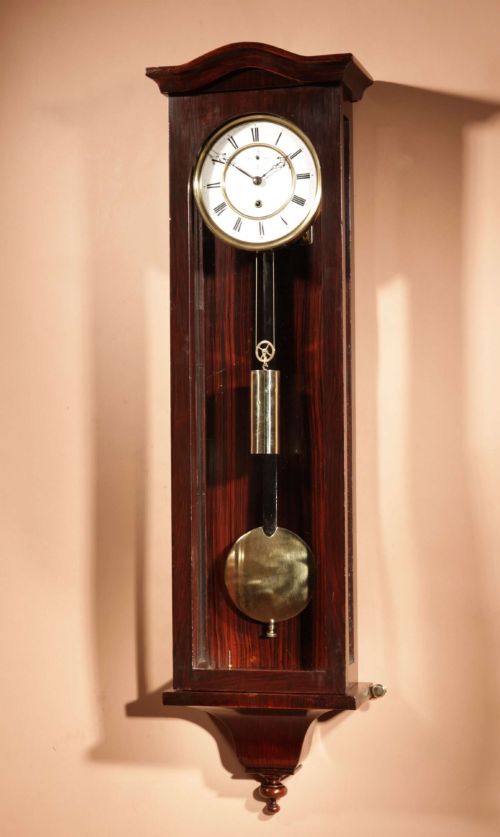
The most common examples encountered on this page are nineteenth-century walnut Vienna regulators driven by double brass weights, alongside Georgian and Victorian mahogany or oak longcase clocks. Wall-hung versions frequently display glass panels to show the drop of the weights, while floor-standing models house the weights and pendulum safely inside tall wooden cases.
Makers and regional styles range from Scottish and English longcases to Austrian Vienna regulators and Black Forest wall clocks. Buyers choose these objects for their visible mechanical action, chiming capability, and traditional cabinetwork.
Materials and construction
Cases utilise solid and veneered timbers including mahogany, walnut, oak, and ebonised wood, housing movements constructed from brass and steel components. Dials frequently combine enamel numerals with brass bezels and glass covers, whilst wall clocks incorporate carved wood surrounds in styles from the Victorian period to Art Deco.
Longcase clocks depend on tall timber trunk construction to allow the weights adequate vertical drop for an eight-day or month-long duration. Wall regulators utilise glazed wooden cases designed to display the movement and the rhythmic swing of the pendulum.
Weights and Pendulum Clock Retail Price Guide 2026
Typical asking prices for weights and pendulum clock among the pieces listed under this phrase on Sellingantiques today, from the lower quarter to the upper quarter. They describe what is for sale here now, not the wider market.
Listings feature woods such as walnut, mahogany, oak, and ebonised timber across Victorian, Georgian, Edwardian, and Art Deco styles.
Defining quality in movements and cases
Quality rests in the precision of the clock movement, the complexity of the striking or musical trains, and the fidelity of the cabinet timber. Precision regulators feature deadbeat escapements and temperature-compensated pendulums, whereas standard domestic clocks utilise simpler anchor escapements.
Cabinetwork distinguishes standard production from superior examples, with finely figured walnut veneers, intricate hand-carving, and well-proportioned mouldings marking out high-end makers. The integration of quarter-chiming mechanisms or multiple weights also elevates the complexity of the piece.
Gillett & Johnston of Croydon·Elliott·Lenzkirch·David Craig Ford Path head·Henry Deykin Worcester·William Wady of Twickenham·JAMES WOOD·LISTER & SONS·GUSTAV BECKER
The Weights and Pendulum Clock Glossary
- Regulator
- A precision timekeeper designed for high accuracy, often featuring a long pendulum and a weight-driven movement visible through glass door panels. These clocks were historically used as reference standards in public spaces and workshops.
- Longcase clock
- A tall, floor-standing clock enclosed in a wooden case, commonly referred to as a grandfather or grandmother clock. The design protects the hanging weights and pendulum while providing a surface for dial display.
- Escapement
- The mechanical linkage between the gear train and the pendulum that controls the release of power and maintains the pendulum's swing. Different designs affect the timekeeping precision of the clock.
- Vienna Regulator
- A wall-hung weight-driven clock originating in Austria during the nineteenth century, known for refined movements and extensive glazed casework. They typically run for eight days or up to a month on a single winding.
- Quarter chiming
- A striking mechanism that sounds the quarters of the hour on multiple bells or gongs. This feature requires additional weight trains to power the music or chime sequence.
Weights and Pendulum Clock: Frequently Asked Questions
How do you wind a weight-driven clock?
Winding involves pulling the chains or using a key to draw the weights back up to the top of the case. Care must be taken not to overwind the movement.
Most weight-driven clocks require winding every eight days, though some precision pieces run for a month between windings.
What is the difference between a grandfather and grandmother clock?
A grandfather clock is a full-sized tallcase clock typically measuring over six feet in height. A grandmother clock is a smaller, scaled-down version of the same longcase form.
Both utilise weights and pendulums enclosed in timber cases, but grandmother clocks suit smaller rooms due to their reduced stature.
Where should a pendulum clock be placed?
Pendulum clocks require a stable interior wall or solid floor that experiences minimal vibration from footsteps or traffic. Placing the clock on an uneven surface stops the pendulum swing.
The location must also be free from dampness and extreme temperature fluctuations to protect the wood and brass mechanism.
How do Vienna regulators differ from standard wall clocks?
Vienna regulators feature high-precision weight-driven movements housed in elegant glazed cases designed to display the pendulum and weights. Standard wall clocks often rely on simpler spring-driven mechanisms.
Regulators prioritize timekeeping accuracy and mechanical visibility over basic domestic utility.