

Weighted Pendulum Clock
These heavy-driven timekeepers offer the steady rhythm of a weighted pendulum clock, bringing historical craftsmanship and precise mechanical movement into domestic spaces.
Weighted Pendulum Clock
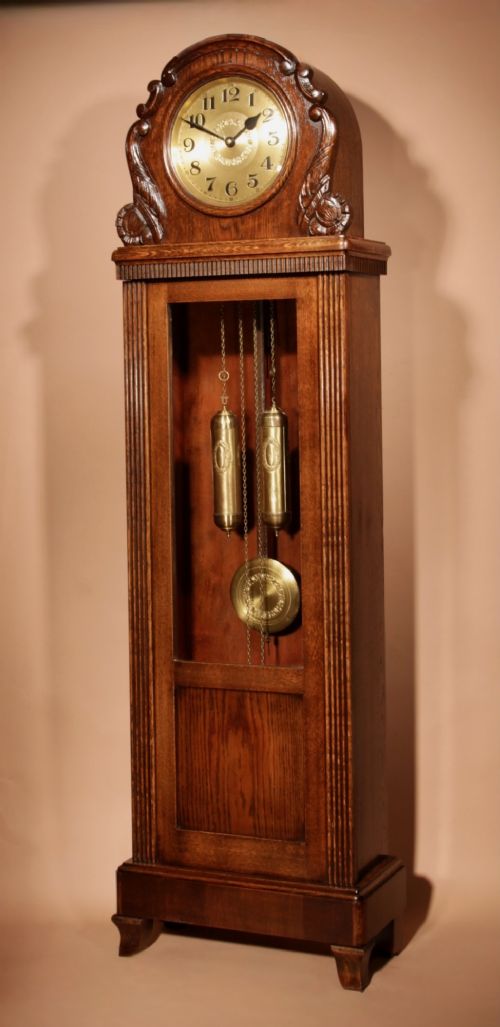
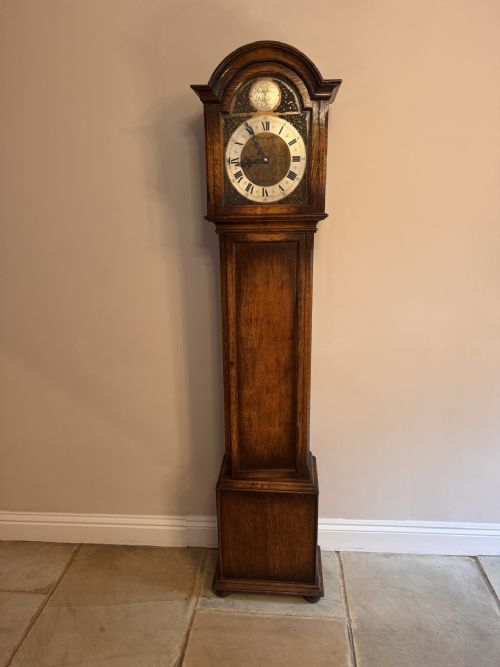
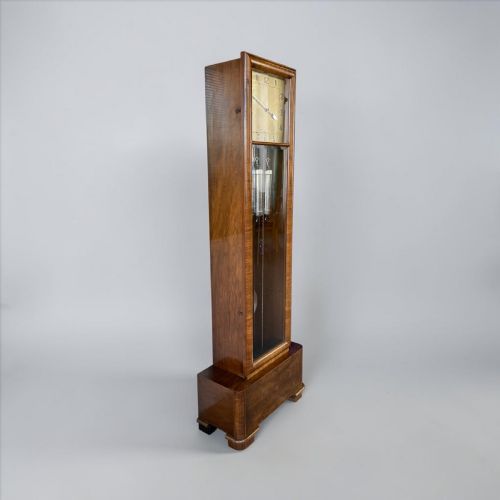
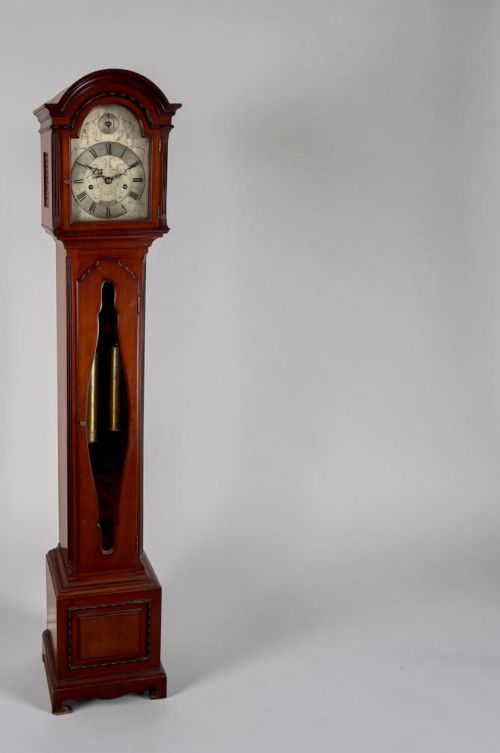
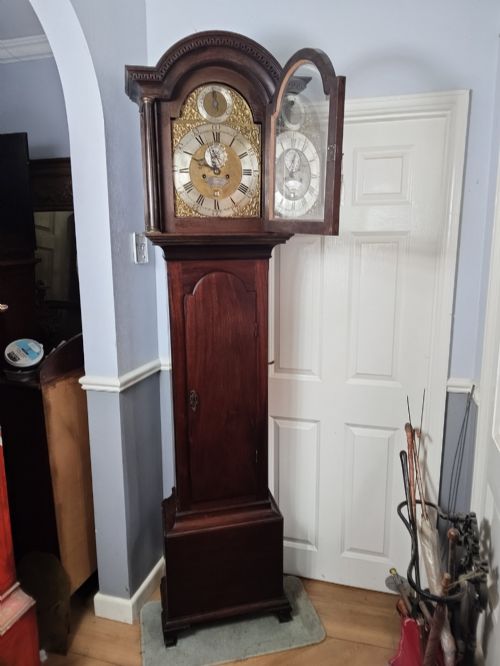
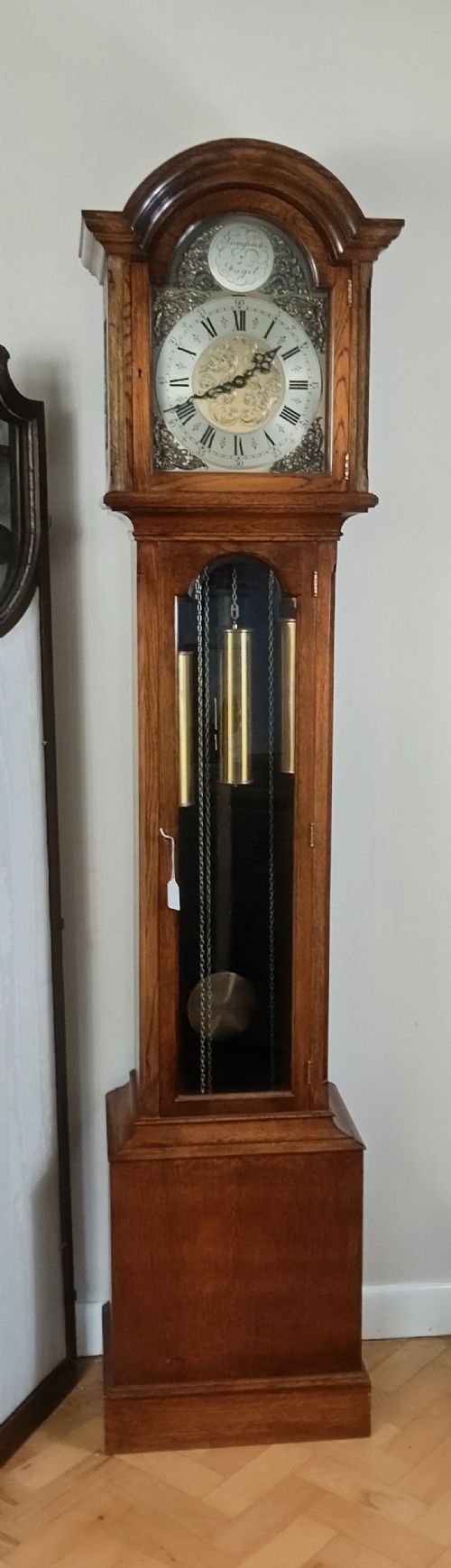
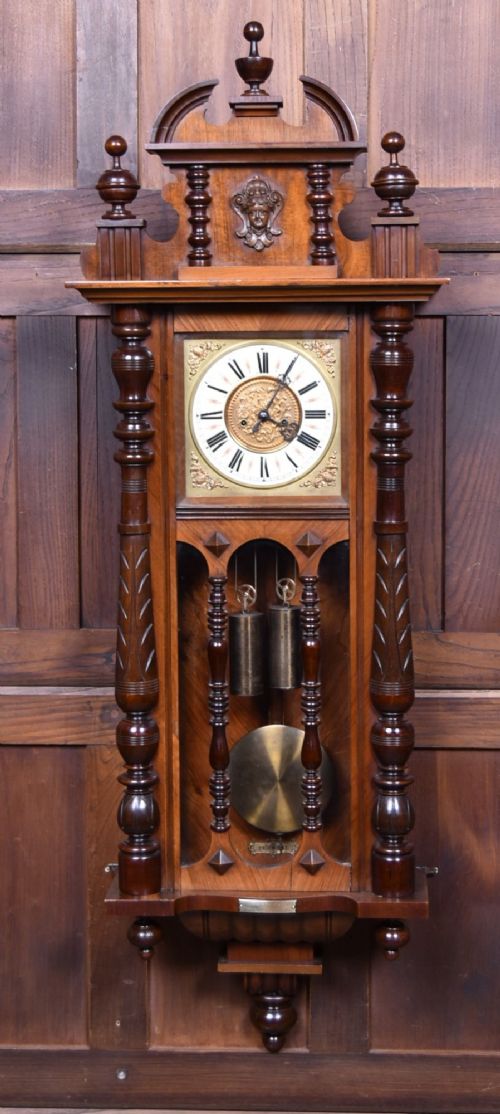
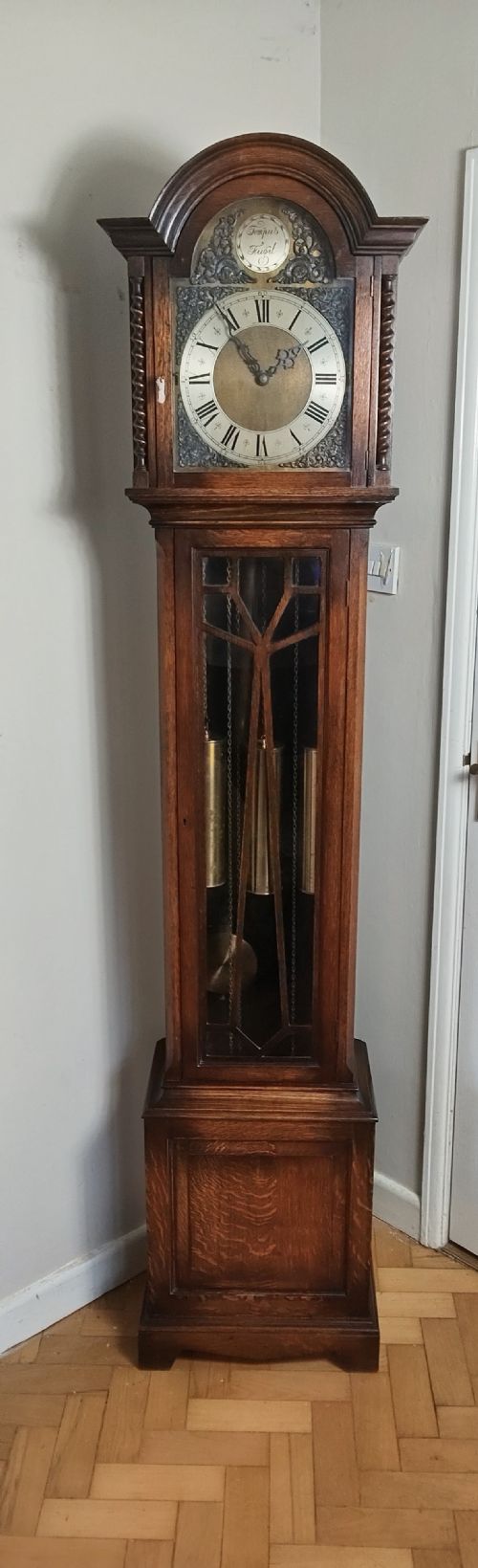
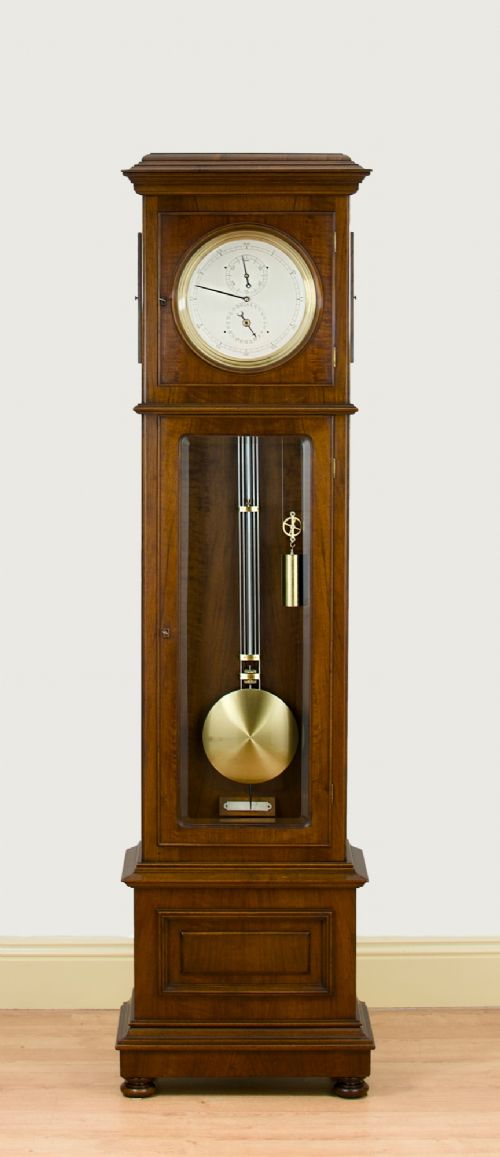
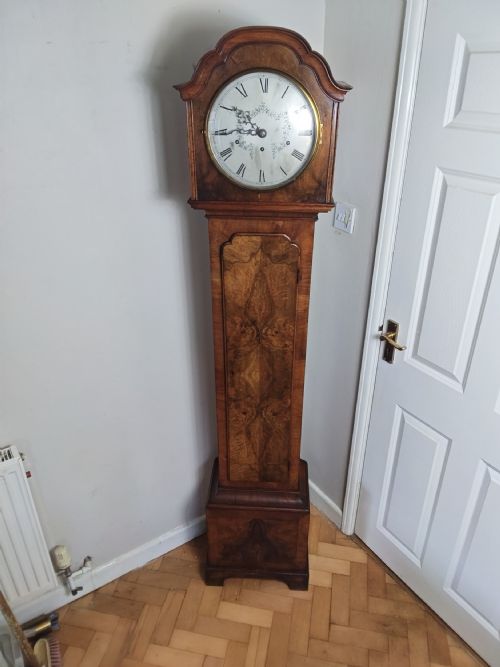
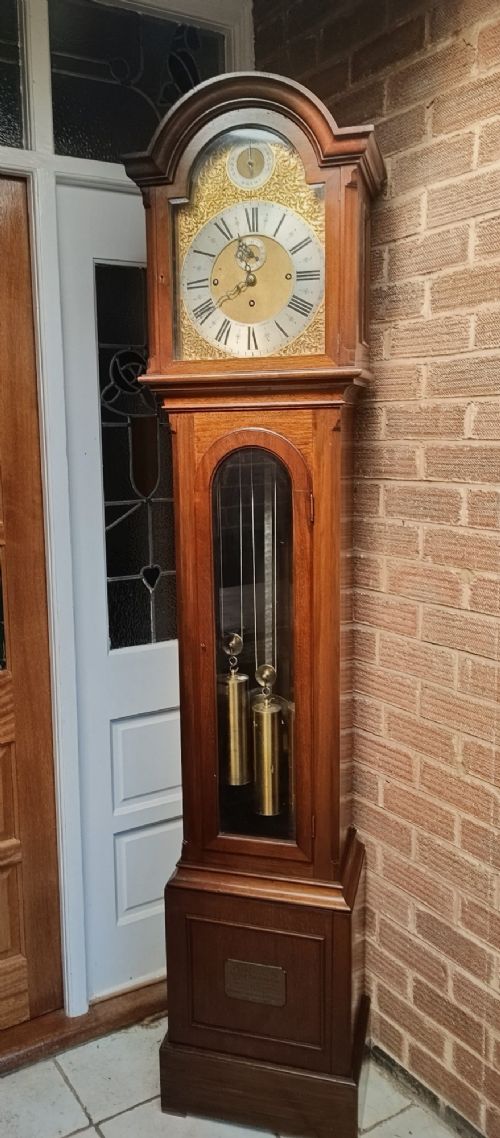
A weighted pendulum clock encompasses tall floor-standing longcase models alongside wall-mounted regulators, driven by hanging weights rather than internal springs. Buyers seeking this category encounter diverse regional formats originating from British, German, Austrian, and Dutch workshops across multiple centuries.
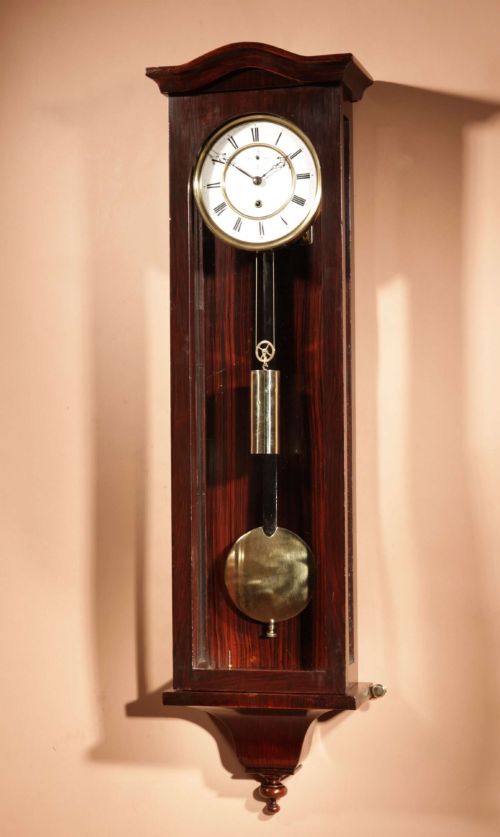
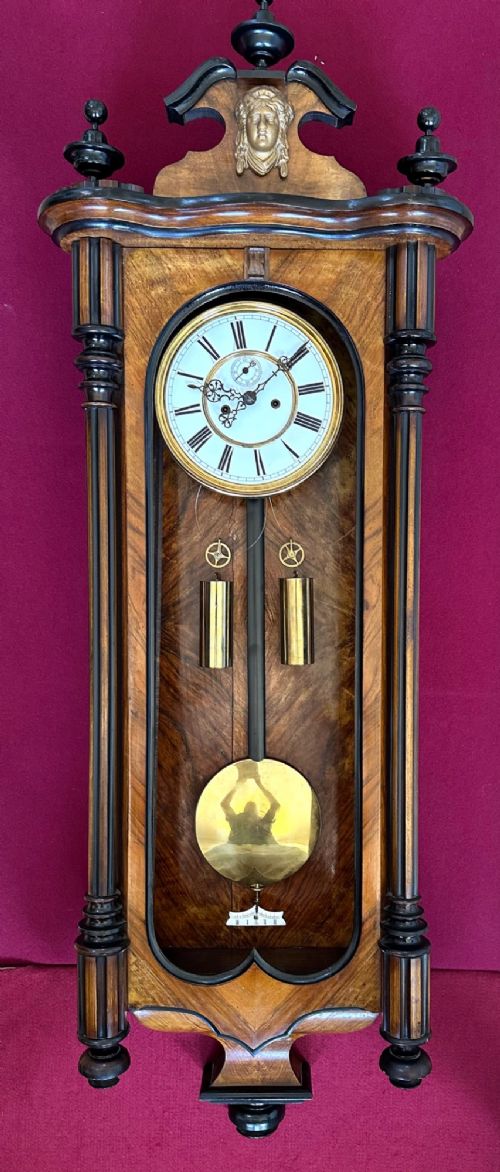
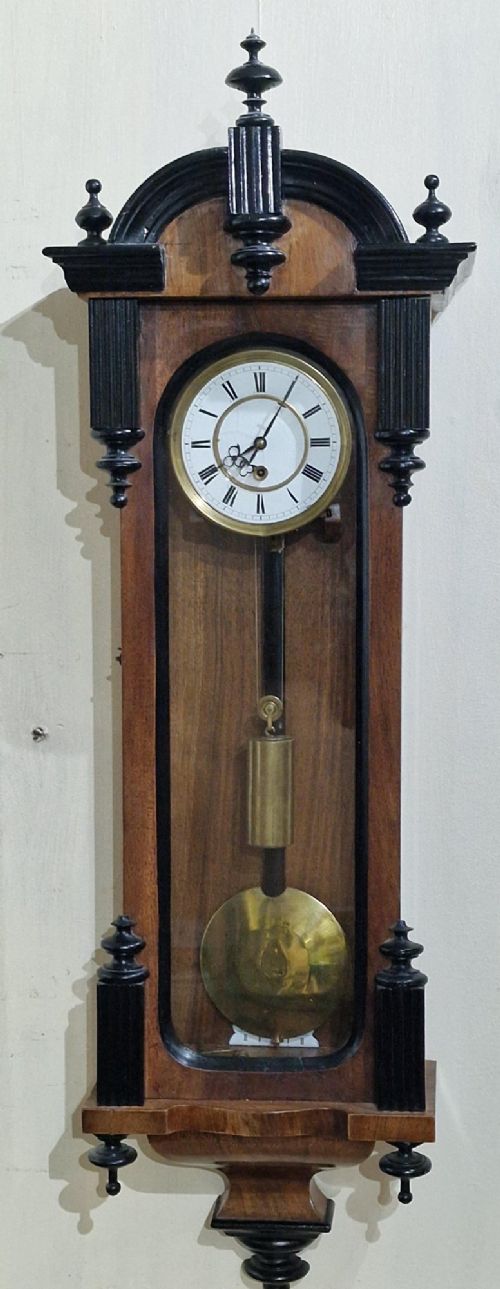
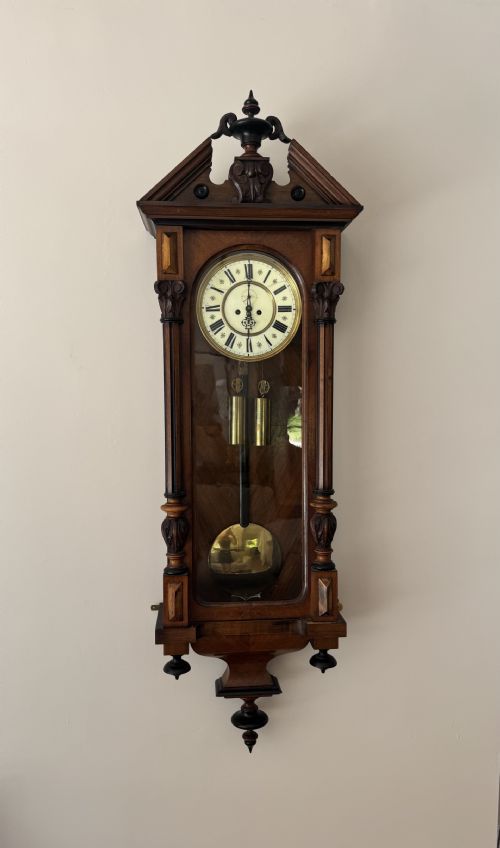
Floor-standing examples include grandfathers, grandmothers, and smaller longcase variants housed in timber enclosures. Wall-hung pieces frequently follow the Vienna style or incorporate heavy brass weights within glazed wooden frames.
The selection ranges from early eighteenth-century oak cases to Victorian walnut regulators and later Edwardian musical editions. These forms reflect distinct period aesthetics, spanning plain Georgian joinery to heavily carved nineteenth-century ornamentation.
How they were made
Cabinetmakers constructed the tall cases and wall frames using native and imported timbers, selecting solid or veneered mahogany, oak, walnut, and ebonised wood. Brass and enamel formed the visible dials, bezels, and matching weights that powered the internal gear trains.
Movements relied on complex mechanical assemblies featuring brass wheels, iron plates, and suspended lead or iron weights to drive timekeeping, striking, and occasionally musical mechanisms.
Weighted Pendulum Clock Retail Price Guide 2026
Typical asking prices for weighted pendulum clock among the pieces listed under this phrase on Sellingantiques today, from the lower quarter to the upper quarter. They describe what is for sale here now, not the wider market.
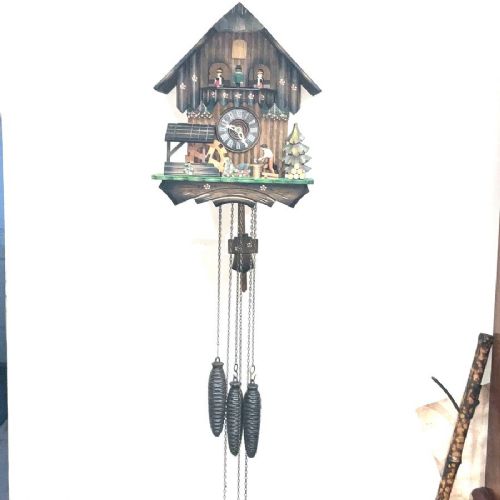
Some timekeepers feature mechanical musical automatons designed to play tunes alongside the regular hour strikes.
What varies in quality
Excellence in these timekeepers rests on the precision of the movement and the integrity of the housing. Finer examples display meticulous hand-finishing on internal brass components and crisp carving on wooden cases.
The choice of timber veneer, such as figured walnut or flame mahogany, distinguishes standard production from superior pieces. Original dials, balanced proportions, and maker signatures elevate the standing of individual clocks.
Gillett & Johnston of Croydon·Gustav Becker·Lenzkirch·Henry Deykin, Worcester·William Wady of Twickenham·James Wood
The Weighted Pendulum Clock Glossary
- Longcase clock
- A tall floor-standing timekeeper enclosed in a wooden case, commonly known as a grandfather clock. It houses a long pendulum and suspended driving weights.
- Vienna regulator
- A precision wall-mounted clock originating in nineteenth-century Austria, characterised by a visible pendulum, glass-sided door, and weight-driven movement. These pieces prioritise accurate timekeeping.
- Double weight
- A movement powered by two separate hanging weights, typically driving the timekeeping train and the striking mechanism independently. Triple weight versions add musical or chime capabilities.
- Enamel dial
- A faceplate constructed by fusing powdered glass to a metal base at high temperatures, producing a glossy white surface for painted numerals. These dials require careful handling to prevent chipping.
Weighted Pendulum Clock: Frequently Asked Questions
How do I wind a weighted clock?
Winding involves pulling the chains or using a key to draw the suspended weights back up toward the top of the case. Care must be taken not to pull past the maximum height.
Consistent winding maintains the correct tension on the internal gear train, ensuring the pendulum keeps an even beat.
Where should I place a longcase clock?
These tall floor pieces require a stable, level surface against a solid wall to prevent floor vibrations from interfering with the pendulum swing. Securing the upper case to the wall adds necessary stability.
Placing the clock away from direct sunlight and damp areas protects the wooden veneer and internal brass components from environmental damage.
Why does a wall regulator need a level wall?
Wall clocks rely on the symmetrical drop of the weights and the free swing of the pendulum. An unlevel mounting causes the beat to become uneven, leading the clock to stop.
Adjusting the case mounting brackets ensures the escapement mechanism functions correctly and keeps accurate time.