






Weathered Metal Bench
A weathered metal bench grounds a garden border or terrace with enduring form, bringing weight and patina earned through decades outdoors.
Weathered Metal Bench
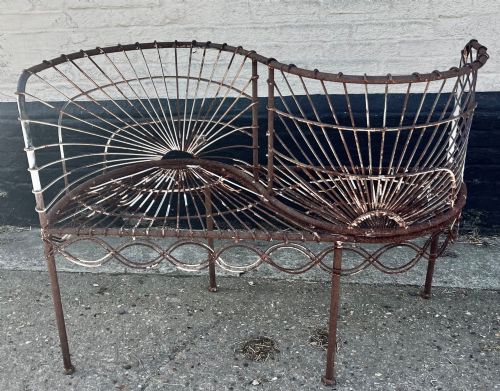
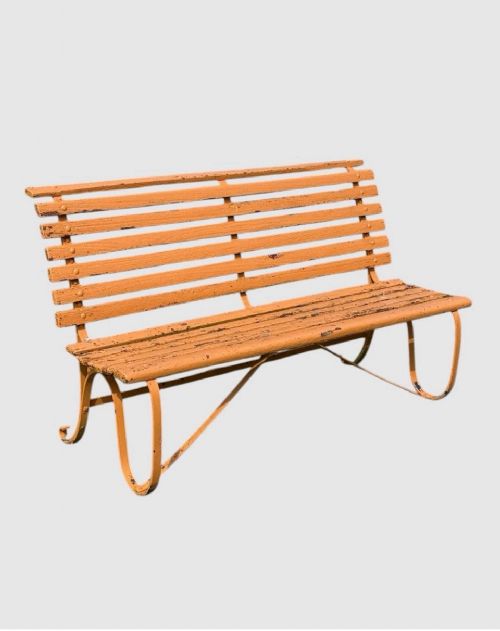
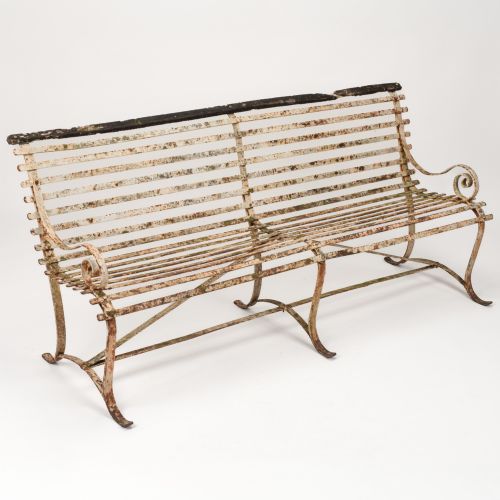
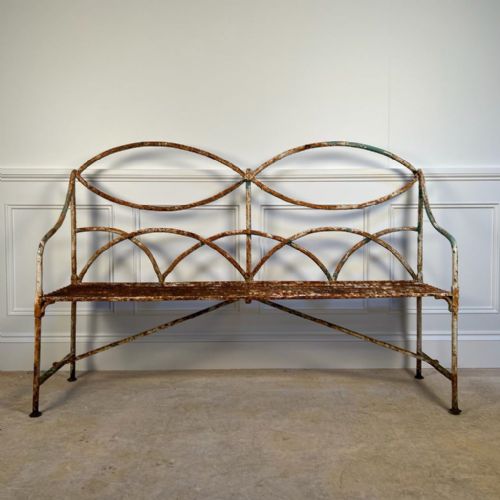
The versions met most frequently on this page span the nineteenth and twentieth centuries, incorporating cast iron, wrought iron, and occasional timber elements. Examples range from ornate Victorian scrollwork designs to linear Regency strapwork and French conservatory forms.
Construction and materials
Foundries forged these frames using cast iron for complex decorative backs and structural ends, alongside wrought iron for flexible strapwork and scroll patterns. Iron components often integrate timber slats or wooden components for the seating surface.
Surfaces accumulate history through layers of original paint applied over decades of use, preserving the metal beneath while showing the gradual effects of weather.
Weathered Metal Bench Retail Price Guide 2026
Typical asking prices for weathered metal bench among the pieces listed under this phrase on Sellingantiques today, from the lower quarter to the upper quarter. They describe what is for sale here now, not the wider market.
Some scroll benches carry enough layers of historic green paint to tell a complete botanical history of the garden they sat in.
Judging quality
Distinctions in quality rest upon the crispness of the casting detail and the architectural ambition of the design, moving from utilitarian forms to ornate, high-relief Victorian ornamentation. The integrity of the ironwork structure and the presence of genuine historic paint surfaces determine the distinction between ordinary utility items and exceptional examples.
The Weathered Metal Bench Glossary
- Cast iron
- A strong, rigid iron alloy poured into moulds to create intricate decorative patterns and sturdy bench ends. This technique allowed Victorian makers to produce elaborate floral and scroll motifs in volume.
- Wrought iron
- Iron worked by heating and hammering into bars, scrolls, and structural braces. This material provides the tensile strength needed for linear strapwork designs.
- Strapwork
- Flat bands of metal arranged in geometric or interlaced patterns. It characterises many Regency and early nineteenth-century designs.
- Conservatory bench
- A lighter seating form designed for sheltered indoor-outdoor spaces such as glasshouses. These pieces often reflect French country aesthetics.
Weathered Metal Bench: Frequently Asked Questions
Where should I place a metal garden bench?
These benches suit quiet garden corners, lawns, or sheltered terraces where the structure can anchor the surrounding planting.
Positioning the seat on a firm, level surface prevents uneven stress on the iron legs and wooden components over time.
How do I care for the original paint?
Preserving historic paint layers involves gentle cleaning with mild water and avoiding harsh scraping or abrasive wire brushes.
Leaving the accumulated weathering intact maintains the visual character and historical depth of the surface.
Are these benches heavy to move?
Cast and wrought iron structures possess substantial weight that keeps them stable on uneven ground without additional fixings.
Enlisting assistance helps when shifting these seats across garden spaces to protect both the iron framework and the ground.
How can I tell a Regency bench from a Victorian one?
Regency pieces often display restrained linear strapwork and classical restraint, reflecting early nineteenth-century design principles.
Victorian examples tend toward heavier cast iron construction with ornate scrollwork, botanical motifs, and more elaborate backrests.