

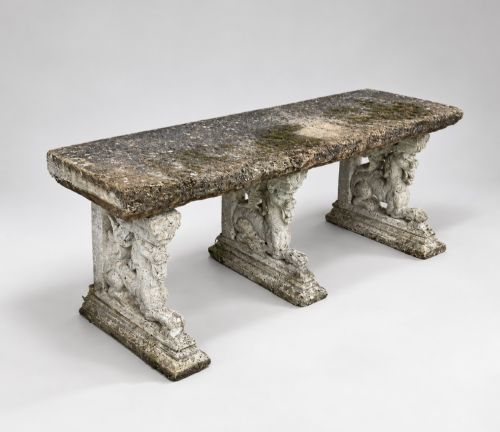
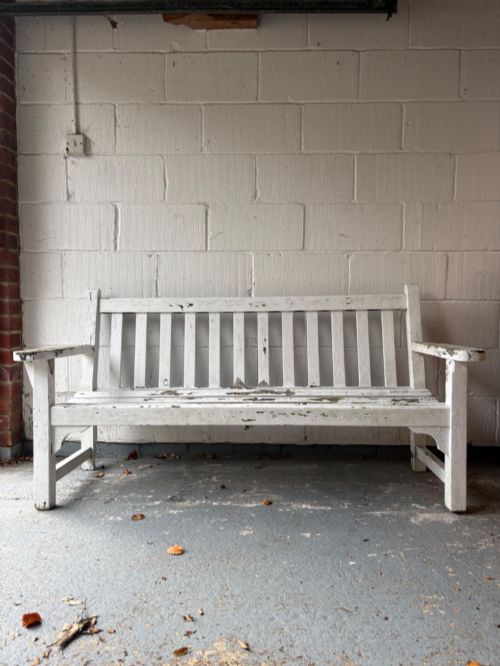
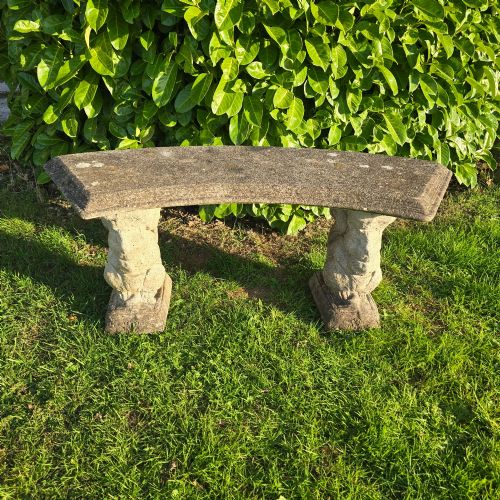
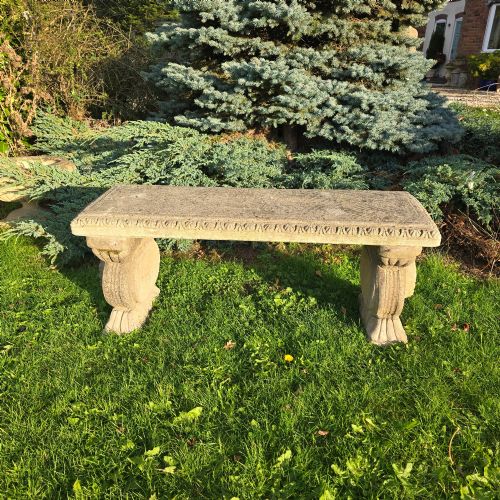
Weathered Garden Seat
A weathered garden seat brings real history outdoors, offering a sturdy place to sit while the elements slowly soften wood and iron into the landscape.
Weathered Garden Seat
A weathered garden seat is a practical outdoor resting place shaped by decades of sun, rain, and use in gardens, parks, and courtyards. Buyers seeking a weathered garden seat look for benches and settees that show genuine age rather than manufactured distress.
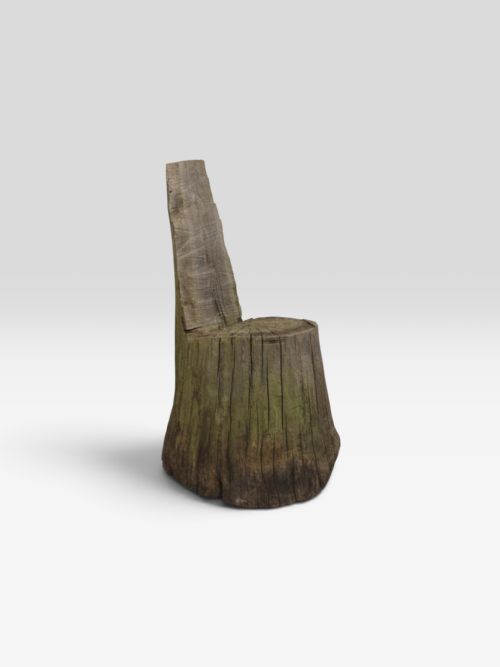
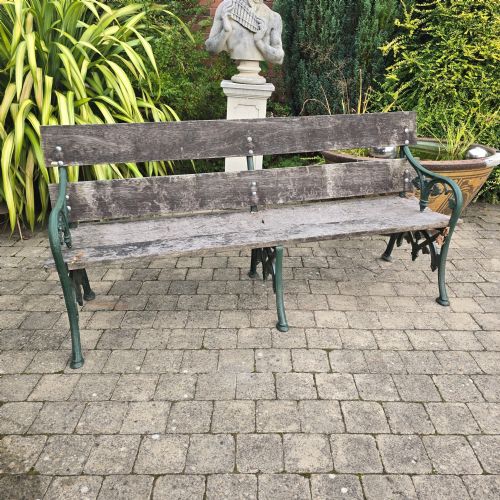
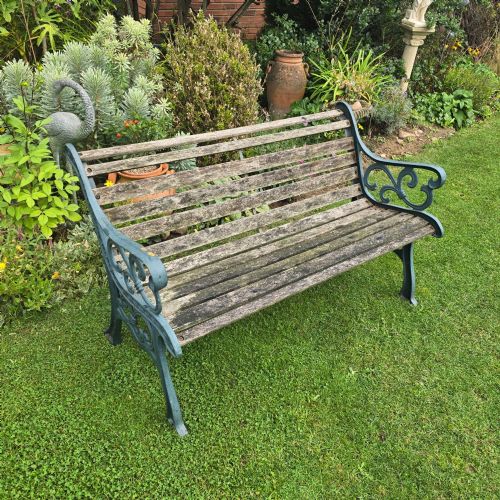
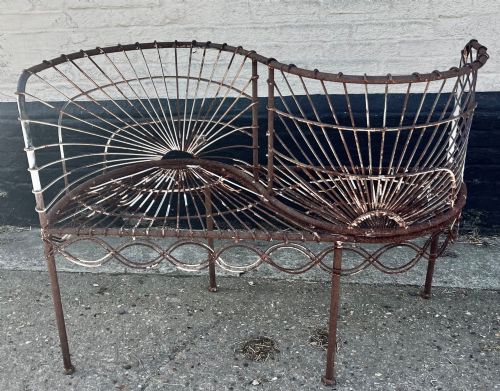
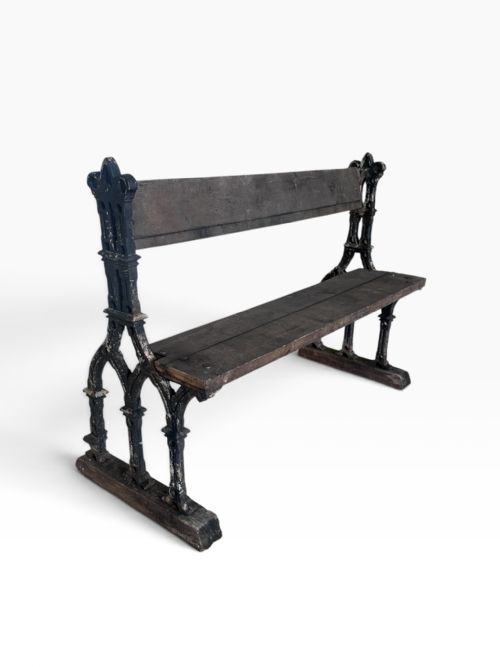
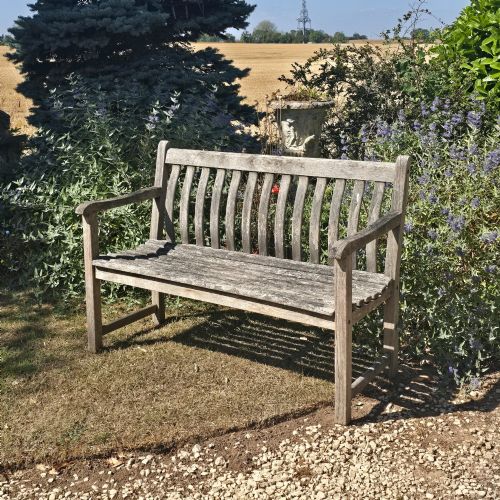
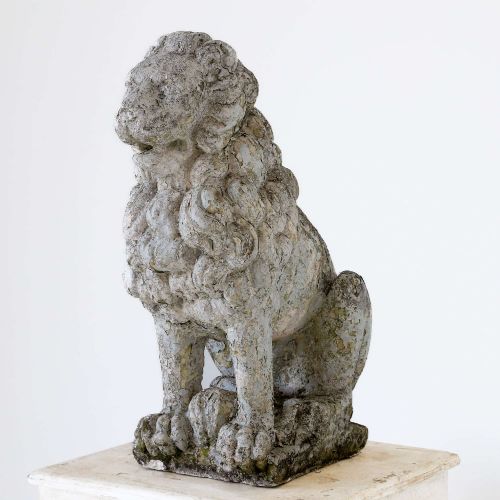
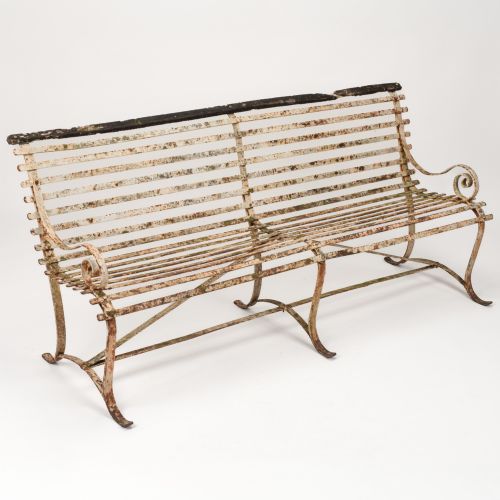
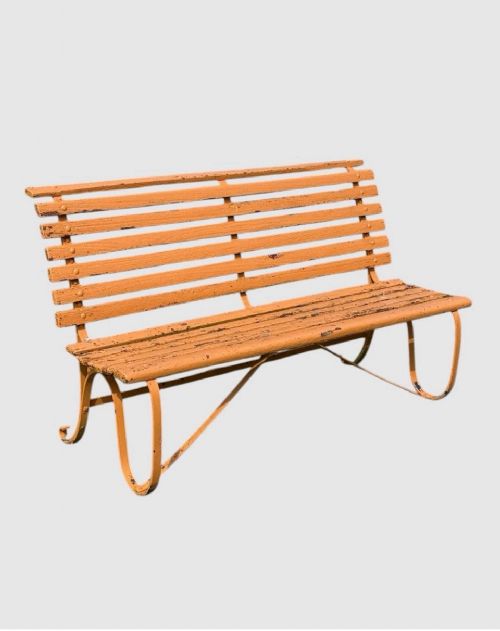
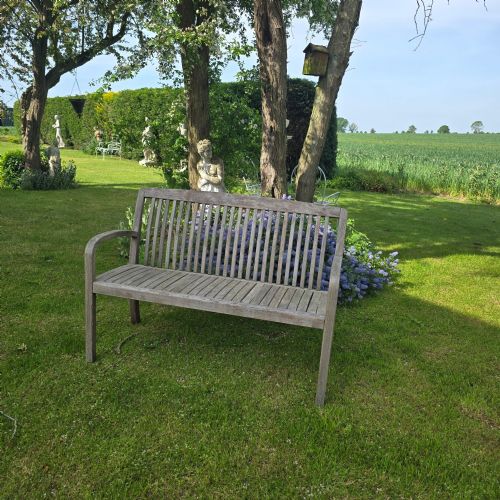
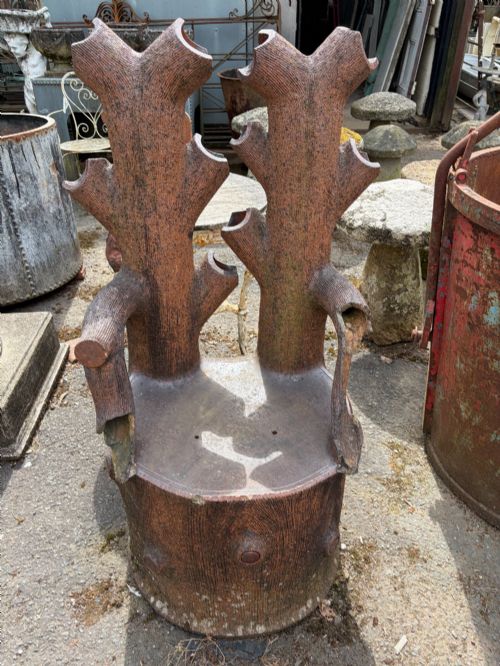
The selections span various eras, bringing together Victorian cast iron, Edwardian tree seats, and mid-century teak or stone compositions. You encounter forms ranging from traditional slatted wood benches to ornate metal scrollwork and primitive garden seating.
Many examples emerge from the nineteenth and early twentieth centuries, constructed to withstand outdoor conditions while developing a distinct patina. These pieces serve as functional focal points that anchor a garden design with established character.
How they were made
Makers relied on durable outdoor materials such as teak, oak, cast iron, and wrought iron to build frames that endured the weather. Timber was often left untreated to silver naturally over time, while iron components received protective layers of paint.
Foundries cast molten iron into intricate structural ends, Gothic arches, and shell motifs, bolting them to wooden slats or forming complete metal frameworks. Woodworkers joined solid timber using traditional joinery to support the heavy weight of metal and stone elements.
Weathered Garden Seat Retail Price Guide 2026
Typical asking prices for weathered garden seat among the pieces listed under this phrase on Sellingantiques today, from the lower quarter to the upper quarter. They describe what is for sale here now, not the wider market.
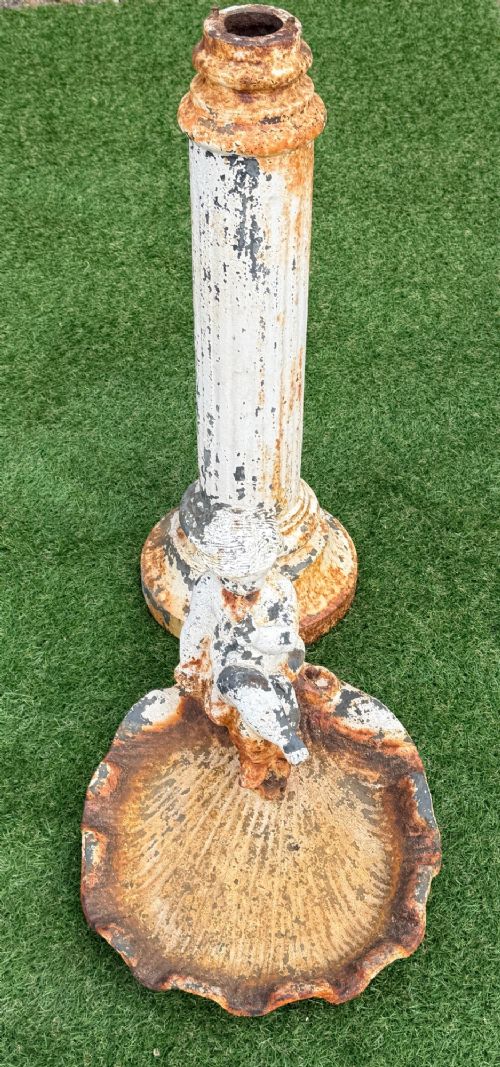
Some Victorian ironwork benches managed to incorporate playful cherubs and bird baths directly into the garden seating arrangements.
What varies in quality
Quality rests in the heaviness of the casting, the crispness of the ironwork detail, and the density of the chosen timber. Superior benches display careful proportion in their scrollwork or strapwork, avoiding clumsy joins or weak supports.
The integrity of the remaining material dictates the standard of the piece, distinguishing robust original frames from those compromised by deep rot or heavy corrosion. A finer bench retains its structural soundness beneath layers of weathered paint or silvered grain.
The Weathered Garden Seat Glossary
- Teak
- A dense, oil-rich hardwood prized for outdoor use because it resists moisture and ages to a silver-grey hue. It forms the primary timber for many durable garden benches.
- Cast iron
- Molten iron poured into a mould to create rigid decorative ends and frames for garden seating. It allows for ornate Victorian patterns and heavy structural support.
- Wrought iron
- Iron heated and hammered into shape by hand, producing flexible strapwork and scroll designs for lighter, resilient frames. It often shows hand-forged variations along the curves.
- Faux bois
- An artistic technique mimicking wood grain using cement, stone, or plaster. It appears on specialised Victorian garden seats designed to resemble natural timber.
- Strapwork
- Flat bands of metal interwoven or arranged in geometric patterns across a bench back or seat. This technique provides both structural strength and ornamental detail.
Weathered Garden Seat: Frequently Asked Questions
How do I protect my garden seat from winter weather?
Hardwood benches tolerate outdoor exposure well, but moving them under shelter or covering them during freezing months prevents excessive moisture damage.
Iron frames benefit from checking painted surfaces regularly to stop rust from forming beneath winter dampness.
Can I leave teak benches outside all year?
Teak contains natural oils that protect it against rain, snow, and sun without requiring chemical sealants.
Leaving the wood exposed simply encourages the gradual development of a protective silver-grey patina.
How do I tell Victorian cast iron from later reproductions?
Victorian castings tend to feature sharper details in motifs like foliage or Gothic arches, combined with heavier metal weight.
Older pieces also show the natural unevenness of hand-finishing processes rather than the uniform smoothness of modern factory work.
What is the best way to clean an old wooden bench?
Scrub the wood gently with warm water and a stiff-bristle brush to remove dirt and green algae without damaging the surface fibres.
Avoid harsh pressure washers, which strip away the soft grain and ruin the natural weathered texture.