
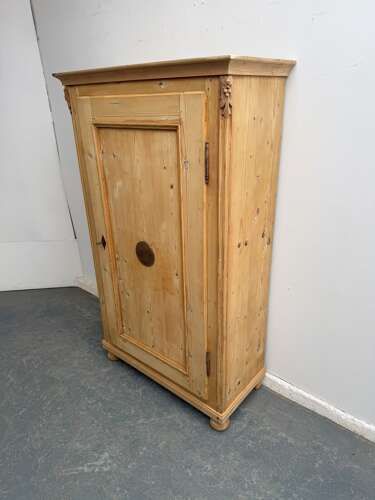
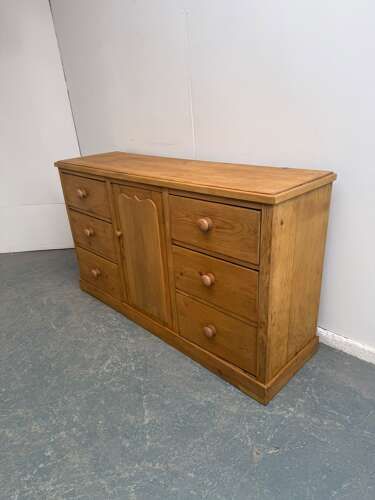
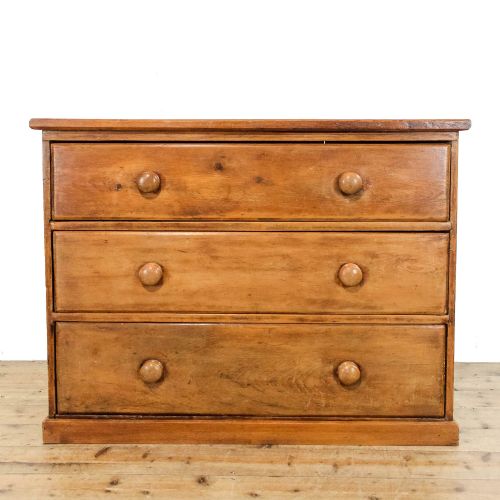
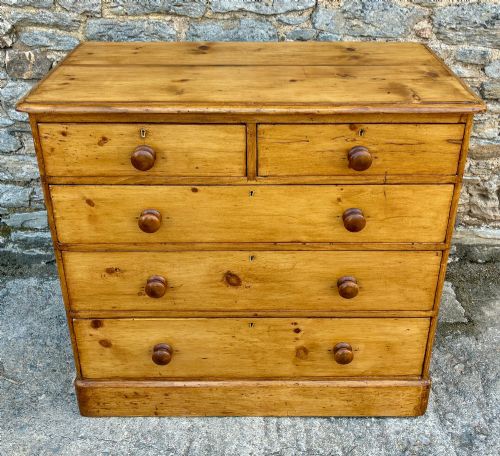
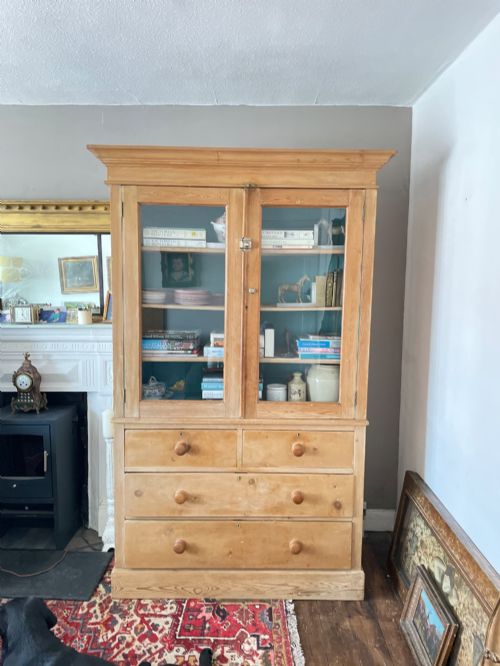
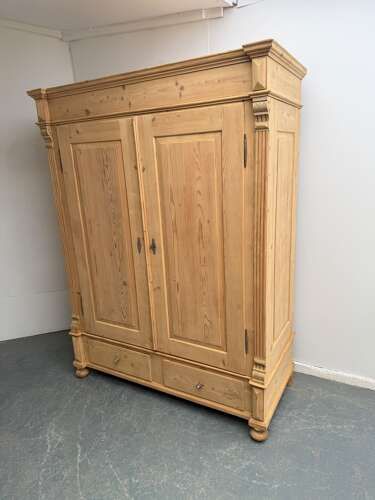
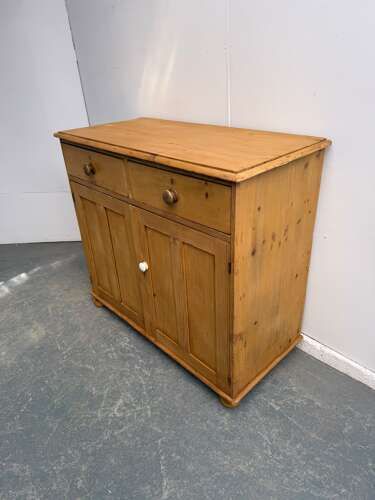
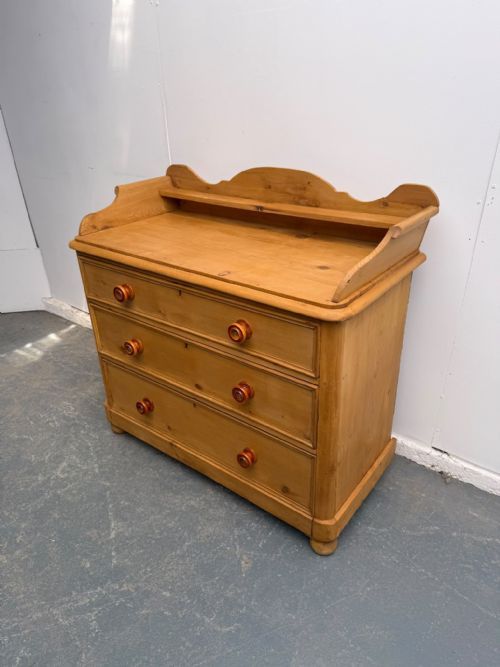
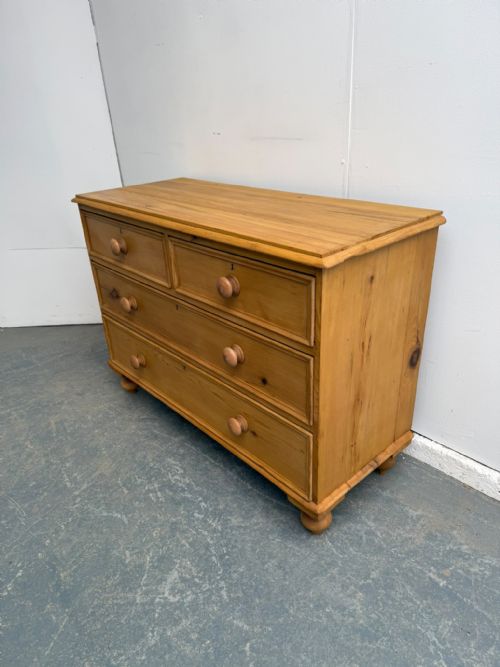
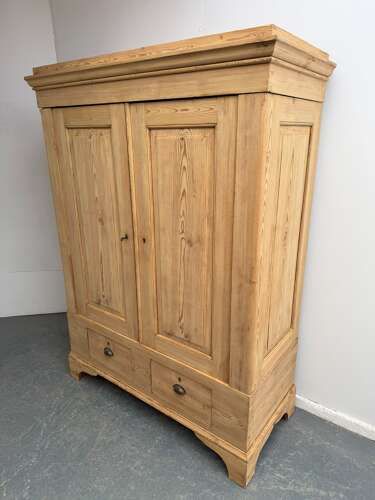
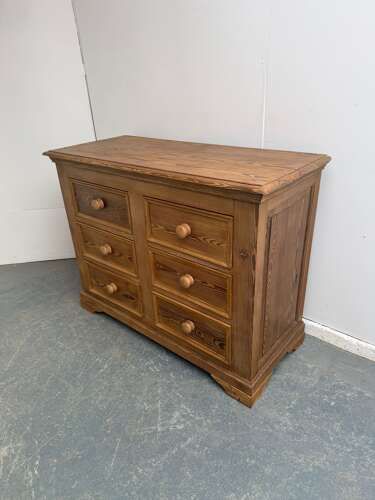
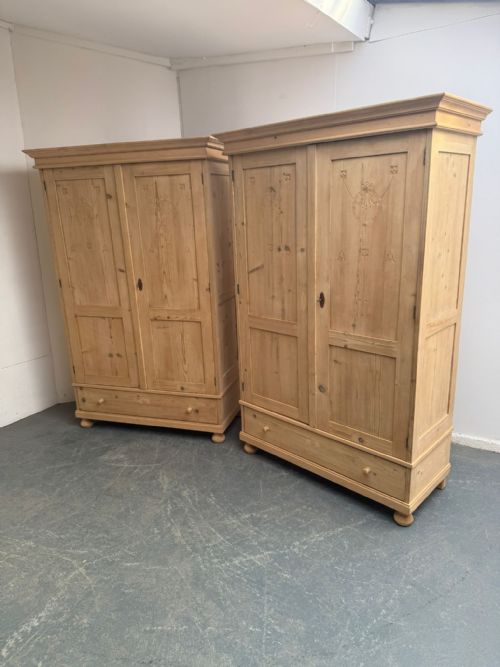
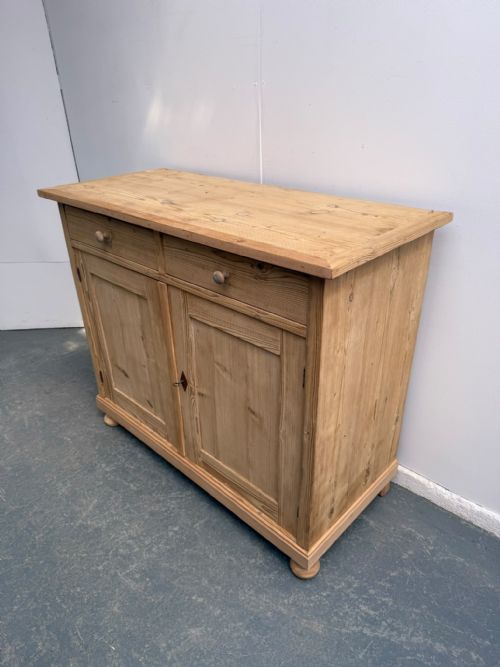
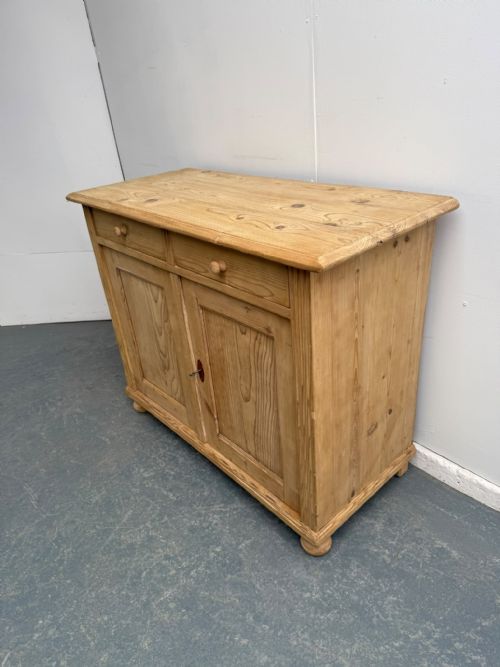
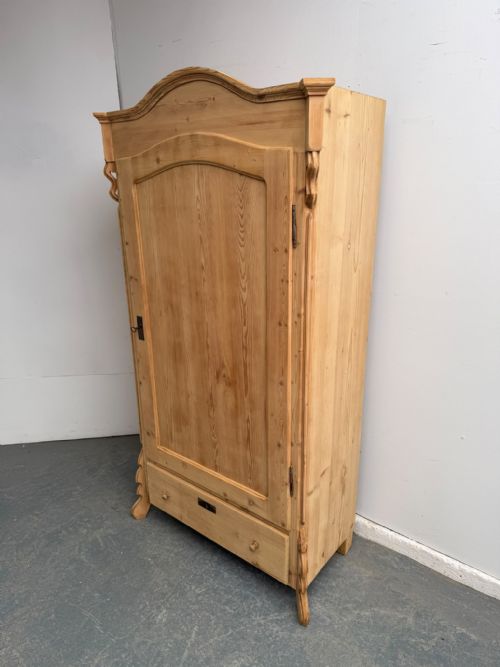
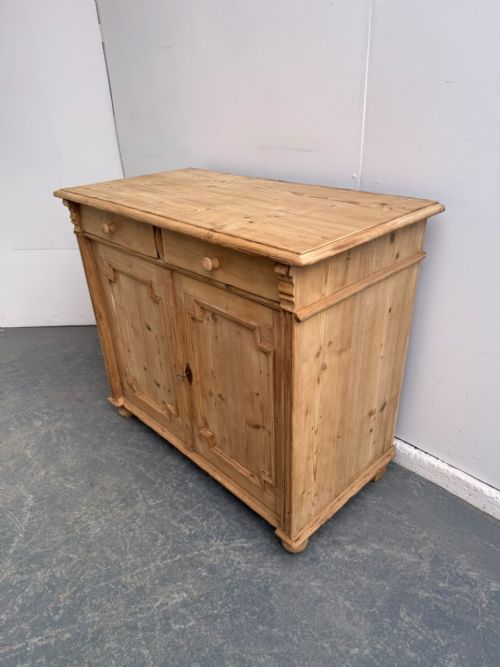
Waxed Pine Storage Drawers
Waxed pine storage drawers bring practical utility and warmth into a home through traditional craftsmanship from the Victorian and Georgian periods.
How They Were Made
Makers utilised solid pine as the primary wood, constructing carcases and drawer boxes to withstand daily domestic use. Iron and brass hardware, including handles and hinges, provide functional and decorative contrast against the timber.
Surfaces receive protective wax finishes that nourish the wood and highlight natural grain patterns developed over generations. Certain items also incorporate ceramic elements or metal fittings to complete the construction.
What Varies in Quality
The standard of construction distinguishes finer pieces, particularly in the joinery of drawer linings and the fit of doors. Heavy carcases and original hardware elevate the integrity of a piece.
Depth of colour and condition of the waxed surface separate utilitarian items from more refined domestic furnishings. Proportion and decorative detailing, such as columned sides, alter the overall presence of the furniture.
Listings feature solid pine construction combined with brass, iron, and ceramic hardware across Victorian and Georgian periods.
The Waxed Pine Storage Drawers Glossary
- Pine
- A softwood utilised extensively for traditional furniture carcases and drawer construction. It accepts wax finishes readily.
- Victorian
- A period spanning the reign of Queen Victoria, producing robust pine chests and cupboards. Pieces from this era often feature traditional dovetail joints.
- Georgian
- The era preceding the Regency period, noted for well-proportioned pine storage furniture. Georgian pieces frequently display restrained ornamentation.
- Dresser Base
- A low sideboard or cabinet featuring cupboards and drawers beneath a flat top. These items served functional roles in period kitchens.
- Mule Chest
- A traditional storage chest fitted with one or more drawers at the base. This form bridges the gap between blanket chests and chest of drawers.
Waxed Pine Storage Drawers: Frequently Asked Questions
What periods do these storage drawers come from?
The pieces span the Victorian and Georgian eras, alongside items dating from the nineteenth century into the early twentieth century.
Craftsmanship reflects the domestic requirements of these historical periods, using solid pine timbers and traditional joinery.
How are waxed pine surfaces maintained?
Maintaining the finish involves applying a suitable beeswax polish periodically to nourish the pine and preserve the sheen.
Avoid placing the furniture in direct sunlight or near heat sources to protect the wood and wax.
Are these drawers suitable for modern bedrooms?
The variety of low, wide, and tall configurations allows these storage pieces to fit into contemporary room layouts easily.
Solid construction ensures daily utility for clothing and household items while introducing period character.
What distinguishes Hungarian pine pieces?
Items designated as Hungarian originate from that region and often display distinct proportions and timber characteristics.
These pieces integrate into the broader selection of nineteenth-century pine storage furniture.