

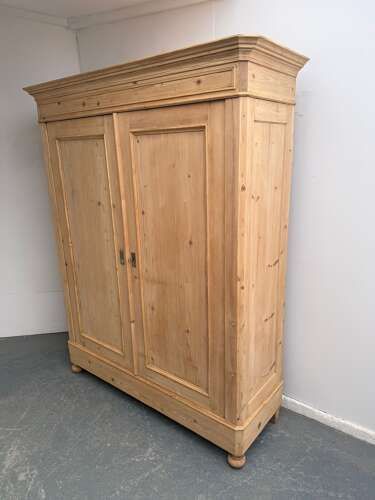
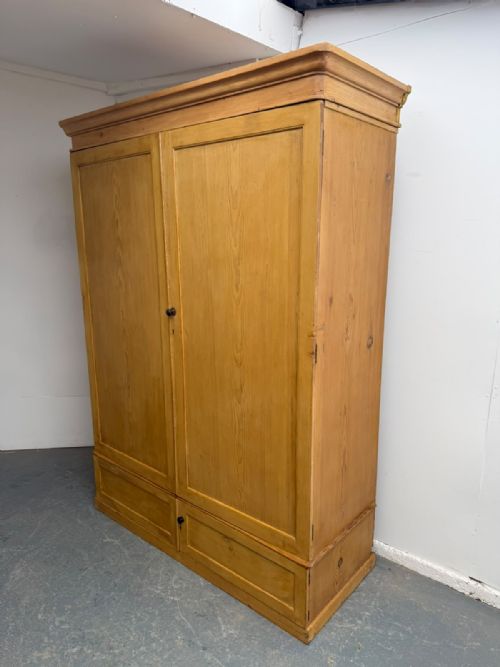
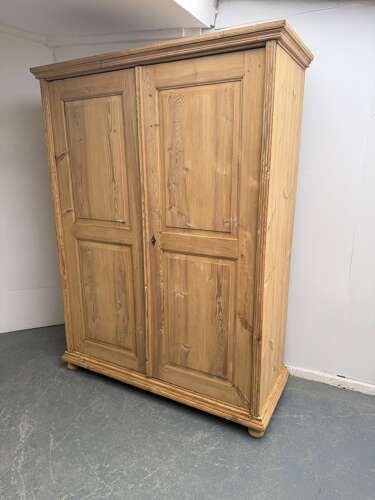
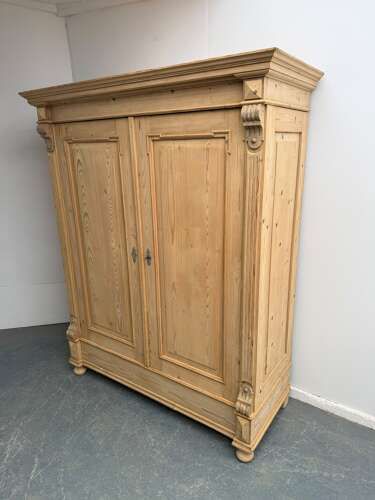


Waxed Pine Double Armoire
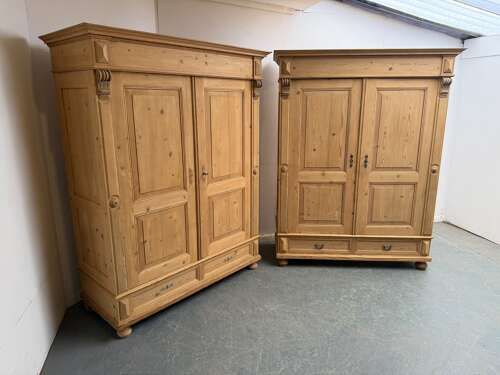
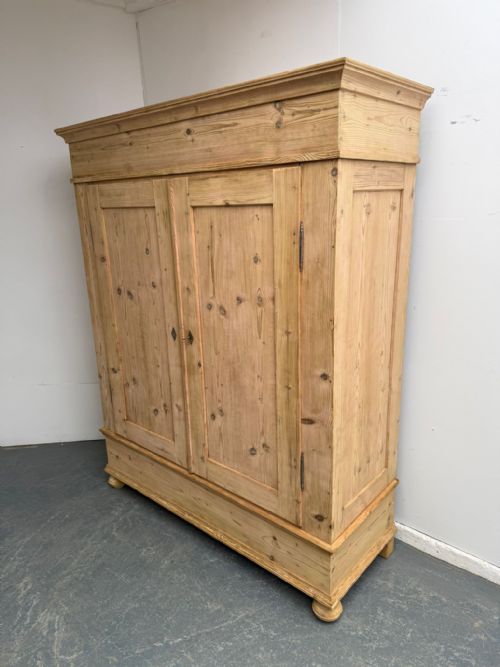
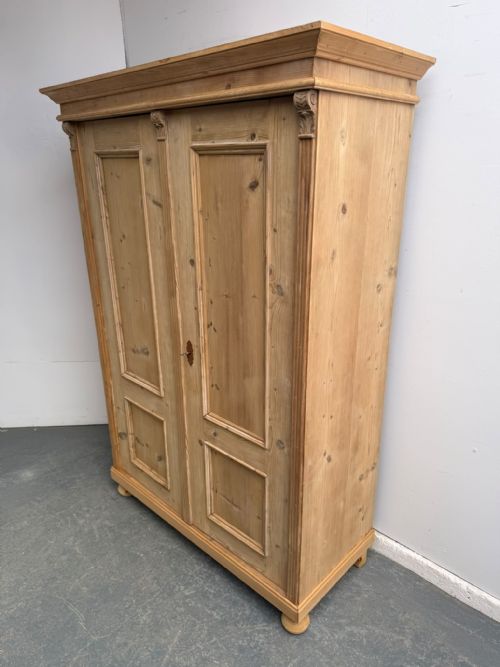
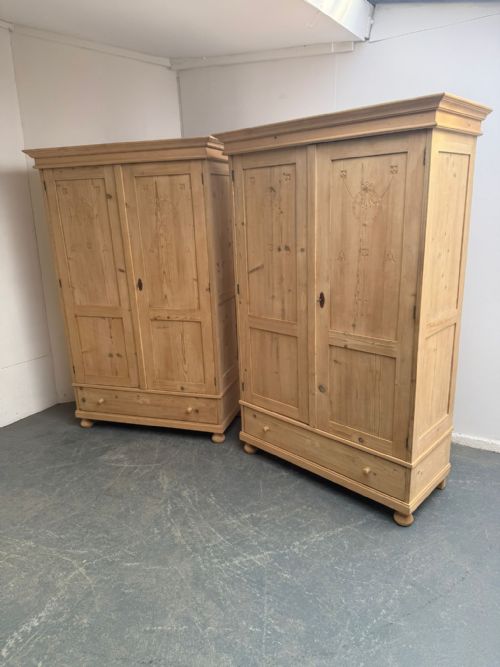
A waxed pine double armoire brings warmth and practical storage to a bedroom through generous proportions and honest timber.
Waxed Pine Double Armoire
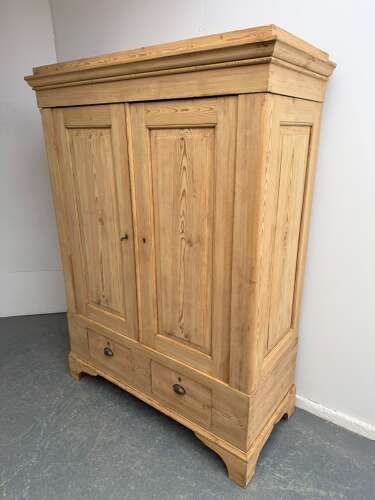
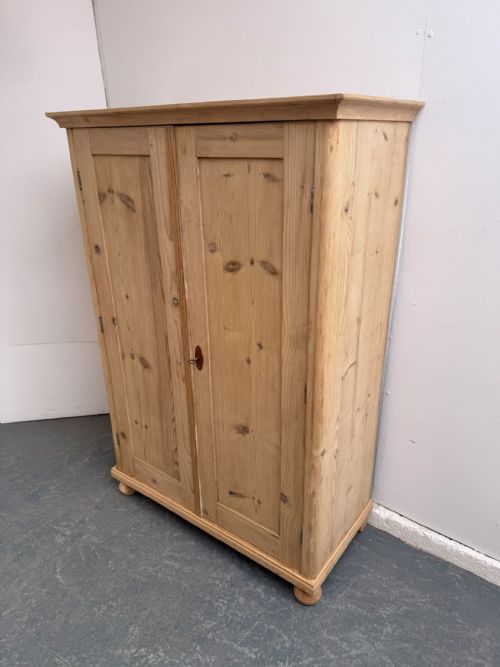
A waxed pine double armoire provides substantial hanging space and shelving within a robust two-door cabinet, constructed from soft wood finished in protective wax. These large storage pieces appear across several distinct historical periods, including the Georgian, Victorian, and Arts and Crafts eras.
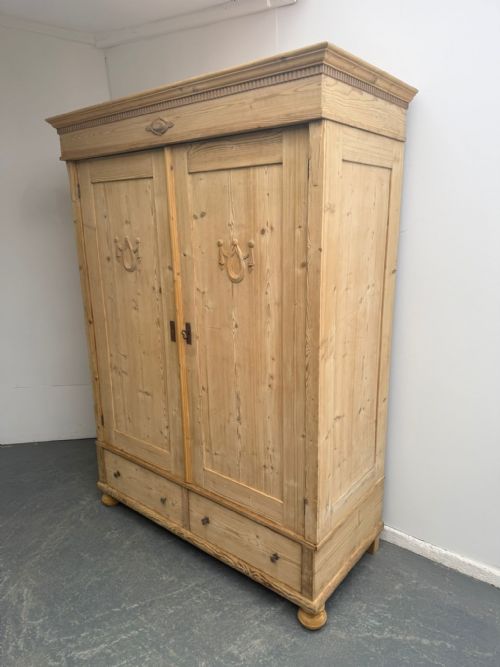
Buyers seeking a waxed pine double armoire frequently encounter knockdown versions, which dismantle into manageable sections for transport and installation in older homes. The forms range from low cottage designs to tall architectural cabinets featuring architectural details such as columns or arched pediments.
Originating primarily from British and French provincial traditions, these wardrobes and cupboards reflect both utilitarian needs and stylistic movements like Art Nouveau. The external finish is typically maintained with a soft wax that accentuates the natural grain and knots of the pine.
How they were made
Makers constructed these large storage pieces using solid pine timber, chosen for its availability and workability, joined with traditional techniques such as pegged mortise and tenon joints. Many of the examples utilise a knockdown framework held together by internal wooden or metal fixings, allowing the heavy carcasses to be easily assembled on site.
Hardware components such as hinges, handles, and escutcheons are forged from iron, brass, or other metals, securing heavy doors and drawers while adding functional detail. Surfaces are finished with natural wax applications that penetrate the softwood, offering protection while preserving a tactile, matt appearance.
Waxed Pine Double Armoire Retail Price Guide 2026
Typical asking prices for waxed pine double armoire among the pieces listed under this phrase on Sellingantiques today, from the lower quarter to the upper quarter. They describe what is for sale here now, not the wider market.
Materials documented across the inventory include solid pine paired with iron, brass, and metal hardware components.
What varies in quality
The architectural ambition of the construction distinguishes simpler utility cupboards from finer examples, with better pieces incorporating decorative elements such as carved panels, fluted columns, or moulded cornices. Superior items often demonstrate more precise joinery in the knockdown mechanisms and drawer construction, ensuring stability over decades of use.
The condition and character of the timber itself create a clear hierarchy among pieces, where tighter grain patterns and minimal warping indicate superior original material selection. The integrity of the original hardware and the balance of the proportions further separate standard utility pieces from higher-tier regional examples.
The Waxed Pine Double Armoire Glossary
- Knockdown wardrobe
- A large piece of furniture designed to be fully disassembled into panels and parts for easier transport through narrow stairwells and historic doorways. This method of construction uses wedge pins or internal bolts.
- Linen press
- A tall storage cabinet traditionally used for storing folded textiles and linens, often combining upper cupboards with lower drawers. These pieces frequently feature internal sliding shelves.
- Waxed pine
- Timber treated with a natural wax coating that feeds the softwood and develops a warm patina over time. This finish protects the surface while maintaining a soft, matte sheen rather than a glossy lacquer.
- Georgian country
- A regional stylistic category reflecting the robust, unpretentious furniture made outside major metropolitan centres during the eighteenth and early nineteenth centuries. It prioritises function and solid timber construction over ostentatious ornament.
- French provincial
- Furniture styling originating from regional France, known for softer curves, carved detailing, and practical domestic scale. These pieces often exhibit lighter decorative touches compared to formal court styles.
Waxed Pine Double Armoire: Frequently Asked Questions
How do I assemble a knockdown pine wardrobe?
Knockdown wardrobes separate into individual side panels, cornices, bases, and doors that lock together using internal wooden pegs, wedges, or metal bolts. This modular construction was originally designed to allow large furniture to be moved between rooms and up tight staircases.
When assembling, ensure the base sits level on the floor before slotting the side panels into place, then secure the top cornice to lock the upper frame rigidity. Having two people makes alignment much easier, particularly when hanging heavy double doors onto their original iron or brass hinges.
Are these armoires suitable for modern clothes hangers?
Many older pine armoires and wardrobes were originally fitted with simple wooden hanging pegs or shallow depth configurations designed for historical garments rather than modern padded hangers. Some examples feature shelving layouts or linen press slides instead of a full-length hanging rail.
Before purchasing, check the internal depth measurement to ensure standard coat hangers can face forward without jamming the doors. Adjusting or replacing an internal hanging rail is straightforward if the cabinet depth permits standard modern clothing dimensions.
How do I maintain the wax finish on pine?
Maintaining a waxed pine surface involves applying a nourishing beeswax or carnauba wax paste periodically to replenish the moisture in the softwood. Buffing the surface with a soft, clean cloth after application restores the matte lustre and creates a protective barrier against everyday dust and moisture.
Avoid placing these pieces in direct sunlight or close to heat sources, which can dry out the timber and cause the wax finish to cloud. Spills should be wiped away promptly with a dry or barely damp cloth to prevent marking the porous pine beneath.
How can I tell a Victorian pine wardrobe from a Georgian one?
Georgian pine furniture generally exhibits simpler, more rustic proportions with lower overall heights and hand-planed timber surfaces that show the marks of early toolwork. The construction details on these earlier pieces often rely heavily on pegged joints and heavier timber scantlings.
Victorian pieces tend to be taller, frequently incorporating machine-moulded cornices, applied carved details, and more complex knockdown mechanisms. The introduction of standardised metal hardware and wider availability of sawn sheet materials also points towards the later nineteenth-century manufacturing methods.