



Waterfall Display Cabinet
These waterfall display cabinet pieces bring tiered shelving and polished timber to a room, offering graduated tiers for books and curios.
Waterfall Display Cabinet
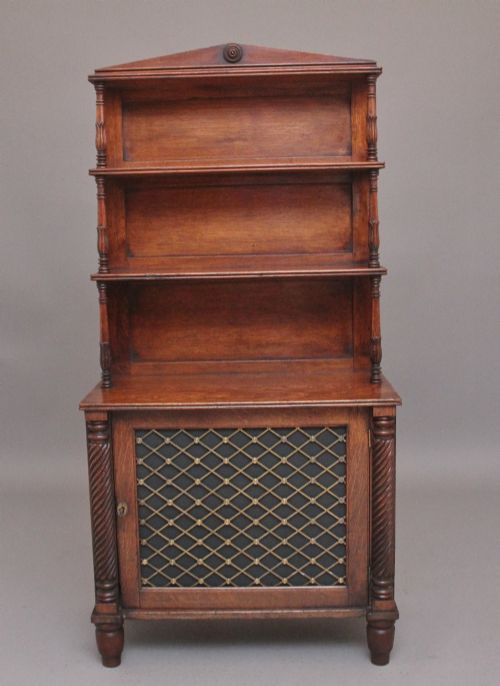
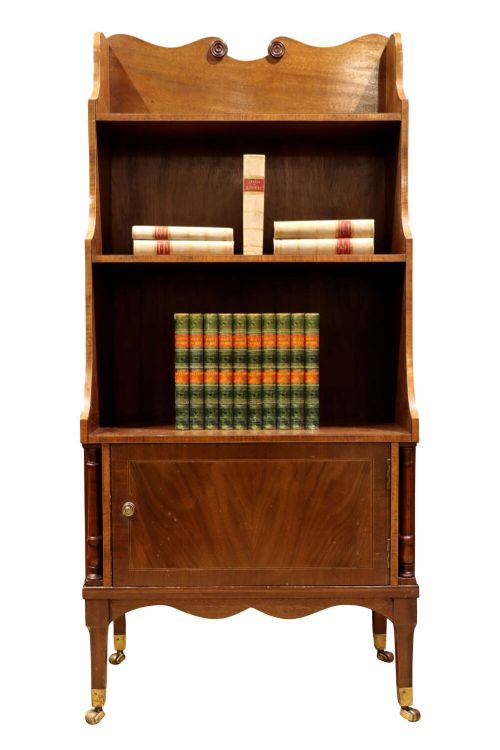
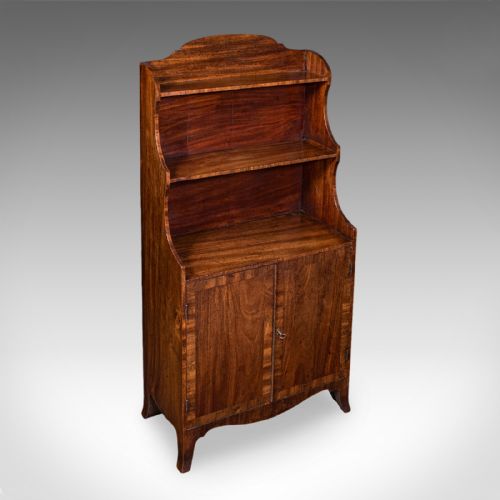
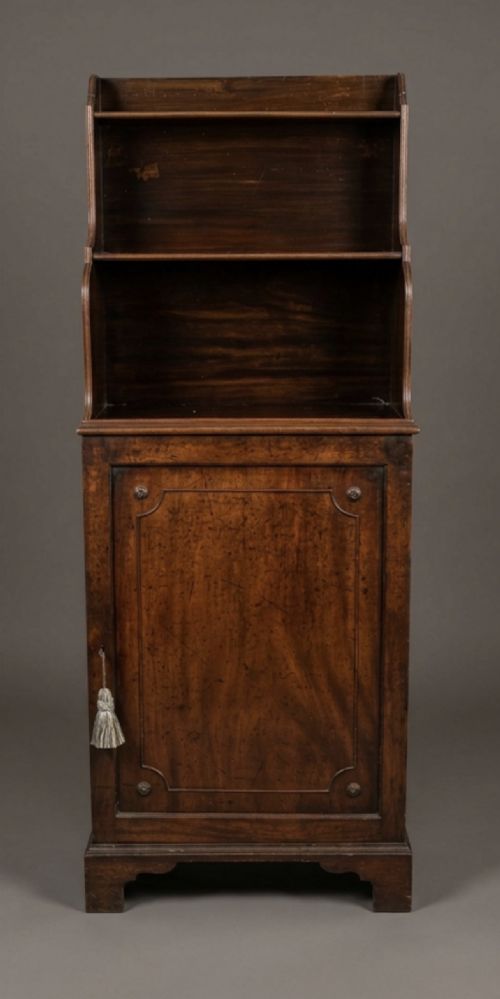
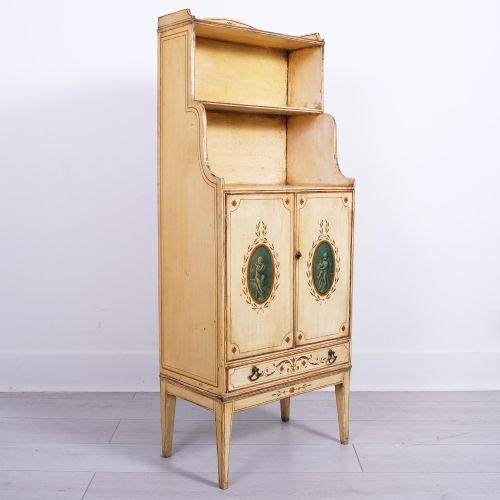
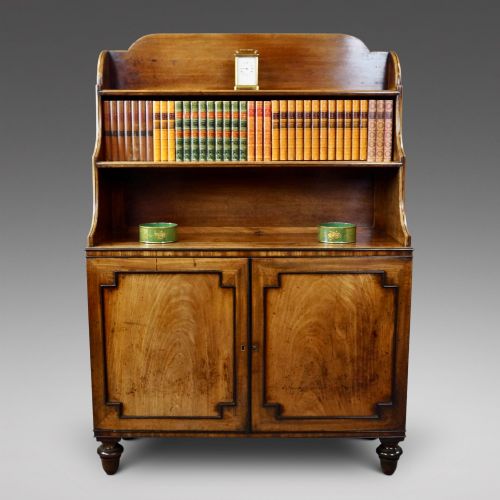
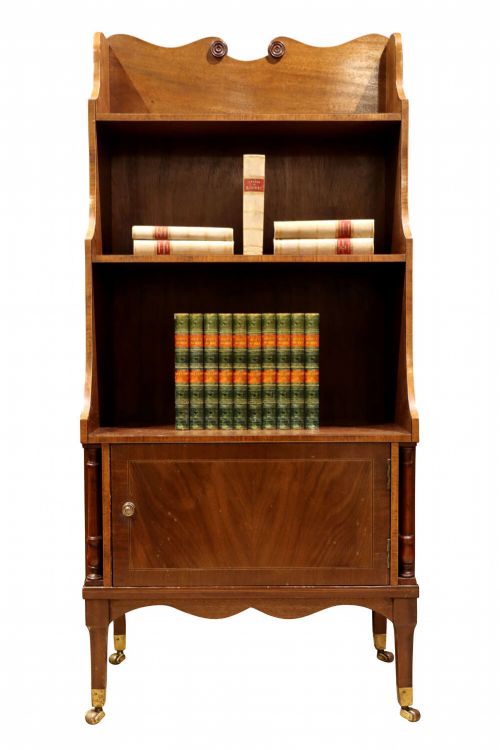
A waterfall display cabinet presents a series of open shelves stepped back in tiers from top to bottom, often sitting above a closed cupboard base or standing free as an open shelving unit. When you search for a waterfall display cabinet, you encounter forms ranging from petite chiffonier cupboards to tall stacking bookcase sections.
The pieces on this page span the 18th century, Regency, Georgian, Victorian, Edwardian and later periods, with mahogany standing as the dominant timber alongside satinwood, rosewood, oak and painted wood. You are most likely to meet mahogany examples from the Regency and Georgian eras, or inlaid Edwardian interpretations fitted with brass castors and single drawers.
Makers such as Gillows appear among these listings, alongside unsigned English pieces of small proportions designed for compact spaces. The overarching characteristic is the descending tier arrangement, which draws the eye down the graduated shelves while keeping display items accessible.
How they were made
Cabinet makers constructed these pieces primarily from solid and veneered mahogany, satinwood and rosewood, applying flame mahogany figures to drawer fronts and door panels. Timber frames were joined using traditional cabinet-making methods to support the graduated weight of stepped shelving.
Surface finishes include polished wood, painted wood, and original grained finishes, complemented by brass details such as castors and handles. Inlaid decoration in contrasting light timbers frequently accents the mahogany structures on later Victorian and Edwardian iterations.
Waterfall Display Cabinet Retail Price Guide 2026
Typical asking prices for waterfall display cabinet among the pieces listed under this phrase on Sellingantiques today, from the lower quarter to the upper quarter. They describe what is for sale here now, not the wider market.
Some pieces roll about on tiny brass wheels, ready to chase your book collection across the rug.
What varies in quality
The distinction between tiers rests upon timber selection and the crispness of the stepped shelf junctions, where figured mahogany and matched satinwood veneers command greater attention than plain secondary timbers. Finer examples exhibit proportioned graduation and integrated cupboards with panelled doors rather than purely utilitarian shelving.
Hardware and support elements dictate the structural integrity of the piece, with original brass castors and intact gallery details marking superior craftsmanship. The presence of documented makers such as Gillows elevates an item through documented attribution and refined joinery.
Gillows
The Waterfall Display Cabinet Glossary
- Waterfall bookcase
- An open shelving unit featuring tiers that step back progressively from top to bottom. This design provides easy access to books while displaying objects on graduated ledges.
- Chiffonier
- A low cabinet or sideboard popular in the Georgian and Regency periods. These pieces frequently incorporate cupboards beneath display shelves or drawers.
- Flame mahogany
- A veneer cut from the fork of the mahogany tree where branches meet the trunk. It creates a distinctive, fiery ripple pattern prized in cabinet making.
- Brass castor
- A small swivelling wheel made of brass attached to the feet of furniture. It allows heavy display cabinets to be moved across floors with minimal effort.
- Inlay
- A decorative technique where contrasting pieces of wood or other materials are inserted into recesses within a solid timber surface.
Waterfall Display Cabinet: Frequently Asked Questions
What is a waterfall display cabinet?
A waterfall display cabinet is a piece of furniture featuring stepped, graduated shelves that descend from the top down. Many examples also include a closed cupboard base or small drawers beneath the open tiers.
These units were designed to hold books and display decorative objects while occupying a compact footprint in a room. The stepped profile creates a distinct visual descent that inspired the waterfall description.
How do I date a waterfall display cabinet?
Dating relies on identifying timber choices, construction methods, and stylistic details associated with periods like the Georgian era, Regency, or Edwardian times. Earlier pieces often feature solid mahogany and restrained lines, while later Victorian and Edwardian versions incorporate intricate wood inlay and brass castors.
Examining the secondary woods inside drawers and the type of fixings used provides further clues to the age of the cabinet. Comparing the proportions and finish against documented examples helps narrow down the decade of manufacture.
Where should I place a waterfall display cabinet?
These cabinets suit living rooms, studies, or hallways where their compact proportions allow them to sit flat against a wall without dominating the space. Because the shelves step back, they fit well in corners or narrower passageways where a standard deep bookcase would jut out.
Positioning them away from direct sunlight and heat sources protects the polished timber and delicate veneers from drying out or fading over time. Ensure the floor is level, particularly if the piece rests upon its original brass castors.
How do I care for antique timber?
Care for antique mahogany and satinwood involves dusting regularly with a soft, dry cloth and avoiding silicone-based polishes that build up residue. Applying a quality beeswax occasionally helps nourish the wood and maintain a natural sheen.
Maintaining stable room humidity prevents the timber from warping and keeps veneers from lifting along the shelf edges. Handle the cabinet gently when moving it, lifting rather than dragging to protect the legs and castors.