

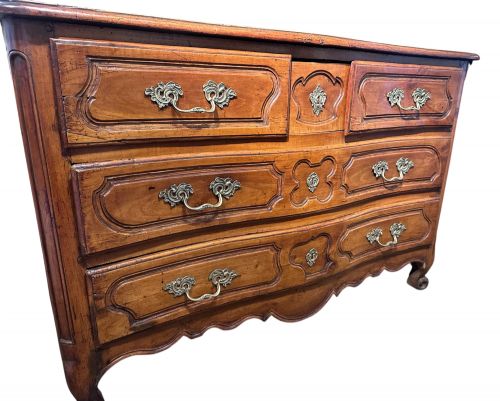


Warm Wood Commode
A warm wood commode brings tactile depth and rich grain to a room, offering practical storage disguised as exceptional furniture.
Warm Wood Commode
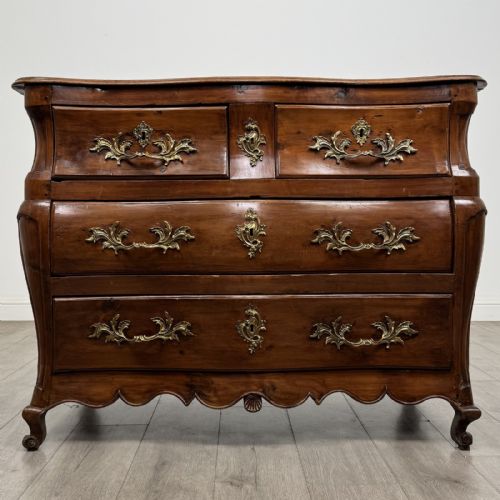
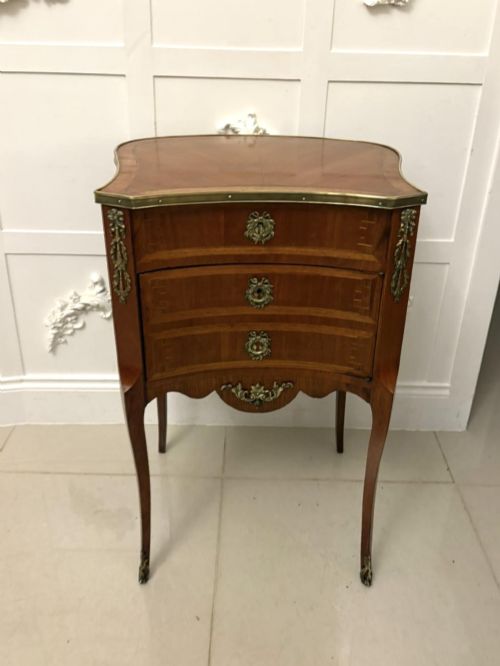
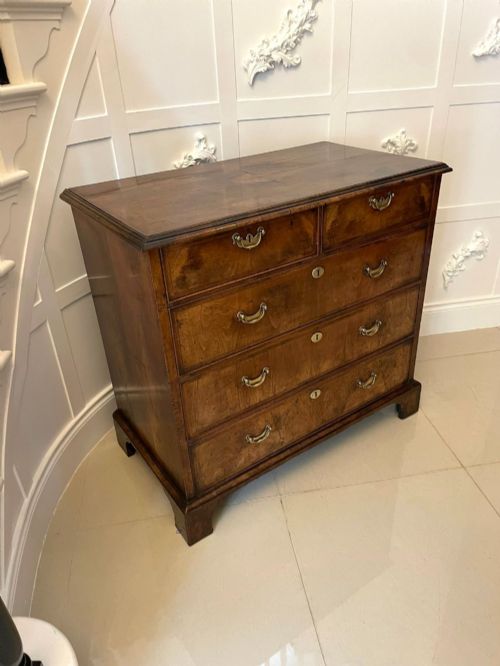
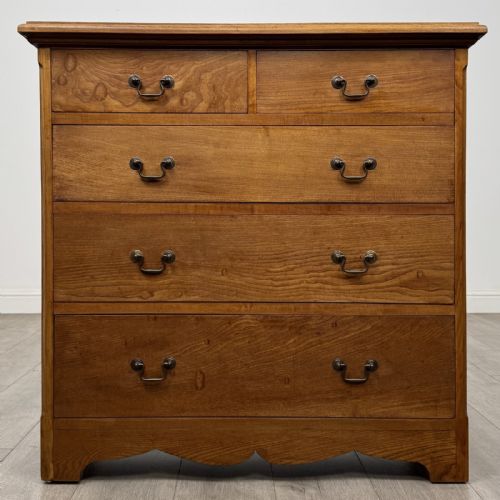
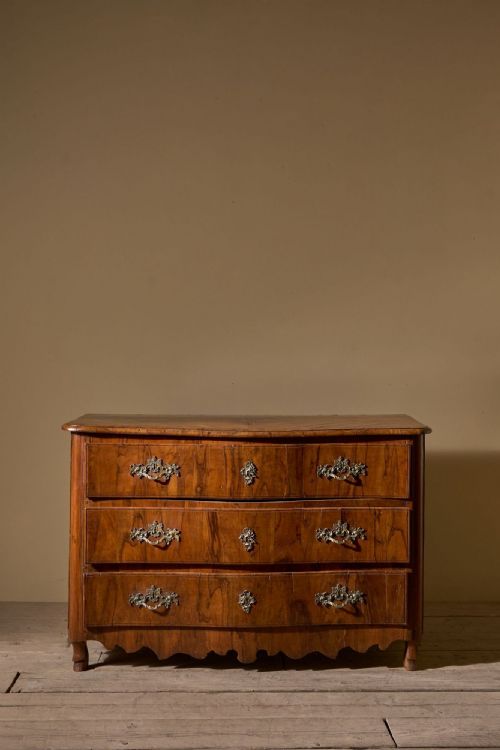
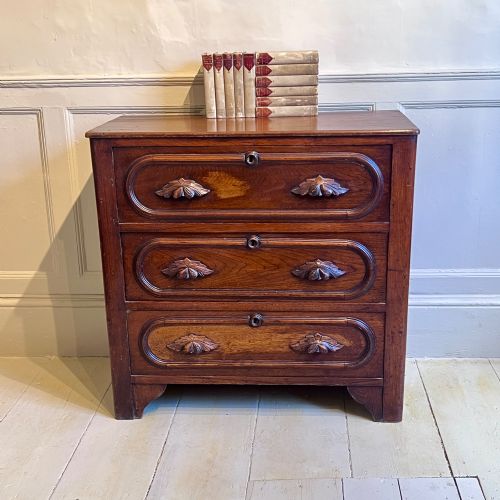
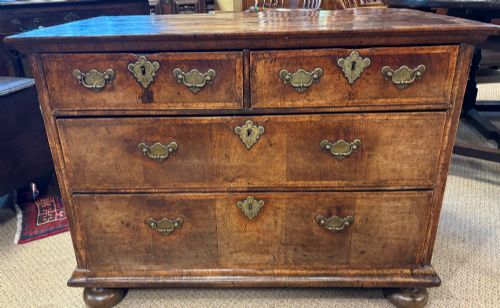
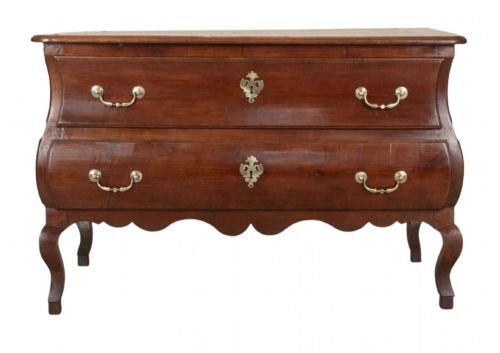
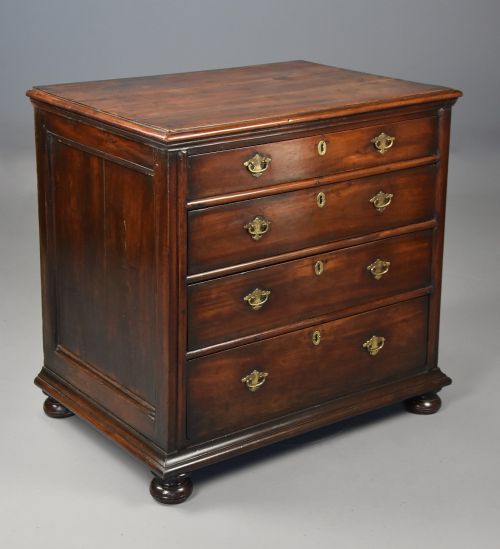
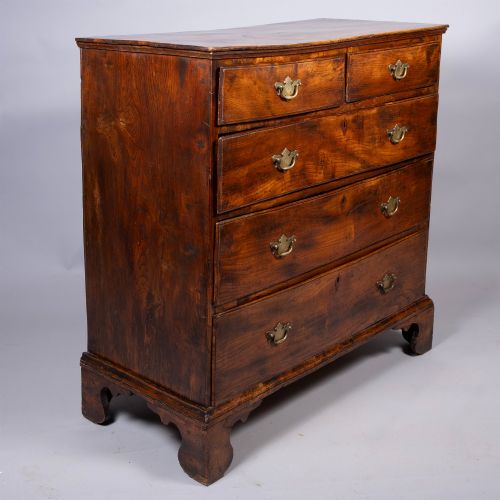
When you search for a warm wood commode, you encounter a variety of drawer chests and side cabinets spanning multiple centuries. The selection ranges from 17th-century fruitwood and cedar examples to Georgian mahogany and walnut pieces, alongside French and Dutch provincial forms.
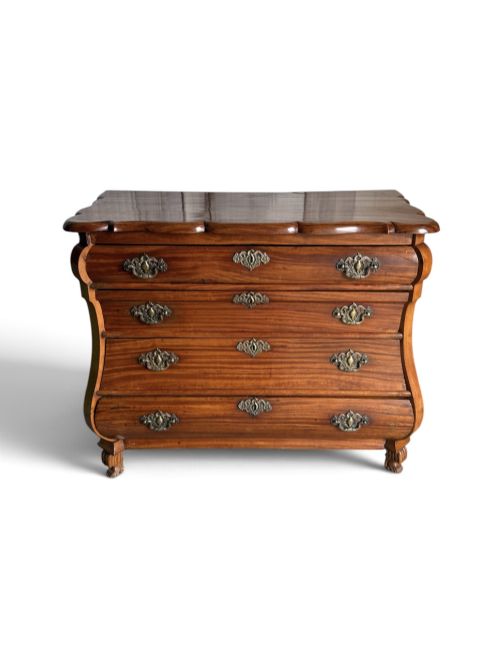
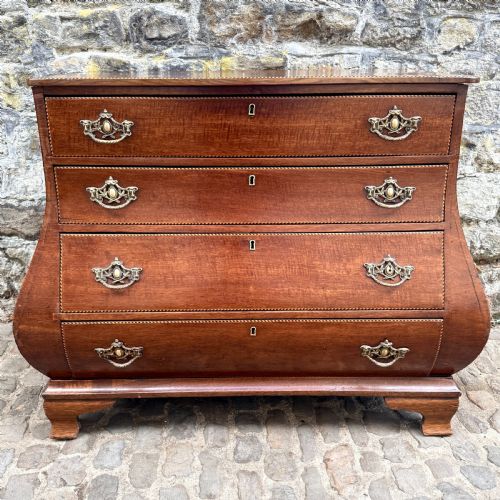
The objects take the form of chests of drawers, bombe shapes, and commodes featuring brass handles and occasionally original marble tops. Walnut, oak, mahogany, cherrywood, and olive wood dominate the materials, showing considerable breadth in regional styles from English Georgian to French Louis XV and Dutch Baroque.
How they were made
Cabinet makers utilised dense native and exotic timbers, building carcases in solid oak, walnut, mahogany, cedar, and fruitwood. Surfaces frequently display figured veneers, marquetry, and elm or satinwood accents that highlight the natural grain patterns of the wood.
Hardware consists principally of brass handles and escutcheons, fastened to drawer fronts constructed with traditional joinery. Structural variations include bombe profiles, breakfront designs, and simulated painted wood finishes.
Warm Wood Commode Retail Price Guide 2026
Typical asking prices for warm wood commode among the pieces listed under this phrase on Sellingantiques today, from the lower quarter to the upper quarter. They describe what is for sale here now, not the wider market.
What varies in quality
The standard of a warm wood commode rests upon the selection of the timber and the crispness of the cabinet work. Pieces featuring heavily figured walnut, olive wood, or satinwood display superior visual depth compared to plainer surfaces.
Construction integrity and the preservation of original elements, such as brass hardware and marble tops, define the upper tier of pieces. Regional execution, from Dutch Baroque curves to French transitional lines, dictates the refinement of the silhouette.
The Warm Wood Commode Glossary
- Bombe
- A chest of drawers or commode featuring a convex, bulging front and sides, characteristic of continental cabinet making. This shape requires advanced woodworking skill to achieve curved drawer fronts and carcases.
- Marquetry
- The art of applying pieces of veneer to a structure to form decorative patterns and pictures. Craftsmen utilise various coloured woods to create intricate floral or geometric designs.
- Breakfront
- A piece of furniture whose front projects forward in the centre section. This architectural device adds depth and visual interest to the facade of side cabinets and large chests.
- Sauteuse
- A French commode style typically featuring two drawers and slender legs. The name derives from its light, compact proportions relative to heavier case furniture.
Warm Wood Commode: Frequently Asked Questions
How do I care for a wood commode?
Keep wooden furniture away from direct heat sources and drastic humidity changes to prevent the timber from splitting or warping. Dust regularly with a soft cloth and apply appropriate wax sparingly to maintain the finish.
Avoid commercial liquid polishes containing silicones, which can damage historic surfaces over time. Gentle, consistent maintenance preserves the natural lustre of the grain.
What is a bombe chest?
A bombe chest is a form of furniture characterised by bulging, convex curves on both the front and the sides. This distinctive silhouette became prominent in continental European design during the eighteenth century.
Crafting a bombe shape required expert joinery to ensure the drawers operated smoothly within a curved carcase. These pieces often feature elaborate marquetry or figured veneer work.
How do I distinguish walnut from mahogany?
Walnut typically displays a rich brown tone with complex, swirling grain patterns and occasional lighter honey-coloured highlights. It was widely used in English and continental furniture from the seventeenth and eighteenth centuries.
Mahogany generally exhibits a straighter, redder grain that deepens in colour with age and exposure to light. Georgian cabinet makers favoured mahogany for its strength and stability in large drawer chests.
Where should I place a commode?
A commode functions effectively in a hallway, living room, or bedroom as both a surface display area and a storage unit. Its proportions allow it to sit beneath mirrors or artwork without overwhelming a room.
Ensure the placement accounts for drawer clearance, particularly with wider chests or bombe designs that extend further into the floor space.