

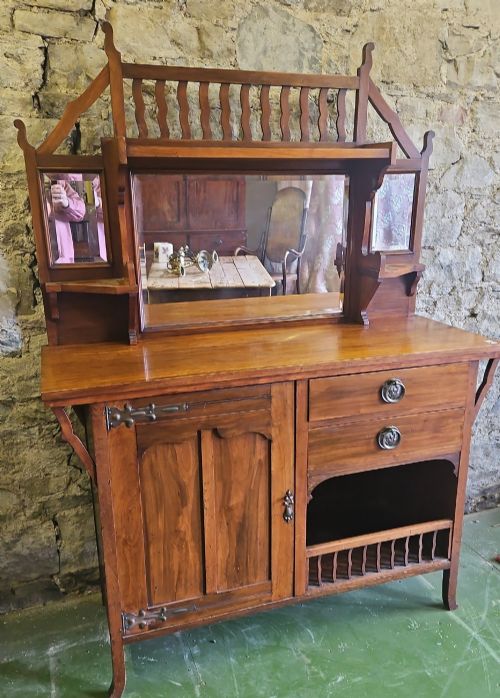
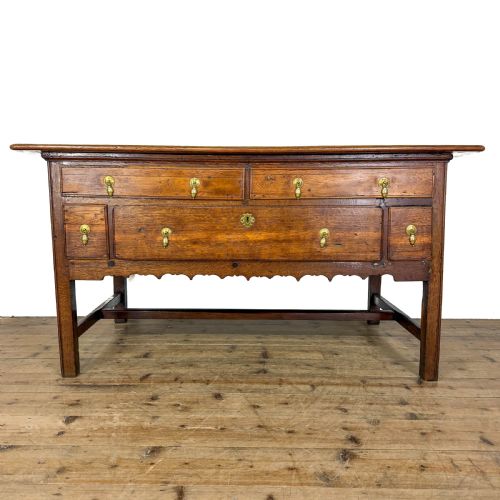


Warm Oak Buffet
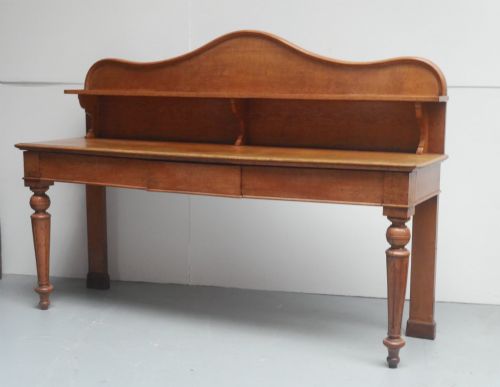
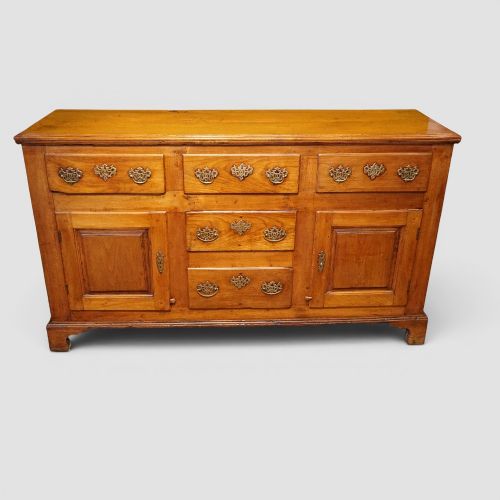
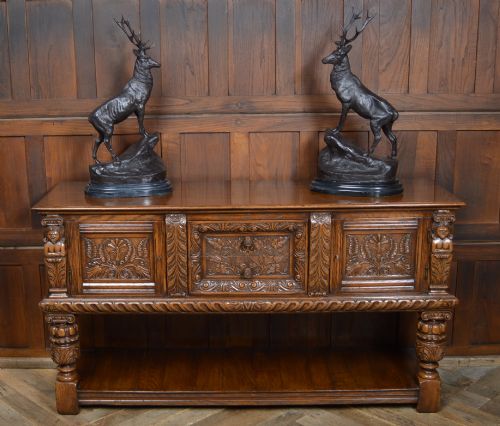
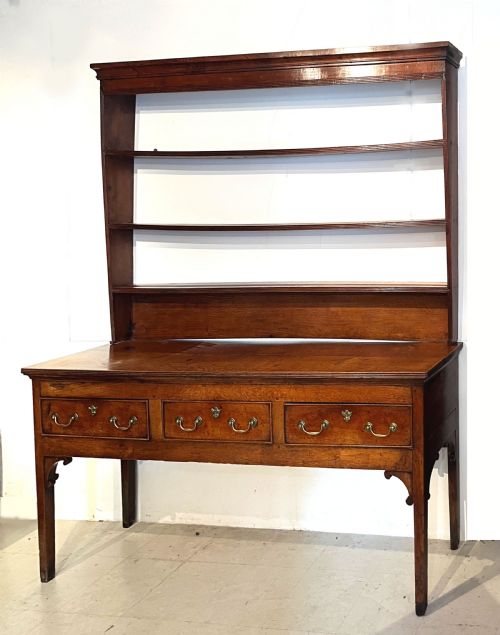
A warm oak buffet brings genuine timber character and practical storage into a dining space or kitchen.
Warm Oak Buffet
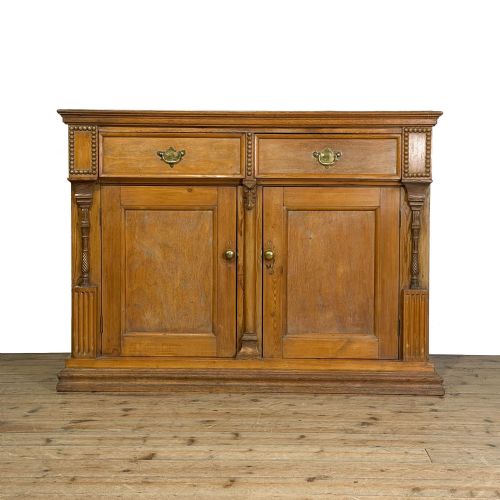
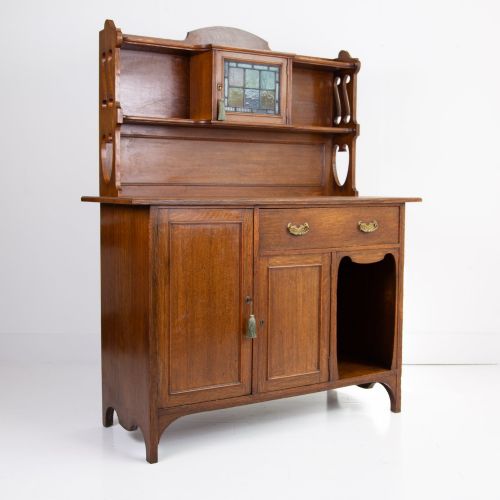
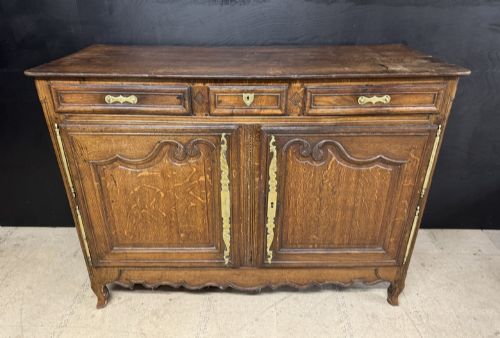
A warm oak buffet represents a heavy wooden serving piece or storage cabinet found across various traditional periods. These items encompass Georgian dresser bases, French provincial enfilades, and Arts and Crafts sideboards.
Buyers are most likely to encounter 18th-century and 19th-century examples alongside Edwardian interpretations on this page. Formats range from low pot board bases to tall dresser racks and multi-door cupboards.
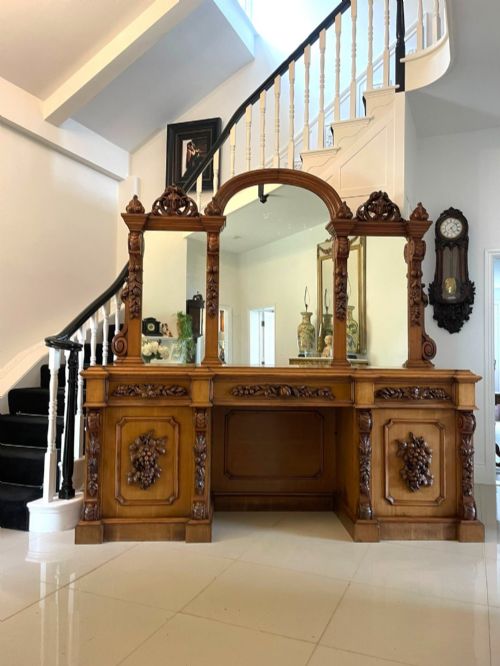
Continental pieces sit alongside English and Scottish formats, showing regional variations in timber selection and carving. The common thread across the selection remains the use of oak alongside supporting woods like fruitwood.
How they were made
Cabinet makers constructed these pieces using solid oak planks, frequently supplemented by secondary timbers such as fruitwood and walnut. Workshops employed traditional joinery methods to build stable frames for heavy household use.
Warm Oak Buffet Retail Price Guide 2026
Typical asking prices for warm oak buffet among the pieces listed under this phrase on Sellingantiques today, from the lower quarter to the upper quarter. They describe what is for sale here now, not the wider market.
A house maid cupboard keeps your cleaning supplies hidden behind solid oak panels, ensuring your brooms live a life of aristocratic luxury.
What varies in quality
The degree of hand carving and the crispness of moulded details separate standard utility furniture from finer workshop pieces. Better examples display careful timber selection, such as tiger oak or pollard oak figuring, paired with balanced proportions.
Structural integrity depends on the original construction of the drawers, pot boards, and door panels. Pieces retaining their original brass hardware and untouched timber surfaces hold greater appeal for traditional interiors.
Maple and Co·T Simpson and Son
The Warm Oak Buffet Glossary
- Dresser base
- A low wooden storage unit featuring drawers and cupboards, originally used in kitchens for food preparation and serving.
- Enfilade
- A long continental sideboard or buffet cabinet designed with a series of doors along the front elevation.
- Pot board
- An open lower shelf built into a dresser base specifically for storing heavy pots and culinary utensils.
- Tiger oak
- Quarter-sawn oak timber displaying distinctive medullary ray figuring that resembles tiger stripes.
- Sacristy cabinet
- A low buffet style traditionally utilised in church vestries before finding a place in domestic hallways and dining rooms.
Warm Oak Buffet: Frequently Asked Questions
What is a warm oak buffet used for?
These pieces serve as practical storage units and display surfaces in dining rooms, kitchens, or hallways. They hold tableware, linens, and serving dishes while anchoring the room with traditional timber.
Larger versions with racks or plate shelves also allow homeowners to display ceramics and decorative kitchenware.
How do I identify an 18th-century buffet?
Eighteenth-century examples often feature pegged frame construction, hand-planed panels, and heavy oak boards showing natural grain variation. Regional pieces display simpler provincial lines compared to formal Georgian workshop items.
Hardware and drawer construction methods also offer clear clues to the age and origin of the timber frame.
Where were these buffets made?
The pieces originate from various regions across Britain and continental Europe, including France, Scotland, and Wales. Local cabinet makers utilised readily available regional timbers to build sturdy furniture for country houses and town dwellings.
Distinct regional styles emerged, such as Welsh Talwrn dressers and French provincial enfilades.
How do I care for antique oak furniture?
Keep the timber away from direct heat sources and sudden temperature changes to prevent the wood from splitting. Regular dusting with a soft cloth maintains the finish.
Applying a traditional beeswax occasionally helps nourish the oak surface and preserves its natural warmth.