


Warm Brown Hallway Table
A warm brown hallway table offers a welcoming surface for incoming post and keys while anchoring an entrance with rich, traditional timber.
Warm Brown Hallway Table
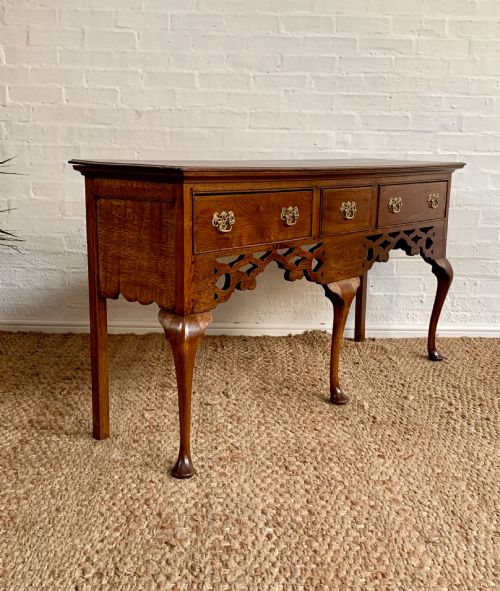
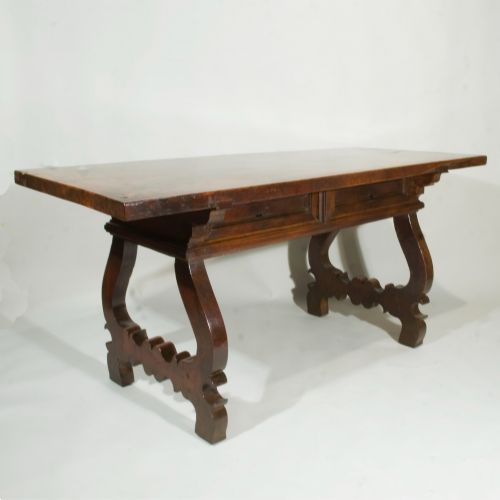
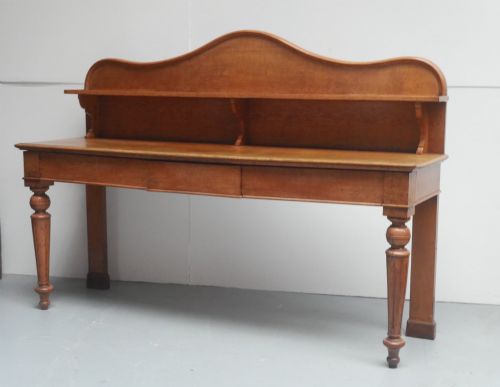
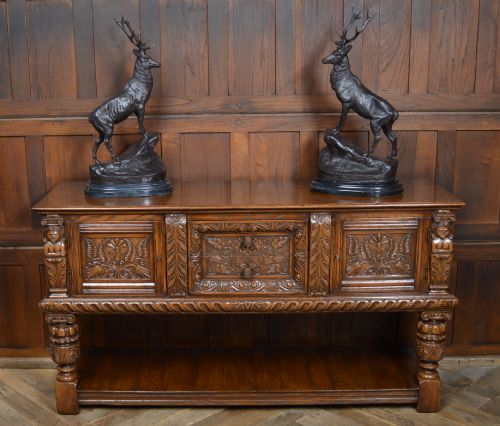
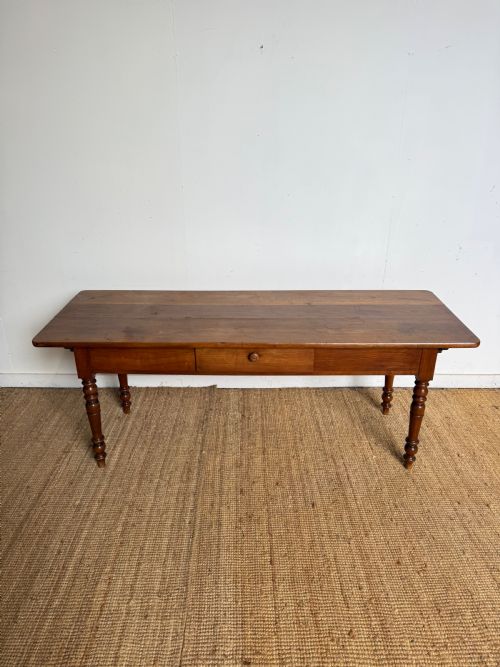
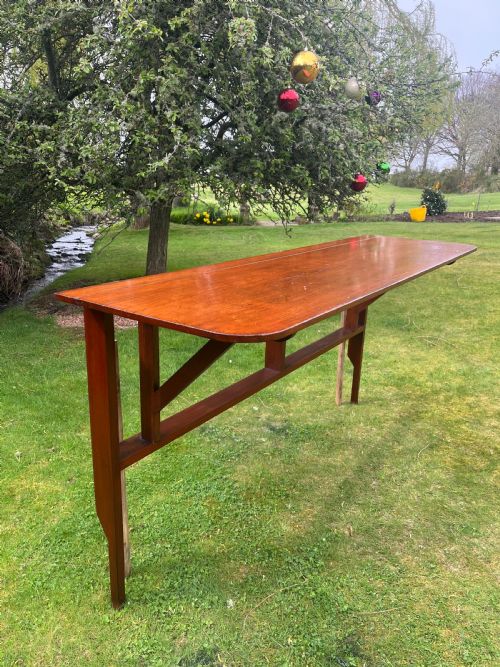
A warm brown hallway table appears in forms ranging from compact side tables and lowboys to long serving tables and console tables. These pieces are chosen to fit narrow circulation spaces while providing practical surface area and storage.
The selection includes examples from the seventeenth century through to the Edwardian period and the Art Deco era. Oak, mahogany, and walnut dominate the offerings, often displaying deep, rich natural patinas earned over generations of use.
Materials and construction
Cabinetmakers utilised solid hardwoods like oak, walnut, and mahogany, frequently constructing frames with traditional joinery to ensure stability in heavy-use areas. Secondary timbers such as pine appear in carcass construction and drawer linings.
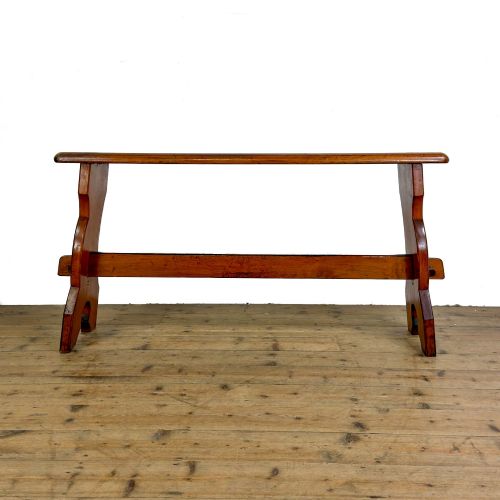
Finishing techniques relied on hand-applied waxes and polishes that enhanced the natural grain patterns of cherrywood and fruitwood. Structural elements range from simple turned legs to cabriole supports and trestle bases.
An organ bench disguised as a side table proves that Victorian households loved repurposing music room furniture for the hallway.
Factors of quality
The standard of a warm brown hallway table depends on the selection of timber figures and the crispness of any carved or turned details. Superior examples exhibit balanced proportions that suit narrow passages without appearing clumsy.
Original hardware, sound structural joinery, and depth of colour elevate an item above simpler utility pieces. Age-appropriate patination on working surfaces indicates healthy survival through years of domestic service.
The Warm Brown Hallway Table Glossary
- Console table
- A table designed to stand against a wall, frequently secured to it or supported by front legs. These are particularly useful in hallways for saving floor space.
- Lowboy
- A small seventeenth or eighteenth-century dressing or side table featuring one or more tiers of drawers beneath the surface. They often stand on slender cabriole legs.
- Dresser base
- A lower sideboard or serving table originally used in kitchens or dining rooms for food preparation and storage. They provide generous drawer space beneath a heavy timber top.
- Cabriole leg
- A furniture leg that curves out in a convex arc and then bends inward in a concave arc, resembling the leg of an animal. This style is frequently seen on eighteenth-century inspired tables.
- Demi-lune
- A half-moon shape used for the tops and frames of certain console and side tables. This profile allows the furniture to sit flush against a wall while projecting minimally into the hallway.
Warm Brown Hallway Table: Frequently Asked Questions
Where should I place a hallway table?
Position your table against a clear wall space near the primary entrance to catch everyday items like keys and post. Ensure there remains adequate clearance for doors to open fully and for people to pass comfortably.
Keep the piece away from direct heat sources and strong sunlight to protect the aged timber finishes and prevent the wood from drying out or splitting over time.
How do I care for antique wood surfaces?
Dust the surface regularly with a soft, dry cloth to prevent the accumulation of abrasive particles. Apply a traditional beeswax polish occasionally to nourish the timber and maintain a deep, natural sheen.
Avoid placing wet items or unsealed plant pots directly on the antique wood to prevent water rings and staining. Use coasters or decorative trays if you plan to keep drinks or keys on the top surface.
What is the difference between a console and a side table?
Console tables are specifically designed to stand against a wall and traditionally relied on the wall for part of their support, though modern interpretations are freestanding. Side tables are independent pieces finished on all sides that can float more freely within a room or hallway.
Both serve similar functional roles in an entranceway, but console tables often feature narrower profiles suited to restricted corridor spaces.
How can I tell the age of a wooden table?
Examine the construction methods visible beneath the top and inside the drawer boxes, looking for hand-cut dovetails and tool marks left by early woodworking planes. The presence of shrinkage cracks and uneven wear patterns often indicates genuine age.
Compare the timber species and leg style against known historical periods, remembering that regional makers often adapted fashionable metropolitan designs years after their introduction.