

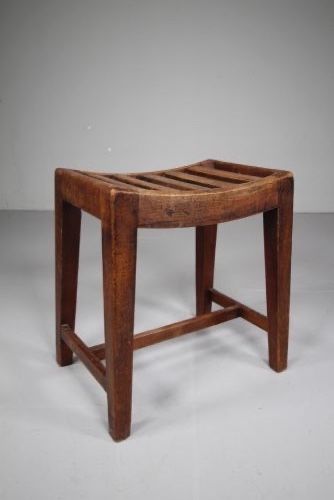

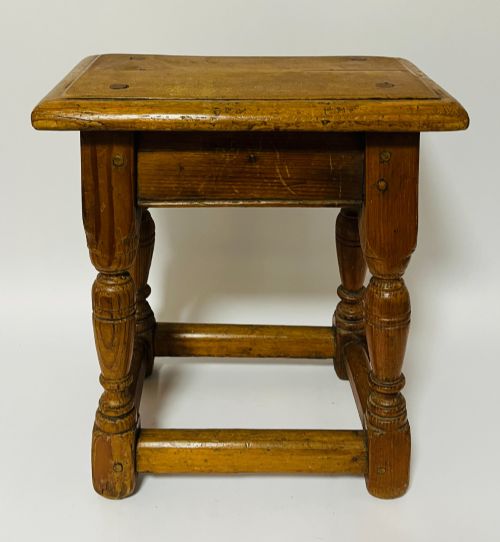
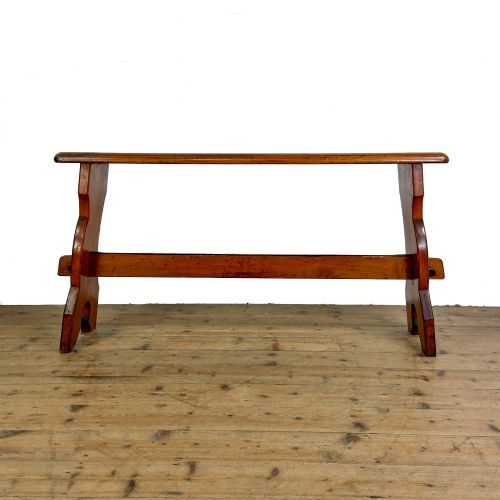
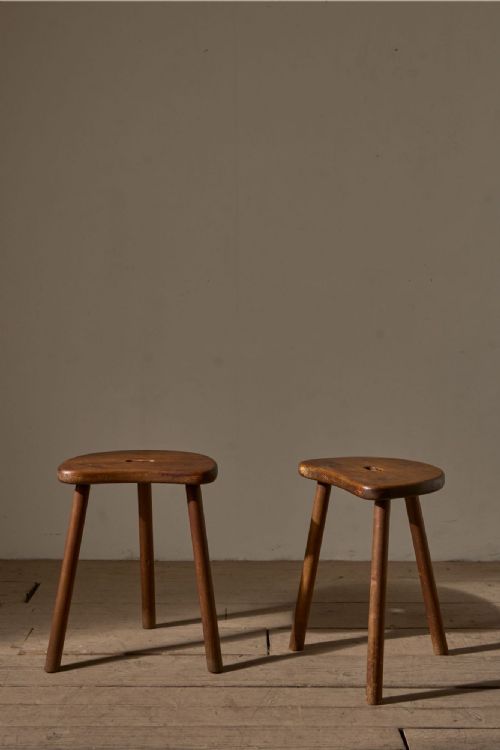


Warm Brown Country Stool
These warm brown country stool examples bring honest utility and rich timber tones into modern rooms.
Warm Brown Country Stool
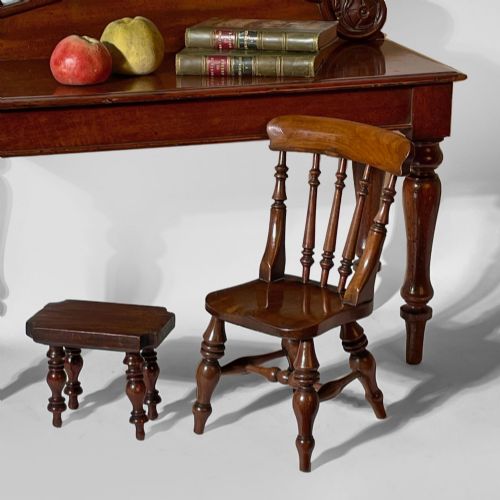
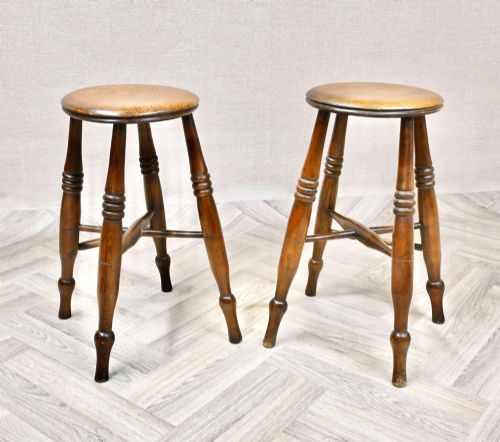
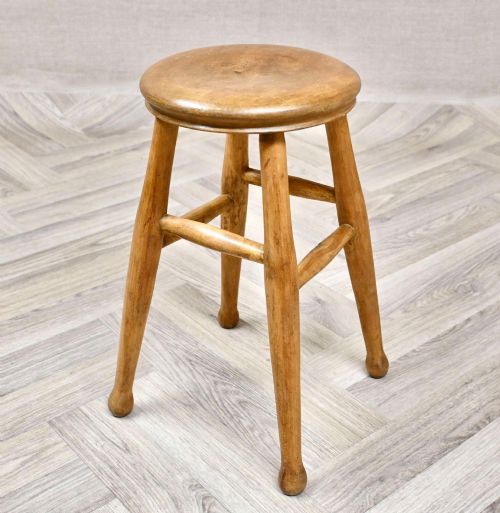
When you search for a warm brown country stool, you are looking at utilitarian seating shaped by regional makers from native timbers. These pieces range from simple three-legged designs to low hearth stools and tall bar seating.
You are most likely to meet nineteenth-century vernacular examples on this page, often fashioned from elm, pine, or ash with honest peg joints and simple patinated surfaces. Their forms developed for specific domestic or workshop tasks rather than formal display.
The selection includes low country stools, hearth benches, and swivel seats alongside occasional candle stands and tables sharing the same rustic palette. Each piece carries the marks of everyday use in farmhouse kitchens, alehouses, and workshops.
How they were made
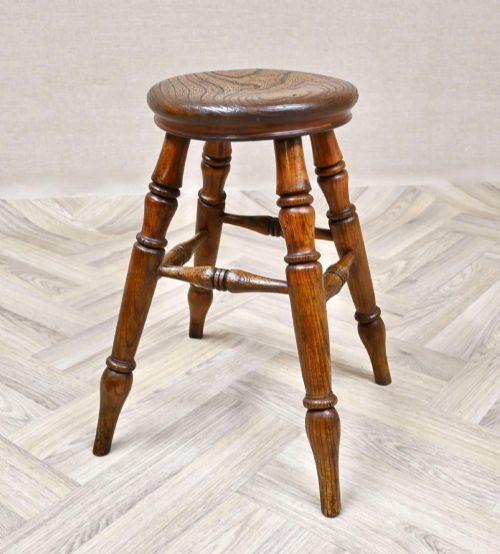
These pieces rely on solid native hardwoods such as elm, ash, oak, and yew wood, chosen for strength and local availability. Makers turned legs on simple lathes and wedged them directly into thick solid timber seats.
Joinery is direct and functional, utilising pegged mortise and tenon joints or through-wedged legs that show end-grain on the upper surface. Surfaces were left natural or finished with simple oils and waxes that deepened the tone over decades of handling.
Warm Brown Country Stool Retail Price Guide 2026
Typical asking prices for warm brown country stool among the pieces listed under this phrase on Sellingantiques today, from the lower quarter to the upper quarter. They describe what is for sale here now, not the wider market.
Materials in these listings span elm, oak, pine, ash, yew wood, mahogany, beech, and rush across multiple centuries.
What varies in quality
Quality in a warm brown country stool rests on the proportion of the turning, the thickness of the seat slab, and the integrity of the original joints. Better examples retain their original timber height without excessive wear to the base of the legs.
Patina and surface depth separate straightforward utility pieces from those with exceptional character. Original timber surfaces untouched by modern sanding preserve the tool marks and gradual colour changes that mark genuine age.
The Warm Brown Country Stool Glossary
- Vernacular
- Things made by local craftsmen for everyday use rather than following high-style academic designs. This term covers much of the unpretentious country seating found here.
- Joint stool
- A low wooden seat constructed with mortise and tenon joints pegged together. These sturdy pieces pre-date widespread chair usage in many rural homes.
- Windsor
- A style of seating construction where legs and spindles are fitted directly into a solid carved wooden seat rather than a framed chassis. It provides notable strength from relatively slender components.
- Yew wood
- A dense native timber prized for its rich reddish-brown colour and decorative grain pattern. It was frequently used for high-status country furniture and Windsor seats.
Warm Brown Country Stool: Frequently Asked Questions
Are these stools sturdy enough for daily use?
Most pieces are built from solid hardwoods with pegged joints designed for heavy domestic or workshop labour. They offer robust everyday seating when checked for stability.
Loose legs can usually be re-wedged using traditional methods without altering the historic structure of the seat.
How do I clean an old wooden seat?
Dust the surface regularly with a dry cloth and apply occasional clear beeswax to nourish the timber. Avoid harsh modern detergents that strip the historic patina.
Gentle cleaning preserves the warm brown tones built up over centuries of handling.
How can I tell an eighteenth-century piece from a nineteenth-century one?
Look at the tool marks, the method of leg attachment, and the wear patterns on the wood. Earlier pieces often display wider boards and hand-adzed seat contours.
Nail types and timber shrinkage also offer clues to the approximate decade of construction.
Where were these pieces originally used?
Country stools served in farmhouse kitchens, rural alehouses, workshops, and dairies where practical seating was essential. Tall variants suited drafting or bar work, while low models stood near hearths.
Their simple forms adapted easily to various domestic tasks.