




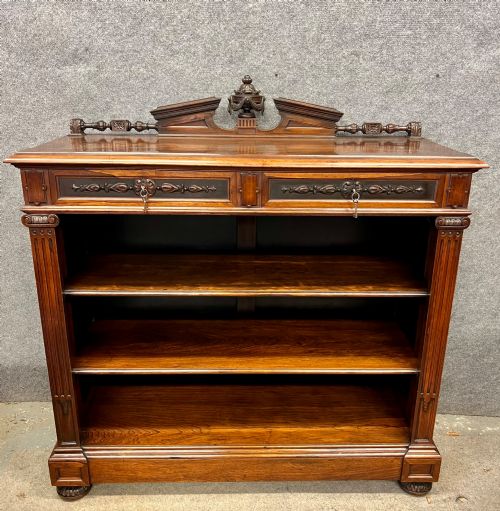
Walnut Wood Shelf
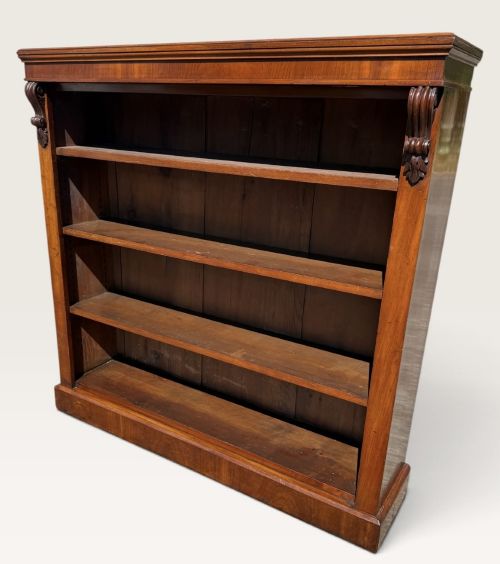
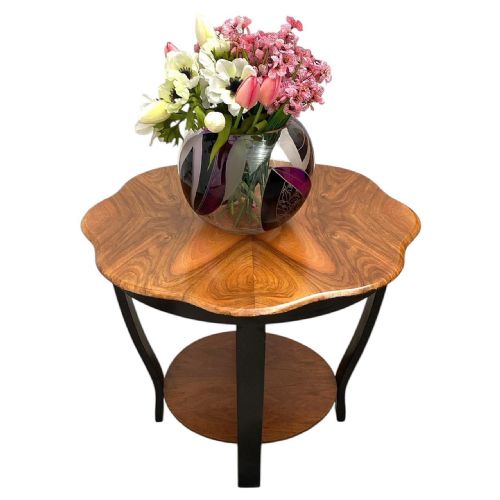
These walnut wood shelf pieces bring rich grain and compact display space to a room, offering practical storage that suits both traditional and modern interiors.
Walnut Wood Shelf
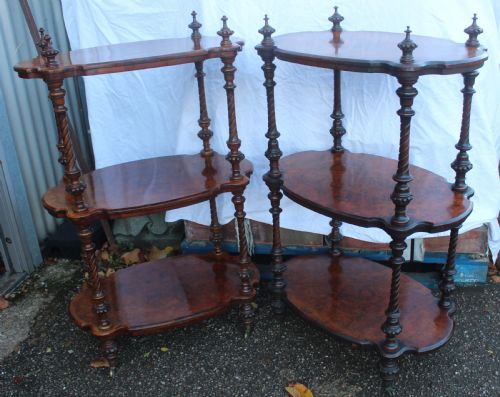
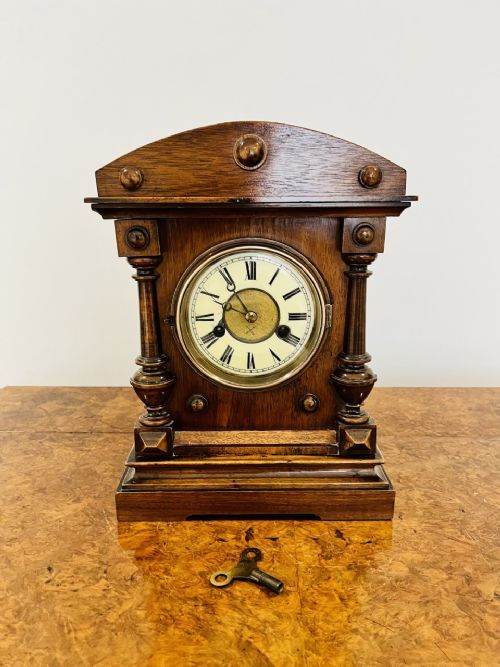
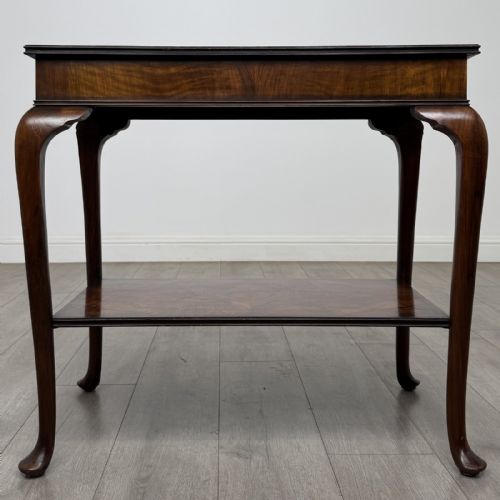
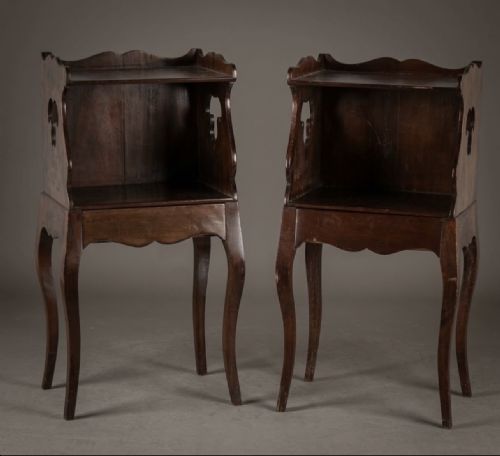
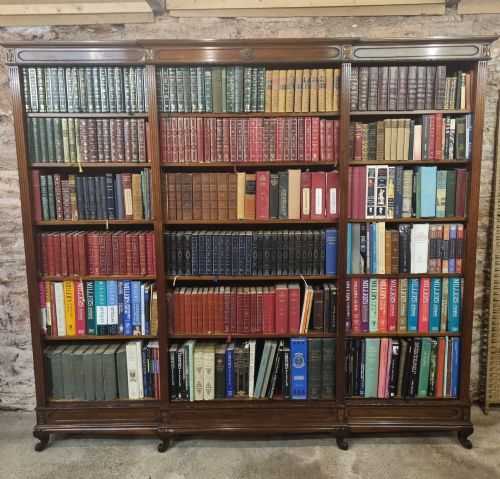
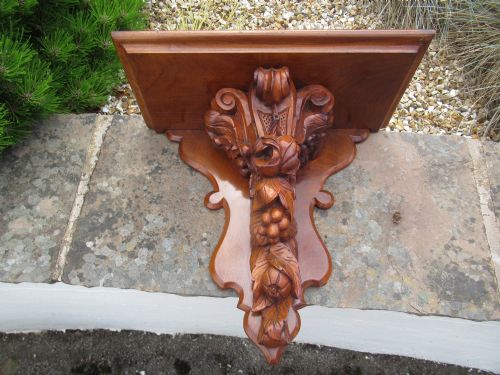
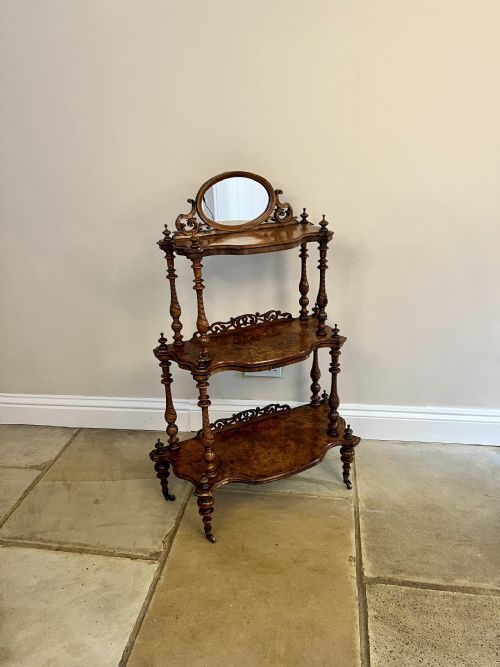
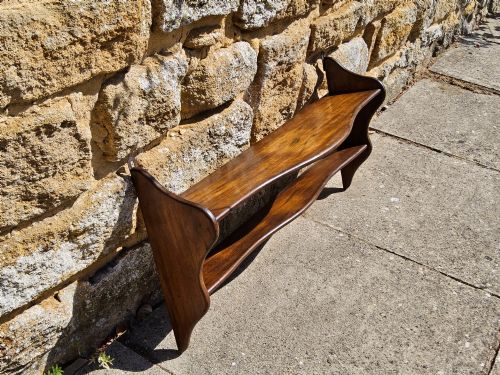
When you search for walnut wood shelf, you encounter various wall-mounted brackets, hanging cabinets, and multi-tiered whatnots that serve as functional display surfaces. These pieces emerge from periods spanning the nineteenth century through the Art Deco era, showing how makers adapted domestic storage to changing interior tastes.
The selections on this page lean heavily toward Victorian corner whatnots, Edwardian wall units, and nineteenth-century wall brackets. These forms utilise walnut timber to provide sturdy ledges for books, ornaments, and everyday items without occupying floor space.
Makers designed these items to utilise vertical wall space efficiently, combining structural timber with display ledges. The inventory reflects a strong presence of walnut and burr walnut across the Victorian and Edwardian periods.
Materials and construction methods
Craftsmen shaped these items using solid walnut and decorative burr walnut veneers applied to secondary timbers like pine. This technique highlights the natural figuring of the wood on prominent display surfaces while maintaining structural stability.
Joinery methods in these pieces include traditional dovetails and fitted brackets designed to support weight against walls. Metal elements such as brass mounts and mirror glass appear alongside carved wooden details, particularly in French and Black Forest pieces.
Walnut Wood Shelf Retail Price Guide 2026
Typical asking prices for walnut wood shelf among the pieces listed under this phrase on Sellingantiques today, from the lower quarter to the upper quarter. They describe what is for sale here now, not the wider market.
The listings encompass items spanning the Victorian, Edwardian, and Art Deco periods, utilising solid walnut, burr walnut, and brass.
Assessing quality in walnut display pieces
Quality in these items rests on the selection of the timber grain, particularly the richness and symmetry of burr walnut veneers. Superior examples display careful matching of wood figures across doors, shelves, and back panels.
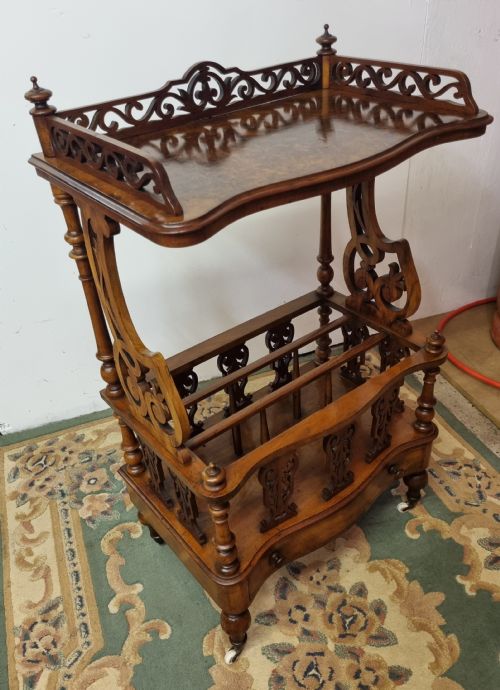
The crispness of carved details, such as pierced fretwork on whatnots or corbels on wall brackets, distinguishes finer workshop production. Robust construction of joints and the retention of original brass hardware further elevate a piece above standard utility items.
German H.A.C.·Gabriel Viardot·Heal's·Epstein
The Walnut Wood Shelf Glossary
- Burr walnut
- A highly figured veneer taken from the wart or burl growths of the walnut tree. It produces intricate, swirling grain patterns prized for decorative furniture surfaces.
- Whatnot
- A set of open shelves standing on legs or mounted to a wall, used for displaying ornaments and small objects. Victorian examples often feature multiple tiers and pierced fretwork.
- Wall bracket
- A projecting support fastened to a wall to hold a bust, clock, or decorative object. These architectural elements often feature carved wooden scrollwork.
- Étagère
- A piece of furniture consisting of a series of open shelves for displaying small articles. They appeared frequently in nineteenth-century interiors.
- Breakfront
- A piece of furniture whose central section projects forward from the flanking sections. This configuration adds depth and visual interest to bookcases and cabinets.
Walnut Wood Shelf: Frequently Asked Questions
How do I hang a vintage wall shelf?
Check the original mounting points or fixings on the back of the timber frame to ensure they can bear the intended weight. Secure the piece directly into wall studs or use appropriate heavy-duty wall anchors suited to plaster or brick.
Distribute weight evenly across the timber ledges to prevent undue strain on the bracket joints or hanging loops over time.
What is burr walnut timber?
Burr walnut is a decorative wood veneer harvested from the knotty growths on walnut trees. It yields complex, swirling grain patterns that catch the light.
Cabinet makers applied these thin sheets to the primary surfaces of bookcases, cabinets, and tables to create striking visual textures.
How do I care for walnut furniture?
Dust the timber regularly with a soft, dry cloth to prevent grit accumulation on the polished surface. Keep the pieces away from direct sunlight and heat sources to avoid drying out the wood.
Apply a quality beeswax periodically to nourish the grain and maintain the natural lustre of the finish without sealing the pores.
How do I date a Victorian whatnot?
Examine the timber choices, turning styles, and construction marks on the underside or back of the frame. Mid-nineteenth-century examples often feature dense walnut timbers and hand-cut dovetailing.
Later Victorian and Edwardian pieces frequently incorporate machine-sawn components and lighter scale framing suited to smaller rooms.