

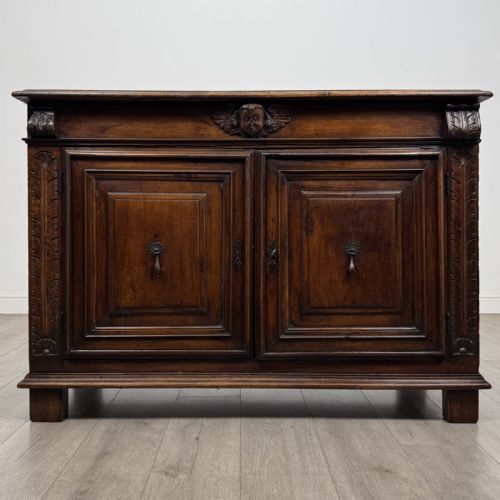
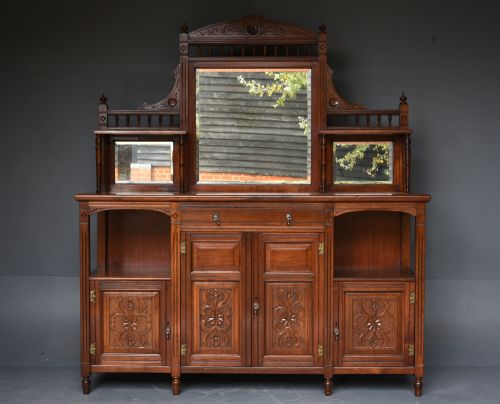
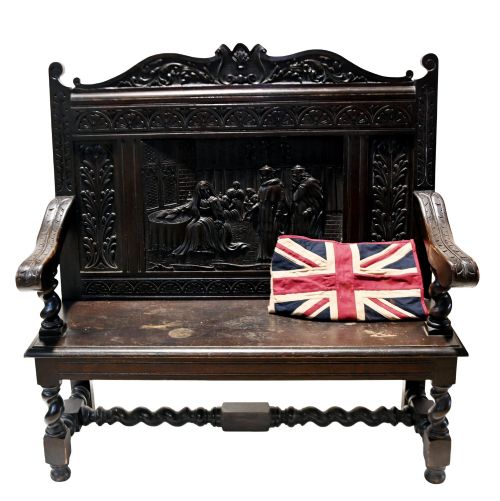


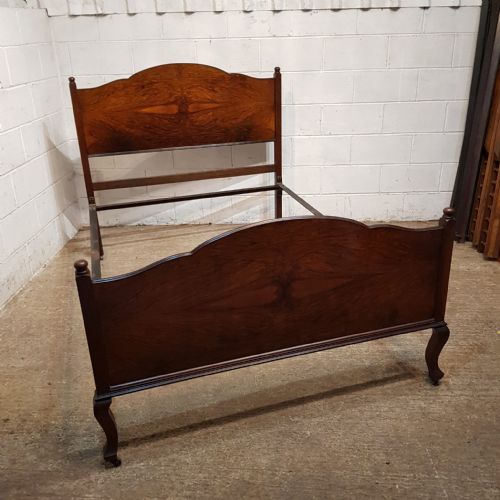




Walnut Wood Panel
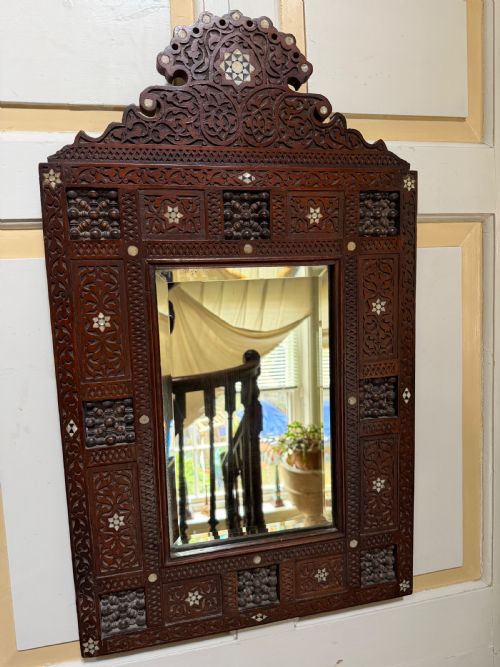
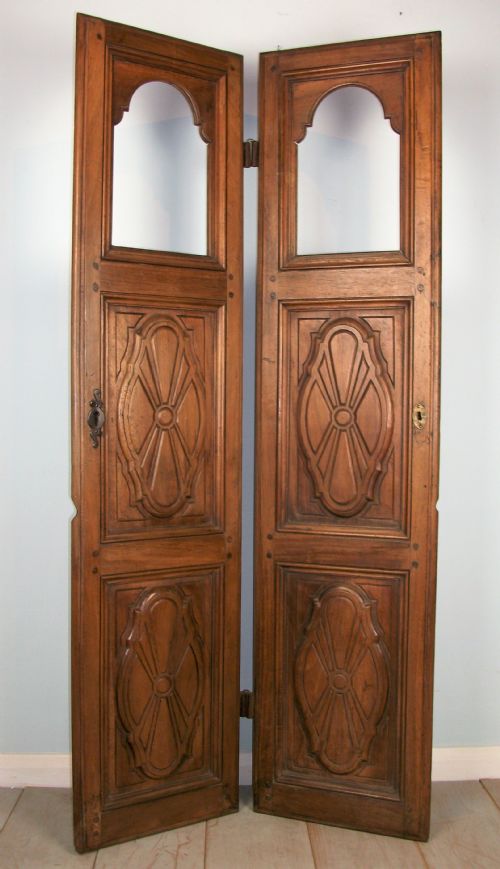
These carved walnut wood panel examples bring warmth and rich grain to a wall, offering centuries of European craftsmanship for modern interiors.
Walnut Wood Panel
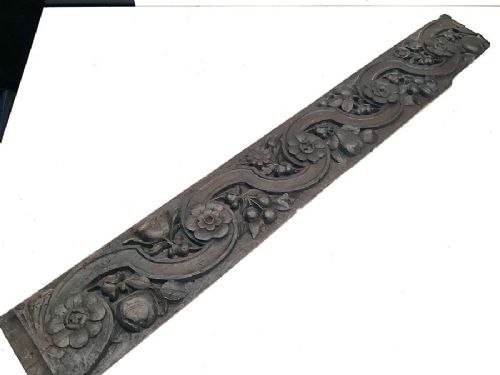
A walnut wood panel search reveals architectural salvage, carved wall plaques, and decorative cupboard doors originating from the seventeenth century through to the twentieth century. These pieces often feature deep relief carving, figural scenes, or geometric framing reflecting periods such as the Renaissance Revival, Arts and Crafts, and Victorian styles.
Buyers will encounter single carved plaques alongside pairs of antique doors and architectural fragments reclaimed from European châteaux and townhouses. The selection spans distinct forms, from French church carvings and German hunting scenes to Italian Renaissance panels and British domestic woodwork.
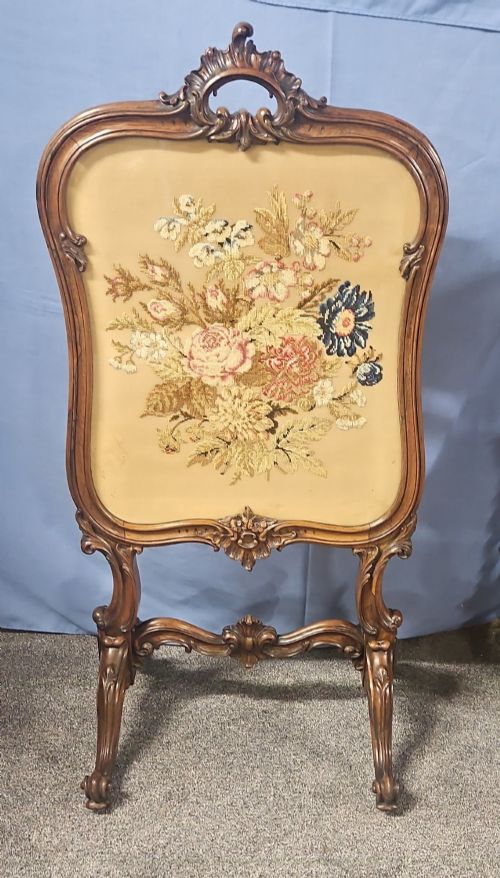
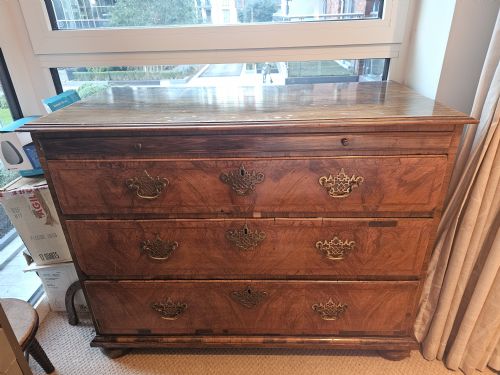
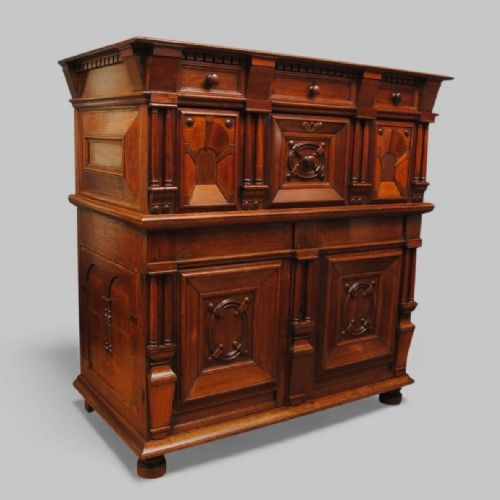
Many of these items function as standalone wall art, mounted for display or incorporated into larger pieces of furniture like sideboards, screens, and cabinets. The timber grain ranges from straight, quiet figures to heavily patterned burr walnut, each displaying the rich warm tones characteristic of the material.
Assessing quality
Depth of carving and sharpness of detail separate standard decorative items from exceptional workshop output. Superior panels exhibit undercut foliage, expressive figural work, and balanced composition that demonstrate the hand of a trained sculptor rather than routine factory production.
The integrity of the timber and the preservation of original surfaces dictate desirability. Examples retaining their untouched historic patination, with minimal timber replacement and sound joinery, hold greater integrity than pieces subject to heavy modern restoration.
Walnut Wood Panel Retail Price Guide 2026
Typical asking prices for walnut wood panel among the pieces listed under this phrase on Sellingantiques today, from the lower quarter to the upper quarter. They describe what is for sale here now, not the wider market.
The listings on this site feature walnut wood panel forms from the seventeenth, eighteenth, nineteenth, and twentieth centuries.
Gregory and Co. of London·Hugues Sambin
The Walnut Wood Panel Glossary
- Burr walnut
- A figured wood grain taken from the growth growths on walnut trees. It displays swirling patterns prized for decorative cabinet fronts and panels.
- Marquetry
- The art of applying pieces of veneer to a structure to form decorative patterns. Artisans use various coloured woods to create pictorial scenes.
- Relief carving
- A sculptural technique where figures or patterns project from a flat background. High relief elements stand almost completely free from the timber base.
- Architectural salvage
- Building elements rescued from demolition or renovation. This category includes salvaged doors, wall panels, and structural ornaments.
- Mashrabiya
- A traditional architectural element of turned wooden lattice panels. It is found on Levantine and Middle Eastern frames incorporated into nineteenth-century pieces.
Walnut Wood Panel: Frequently Asked Questions
How do I hang a heavy carved walnut panel?
Heavy panels require sturdy French cleats or direct fixing into wall studs to support the weight of dense hardwood safely.
Consult a professional restorer if the piece lacks original hanging brackets to avoid damaging the historic timber.
Can I clean antique walnut panels with water?
Moisture can damage old polish and raise the grain of historic walnut timber. Dust the surface regularly with a dry, soft cloth.
Apply a microcrystalline wax sparingly when the wood appears dry to maintain the protective finish.
How do I date an antique walnut panel?
Look at the tool marks left by the carver, the species of secondary woods used in the frame, and the style of the motifs. Seventeenth-century work often shows deeper, bolder relief than later Victorian revival pieces.
Examine the back of the panel for hand-sawn board marks and traditional peg joinery typical of earlier periods.
Are these panels sourced from old buildings?
Many panels originate as architectural salvage from European châteaux, churches, and historic townhouses. They were often removed during nineteenth-century renovations or building clearances.
Other examples were created specifically as decorative wall art or furniture components during the Victorian and Edwardian eras.