

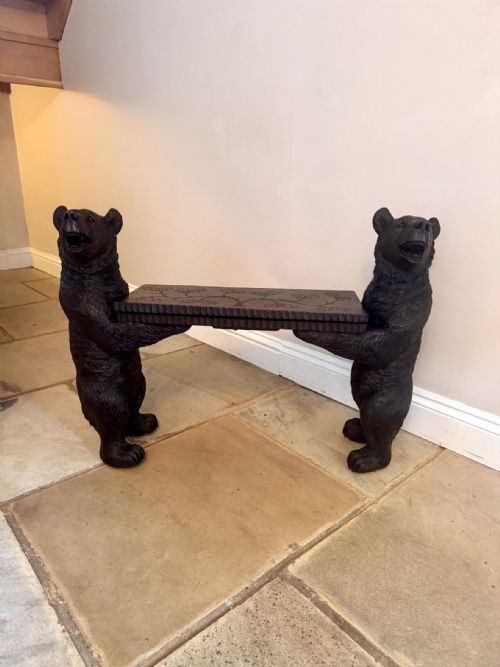


Walnut Wood Bench
When you search for walnut wood bench, you discover solid seating that blends dense grain with carved revival styles across centuries.
Walnut Wood Bench
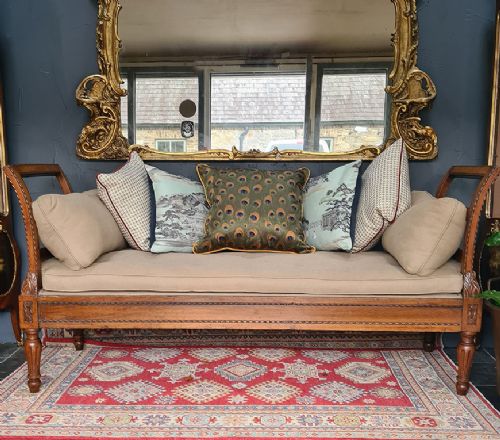
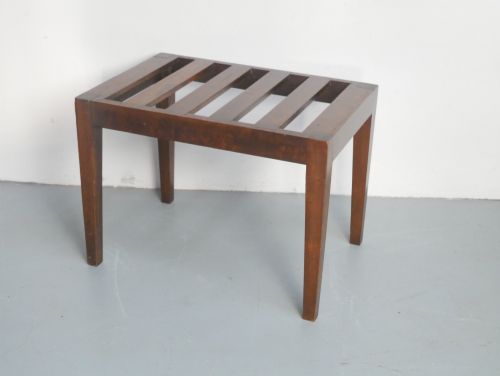
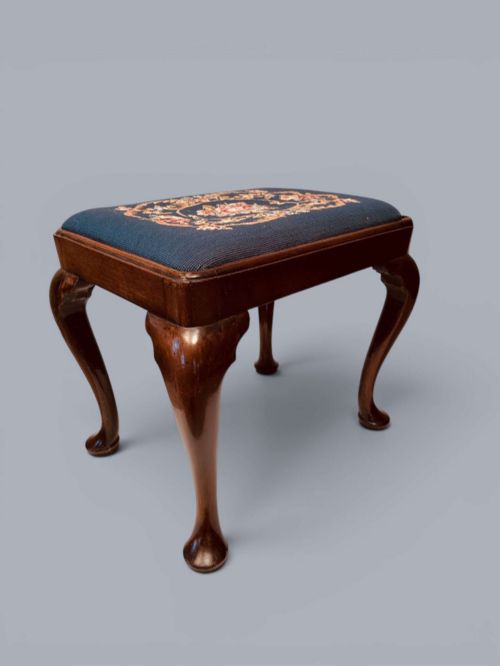
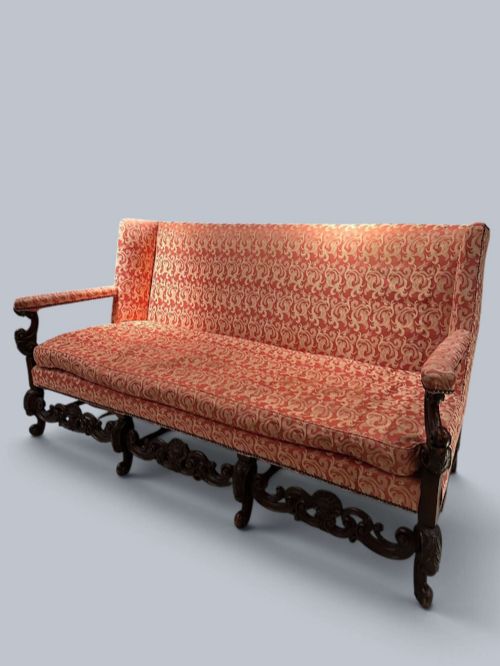
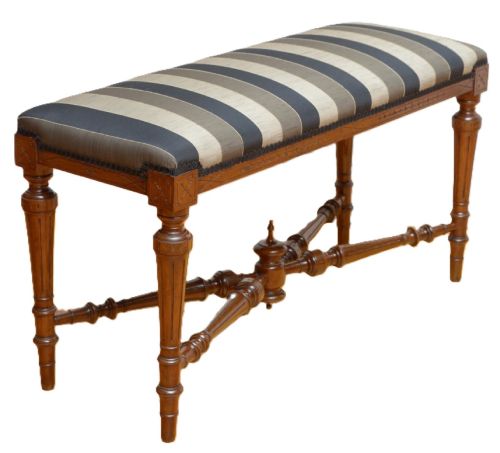
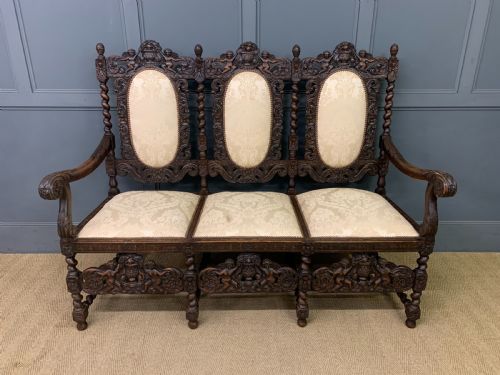
A walnut wood bench encompasses a broad range of antique seating forms, from nineteenth-century window seats to eighteenth-century settees and hall benches. Buyers looking at this selection encounter pieces built in diverse revival styles, including French Louis XV, Renaissance, and Carolean designs.
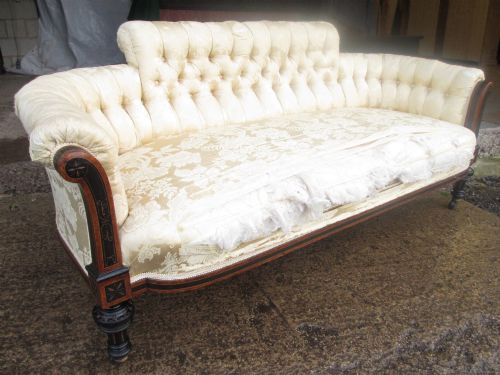
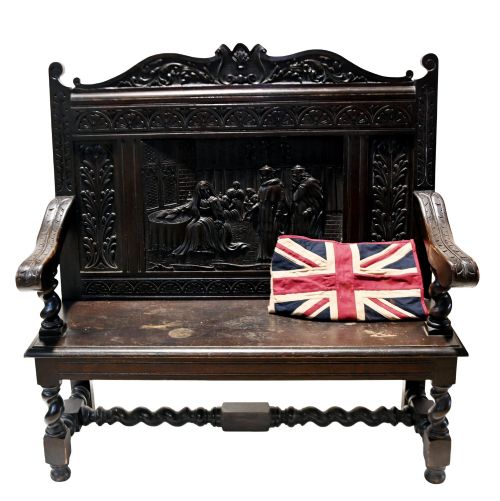
The most common forms on this page include upholstered settees, day beds, and carved hall benches originating from French, Italian, and British workshops. These items span from the eighteenth century through the Victorian era and into the early twentieth century.
Makers often shaped these seats from rich walnut timber, frequently pairing the carved frames with textiles such as velvet, leather, and tapestry. Such pieces served both practical seating and decorative display roles in period hallways, parlours, and drawing rooms.
How they were made
Craftsmen built these benches using solid walnut timber, chosen for its durability and suitability for intricate hand carving. Carpenters employed traditional joinery methods to assemble frames, often embellishing the wood with deep relief work typical of Renaissance and Rococo revivals.
Upholstered versions integrated supportive foundations covered in textiles like velvet, leather, fabric, and tapestry, secured with brass detailing. Certain variations combined the carved timber structure with woven cane panels or twisted rope legs for textural contrast.
Walnut Wood Bench Retail Price Guide 2026
Typical asking prices for walnut wood bench among the pieces listed under this phrase on Sellingantiques today, from the lower quarter to the upper quarter. They describe what is for sale here now, not the wider market.
Current listings span from the 18th century to the early 20th century, incorporating walnut, brass, velvet, leather, and tapestry materials.
What varies in quality
Quality rests primarily in the crispness and depth of the wood carving, where master hands achieved greater definition in floral and figural motifs than standard workshops. The selection of the walnut timber itself dictates distinction, with highly figured grain and uniform colour marking superior examples.
Structural integrity and the preservation of original elements, such as period upholstery or cane work, separate standard items from exceptional finds. Pieces that maintain their architectural proportion without excessive restoration demonstrate superior initial craftsmanship.
The Walnut Wood Bench Glossary
- Settee
- A long upholstered seat with a back and arms, designed for multiple persons. These forms emerged in various revival styles throughout the eighteenth and nineteenth centuries.
- Canapé
- A French-style ornamental sofa featuring an exposed carved wooden frame and upholstered seat and back. They often display curved cabriole legs and elaborate crest rails.
- X-framed stool
- A portable stool constructed with intersecting diagonal legs forming an X shape. This ancient form reappeared in nineteenth-century revival seating.
- Hall bench
- A sturdy wooden seat placed in entrance halls, frequently incorporating high panelled backs and storage compartments under the seat. Italian and Lombardy examples often show deep architectural carving.
- Black Forest
- A nineteenth-century style of carved wooden furniture originating in Switzerland, known for naturalistic animal motifs. Bear carvings are particularly characteristic of this whimsical genre.
Walnut Wood Bench: Frequently Asked Questions
Where should I place a walnut bench?
These benches suit grand entrance halls, living rooms, or bedrooms where their carved timber and upholstered seats can be admired. Pair a hall bench against a blank wall or position a settee as a focal point in a reception room.
Ensure the room humidity remains stable to protect the antique walnut timber and sensitive textiles like velvet or leather from environmental damage.
How do I identify the period of a walnut bench?
Examine the style clues, such as the sweeping curves of a Louis XV piece or the architectural rigour of a Renaissance Revival design. Wood patination and tool marks left by nineteenth or eighteenth-century makers provide further chronological evidence.
Comparing the upholstery style and framing techniques against documented examples from specific decades helps narrow down the exact manufacturing era.
Can I use antique textiles daily?
Original eighteenth or nineteenth-century fabrics require gentle treatment and may not withstand heavy daily traffic. Many pieces feature restored or replacement covers that handle modern use while maintaining period aesthetics.
Consider placing delicate tapestries or silks in low-traffic areas or protect them with subtle throws if you intend to use the seating regularly.
What is a Black Forest musical seat?
A Black Forest musical seat is an unusual nineteenth-century carved wooden bench that incorporates a mechanical musical movement inside the structure. These items combine naturalistic animal carvings, such as bears, with functional furniture.
They serve as both conversational seating and mechanical curiosities, reflecting the Swiss craftsmanship of the eighteen-sixties.