





Walnut Veneer Furniture
Walnut veneer furniture brings rich grain patterns and warm tones into a room, spanning periods from seventeenth-century chests to art deco cabinets.
Walnut Veneer Furniture
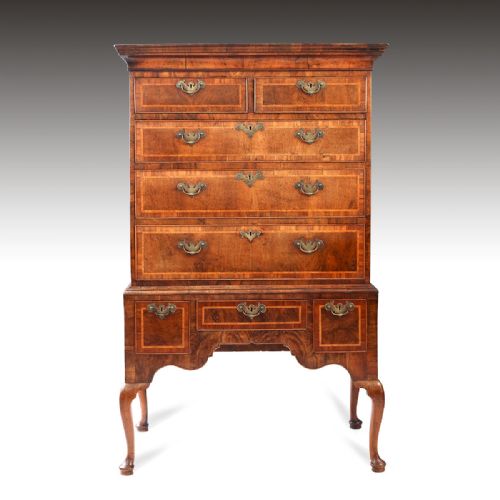
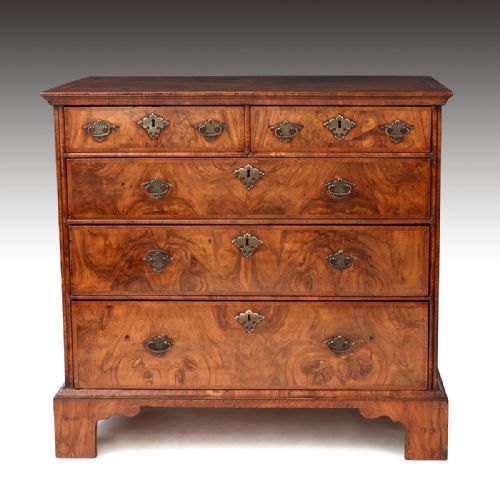
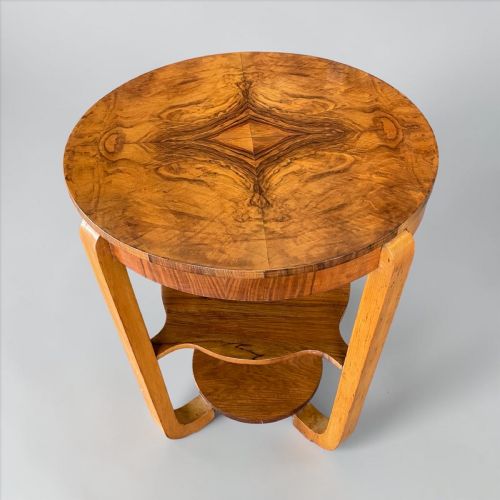
When searching for walnut veneer furniture, buyers encounter a diverse range of historic pieces spanning the seventeenth century up through the art deco era of the twentieth century. The selections available on this page lean heavily toward practical domestic forms, including chests of drawers, bedside tables, occasional tables, and storage cabinets.
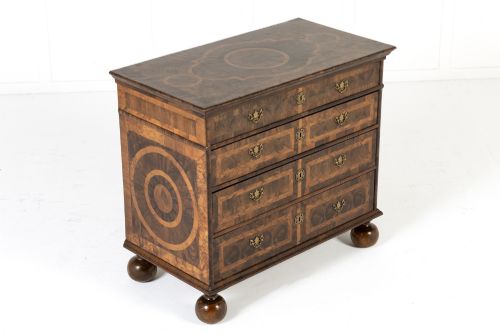
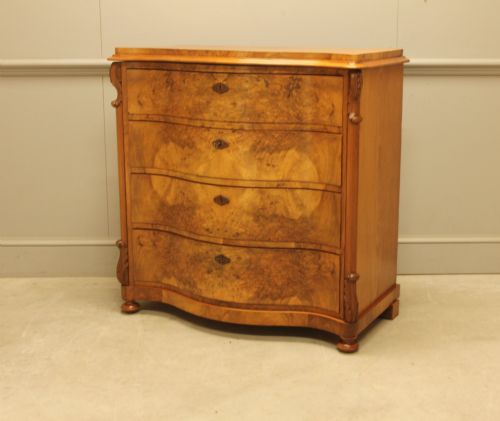
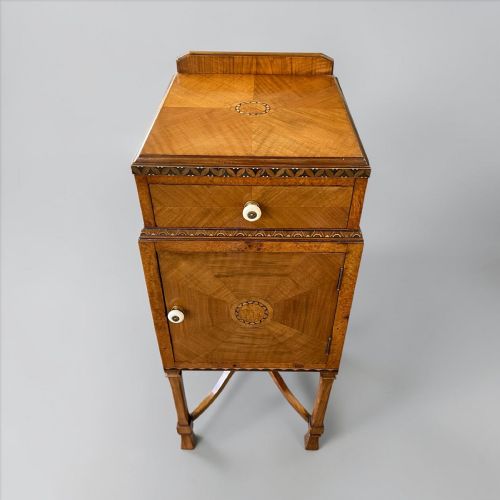
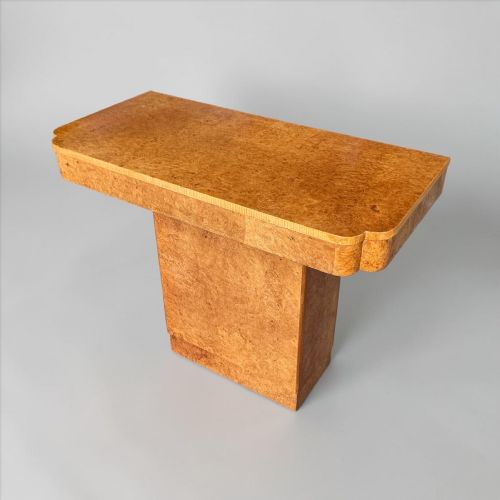
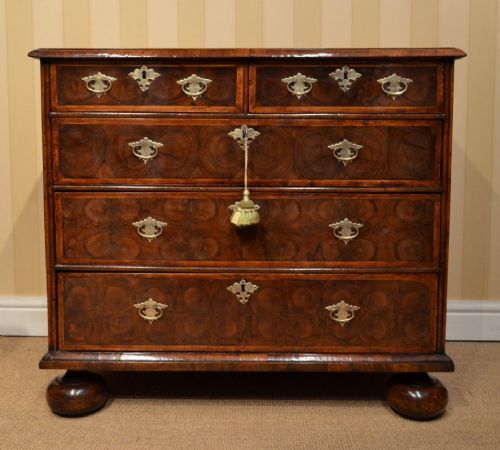
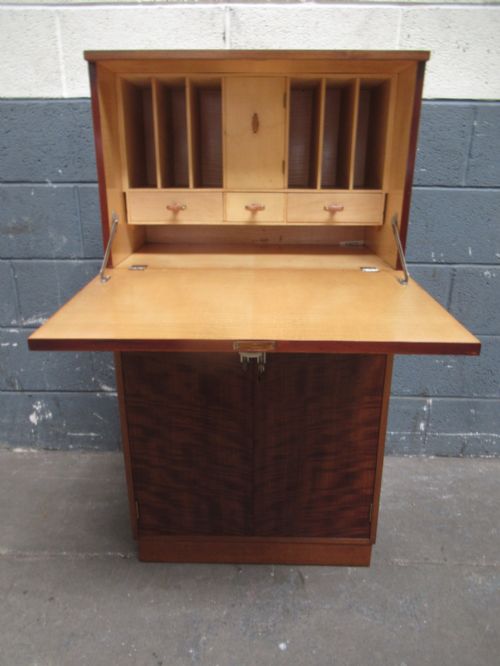
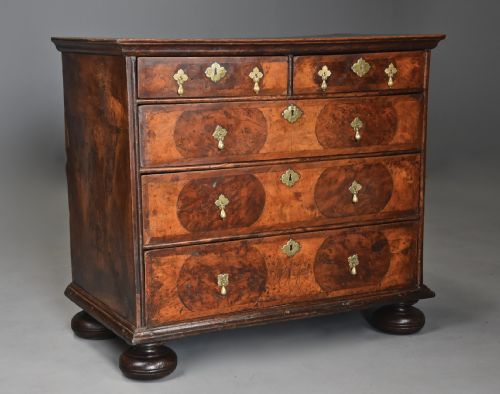
Earlier examples showcase seventeenth-century craftsmanship through intricate geometric patterns and oyster cuts, while later nineteenth-century pieces introduce continental commodes and Biedermeier designs. Twentieth-century iterations arrive via art deco consoles, writing desks, cocktail cabinets, and double beds defined by geometric layouts and figured veneers.
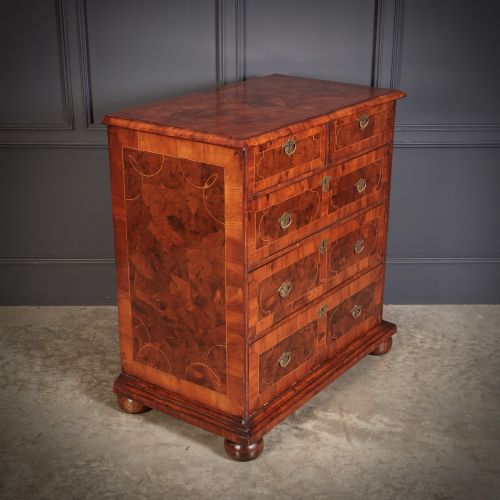
Stylistic variety runs from William and Mary chests on stand to George I designs and French provincial commodes. Materials branch beyond primary walnut timber to incorporate brass, oak, satinwood, burr walnut, and marble tops.
How walnut veneer furniture was made
Cabinet makers utilised thin slices of timber applied over secondary foundational woods such as oak or pine to create decorative surfaces without relying entirely on solid scarce hardwoods. This technique allowed artisans to arrange grain patterns symmetrically across drawer fronts and table tops.
Specialised cutting methods produced distinct visual textures, such as circular oyster veneers sliced across smaller branches or burr walnut harvested from tree growths that yield dense swirling figures. Secondary materials like brass hardware, marble inserts, and satinwood banding provided structural contrast and protective framing for the delicate veneers.
Walnut Veneer Furniture Retail Price Guide 2026
Typical asking prices for walnut veneer furniture among the pieces listed under this phrase on Sellingantiques today, from the lower quarter to the upper quarter. They describe what is for sale here now, not the wider market.
Some seventeenth-century trees contributed their branches just to be sliced into tiny wooden oyster patterns for chest drawers.
What varies in quality
The degree of figuration in the timber largely dictates visual appeal, with highly figured burr walnut and balanced oyster patterns marking out superior examples from plain surfaces. Artisanal precision in matching grain across adjoining panels separates standard production items from master cabinet work.
Structural integrity of the underlying foundation wood and the stability of the adhesive bond beneath the veneer determine longevity. Superior items maintain flush, secure veneer surfaces without lifting edges, alongside well-preserved patination built up over centuries of handling.
Hille·Maurice Adams·Bowman Brothers·Jean Faure
The Walnut Veneer Furniture Glossary
- Veneer
- A thin layer of decorative wood applied to a base timber foundation. This technique allows makers to display striking grain patterns economically.
- Oyster veneer
- Small circular or oval pieces cut transversely from smaller branches and arranged closely together. These create repetitive, puzzle-like visual patterns across seventeenth-century drawer fronts.
- Burr walnut
- Wood taken from a tree growth that produces intricate, swirling grain configurations. It is prized for decorative tabletops and cabinet doors.
- Biedermeier
- A Central European style from the nineteenth century focusing on clean lines and domestic utility. It highlights blonde woods and minimal ornamentation.
- Chest on stand
- A tall storage chest elevated on a separate framework base with legs. These typically date to the seventeenth and eighteenth centuries.
Walnut Veneer Furniture: Frequently Asked Questions
How do I clean walnut veneer furniture?
Dust surfaces regularly with a soft, dry cloth to prevent abrasive particle buildup. Avoid excess moisture and chemical polishes that can penetrate old finishes and loosen the veneer bond.
Maintain humidity levels in the room to prevent the underlying wood from expanding or contracting. This simple care preserves the historical patination and protects fragile historic adhesives.
How do I identify seventeenth-century oyster veneer?
Examine the drawer fronts for small, circular wooden discs arranged in repeating patterns resembling oyster shells. These sections come from transverse branch cuts rather than standard vertical planks.
Notice the characteristic warm golden-brown tones and intricate grain rings typical of early English and continental workshops. These surfaces often appear alongside traditional walnut, laburnum, or yew wood.
Where does art deco walnut furniture fit?
Art deco walnut pieces suit modern interiors seeking bold geometric forms and high-contrast timber surfaces. Items like cocktail cabinets, writing desks, and double beds provide functional storage with strong visual presence.
Pair these pieces with neutral backgrounds to let the figured veneers and blonde tones stand out. They bridge classic cabinet-making techniques with twentieth-century architectural styling.