
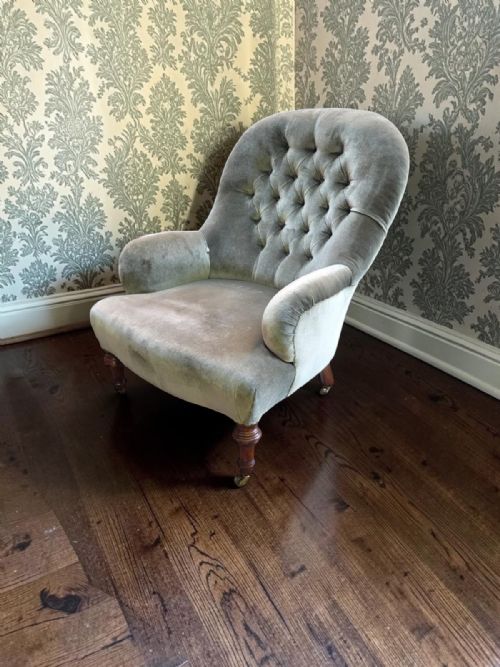
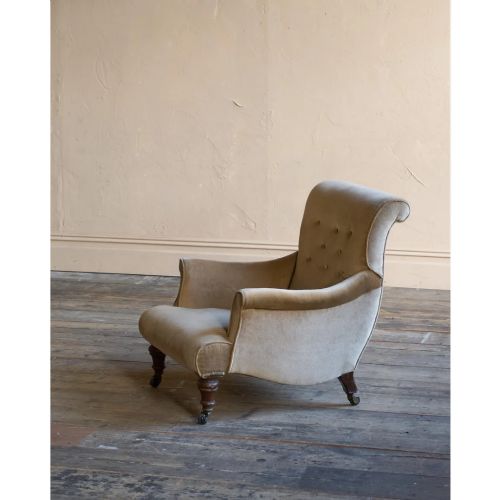
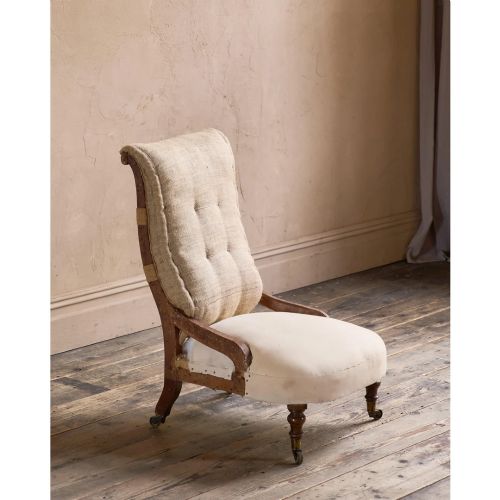
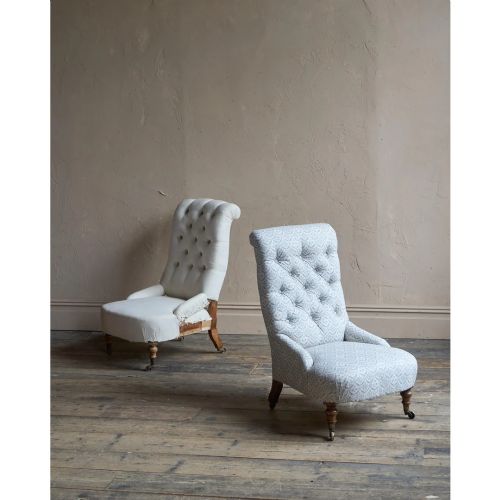



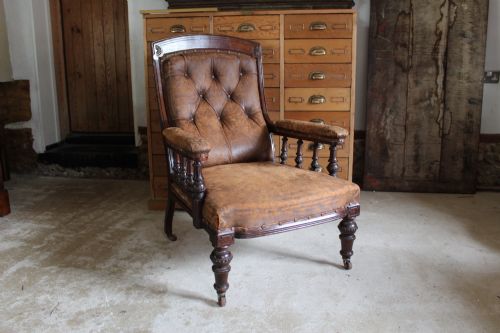
Walnut Turned Leg Armchair
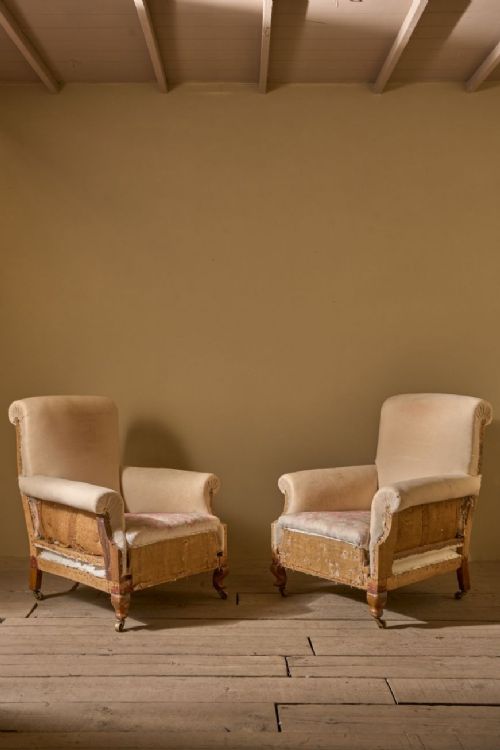
A walnut turned leg armchair offers robust timber frames and upholstered comfort, spanning late Victorian designs to early country house seating.
Walnut Turned Leg Armchair
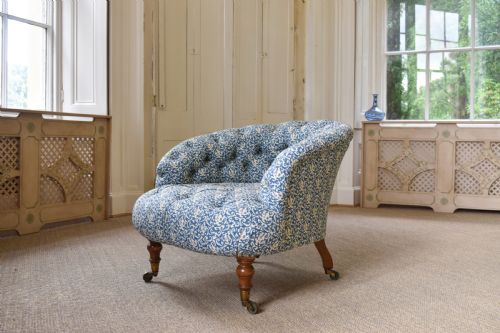
When you search for a walnut turned leg armchair, you examine seating built across the nineteenth and early twentieth centuries, featuring turned wooden supports and upholstered bodies. These pieces range from deep lounge chairs to library and desk models designed for domestic spaces.
The most common examples on this page date from the Victorian and Edwardian eras, alongside revival pieces referencing earlier Carolean and William and Mary styles. Many reflect English country house aesthetics or specific maker influences like Howard and Sons.
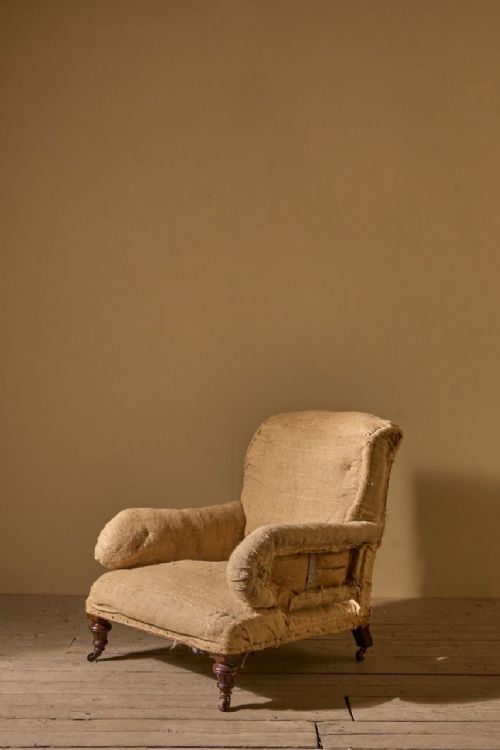
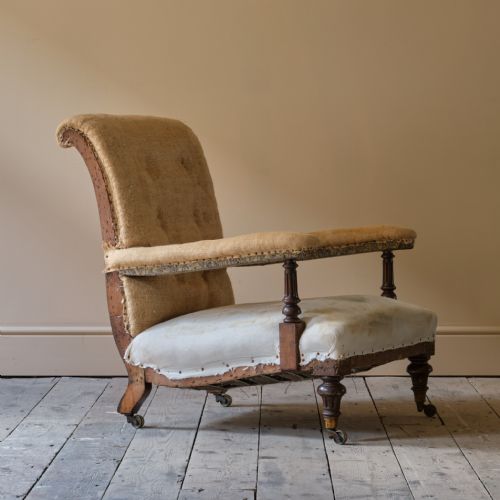
Formations vary from low fireside chairs to tall-backed fauteuils and open armchairs. Timber frames are paired with materials such as leather, velvet, linen, and hessian across library and bedroom variants.
How they were made
Makers utilised solid walnut for the structural framework, shaping the timber into turned legs, bobbin forms, and open arms. Secondary timbers provide internal support beneath upholstery.
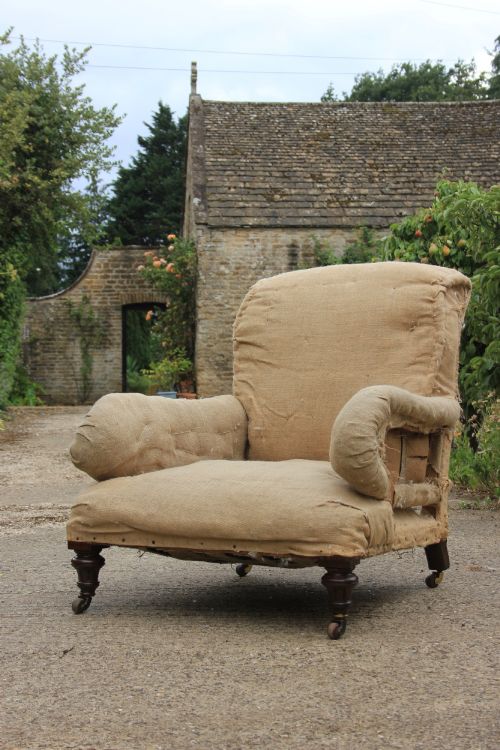
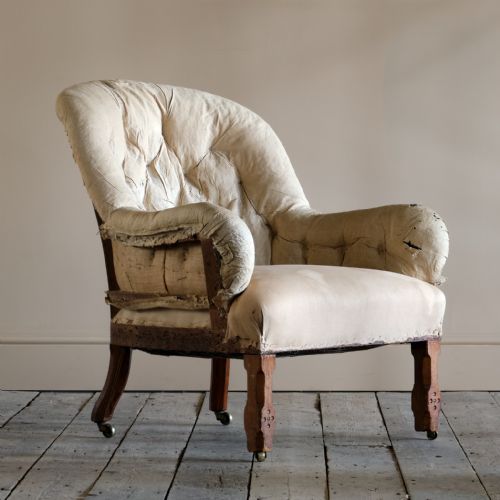
Upholstery techniques combined traditional stuffing with coverings like wool crewelwork, velvet, calico, and leather. Brass tacks and hessian webbing secure the internal springs and padding.
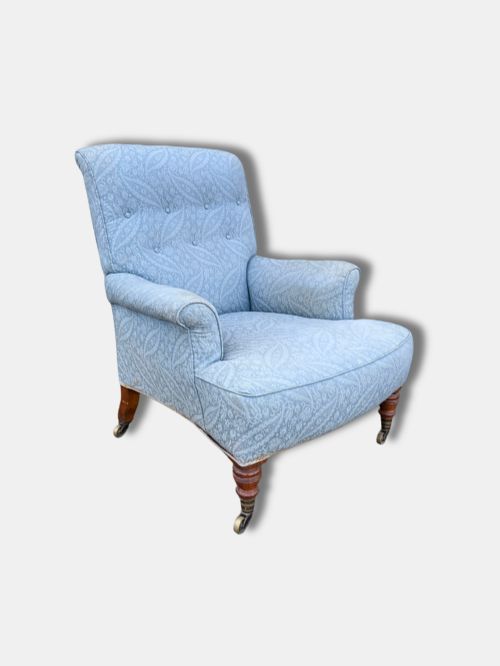
Several chairs arrive ready for service with custom blue upholstery or hidden maker stamps tucked away on their brass castors.
What varies in quality
The distinction between standard commercial seating and top-tier workshop production lies in the handling of the walnut frame and the integrity of the joinery. Fine turning, crisp carving details, and substantial timber proportions separate standard pieces from exceptional ones.
Upholstery execution and the retention of original maker stamps or labels define the collector standing of a chair. Pieces retaining authentic textile coverings or documented workshop provenance command greater interest.
Howard and Sons·SF Cullen·J and T Scott·Hindley and Sons
The Walnut Turned Leg Armchair Glossary
- Walnut
- A dense, dark hardwood utilised extensively for furniture framing and decorative veneers during the eighteenth, nineteenth, and early twentieth centuries. It provides both structural strength and rich grain patterns.
- Turned leg
- A wooden support shaped on a lathe to create cylindrical, bobbin, or fluted profiles. This decorative woodworking technique appears frequently on nineteenth-century chair bases.
- Fauteuil
- An open-armed upholstered armchair originating in France, typically featuring exposed wooden framework around the armrests and back. Late nineteenth-century iterations often adopt earlier revival styles.
- Hessian
- A coarse woven fabric, typically made from jute fibres, utilised as an internal foundation layer beneath outer upholstery and stuffing.
Walnut Turned Leg Armchair: Frequently Asked Questions
How do I identify a Howard style armchair?
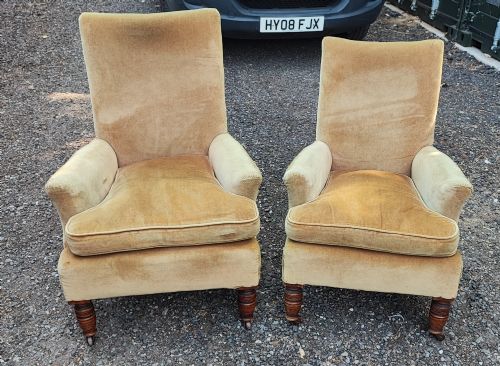
Howard style armchairs are typically recognised by their deep, comfortable proportions, low rolled arms, and casters on the front legs. They often feature generous feather or down stuffing designed for relaxed domestic seating.
Original pieces frequently carry maker stamps on the castors or internal webbing, whilst later revival models adopt the characteristic low-slung profile and upholstered finish without the maker mark.
What is the difference between Victorian and Edwardian armchairs?
Victorian armchairs generally exhibit heavier timber frames, button-backed upholstery, and darker walnut finishes designed for formal drawing rooms and libraries. Proportions tend to be robust and structured.
Edwardian examples often lean towards lighter English country house aesthetics, utilising looser cushion configurations and brighter fabrics such as linen or chintz. The frames reflect greater emphasis on informal comfort.
Are walnut turned leg armchairs suitable for daily use?
These armchairs are built with solid hardwood frames designed for enduring domestic utility. Their robust construction supports regular seating when structural joinery remains sound.
Modern placement benefits from checking internal webbing and upholstery stability to ensure the piece withstands contemporary sitting habits. Many examples function well as desk chairs or fireside seating.
How should I care for antique walnut wood?
Maintain walnut frames by dusting regularly with a dry cloth and avoiding placement near direct heat sources or strong sunlight. Excessive temperature fluctuations can cause timber to dry and split.
Apply occasional professional wax polish to nourish the grain and preserve the surface sheen without building up heavy chemical layers over the historic finish.