





Walnut Ottoman Bench
A walnut ottoman bench brings warmth and character to a room, offering versatile seating shaped by centuries of cabinet-making traditions.
Walnut Ottoman Bench
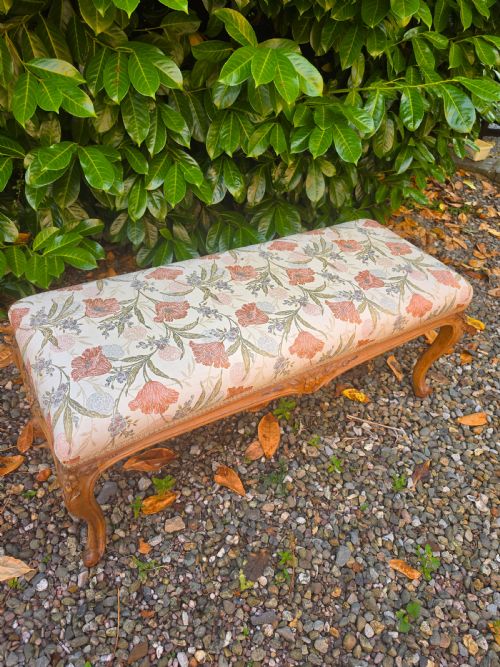
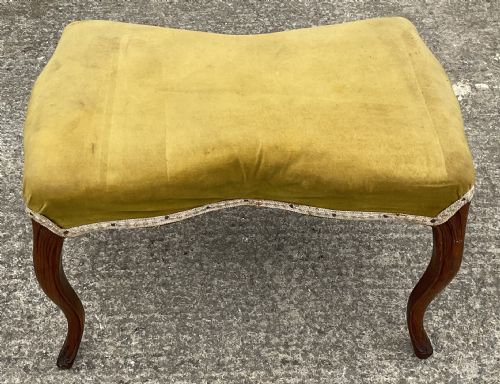
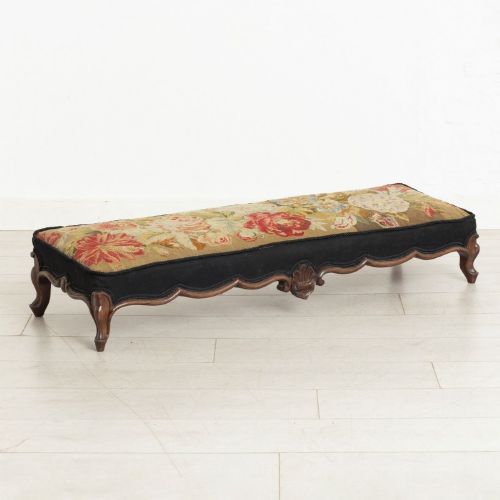
A walnut ottoman bench serves multiple purposes in traditional and modern interiors, functioning as low seating, window perches, and long footstools. These pieces range from compact Victorian footstools to extended window seats and dressing stools dating from the nineteenth century through the Art Deco period.
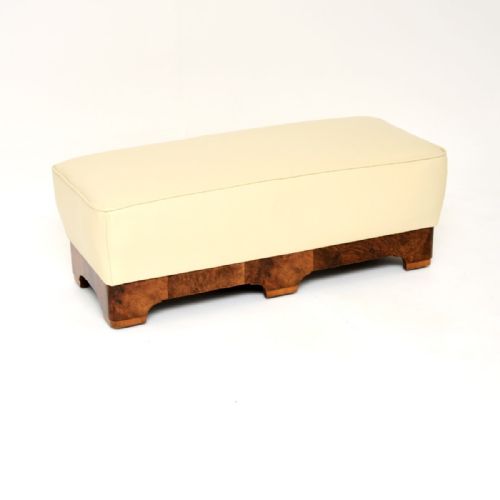
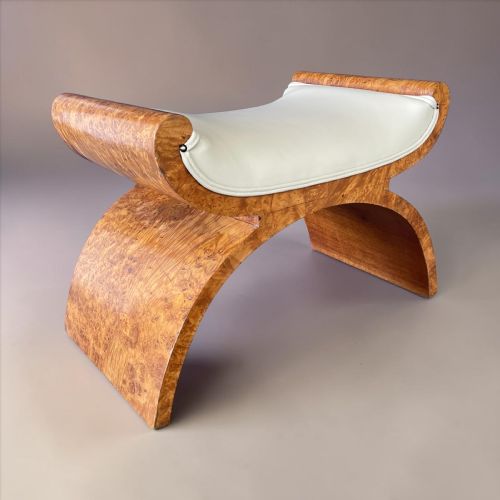
The materials and styles span simple nineteenth-century frames to decorative Revival designs and streamlined Art Deco pieces. Walnut frames frequently appear alongside burr walnut veneers, paired with textile, leather, velvet, and tapestry upholstery.
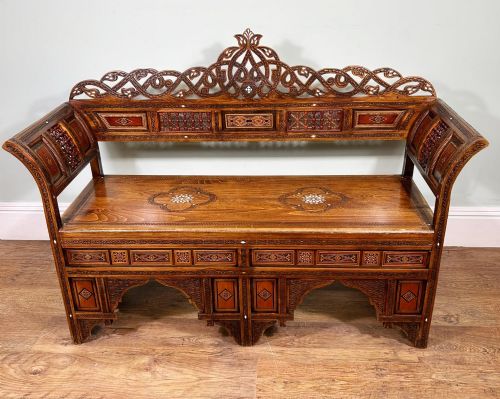
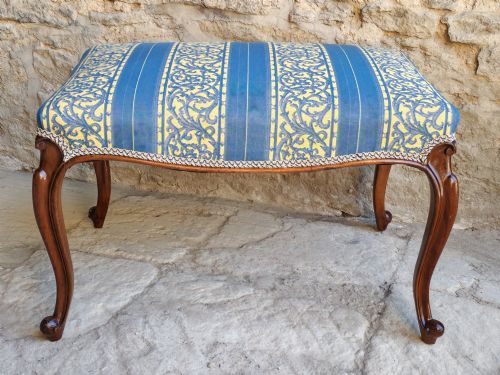
Buyers encounter various forms including cabriole-legged Victorian salon stools, buttoned leather coffee tables, and carved window seats. Origins stretch across English, French, and Syrian workshops, showing diverse regional tastes in carving and inlay work.
Materials and construction methods
Makers utilised solid walnut and burr walnut veneers for the structural frames, applying hand-carved details like cabriole legs, fluted supports, and X-frame supports. Timber was selected for grain pattern and strength, particularly on weight-bearing bench frames and low hall seats.
Upholstery techniques involved traditional stuffing and buttoning secured to webbing, utilising leather, hand-dyed hides, linen, velvet, and patterned tapestry. Decorative elements such as brass studs, pearl inlay, and carved wooden motifs completed the construction.
Walnut Ottoman Bench Retail Price Guide 2026
Typical asking prices for walnut ottoman bench among the pieces listed under this phrase on Sellingantiques today, from the lower quarter to the upper quarter. They describe what is for sale here now, not the wider market.
Listings feature walnut frames paired with diverse textiles, including velvet, tapestry, leather, and modern linen.
Distinctions in craftsmanship and finish
Quality rests in the precision of the timber framing and the depth of the walnut grain, where burr veneers and crisp hand-carved ornamentation elevate a piece above standard production. The integrity of the underlying joinery determines how well a bench holds its form over generations.
Upholstery choices and the preservation of original materials also differentiate examples, from professional recovering in specialist fabrics to surviving period leather and buttoning. Balance in proportions and the subtlety of decorative flourishes like pearl inlay or carved animal heads mark out superior workshops.
Harry and Lou Epstein·Morris and Co.
The Walnut Ottoman Bench Glossary
- Cabriole leg
- A furniture leg that curves outward and tapers downward to a foot, common in eighteenth-century styles and Victorian revivals. This shape mimics animal limbs and provides sturdy support without heavy stretchers.
- Burr walnut
- A specialised timber cut from walnut tree growths, prized for its swirling, highly figured grain patterns. Cabinet-makers applied this wood as a veneer on prominent surfaces to create decorative visual contrast.
- Fender stool
- A long, narrow bench designed to sit near a fireplace hearth without obstructing the fender. These low seats allowed warmth while keeping occupants clear of ash and fire irons.
- Window seat
- An elongated stool or small bench sized specifically to fit within a window recess. They often feature upholstered tops and decorative carved frames suited to period rooms.
- X-frame
- A structural base formed by intersecting diagonal timbers resembling the letter X. This classical design offers strong load-bearing support for ceremonial or domestic seating.
Walnut Ottoman Bench: Frequently Asked Questions
How do I date a walnut bench?
Dating relies on stylistic clues, construction methods, and timber treatments visible in the frame. Victorian pieces often show heavy carved cabriole legs or buttoned upholstery, while 1930s examples favor streamlined burr walnut veneers.
Examining the underside and joinery helps verify the period, distinguishing nineteenth-century hand-tooling from later twentieth-century production techniques.
Can these benches double as coffee tables?
Sturdy rectangular versions, particularly those upholstered in leather or durable fabric, make practical coffee tables. Buttoned leather variants offer a flat, resilient surface that handles daily use.
Placing a tray on the cushioned top provides stability for drinks and books while retaining the soft texture of the original upholstery.
How should I care for antique walnut wood?
Walnut benefits from occasional cleaning with a soft, dry cloth to remove dust and prevent dirt accumulation in carved details. Avoid placing timber near direct heat sources or strong sunlight to protect the grain and prevent splitting.
Periodic application of appropriate furniture wax helps nourish the wood and maintain its natural lustre without sealing the surface.
What is the difference between an ottoman and a footstool?
Ottomans generally provide larger, box-like seating surfaces and often incorporate internal storage compartments beneath the hinged top. Footstools are typically smaller, lower structures designed strictly for resting feet or low sitting.
Many nineteenth-century variants blur these lines, functioning interchangeably as low seats, window perches, and resting surfaces.