


Walnut Gentlemans Wardrobe
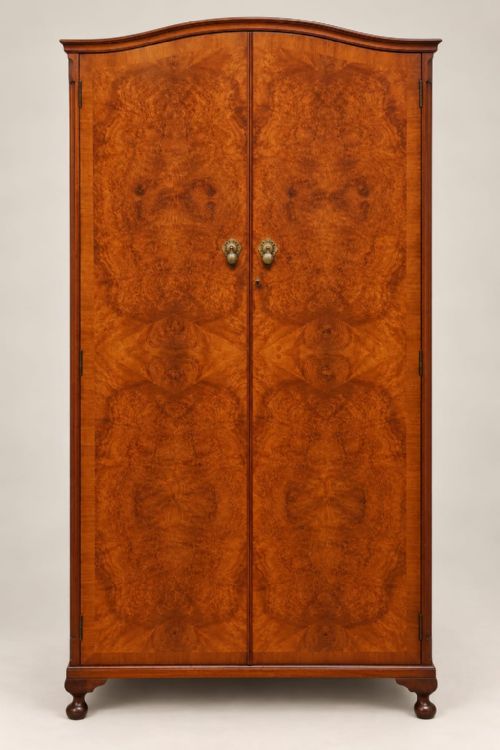
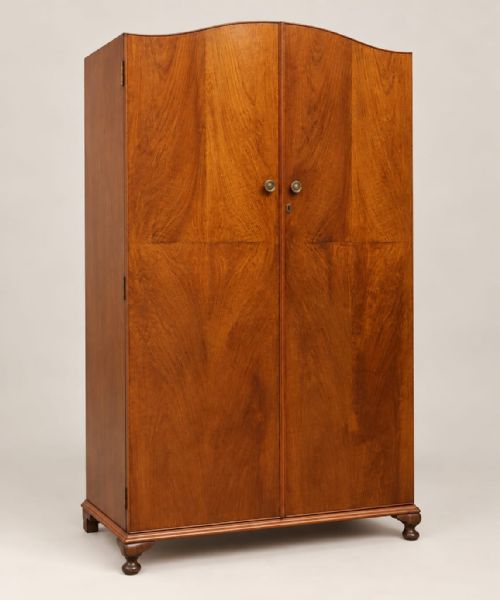
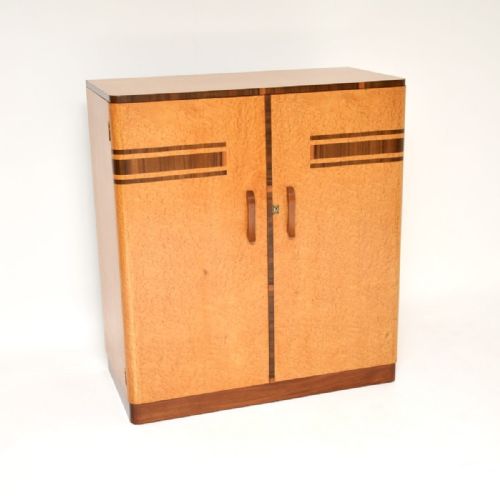
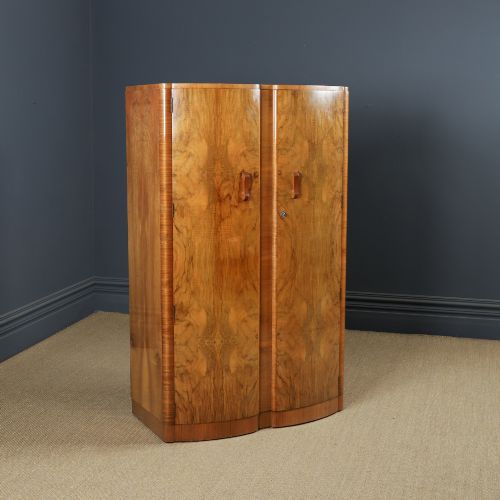
A walnut gentlemans wardrobe gives you serious storage fitted out with compartments and hanging space, built from rich timber.
Walnut Gentlemans Wardrobe
When you search for a walnut gentlemans wardrobe, you are looking at large storage furniture designed for men's attire, combining hanging areas with internal drawers and trays. These pieces span Victorian, Edwardian, and Art Deco periods, showcasing the enduring appeal of the timber.
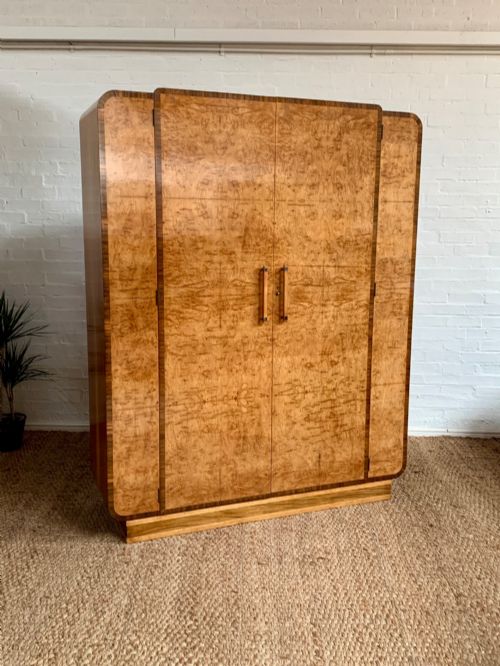
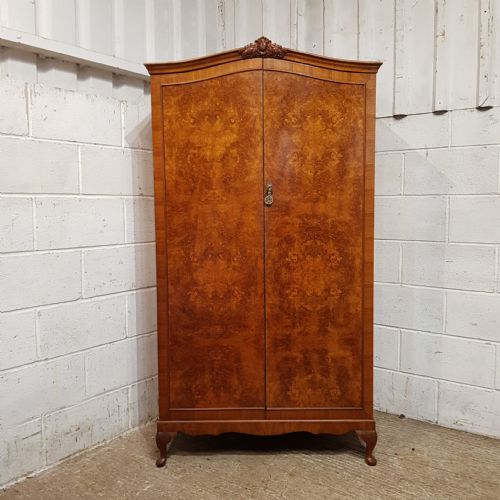
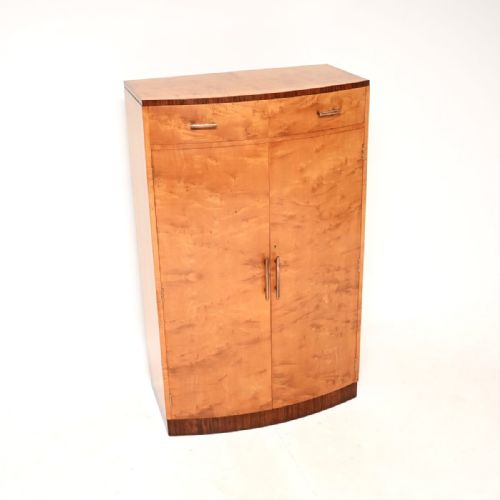
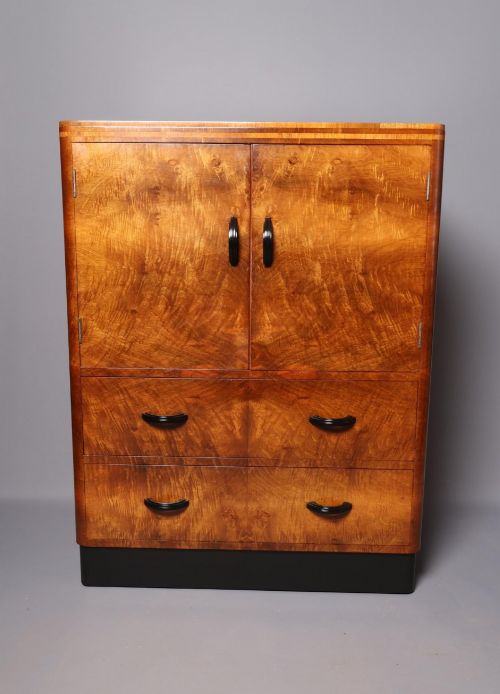
The versions you are most likely to meet on this page lean heavily towards Art Deco compactums alongside earlier Victorian and Edwardian combination wardrobes. They present distinct forms ranging from bow-fronted double doors to tall, fitted cabinet designs.
How they were made
Maker construction relies on solid walnut and walnut veneer laid over secondary timbers like oak, ash, and birch, often featuring burr walnut on the primary surfaces for dramatic grain patterns. Workshops integrated brass hardware, bakelite handles, and glass elements to complete the fitted interiors.
Cabinet makers utilised traditional joinery alongside specialised veneering techniques to shape large doors and fitted compartments. Interiors frequently incorporated pull-out trays, shelving, and hanging rails tailored for organised storage.
Certain compactum interiors were engineered so thoroughly they feel like a gentleman's cabin on an ocean liner.
What varies in quality
Quality rests heavily on the selection of the timber veneer, where book-matched burr walnut creates a striking visual symmetry across the doors. Plain walnut surfaces lack the dynamic movement found in higher-grade examples.
Internal configuration dictates distinction, with fitted compartments, original trays, and branded maker details elevating a piece above standard storage. Simpler carcasses with plain interiors sit at the other end of the scale.
Heal's·Whytock & Reid of Edinburgh·Compactom
The Walnut Gentlemans Wardrobe Glossary
- Compactum
- A multi-compartment wardrobe designed to hold a complete gentleman's wardrobe within a single, highly organised carcass. It typically combines hanging space with sliding trays and drawers.
- Burr Walnut
- A timber derived from the warted growths on walnut trees, prized by cabinet makers for its intricate, swirling grain patterns. It is sliced into fine veneers for statement furniture.
- Veneer
- A thin layer of superior wood adhered to a base timber to provide an ornate surface without using solid costly lumber. This technique allows for symmetrical grain matching across large doors.
- Tallboy
- A tall storage chest or wardrobe unit combining drawers and cabinet space in a vertical format. It maximises storage capacity while occupying a smaller floor footprint.
Walnut Gentlemans Wardrobe: Frequently Asked Questions
How do I date my wardrobe?
Dating relies on stylistic clues, combining the overall period aesthetic with construction methods and secondary timbers like oak or ash. Art Deco examples feature geometric lines from the 1930s, whereas Victorian pieces display heavier mouldings.
Hardware such as bakelite handles or brass fittings also points to specific decades of production. Comparing internal construction details helps confirm the era.
What is a compactum wardrobe?
A compactum is a specialised storage unit designed to hold an entire outfit inside one fitted frame. It includes a mix of hanging space, sliding trays, and drawers.
These pieces emerged to provide efficient, dedicated organisation for gentlemen's clothing. Their interiors often feature clever partitioning for accessories.
How do I clean walnut wood?
Maintenance involves dusting with a soft cloth and occasionally applying a quality beeswax to nourish the timber. Avoid using harsh chemical sprays that strip the finish.
Keeping the piece away from direct sunlight and heat sources prevents the walnut veneer from drying out or cracking.
Are these wardrobes easy to dismantle?
Many large wardrobes from the Victorian and Edwardian periods are built to be taken apart for transport. They utilise peg and slot joints or bolts within the carcass.
Art Deco and compactum versions can be more complex due to integrated internal fittings. Checking the construction before moving ensures safe transit.