





Walnut Folding Desk
These walnut folding desk pieces span from the 18th century to the Art Deco era, offering clever folding mechanics and rich timber surfaces for compact writing and game playing.
Walnut Folding Desk
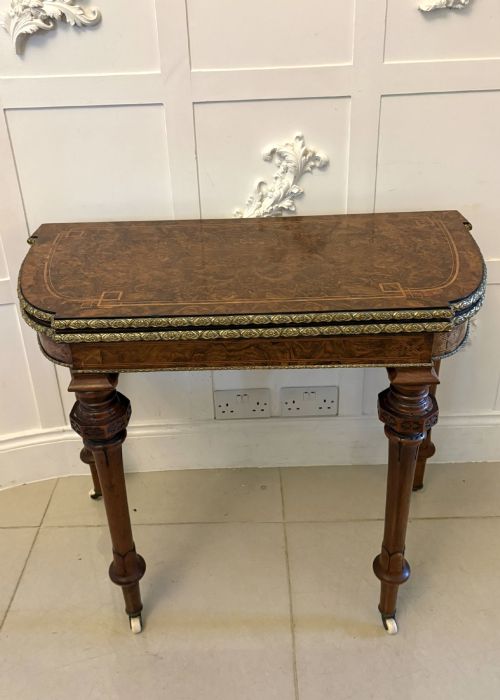
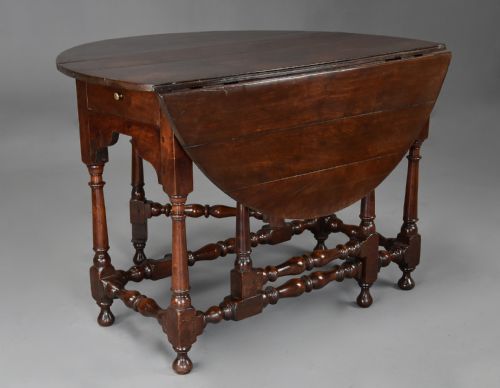
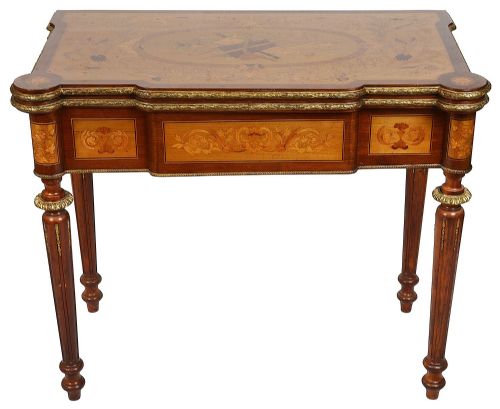
A walnut folding desk encompasses various clever convertible forms, including games tables, card tables, and campaign writing desks that fold or expand to save space. Buyers searching this phrase most commonly encounter Victorian burr walnut card tables and 18th century Dutch marquetry folding tables.
Many examples double as tea tables or occasional console tables, utilising hinged tops that rotate and fold flat when not in use. These diverse forms reflect centuries of ingenuity dedicated to adaptable domestic furniture.
Materials and construction methods
Makers relied heavily on walnut and burr walnut veneers, prized for their complex swirling grain patterns, applied over secondary timbers. Fruitwood marquetry, ormolu mounts, and inlaid brass details frequently accented the primary wooden surfaces.
Structural joints often involved clever hinges, pivoting mechanisms, and folding brackets that allowed rigid tables to collapse securely. Leather inserts provided durable writing surfaces, while ceramic elements occasionally appeared in associated hardware or supports.
Walnut Folding Desk Retail Price Guide 2026
Typical asking prices for walnut folding desk among the pieces listed under this phrase on Sellingantiques today, from the lower quarter to the upper quarter. They describe what is for sale here now, not the wider market.
Listings incorporate items spanning from the 1700s through the Art Deco era of 1920, utilising walnut, brass, fruitwood, and leather.
Assessing quality in folding furniture
Superior examples exhibit seamless mechanical operation where folding leaves, rotating tops, and sliding book stands move smoothly without binding or sagging. The choice of timber grain, particularly the depth of burr walnut figures and the precision of fruitwood marquetry, dictates the visual distinction of the piece.
Betjemanns
The Walnut Folding Desk Glossary
- Burr walnut
- A figured wood grain derived from the wart-like growths on walnut trees, prized for intricate circular patterns.
- Marquetry
- The art of applying thin decorative pieces of wood veneer to a structure to form intricate pictorial designs.
- Ormolu
- Gilded bronze mounts applied to furniture edges and corners for decorative enrichment during the 18th and 19th centuries.
- Metamorphic
- Furniture designed to transform from one functional object, such as a table, into another, such as a desk.
- Book slide
- An expanding rack with folding or sliding sides designed to hold a selection of volumes upright on a table.
Walnut Folding Desk: Frequently Asked Questions
How do you date an old folding table?
Dating relies on examining construction techniques, hardware styles, and the specific decorative vocabulary like Dutch marquetry or Victorian Gothic revival details.
Secondary woods and the style of hinges or patent stamps also provide reliable chronological markers for these pieces.
Where were these folding desks used?
These adaptable pieces historically served in drawing rooms, libraries, and studies where multi-functional furniture maximised available floor space.
They were also utilised by travellers and officers in campaign settings requiring portable yet refined writing surfaces.
How do I care for walnut veneer?
Walnut veneer requires protection from direct sunlight and excessive humidity to prevent the thin wooden layers from lifting or fading over time.
Gentle dusting with a dry cloth and occasional application of appropriate furniture wax maintain the sheen of the timber.