



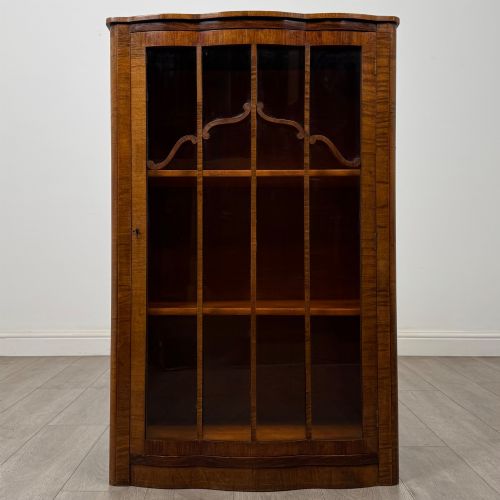
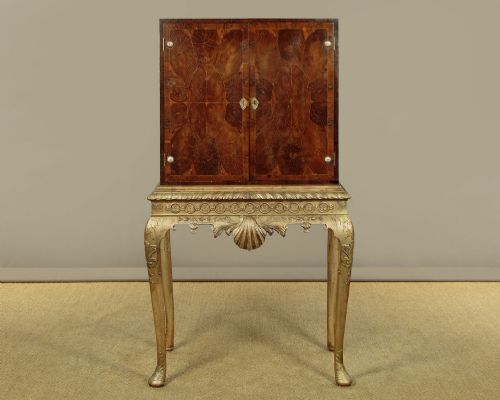
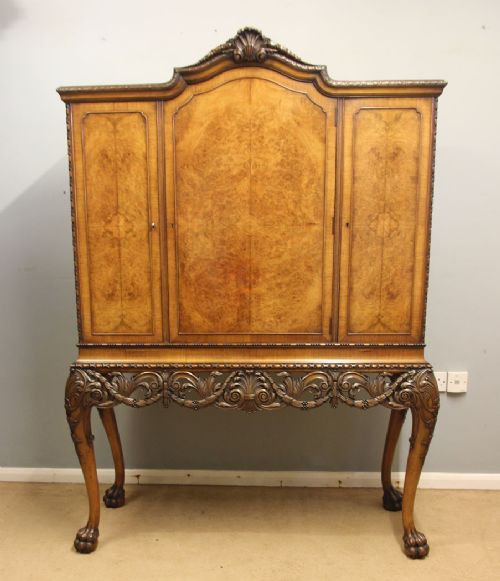
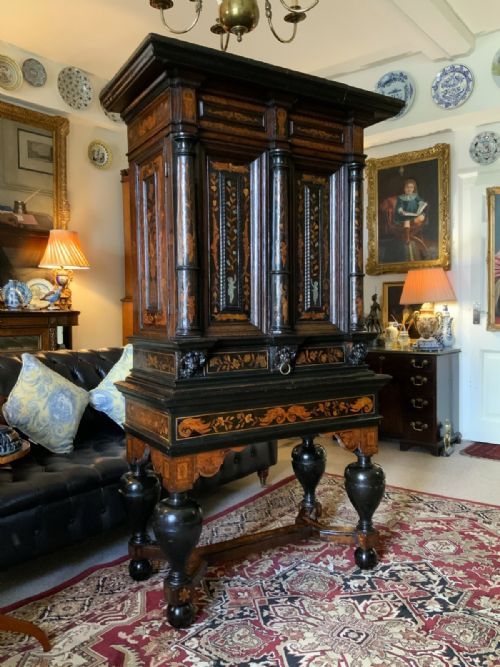


Walnut Display Cabinet on Stand
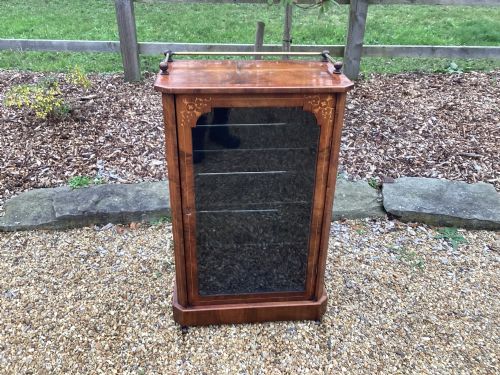
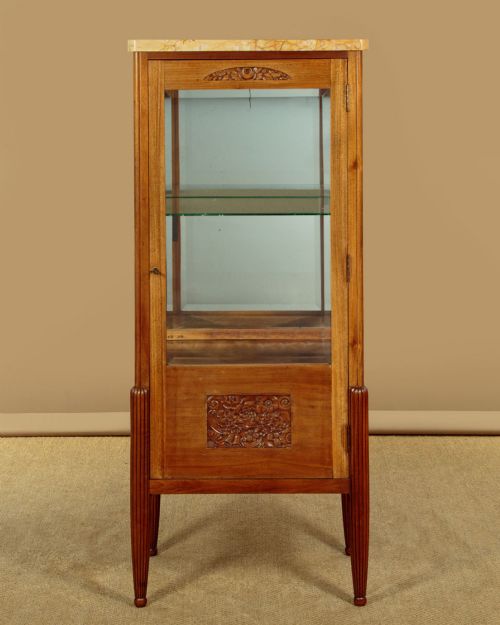
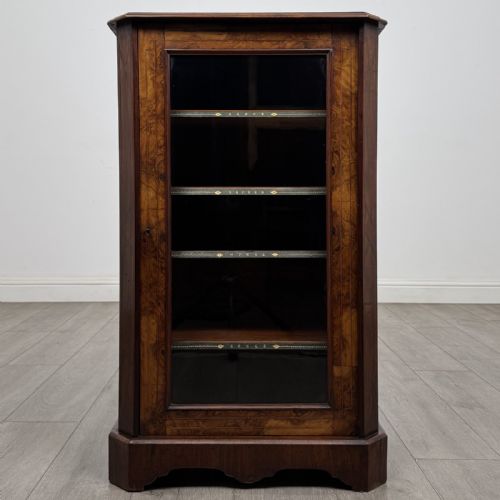
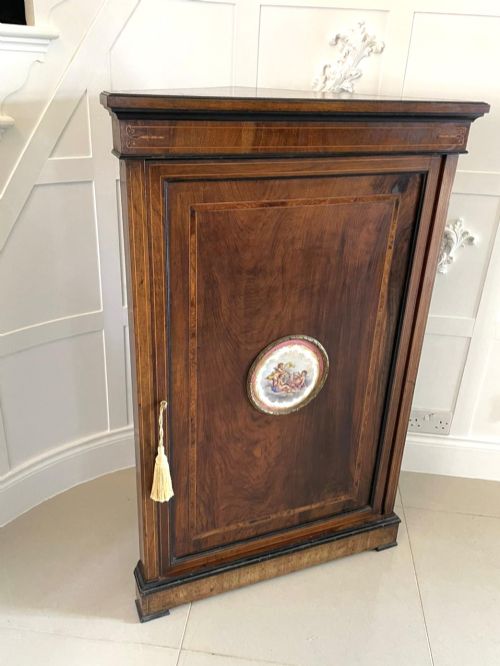
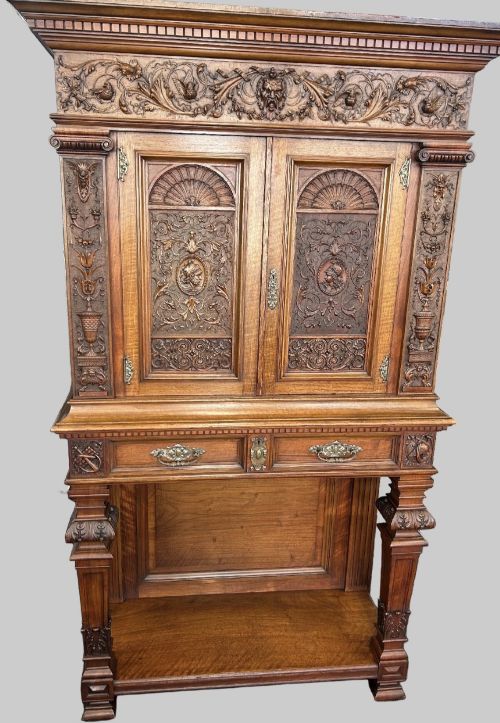
Walnut display cabinets on stand bring together rich figured timbers and raised framing to show off smaller possessions.
Walnut Display Cabinet on Stand
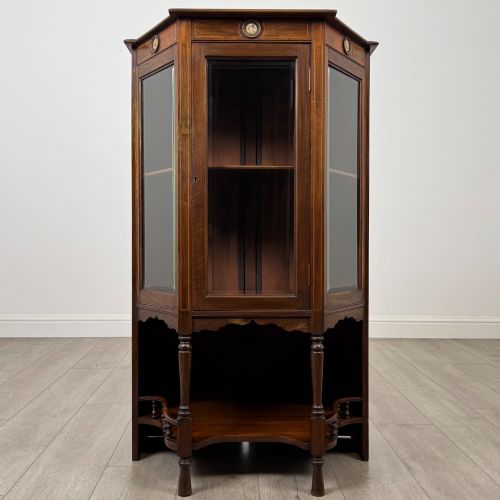
A walnut display cabinet on stand combines a glazed or open upper storage section with a distinct raised base, lifting the timber off the floor. These pieces appear across several eras, including the Victorian period, the Edwardian years, and the early twentieth century.
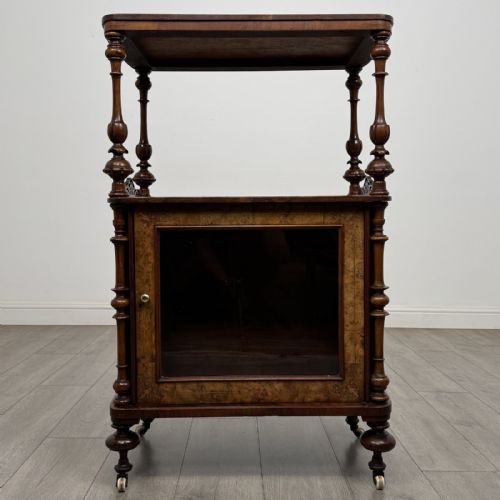
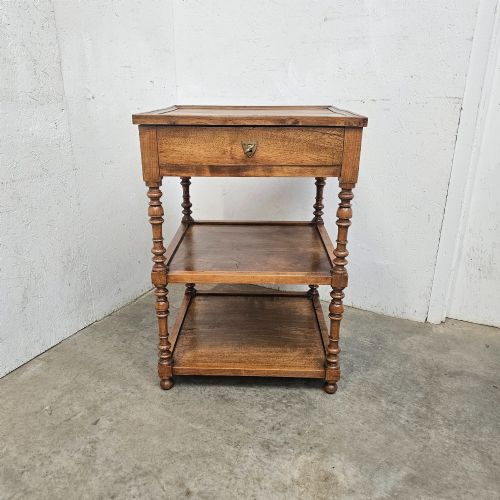
The materials span plain walnut and burr walnut veneers, supplemented by glass panels and brass fittings. Alongside traditional corner cabinets and bookcases, the selection includes music cabinets and whatnots that serve a similar display function.
Makers and designers working in styles such as Queen Anne Revival, Art Deco, and Dutch Baroque shaped these forms. Buyers encounter formats ranging from tall corner cupboards to compact cabinets supported by turned or carved legs.
Construction and materials
Carpenters built these cabinets using solid wood carcases overlaid with decorative walnut and burr walnut veneers to create figured grain patterns across the doors and panels. Glass is fitted into glazed doors to protect the interior shelves while offering a clear view of the contents.
Metal elements such as brass galleries, hinges, and occasional pewter inlay add detail and structural support. Secondary timbers like oak and fruitwood frequently appear in the internal framing and drawer linings.
Walnut Display Cabinet on Stand Retail Price Guide 2026
Typical asking prices for walnut display cabinet on stand among the pieces listed under this phrase on Sellingantiques today, from the lower quarter to the upper quarter. They describe what is for sale here now, not the wider market.
Current listings feature walnut display cabinets and stands spanning the eighteenth, nineteenth, and early twentieth centuries.
Assessing craftsmanship and finish
The standard of timber preparation sets higher examples apart, particularly the symmetry and selection of burr walnut veneers used on primary surfaces. Finishes that retain a deep, warm colour and natural patina indicate careful preservation.
Joinery execution in the stands and cabinet frames determines stability, with tight joints and crisp carved details or marquetry showing greater maker skill. Original glass panes and matching hardware contribute to the integrity of the piece.
Gillows·Gabriel Viardot·Maple and Co·Hille
The Walnut Display Cabinet on Stand Glossary
- Burr walnut
- A figured wood grain derived from the growth warts of walnut trees, prized for its swirling patterns. It is sliced into thin veneers for cabinet doors and panels.
- Whatnot
- A multi-tiered piece of furniture designed for displaying ornaments, books, or small collections. These pieces often feature open shelves supported by slender columns.
- Marquetry
- The art of applying pieces of veneer to a structure to form decorative patterns or pictures. Craftsmen often employed lighter woods and metal to contrast with the dark walnut background.
- Vitrine
- A glass-fronted cabinet or display case specifically built for showcasing porcelain, glass, or curiosities. The term originates from the French word for glass.
Walnut Display Cabinet on Stand: Frequently Asked Questions
Where should I place a cabinet on stand?
These cabinets suit reception rooms and hallways where their raised profile provides height without dominating the floor space.
Keep them away from direct sunlight and strong heat sources to protect the walnut veneer and prevent the wood from drying out.
How do I clean walnut furniture?
Dust the surfaces regularly with a soft, dry cloth to prevent dirt accumulation on the timber and glass.
Avoid silicone polishes and wet cloths, applying a quality beeswax sparingly when the wood appears dry.
How do I date a walnut cabinet?
Examine the construction methods, secondary woods, and hardware styles to determine the likely period of manufacture.
Compare the decorative vocabulary, such as Art Deco veneers or Victorian marquetry, with documented examples from the same era.
What is the difference between a whatnot and a display cabinet?
Whatnots generally feature open shelving across multiple tiers for accessible display, whereas display cabinets use glazed doors to enclose and protect the contents.
Both forms serve to exhibit small possessions, but cabinets offer security from dust and handling.