





Walnut Desk Lamps
These walnut desk lamps and converted tables bring rich timber tones and period character to a workspace.
Walnut Desk Lamps
When you search for walnut desk lamps, you encounter a mix of dedicated lighting pieces and multi-purpose tables utilised for illumination, spanning periods from the eighteenth century through the art deco era. The pieces listed include items combining walnut with brass, glass, and sycamore, reflecting diverse historical styles such as Edwardian, Victorian, and queen anne revival.
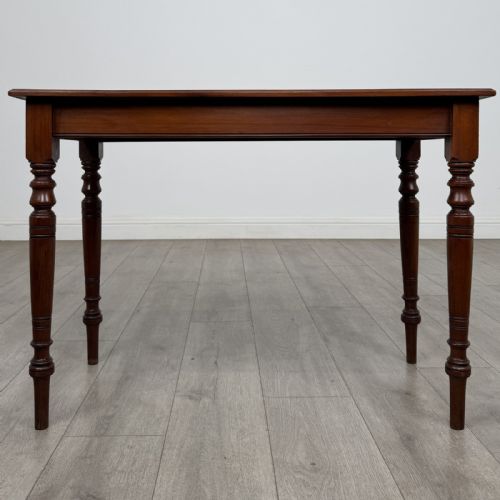
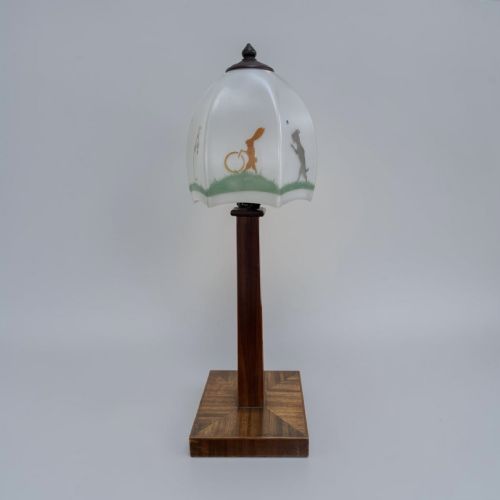
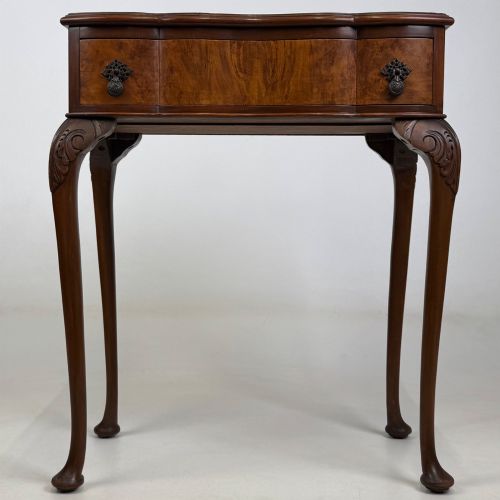
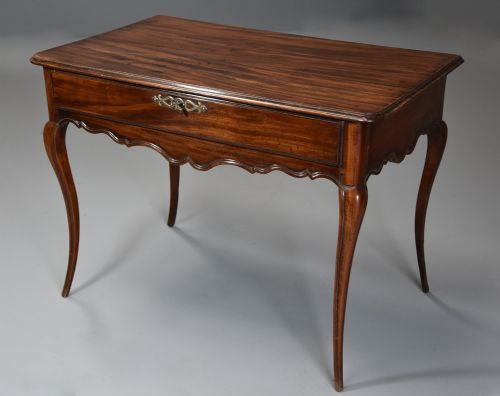
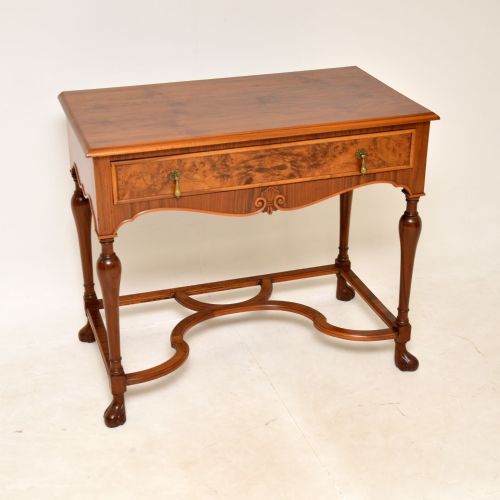
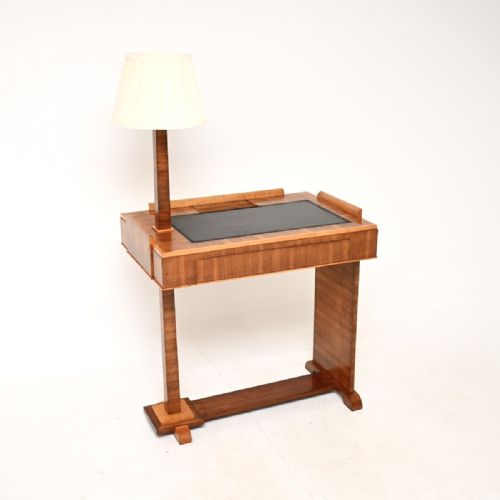
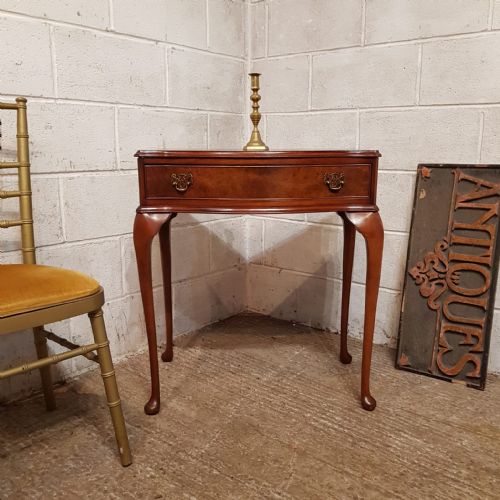
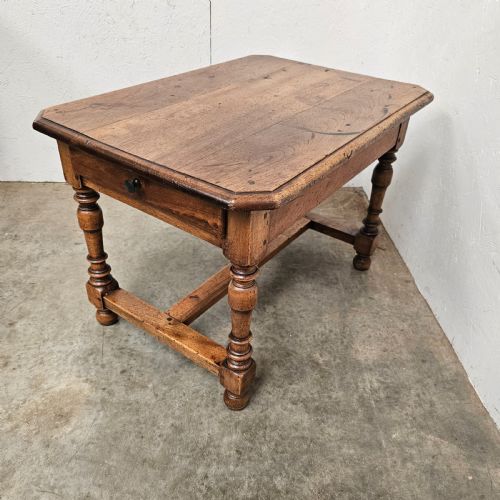
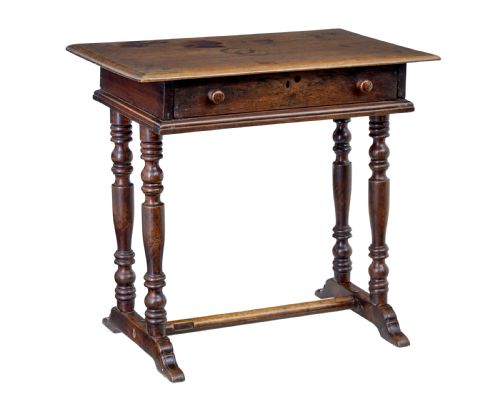
The version you are most likely to meet on this page is a side or lamp table in walnut or burr walnut, alongside specific desk and lighting combinations from the nineteen-thirty period. These tables frequently feature turned legs, serpentine fronts, or marquetry inlay, serving as sturdy platforms for task and ambient desk lighting.
How they were made
Makers utilised solid walnut and burr walnut veneers, often pairing the dark timber with contrasting sycamore or mounting it upon brass and metal hardware. Surface finishes include gold leaf detailing and leather inserts, showing the technical range employed by period cabinet makers.
Construction methods visible across the selection range from reeded turned legs and cabriole supports to integrated electrical fittings and hidden drawers. The integration of wood and metal demonstrates traditional joinery adapted to hold lamps and wiring securely.
Walnut Desk Lamps Retail Price Guide 2026
Typical asking prices for walnut desk lamps among the pieces listed under this phrase on Sellingantiques today, from the lower quarter to the upper quarter. They describe what is for sale here now, not the wider market.
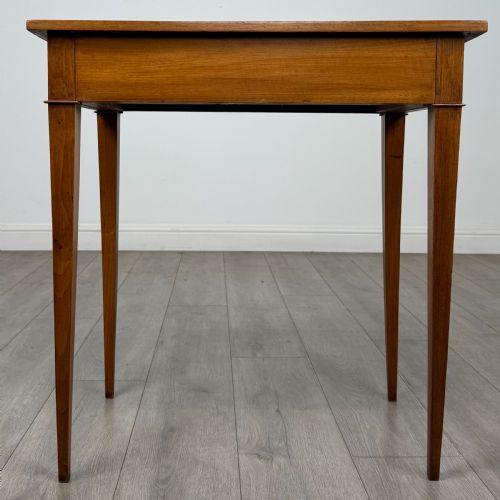
Table forms on this page include serpentine fronts, hidden drawers, and cabriole leg structures.
What varies in quality
Quality rests in the depth of the timber grain, particularly the striking figures found in burr walnut selections, and the crispness of marquetry inlay work. Pieces displaying superior original patina and harmonious proportions stand apart from simpler utilitarian examples.
The refinement of leg turning, the tightness of table joints, and the integration of auxiliary materials like brass and gold leaf indicate the level of craftsmanship invested in each piece. Finer examples balance structural stability with delicate decorative details.
The Walnut Desk Lamps Glossary
- Burr walnut
- A figured wood grain obtained from the growth excrescences on walnut trees, prized for its swirling pattern. It creates a highly decorative surface on tabletops and furniture.
- Marquetry
- The art of applying pieces of veneer to a structure to form decorative patterns and pictures. Craftsmen utilise different wood tones to achieve intricate visual depth.
- Serpentine front
- A furniture front shape that curves inward centrally and bows outward at the ends. This design adds fluid movement to the silhouette of side tables and desks.
- Reeded legs
- Upright furniture supports carved with parallel convex mouldings resembling reeds. This classical decorative detail appears frequently on Edwardian and Victorian pieces.
- Cabriole leg
- A furniture leg that curves outward and then tapers inward with a pad or scroll foot. The shape derives from animal limbs and defines many revival styles.
Walnut Desk Lamps: Frequently Asked Questions
What periods do these walnut lamps and tables come from?
The selection spans several eras, including the eighteenth century, Victorian period, Edwardian era, and nineteen-thirty art deco designs. Each period brings distinct silhouettes and decorative treatments to the timber.
Cabinet makers of different centuries applied contrasting techniques, from rustic eighteenth-century joinery to the streamlined forms of the early twentieth century.
How do I style a walnut lamp table in a study?
A walnut table provides a warm, dark wood tone that anchors contemporary or traditional workspaces. Placing a lamp upon the surface highlights the natural grain of the timber.
These pieces function effectively beside desks or as compact writing surfaces that double as lighting stands.
What is the difference between walnut and burr walnut?
Standard walnut timber displays a straight, uniform grain with rich brown colouration. It provides a stable and traditional surface for structural furniture.
Burr walnut comes from a tree growth that produces intricate, swirling patterns. Furniture makers use this highly figured veneer on prominent surfaces to create visual impact.
Are these items strictly lamps or tables?
The inventory combines dedicated table lamps with occasional, side, and console tables that accommodate lighting. Some pieces integrate desks with built-in lamps.
This variety means buyers can find both standalone illumination pieces and small tables designed to hold desk lights.