

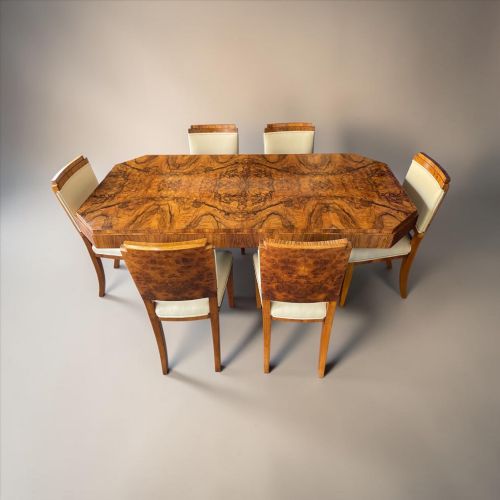
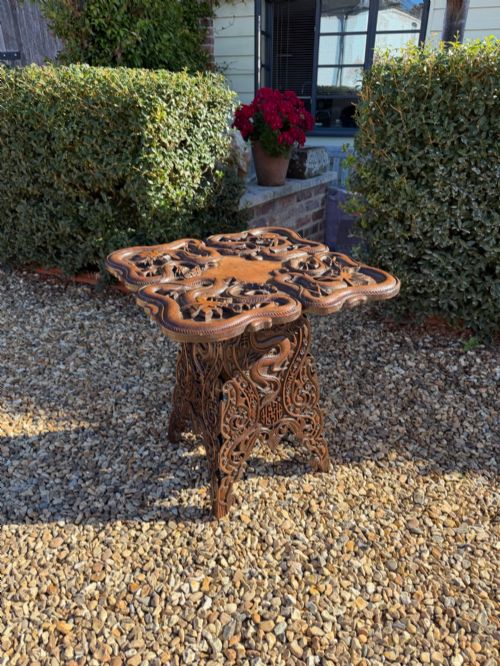
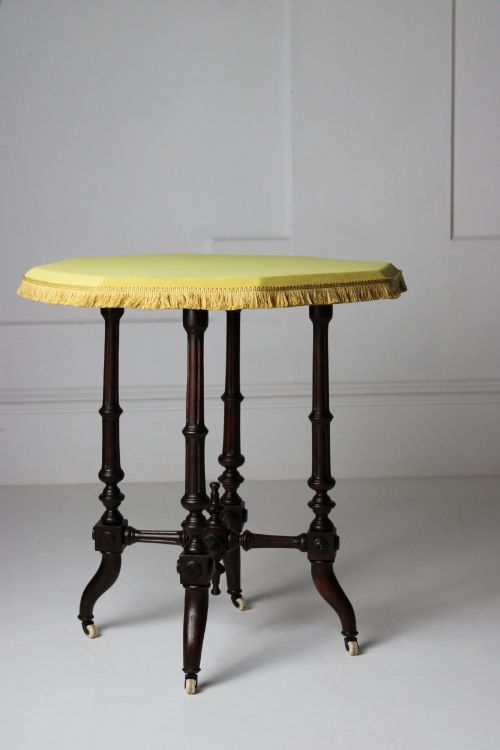


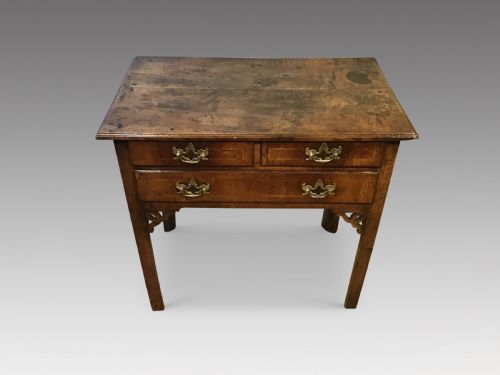


Walnut Corner Table
A walnut corner table brings rich timber grain and clever spatial economy to a room, fitting neatly where square furniture cannot.
Walnut Corner Table
A walnut corner table provides a functional surface designed specifically to utilise awkward junctions in a room. The selections here include Georgian and Edwardian examples alongside Victorian pieces.
Makers shaped these tables to sit snugly against two adjoining walls, often employing geometric tops or curved fronts to soften the transition.
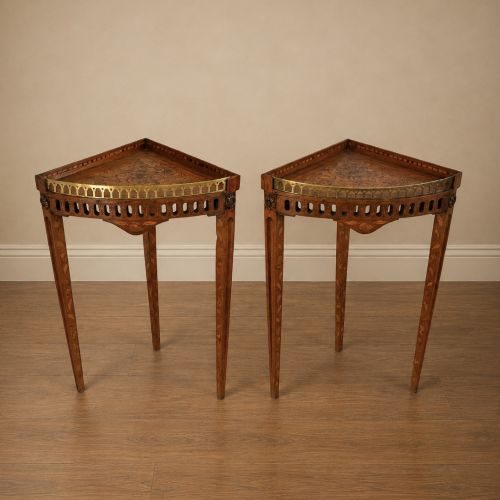
The materials span solid walnut and burr walnut veneers, frequently accented with marquetry inlay or brass fittings.
How they were made
Carpenters constructed these tables using a carcase of secondary timbers faced with walnut or burr walnut veneer, which displayed the intricate figure of the wood. Craftsmen then applied hand-rubbed finishes to seal the surface and deepen the natural colour.
Decorative details such as marquetry inlay utilised contrasting woods like boxwood and satinwood set flush into the primary timber. Brass galleries, hinges, and mounts provided both structural reinforcement and visual contrast.
Walnut Corner Table Retail Price Guide 2026
Typical asking prices for walnut corner table among the pieces listed under this phrase on Sellingantiques today, from the lower quarter to the upper quarter. They describe what is for sale here now, not the wider market.
Listings feature walnut timber combined with boxwood, satinwood, and brass across Victorian, Edwardian, and Georgian periods.
What varies in quality
The distinction between ordinary and superior pieces lies in the selection of the wood veneer and the precision of the marquetry. Figured burr walnut requires immense skill to cut and lay without splitting or showing excessive joins.
Structural integrity also separates the grades, visible in the tightness of the corner joints and the stability of the legs. Finer examples maintain crisp carving and intact brass elements without loose mounts or warped tops.
The Walnut Corner Table Glossary
- Burr walnut
- A wood harvested from the abnormal growth of a walnut tree, yielding swirling, highly decorative grain patterns. Cabinet makers prized this timber for high-status surfaces.
- Marquetry
- A decorative technique where thin slices of various coloured woods are assembled into pictorial or geometric patterns. Artisans then glued these veneers onto the furniture carcase.
- Brass gallery
- A low metal railing fitted around the top edge of a table to prevent items from sliding off. This feature appears frequently on lamp and display tables.
- Lowboy
- A small table with drawers, originating in the Georgian period, often utilised as a dressing table or side table. These pieces typically feature slender cabriole or straight legs.
Walnut Corner Table: Frequently Asked Questions
Where should I place a corner table?
These tables find a natural home in empty room junctions, hallways, or beside seating where standard rectangular furniture blocks circulation.
They serve effectively as lamp stands or display surfaces without dominating the floor plan.
How do I care for walnut veneer?
Protect antique walnut from direct sunlight and excessive heat to prevent the underlying glues from drying and the wood from fading.
Apply occasional quality wax polish to nourish the grain and maintain the protective sheen.
Are these tables sturdy enough for daily use?
Most examples are constructed to support lamps, books, or decorative objects comfortably within domestic settings.
Avoid placing excessive weight on the corners unless the structural legs directly support that quadrant.
How do I distinguish Georgian from Edwardian pieces?
Georgian walnut furniture generally displays simpler structural lines and denser solid timbers with hand-cut joinery.
Edwardian interpretations often incorporate lighter framing, machine-sawn elements, and eclectic revival styles.