



Walnut Bookcase Drawers
These walnut bookcase drawers combine shelving and fitted compartments, offering storage for books and papers in various historical styles.
Walnut Bookcase Drawers
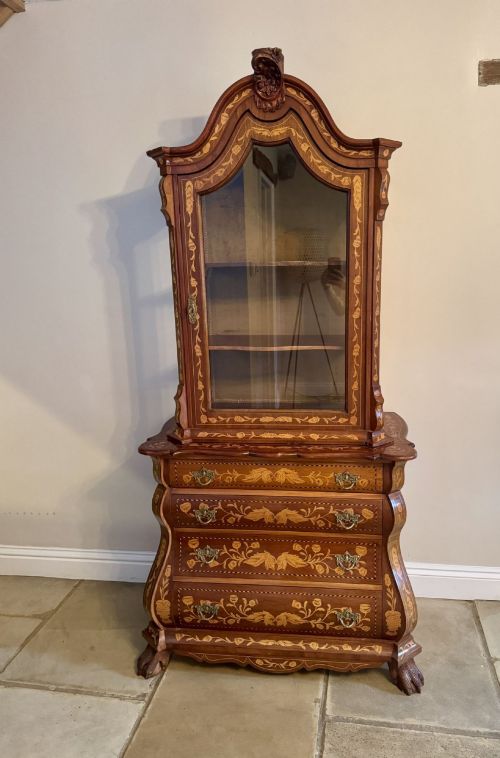
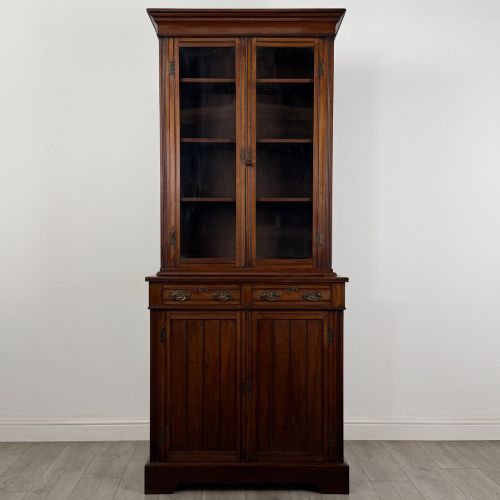
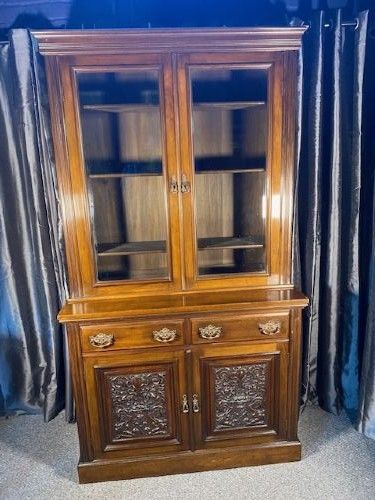
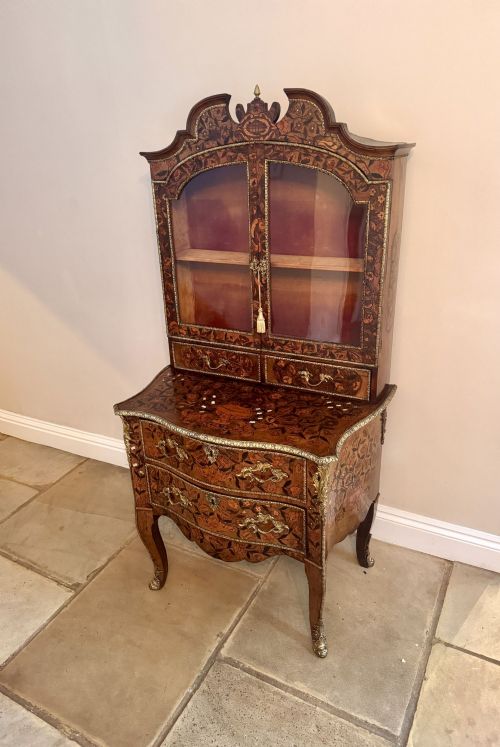
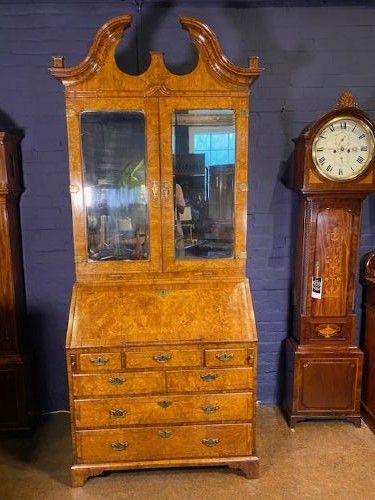
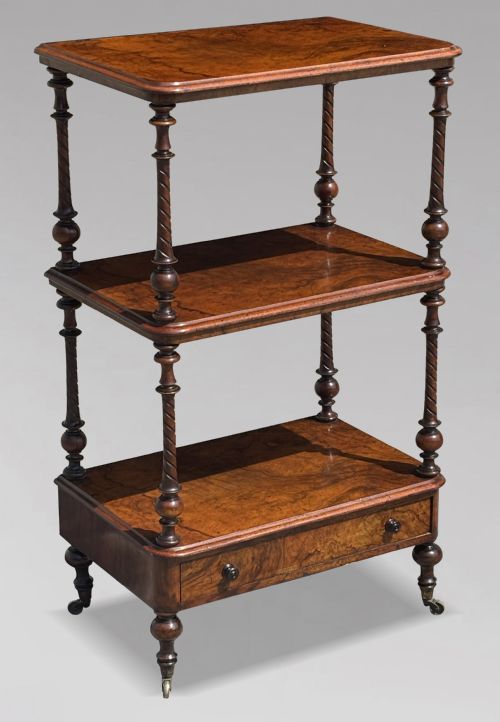
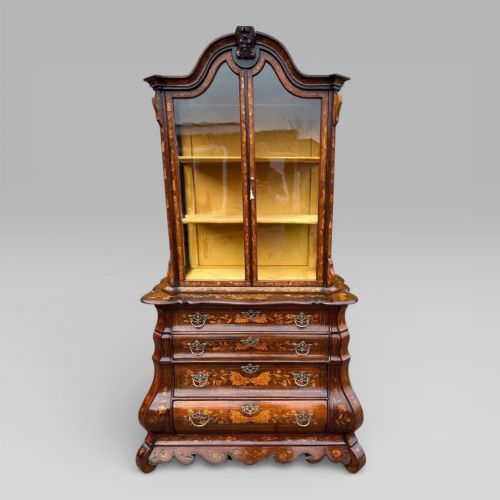
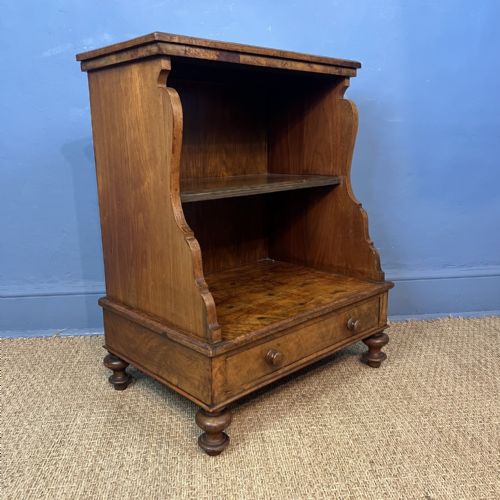
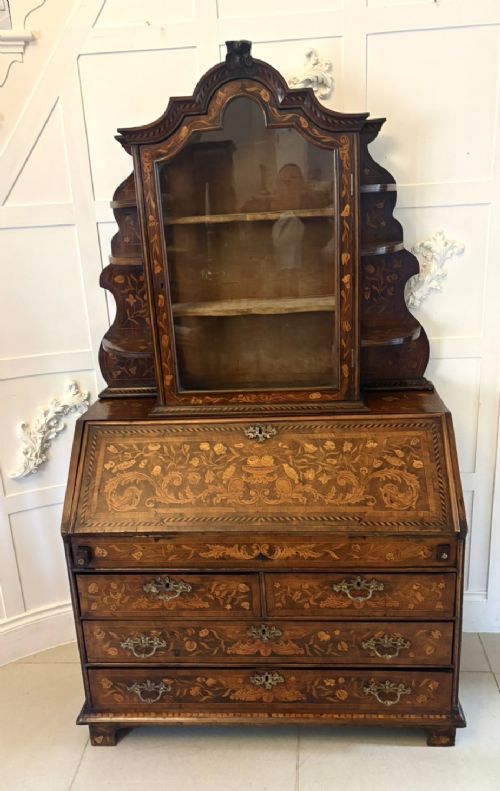
Walnut bookcase drawers encompass bureau bookcases, display cabinets, and cabinets incorporating open shelves or glass fronts alongside integrated drawer storage. The selection spans periods from the seventeenth century through to the twentieth century, taking in Victorian, Queen Anne, Dutch Baroque, Edwardian, and Art Deco interpretations.
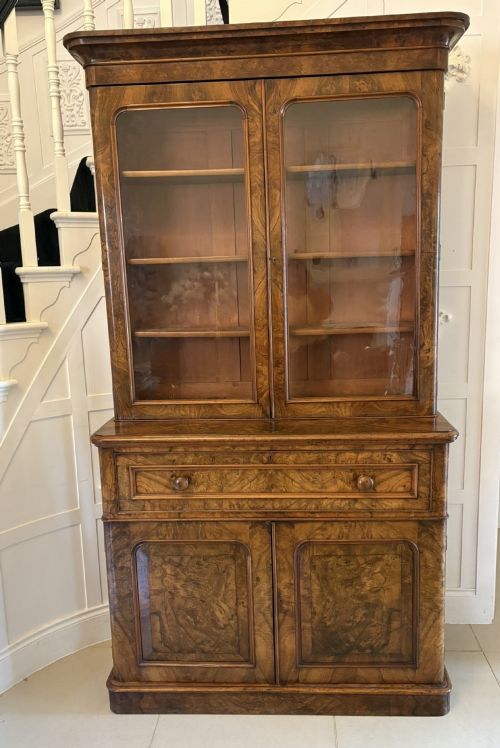
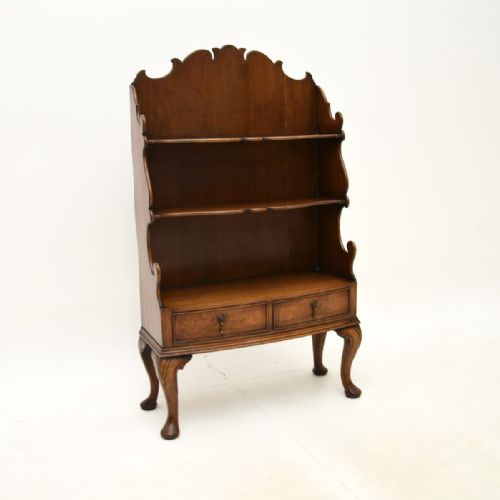
Buyers will encounter bureau bookcases featuring fitted internal drawers behind a fall front, alongside open bookcases with drawer bases and display cabinets set upon chests. The materials extend from solid walnut and burr walnut veneer to fruitwood marquetry, brass handles, and glass panels.
The form developed to serve libraries, parlours, and studies as a dual-purpose piece for reading material and correspondence. Surviving examples demonstrate the shift from seventeenth-century proportions to later revival styles and early twentieth-century production.
What varies in quality
The depth of figuring in the burr walnut veneer and the precision of the fruitwood marquetry separate standard production from superior cabinet work. Richness of tone in the timber and the crispness of carved details on Queen Anne and Dutch Baroque styles indicate the maker's skill.
Proportion and the integration of the drawer section with the upper bookcase or display cabinet dictate the visual balance of the piece. The quality of internal drawer construction, including dovetailing and secondary wood selection, reflects the original standard of manufacture.
Walnut Bookcase Drawers Retail Price Guide 2026
Typical asking prices for walnut bookcase drawers among the pieces listed under this phrase on Sellingantiques today, from the lower quarter to the upper quarter. They describe what is for sale here now, not the wider market.
One American walnut shop cabinet was later sign-written for use in a fishing supplies shop.
Edwards and Roberts
The Walnut Bookcase Drawers Glossary
- Burr walnut
- A veneer sliced from the growth warts of walnut trees, prized for its swirling, highly figured grain patterns. It covers flat surfaces on bureau cabinets and display units.
- Bureau bookcase
- A combination of a sloping writing flap enclosing small drawers with an upper bookcase section enclosed by doors. It provides both workspace and shelving.
- Marquetry
- Decorative inlay work using various coloured woods, such as fruitwood and satinwood, arranged in floral or geometric patterns. It decorates Dutch and Italian cabinet doors.
- Bombe
- A bulging, convex swelling shape characteristic of certain eighteenth-century Dutch and continental cabinets. It gives a rounded profile to the lower chest section.
- Double dome
- A top cornice shape featuring two rounded arches, seen on eighteenth-century walnut bookcases. This architectural hood adds height and presence to the upper structure.
Walnut Bookcase Drawers: Frequently Asked Questions
How do I care for walnut furniture?
Keep walnut furniture away from direct sunlight and heat sources to prevent the wood and veneer from drying out or splitting. Dust regularly with a soft, dry cloth and apply a quality beeswax periodically to nourish the surface.
Avoid using silicone-based polishes or wet cloths, which can damage the polished finish and lift old veneers over time.
What is a bureau bookcase?
A bureau bookcase is a dual-function piece featuring a lower desk section with a hinged flap that opens to reveal small drawers and pigeonholes. The upper section contains shelving enclosed by glass or wooden doors for storing books.
This form allowed owners to write letters and store their library within a single piece of furniture.
Are the drawers dovetailed by hand?
Pieces dating from the seventeenth, eighteenth, and early nineteenth centuries generally feature hand-cut dovetails on the drawer sides. These joints show slight irregularities that reflect manual construction by cabinet makers.
Later pieces from the twentieth century may incorporate more uniform machining as production methods changed.