

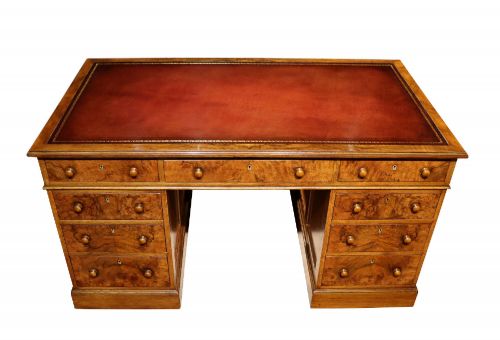
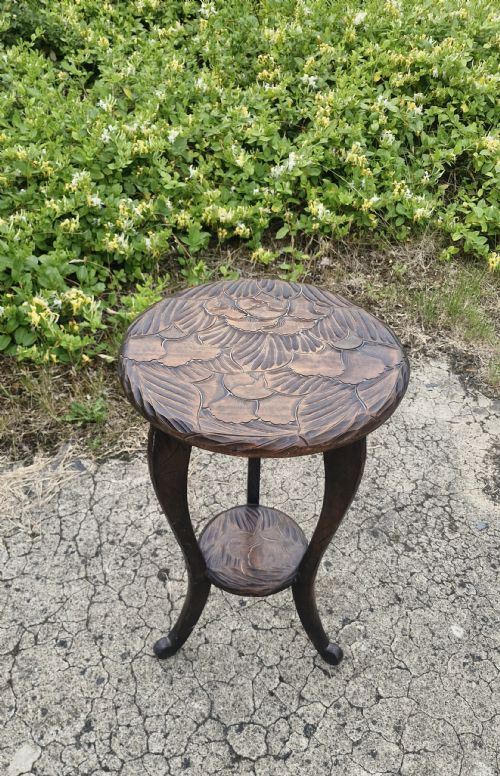
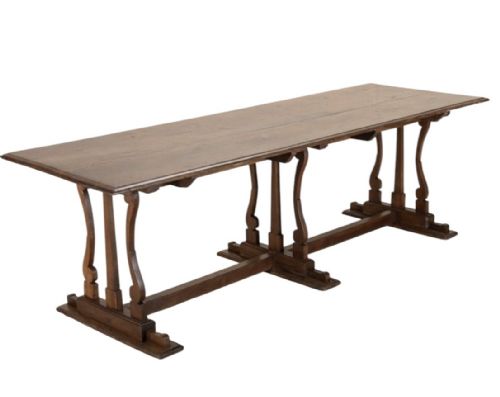
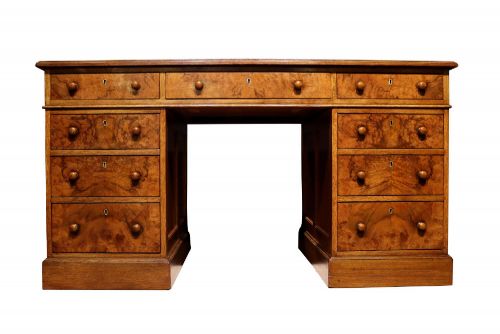
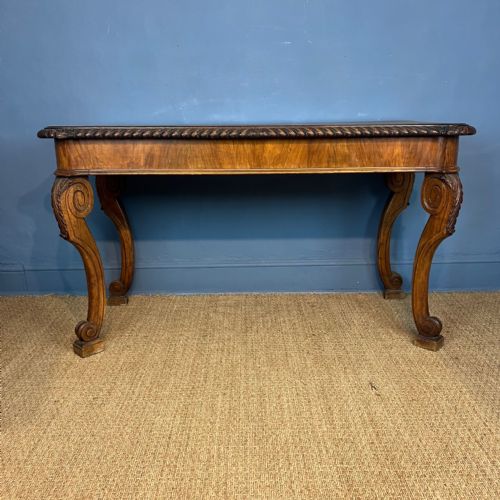


Walnut and Oak Table
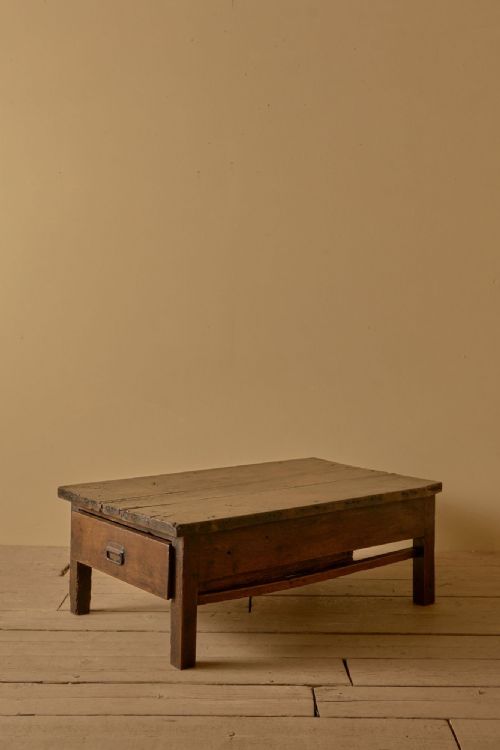
A walnut and oak table brings together two durable timbers, offering sturdy construction alongside rich grain patterns for daily use.
Walnut and Oak Table
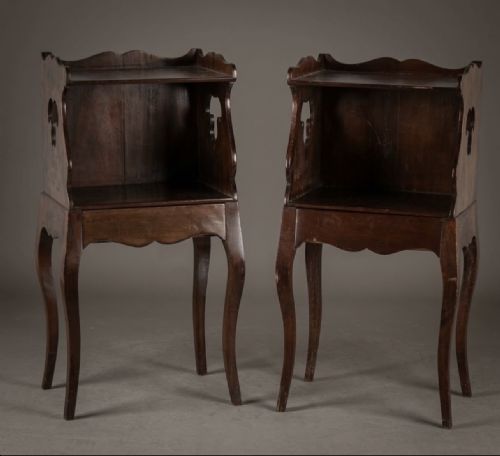
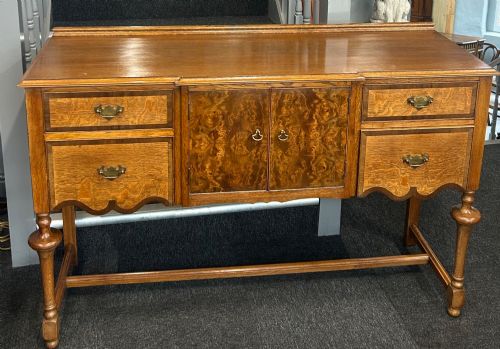
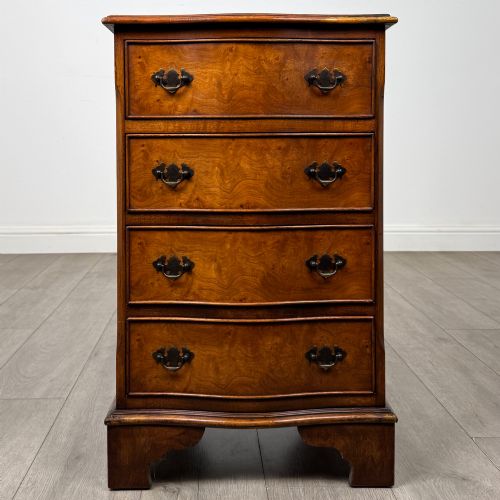
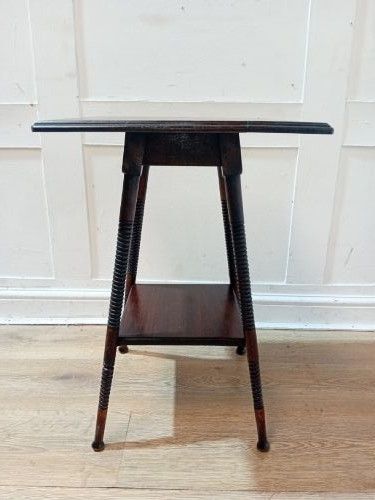
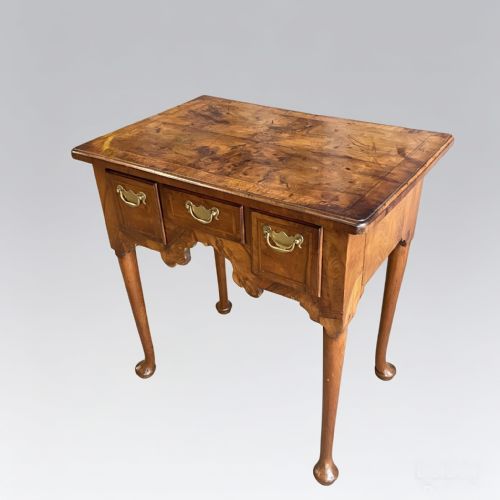
A walnut and oak table spans multiple centuries of furniture making, appearing in forms such as gateleg tables, refectory tables, lowboys, and console tables.
Buyers meet examples originating from diverse periods including the seventeenth century, the Georgian era, and the Victorian period, each displaying distinct regional characteristics.
The combination of oak and walnut serves both structural strength and decorative surface appeal, uniting heavy timber frames with figured wood tops.
Materials and Technique
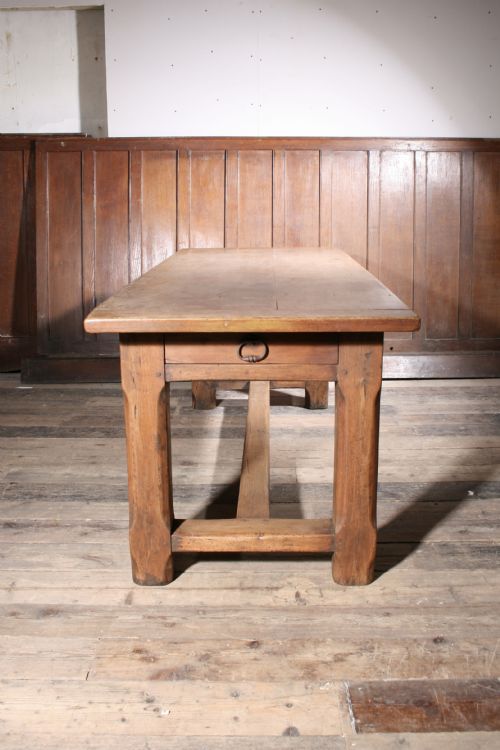
Craftsmen utilised solid oak for structural frames, legs, and stretchers to provide lasting stability, while applying walnut and burr walnut veneers or planks for table tops.
Joinery methods involved traditional pegged mortise and tenon joints, dovetails for drawer construction where applicable, and hand-cut parquetry or feather banding for surface decoration.
Walnut and Oak Table Retail Price Guide 2026
Typical asking prices for walnut and oak table among the pieces listed under this phrase on Sellingantiques today, from the lower quarter to the upper quarter. They describe what is for sale here now, not the wider market.
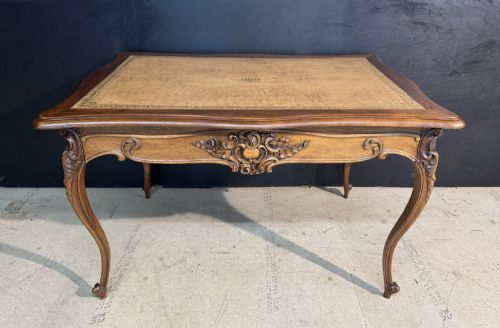
Listings feature oak and walnut tables spanning the seventeenth century through to Art Deco designs, incorporating brass hardware and leather inserts.
Distinctions in Execution
The standard of a walnut and oak table depends upon the selection of timber figures, such as the richness of burr walnut grain and the straightness of the oak frame.
Execution of secondary details, including hand-carved mouldings, precise parquetry patterns, and original brass hardware, separates utilitarian pieces from finer decorative works.
William Birch·Étienne Kohlmann
The Walnut and Oak Table Glossary
- Burr walnut
- A prized veneer taken from the warted excrescences of walnut trees, displaying intricate, swirling grain patterns. It adds significant decorative value to table tops.
- Gateleg table
- A drop-leaf table with hinged legs that swing out to support the extended flaps. This form allows for flexible surface area in domestic spaces.
- Lowboy
- A small oak or walnut dressing table or side table featuring drawers beneath a flat top, common in the seventeenth and eighteenth centuries.
- Parquetry
- Geometric wood inlay work forming mosaic patterns on table surfaces. Artisans utilise contrasting timbers such as walnut and oak to create visual depth.
Walnut and Oak Table: Frequently Asked Questions
How do I clean a wooden table top?
Dust regularly with a dry, soft cloth to prevent particulate buildup on the walnut or oak surface. Avoid harsh chemical cleaners that strip natural finishes.
Apply occasional traditional wax to nourish the timber grain and maintain a gentle protective sheen over the antique surface.
Can I place these tables in direct sunlight?
Prolonged exposure to direct sunlight causes walnut veneer and oak timbers to fade and dry out over time. Position tables away from south-facing windows to preserve original colouration.
Using window blinds or rotating the placement helps maintain even exposure across the wooden surfaces.
How do I identify seventeenth century tables?
Seventeenth century examples typically display heavy oak underframes, hand-turned legs, and simple stretcher bases built for utilitarian strength. Joinery relies on visible pegs and pegged mortise and tenon construction.
Surface patination shows deep oxidation accumulated through centuries of handling and environmental exposure.
Are these tables suitable for dining?
Refectory and gateleg variants provide robust surfaces designed for daily dining and substantial weight capacity. Their solid oak frames support regular domestic use.
Using protective pads underneath hot dishes or serving platters safeguards antique polished finishes from heat damage.