



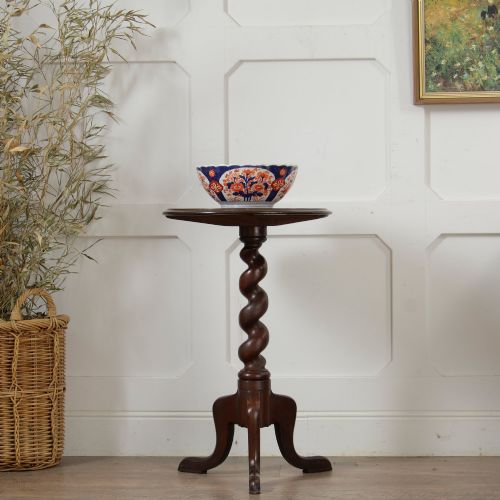

Walnut Accent Stand
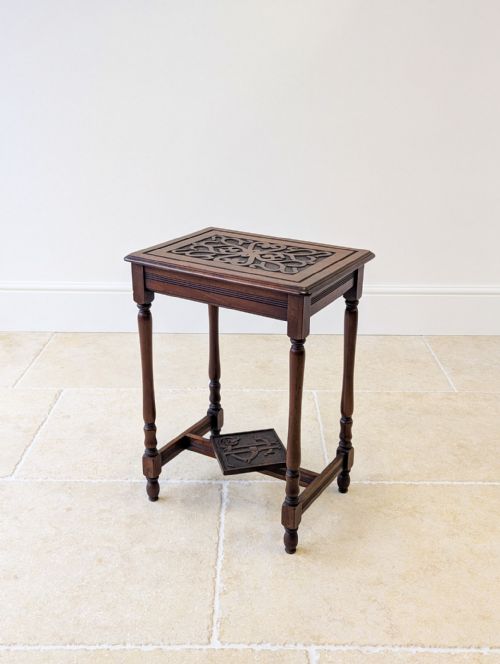
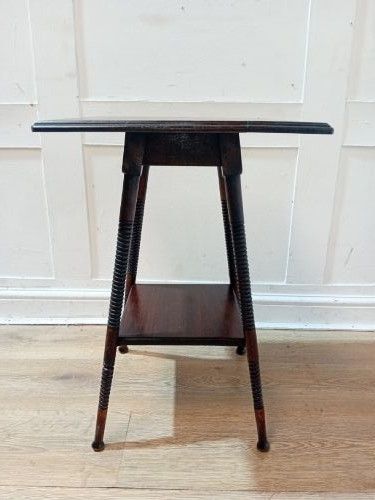
These walnut accent stand pieces bring rich timber surfaces and compact utility to small rooms.
Walnut Accent Stand
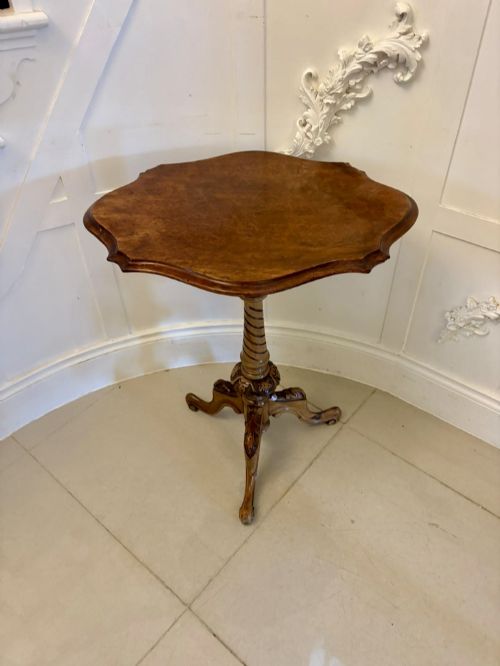
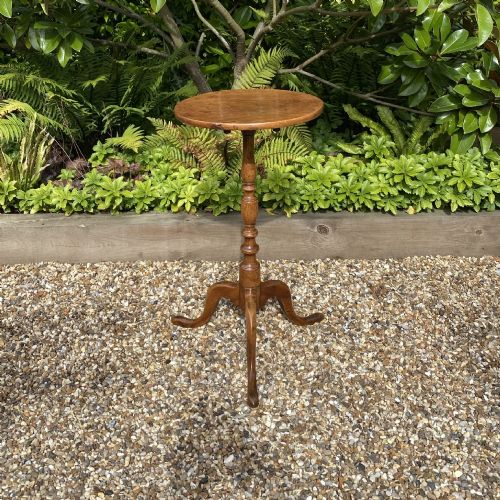
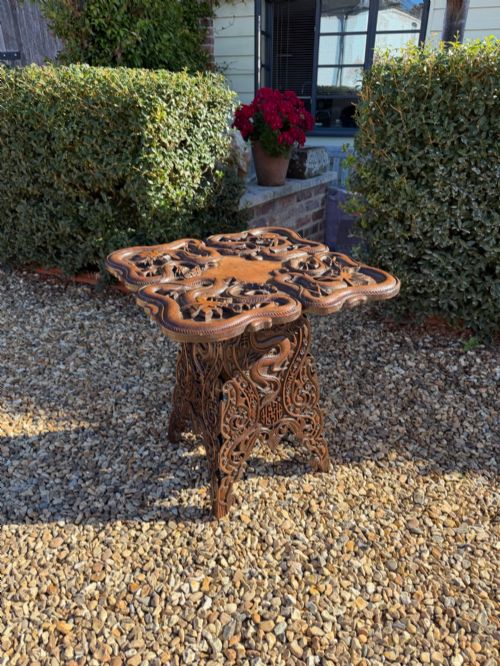
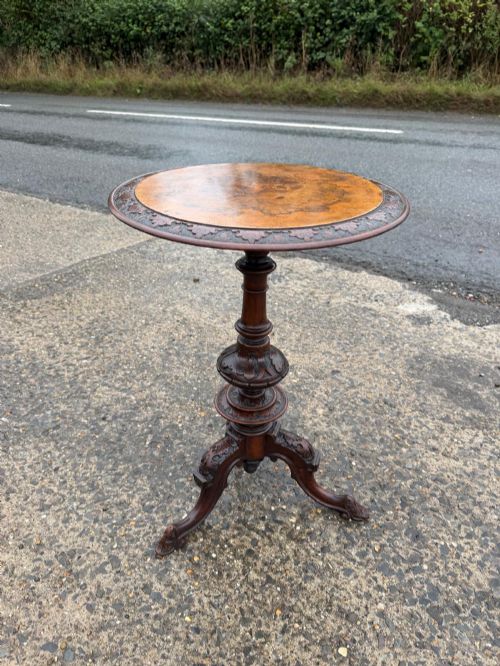
A walnut accent stand encompasses small supportive furniture designed to hold lamps, plants or drinks in various living spaces. These items appear across multiple styles, ranging from Victorian tripod wine tables to Art Deco occasional pieces.
How they were made
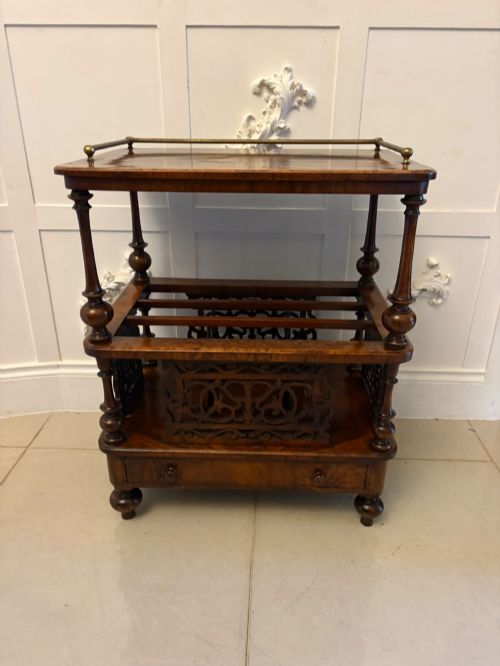
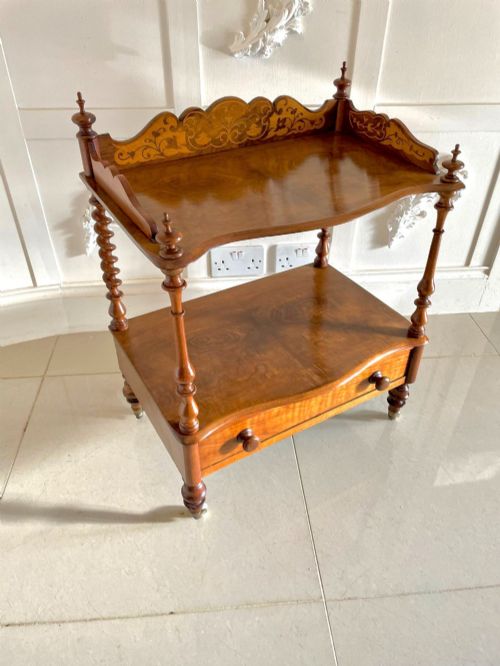
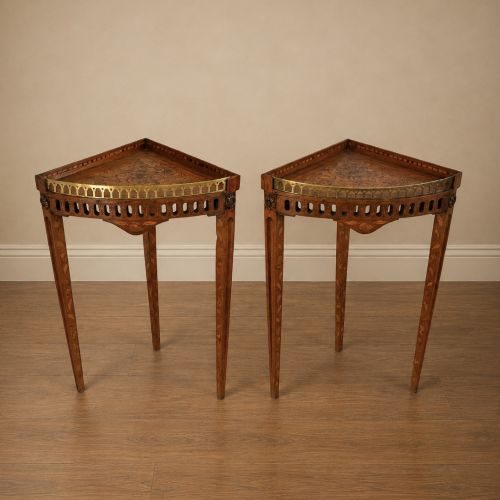
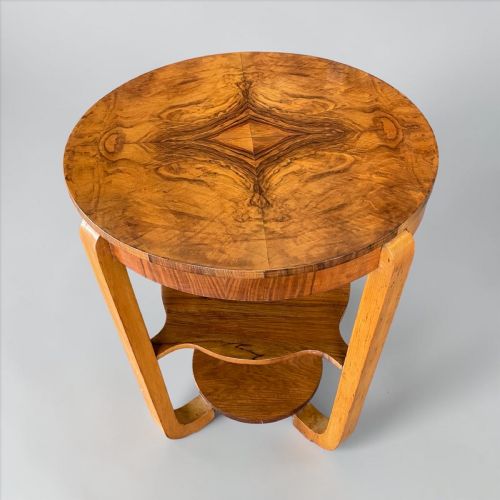
Cabinet makers utilised solid walnut alongside burr walnut veneers to achieve rich surface patterns on table tops. Marquetry inlay, brass galleries and mother-of-pearl accents frequently decorate the timber structures.
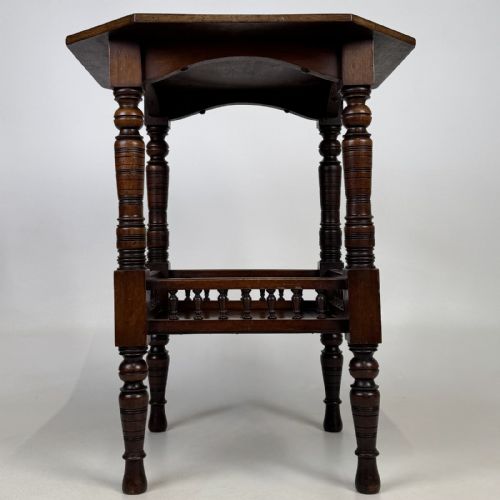
Turned barley twist columns, tripod legs and carved pedestals provide the structural support for these tables. Regional workshops employed traditional joinery methods to construct side tables, etageres and torcheres.
Walnut Accent Stand Retail Price Guide 2026
Typical asking prices for walnut accent stand among the pieces listed under this phrase on Sellingantiques today, from the lower quarter to the upper quarter. They describe what is for sale here now, not the wider market.
Keep an eye out for carved Blackamoor stands carrying trays from the late 19th century.
What varies in quality
Quality depends upon the selection of timber veneers, particularly the presence of highly figured burr walnut or intricate marquetry work. Superior examples display precise inlay and well-balanced proportions across tripod or pedestal bases.
The refinement of carved details and the integration of brass mounts or galleries distinguish finer pieces from standard utility items. Construction integrity in joints and stability in upright stands further define the tier of craftsmanship.
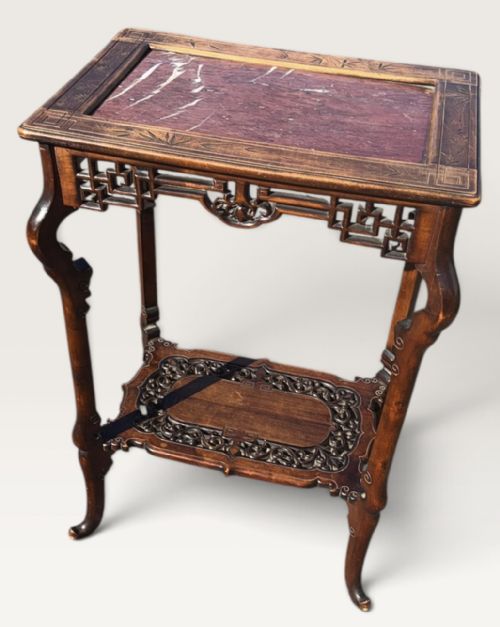
Gabriel Viardot·William Birch·Liberty of London
The Walnut Accent Stand Glossary
- Burr walnut
- A figured timber veneer harvested from walnut tree growths, prized for its swirling grain patterns. This material appears frequently on Victorian and Edwardian table tops.
- Wine table
- A small freestanding table with a single pillar and tripod or pedestal base, historically used for holding drinks. Many examples feature circular timber tops.
- Etagere
- A set of open shelves for displaying small objects, often constructed in tiers using walnut and exotic woods. These pieces date across the 19th century.
- Torchiere
- A tall standing pedestal or candlestick stand designed to support lamps or decorative items. Makers often fashioned these in carved walnut or exotic timbers.
Walnut Accent Stand: Frequently Asked Questions
Where should I place a walnut accent stand?
These compact tables fit easily beside armchairs, in narrow hallways or corners where surface space is limited. Their small footprints make them suitable for holding lamps, books or decorative vessels without crowding a room.
Taller pedestals and torcheres work well in empty corners to display plants or sculptures. Lower wine tables slide conveniently next to seating for functional everyday use.
How do I care for walnut wood surfaces?
Keep walnut furniture away from direct sunlight and heat sources to prevent the timber veneers from drying out or fading. Regular dusting with a soft, dry cloth preserves the polished finish.
Apply a suitable beeswax periodically to nourish the grain and protect the antique wood. Avoid placing wet glasses directly on polished walnut tops without coasters.
What is the difference between an occasional table and a wine table?
Occasional tables generally feature four legs or a multi-tiered structure, offering broader surfaces for general use in living areas. They often incorporate marquetry, drop leaves or brass galleries.
Wine tables specifically utilise a central pillar supported by a tripod base beneath a small round top. Their diminutive size was historically intended for holding a single glass or bottle.
How can I identify the period of a walnut stand?
Period identification relies on observing the combination of joinery techniques, timber selection and decorative styles. Victorian and Georgian pieces often display traditional hand-cut joints and distinct turning on the columns.
Art Deco examples from the 1930s favour geometric shapes and simplified profiles without traditional carving. Examining the underside and interior woods helps confirm the era of manufacture.