



Wall Hanging Hooks
These wall hanging hooks turn everyday storage into architectural detail, offering sturdy utility shaped by centuries of craft.
Wall Hanging Hooks
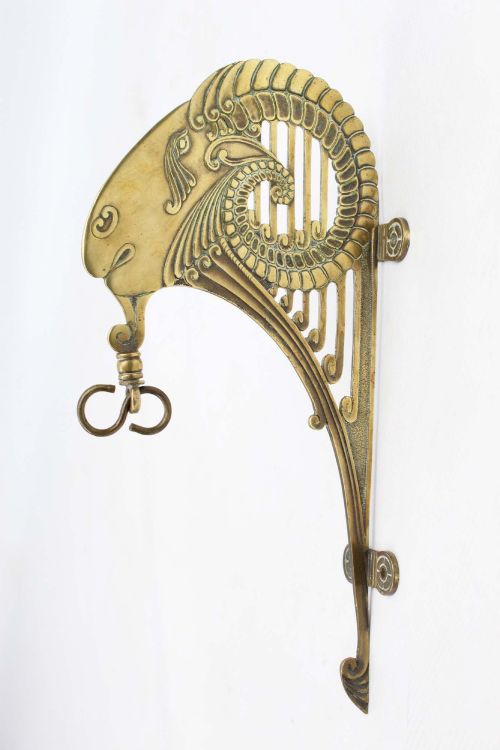
When you search for wall hanging hooks, you encounter a diverse range of items designed to organise spaces using domestic or architectural salvage. The listings span multiple eras, including the eighteenth, nineteenth, and early twentieth centuries, alongside Edwardian and Art Deco periods.
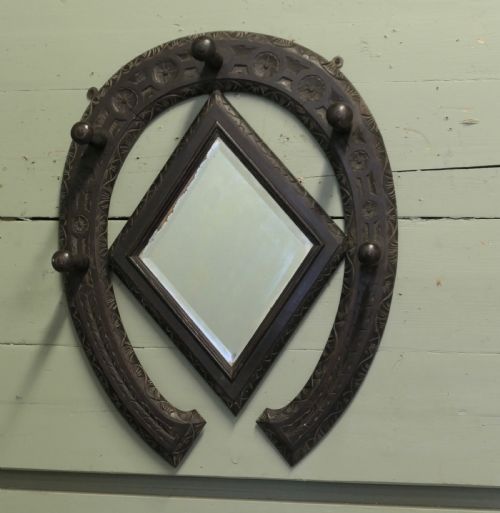
The forms you are most likely to meet on this page include coat racks, wall brackets, coat and tack racks, hanging racks, and wall cabinets. Materials vary widely from traditional woods like oak, pine, beech, and linden to brass, wrought iron, glass, and wool.
Makers and origins stretch across English country styles, Gothic Revival, Rustic Country, Black Forest carving, and tribal textiles such as saddlebag faces. Each piece serves a practical purpose while reflecting the aesthetic priorities of its specific period.
How they were made
Makers utilised solid timbers such as oak, mahogany, and pine, often shaping them alongside bentwood and linden wood to form the primary structures of racks and brackets. Joinery and carpentry techniques provided the essential strength needed for bearing weight in kitchens, hallways, and cloakrooms.
Metal components relied on brass casting and wrought iron forging to produce durable hooks, hinges, and structural brackets. Artisans also incorporated natural materials like horn, bone, and deer antler, particularly within Black Forest regional works, combining organic textures with woodwork.
Wall Hanging Hooks Retail Price Guide 2026
Typical asking prices for wall hanging hooks among the pieces listed under this phrase on Sellingantiques today, from the lower quarter to the upper quarter. They describe what is for sale here now, not the wider market.
Current listings feature items spanning the eighteenth century through to the nineteen-thirties, showcasing oak, brass, wrought iron, and wool.
What varies in quality
Quality in these items rests upon the integrity of the materials and the depth of craftsmanship evident in the carving or metalwork. A piece finished with hand-forged iron or intricate Black Forest antler carving demonstrates greater artistic intent than standard utility pieces.
The preservation of original surfaces, patination on woods, and the intact state of mirrors or textiles significantly influence the standing of an item. Superior examples maintain their structural cohesion while displaying honest wear that reflects their period of origin.
The Wall Hanging Hooks Glossary
- Bentwood
- Wood steamed and bent into curved shapes. This technique defines lightweight yet strong furniture and wall racks.
- Black Forest
- A style of ornate wood carving originating from Switzerland and South Germany. It frequently incorporates natural elements like antlers, horns, and fauna.
- Gothic Revival
- An architectural and decorative style drawing on medieval forms. Pieces often feature pointed arches, heavy timbers, and ecclesiastical motifs.
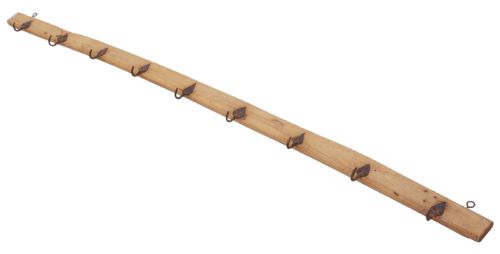
- Yoke
- A wooden beam placed across the shoulders of people or animals to carry loads. In domestic contexts, repurposed yokes serve as sturdy hanging racks.
Wall Hanging Hooks: Frequently Asked Questions
How were wall hooks used in period homes?
Wall hooks and racks served functional roles in kitchens, hallways, and boot rooms for hanging coats, game, keys, and tack. They kept everyday items accessible while protecting garments and provisions from damp floors.
Over time, these utilitarian objects evolved into decorative fixtures, particularly when incorporating mirrors, shelves, or elaborate regional carving like the Black Forest style.
How do I care for antique wooden racks?
Keep wooden racks away from direct heat sources and fluctuating humidity to prevent the timber from warping or splitting. Dust them gently with a dry cloth and occasionally apply a neutral beeswax to nourish the surface.
Avoid using modern liquid polishes, which can build up on old patinated finishes and attract dust to carved details.
How can I tell a Victorian rack from an Edwardian one?
Victorian pieces often lean towards heavier proportions, darker woods like mahogany, and styles such as Gothic Revival or rustic oak. They emphasise robust construction and rich, dark patination developed through decades of heavy use.
Edwardian items frequently introduce lighter timbers, painted finishes, and multifunctional designs combining mirrors, key cabinets, and umbrella stands into a more compact hallway format.