
Walking Sticks and Canes
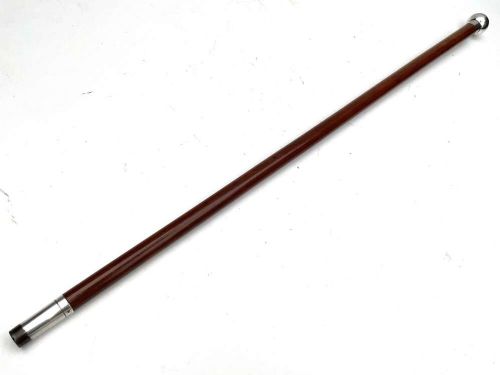
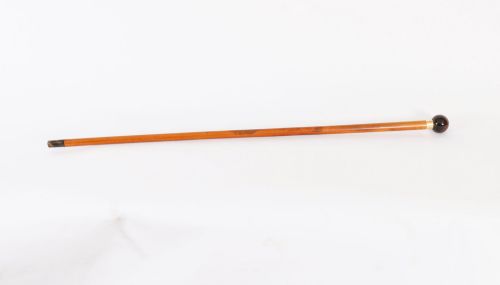
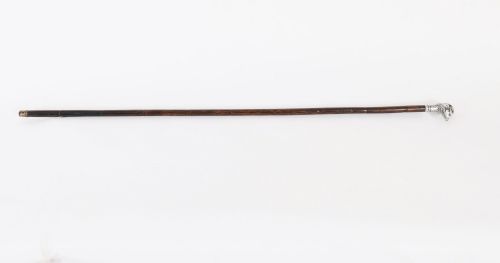
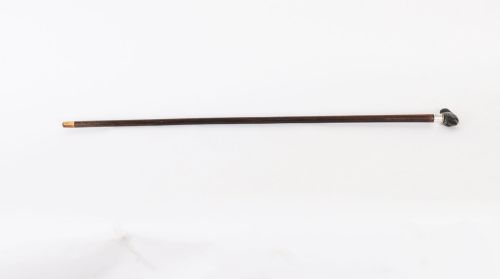
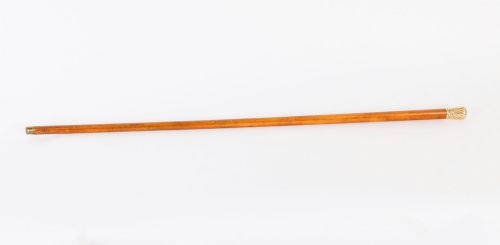
Walking sticks and canes are functional supports and gentlemanly accessories crafted in wood and metal, offering a tactile piece of nineteenth and early twentieth-century history.
Walking Sticks and Canes
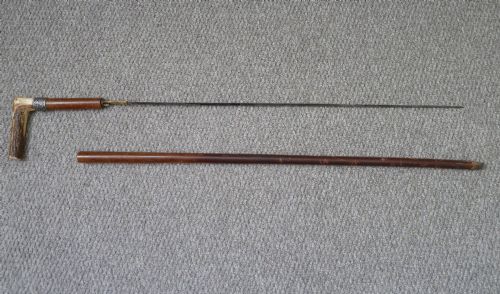
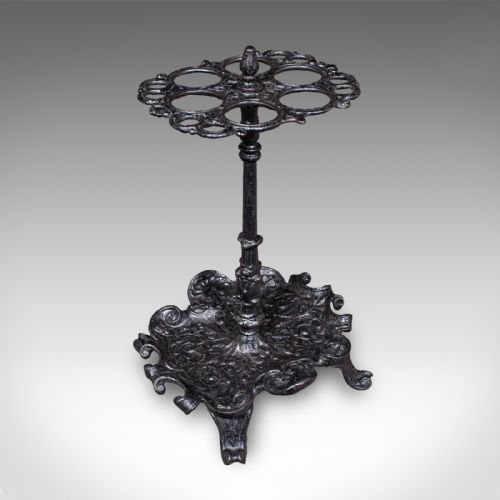
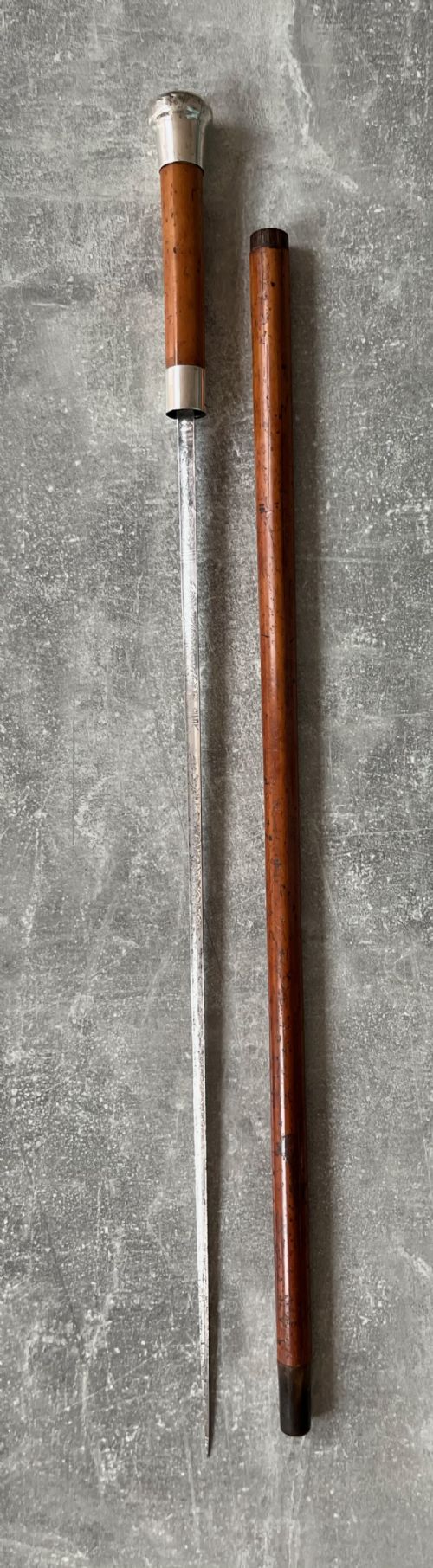
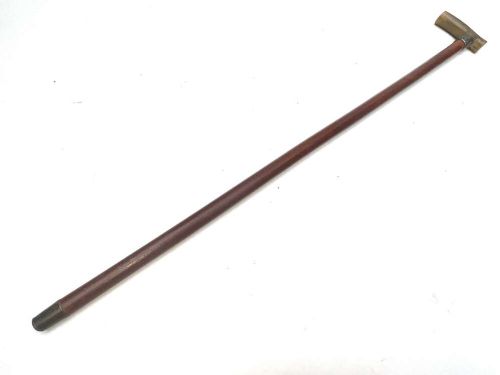
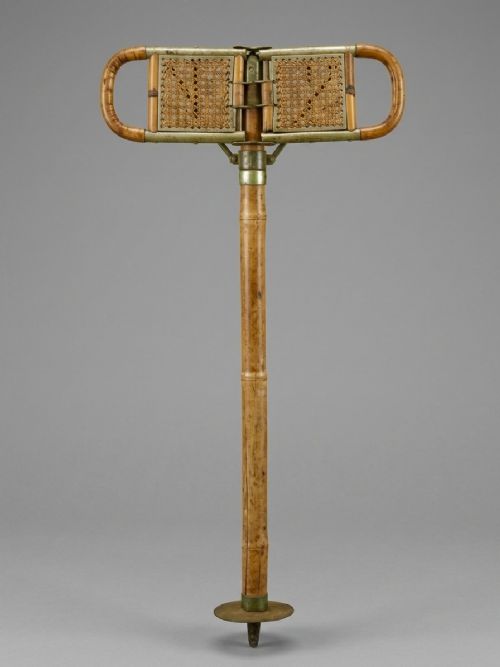
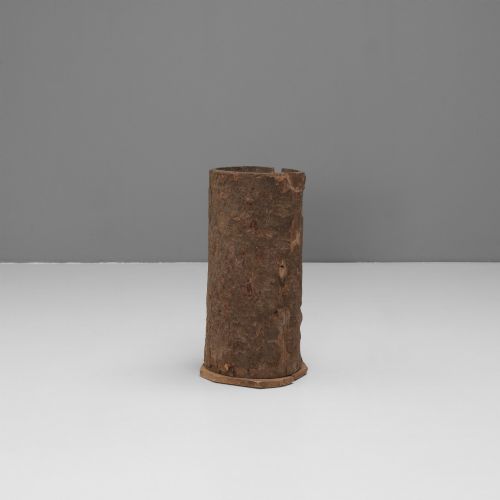
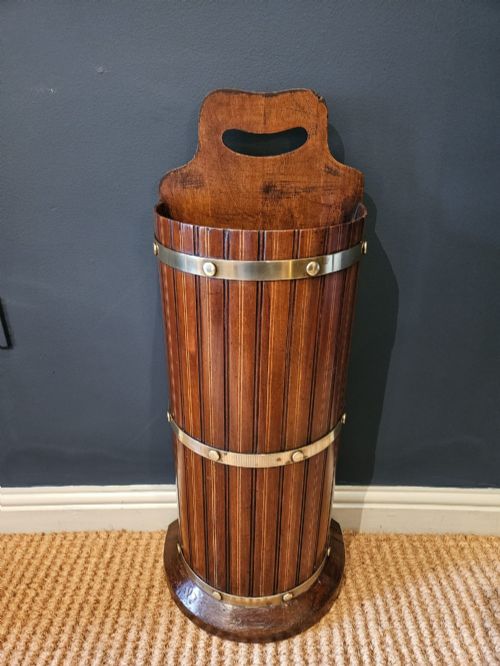
Walking sticks and canes encompass both portable hand-held supports and the stationary umbrella or stick stands designed to hold them in a hallway. The portable pieces range from standard gentlemanly accessories to concealed sword sticks and novelties with animal head handles.
The pieces appearing here span the Victorian, Edwardian, and Art Deco periods, drawing on British, French, Chinese, and other continental workshops. Alongside the individual sticks, the inventory includes heavy hall stands built from oak, brass, and cast iron.
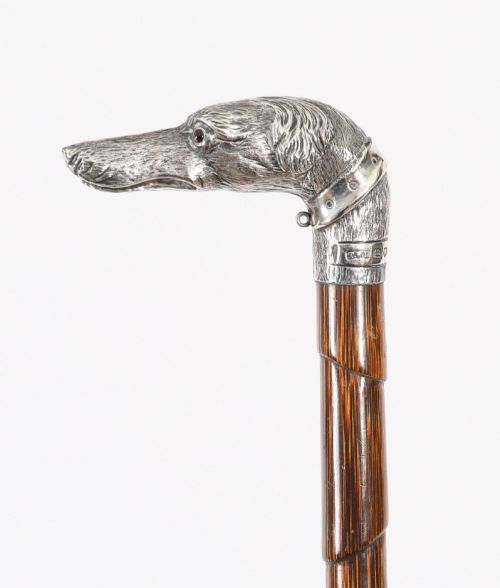
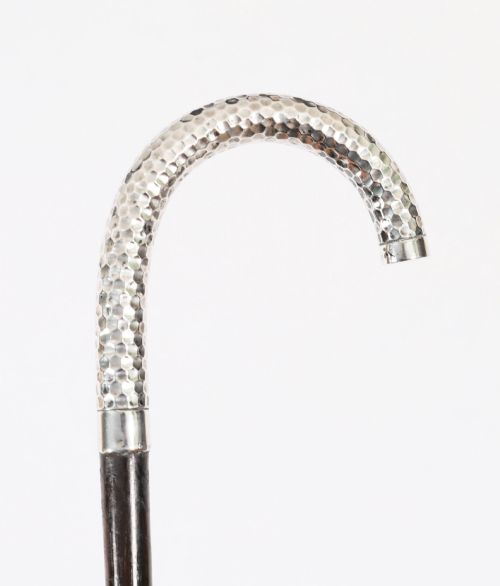
Buyers most frequently encounter nineteenth-century and early twentieth-century examples featuring silver mounts, gold pommels, and carved handles shaped like greyhounds, ducks, and parrots. These items reflect an era when a well-appointed walking stick formed an essential part of daily attire.
How they were made
Maker's workshops utilised a variety of hardwoods such as oak, malacca, partridge wood, cherrywood, and bamboo to form the shafts of walking sticks and canes. These woods were selected for straightness, flexibility, and grain pattern, sometimes supplemented by faux bamboo carving or applied silver wire.
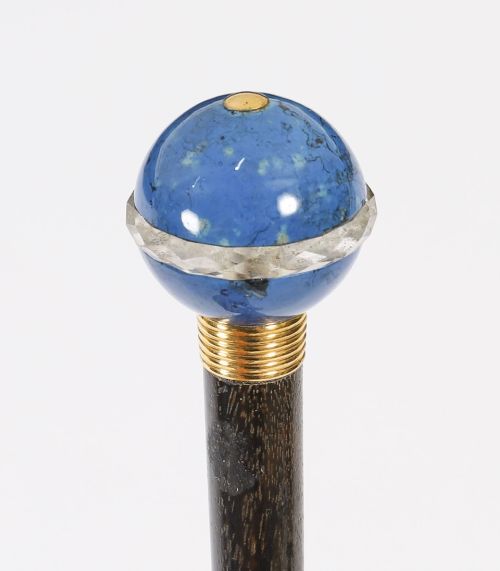
Handles and mounts required metalworking skills, incorporating cast silver, gold plate, brass, and steel blades from makers like Wilkinson and Toledo. Porcelain elements, including Sevres porcelain and lapis lazuli inserts, were added to create decorative pommels on high-status pieces.
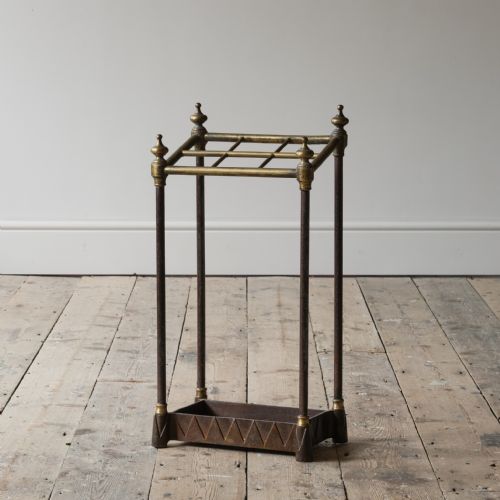
Stationary stick stands were constructed from heavier materials like cast iron, often attributed to foundries such as Coalbrookdale, paired with brass rails and metal drip trays. These structural stands balanced heavy metallic frames with wooden barrels to manage wet umbrellas.
Among the historical supports rest discreet parrot and duck heads, watching silently over the hallway.
What varies in quality
The quality of a walking stick or stand rests upon the fineness of detail in the handle carving and the integrity of the materials. Finely chased silver animal heads or maker-stamped gold pommels distinguish workshop pieces from mass-produced items.
Blade execution alters the standing of tactical or sword sticks, where Toledo and Wilkinson steel blades indicate high manufacturing standards. Similarly, heavy cast iron hall stands with crisp moulding demonstrate superior foundry work compared to lighter, plain metal alternatives.
Briggs·Thomas Johnson·Wilkinson·Coalbrookdale
The Walking Sticks and Canes Glossary
- Pommel
- The rounded knob or decorative handle at the top of a walking stick or cane. This component often contains hallmarks or precious metal overlays.
- Sword stick
- A walking stick with a concealed blade locked inside the shaft. These dual-purpose items were frequently carried by military officers and gentlemen.
- Stick stand
- A piece of hallway furniture designed to hold walking sticks and umbrellas upright. They are commonly made from oak, brass, or cast iron.
- Hallmark
- An official stamp applied to precious metals like silver and gold to indicate purity and origin. These marks help date the mounts on walking canes.
- Malacca
- A sturdy stem derived from a Southeast Asian rattan palm, widely used for walking stick shafts. It is recognisable by its mottled brown surface and nodular joints.
Walking Sticks and Canes: Frequently Asked Questions
How do I date an antique walking stick?
Dating relies primarily on metal hallmarks found on the silver or gold mounts, combined with stylistic cues from the Victorian or Edwardian eras. Maker signatures and patent dates engraved on the collars also provide precise points of reference.
Material composition and construction techniques further narrow the manufacturing window. Stylistic movements like Art Nouveau or Aesthetic Movement decoration point toward the late nineteenth or early twentieth centuries.
Were sword sticks legal to carry?
Historical sword sticks served as personal protection and status symbols for military officers and civilian gentlemen during the nineteenth century. Regulations regarding their ownership and transport varied by region and era.
Today, historical sword sticks are collected primarily as militaria and decorative objects of craftsmanship. Their blades often feature signatures from notable makers like Wilkinson or Toledo.
How should I display a stick stand?
Stick stands function best in entrance halls and corridors, echoing their original Victorian and Edwardian domestic placement. Heavy cast iron and brass stands require stable flooring to support the weight of multiple wooden sticks.
Matching the stand material to surrounding furniture, such as oak or Japanned finishes, maintains period harmony. Ensuring the internal metal drip tray is present protects floors from moisture.