



Vintage Zoological Art
Vintage zoological art brings scientific observation to the wall, offering detailed studies of animals rendered across centuries of printmaking and painting.
Vintage Zoological Art
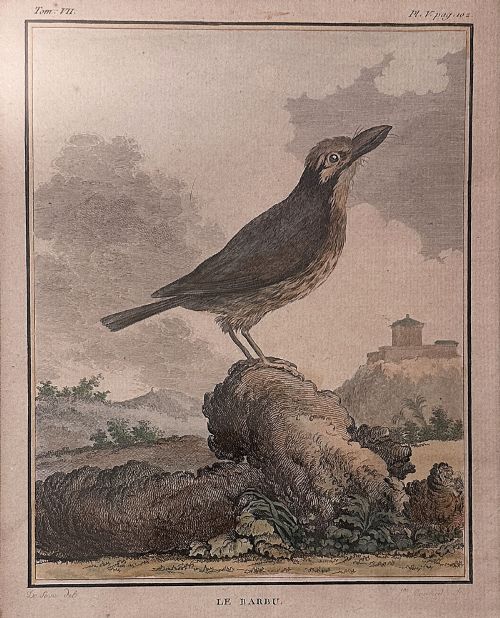
When buyers search for vintage zoological art, they encounter framed prints, engravings, and paintings depicting animals from birds and reptiles to primates and marine life. These works originate from periods spanning the eighteenth century through the mid twentieth century, reflecting the evolution of natural history documentation.
The most common examples on this page are hand-coloured engravings and framed prints from the eighteenth and nineteenth centuries. Pieces range from single subjects to pairs and sets, often preserved in period frames using materials like wood, glass, and brass.
Materials and techniques
These works rely primarily on paper supports treated with ink, watercolour, and sometimes gold leaf highlights. Printmakers utilised copper or steel plates for engravings, applying hand-colouring to individual impressions after printing.
Framing materials include burr wood and brass alongside traditional timber mouldings, with glass protecting the delicate paper surfaces from atmospheric damage.
Vintage Zoological Art Retail Price Guide 2026
Typical asking prices for vintage zoological art among the pieces listed under this phrase on Sellingantiques today, from the lower quarter to the upper quarter. They describe what is for sale here now, not the wider market.
Listings span the eighteenth century, the nineteenth century, and the year 1940, utilising paper, watercolour, ink, and gold leaf.
Factors in quality
Quality rests upon the precision of the initial engraving and the skill applied in subsequent hand-colouring. Works by known naturalists or draughtsmen exhibit superior anatomical accuracy and finer linework.
The preservation of the paper and the originality of the framing components also distinguish finer examples from standard decorative pieces.
William Bird MD FLS·Bernhard Siegfried·William Swainson·Paul-Louis Barruel·Audebert
The Vintage Zoological Art Glossary
- Engraving
- A printmaking technique where an artist cuts an image into a metal plate using a burin. The inked lines transfer onto paper under pressure.
- Hand-coloured
- A print finished with watercolour or other pigments applied by hand after the printing process. This adds individual character and realistic tones to scientific illustrations.
- Natural history
- The study of animals, plants, and minerals, which inspired detailed visual documentation during the eighteenth and nineteenth centuries.
- Watercolour
- A paint consisting of pigment suspended in a water-based solution, applied directly to paper for original artworks and studies.
Vintage Zoological Art: Frequently Asked Questions
What is vintage zoological art?
Vintage zoological art comprises historical illustrations, engravings, and paintings focused on animal subjects. These pieces originated as scientific records or educational plates before becoming decorative wall art.
They capture the appearance and anatomy of creatures through the artistic and scientific lenses of their respective periods.
How were these prints coloured?
Many early prints were produced in monochrome via engraving before artisans applied watercolours by hand. This technique allowed for accurate biological representation and varied subtly between individual sheets.
Craftsmen followed reference specimens or natural history texts to ensure correct coloration for species.
How do I care for antique prints?
Paper works require protection from direct sunlight to prevent the fading of inks and watercolours. Maintaining stable indoor humidity prevents warping and paper degradation over time.
Displaying pieces away from moisture sources ensures the longevity of both the paper and any original wooden framing.
Are these works original or reproductions?
The pieces listed on this page originate from the periods stated, such as the eighteenth and nineteenth centuries. They are period printings and original paintings rather than modern reproductions.
Examination of the paper stock, ink application, and framing often reveals the age and authenticity of each item.