
Vintage Writing Table Drawers
Vintage writing table drawers offer practical storage built into period desks, library tables and side tables spanning the nineteenth and twentieth centuries.
Vintage Writing Table Drawers
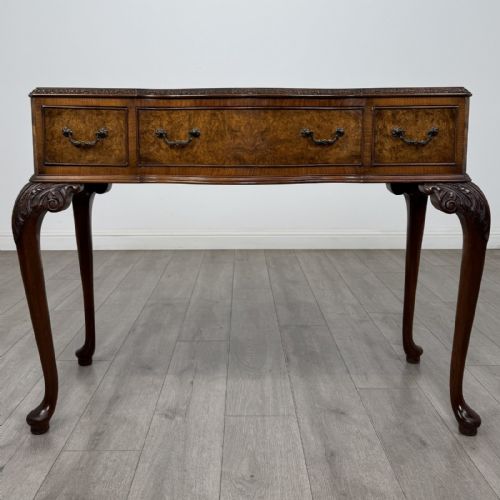
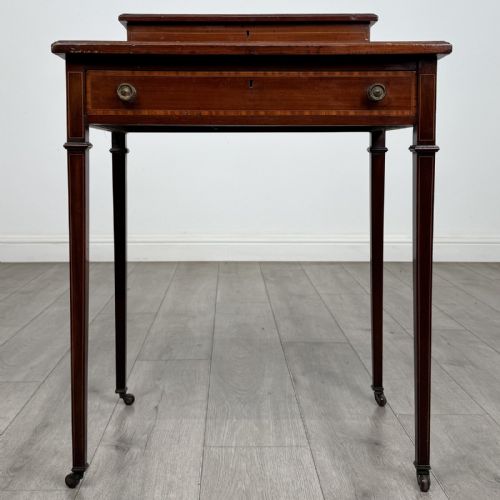
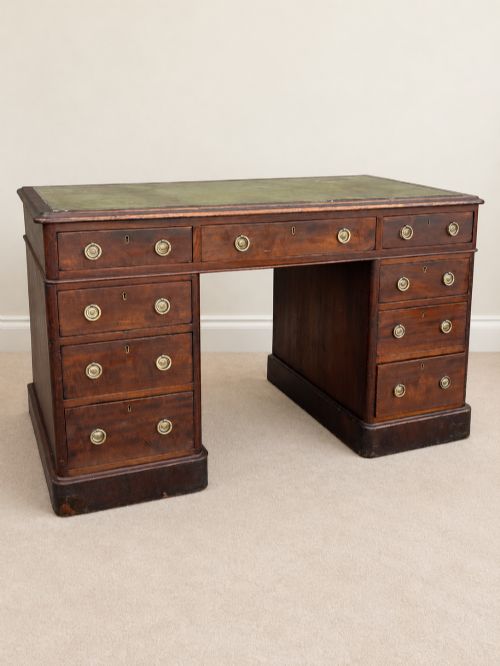
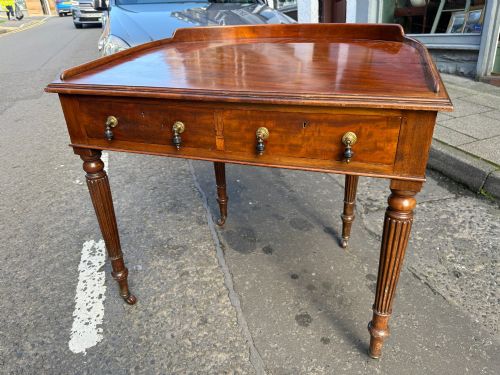
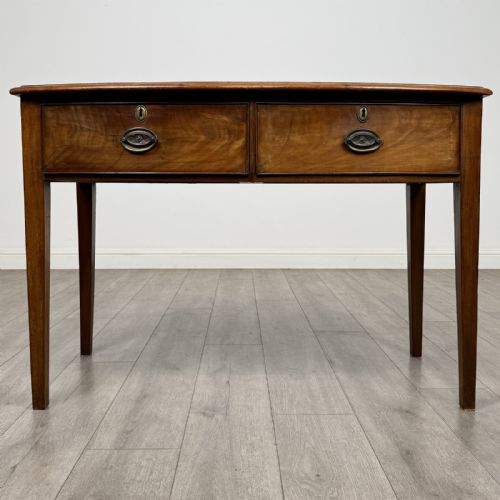
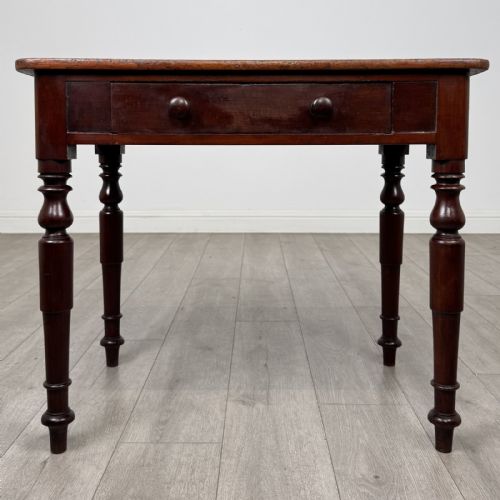
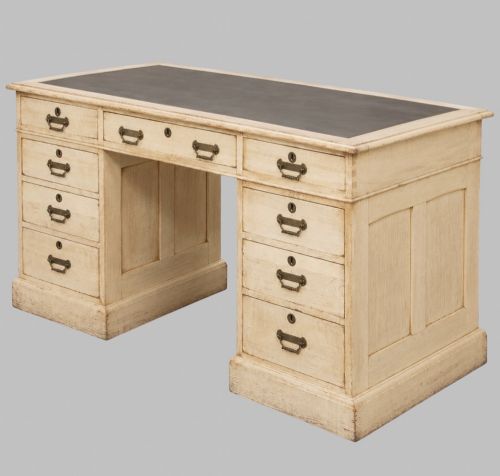
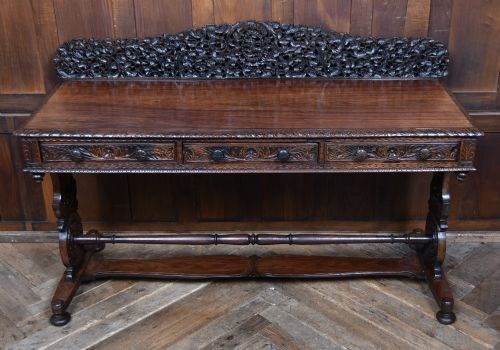
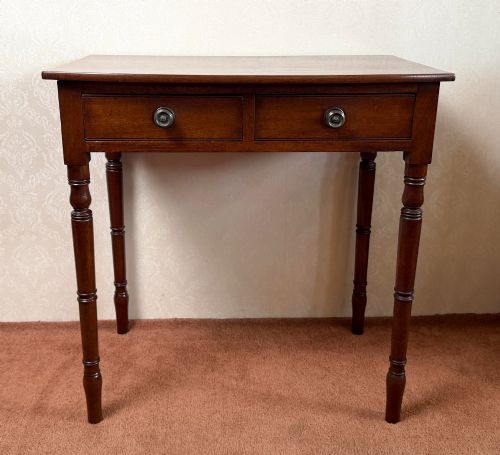
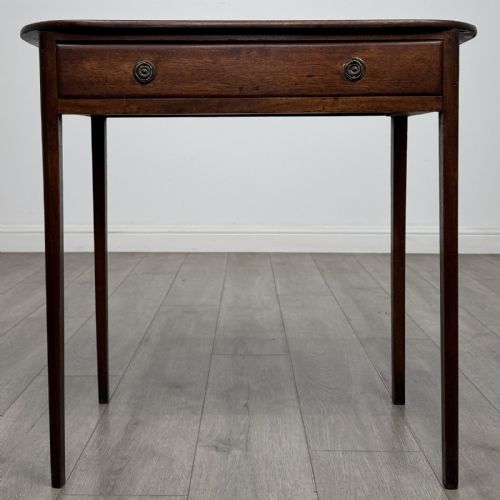
Vintage writing table drawers appear across various desks, side tables, and library tables spanning the nineteenth and twentieth centuries. These pieces encompass utilitarian side tables with single drawers alongside substantial pedestal desks featuring numerous compartments.
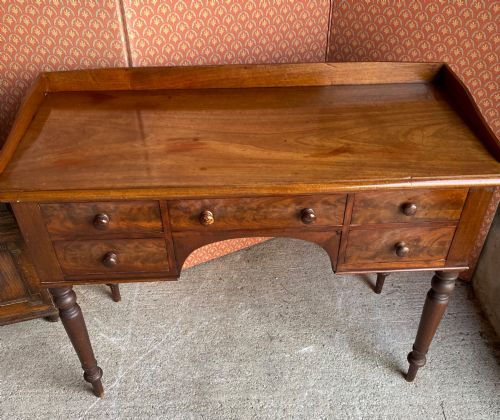
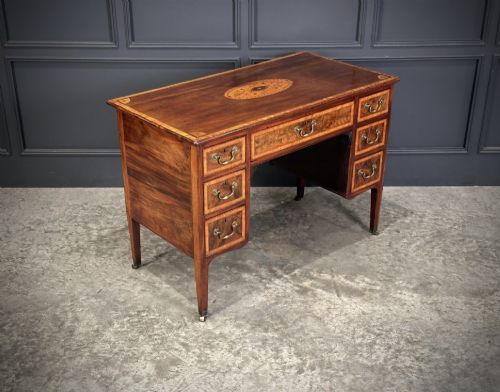
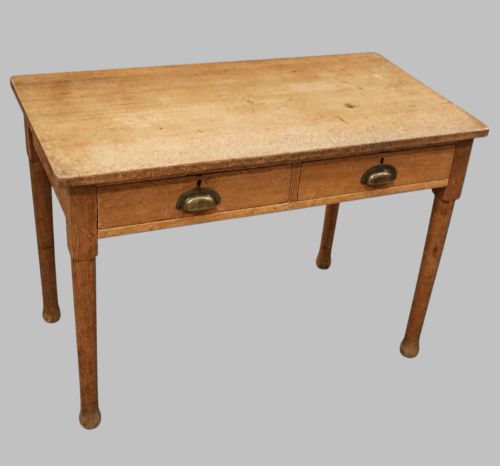
The selection ranges from Victorian mahogany and walnut pieces to Edwardian oak and pine examples. Buyers frequently encounter formats incorporating fitted kneeholes or multiple banks of drawers alongside simpler writing tables.
Makers and workshops constructed these items for functional study and administrative work. Surviving examples demonstrate the domestic and institutional utility required by past generations.
Materials and Construction
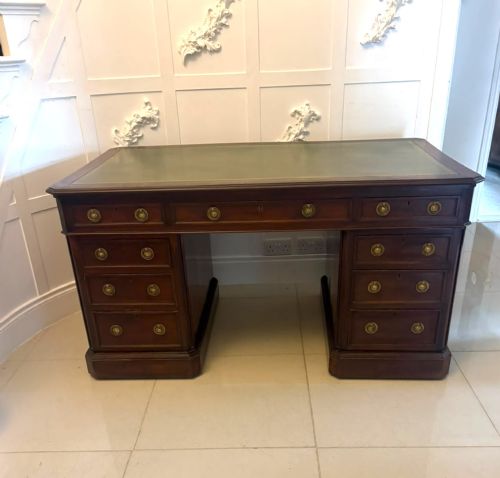
Cabinet makers utilised robust timbers including mahogany, oak, walnut, burr walnut, and pitch pine for structural integrity. Metal hardware such as brass handles and leather inserts frequently accent the primary wood bodies.
Construction techniques relied upon solid timber framing and durable joinery suited to daily desktop use. Drawers typically feature traditional jointing designed to withstand regular opening and closing.
Some nineteenth-century tables served double duty as washstands before settling down to a quiet retirement holding stationery.
Variations in Quality
Quality differences emerge through the selection of cabinet timbers and secondary woods used within the drawer linings. Fine pieces employ figured veneers like burr walnut or dense straight-grained mahogany combined with heavier structural framing.
Execution of hardware and decorative details distinguishes standard utility items from finer workshop productions. Original handles, integrated leather writing surfaces, and precise internal joinery elevate the overall calibre of a desk.
Edwards and Roberts·Hobbs and Co
The Vintage Writing Table Drawers Glossary
- Pedestal desk
- A freestanding desk comprising two supporting banks of drawers beneath the work surface.
- Kneehole desk
- A desk featuring a central recess for the user's legs, flanked by vertical stacks of drawers.
- Partners desk
- A large double-sided writing table designed for two people to work opposite one another.
- Lowboy
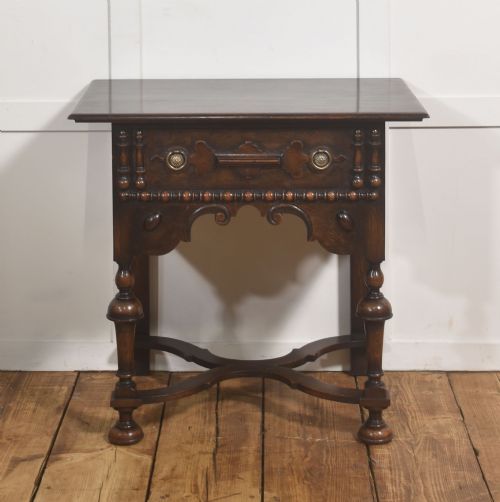
- A small table with one or more rows of drawers, commonly utilised as a side or dressing table.
- Side table
- A secondary table designed to stand against a wall, frequently incorporating single or multiple drawers.
Vintage Writing Table Drawers: Frequently Asked Questions
What periods do these desks cover?
The listings encompass items produced from the nineteenth century through the Edwardian era and into the 1920s and 1930s. Victorian and Edwardian examples represent the majority of available pieces.
Craftsmen during these decades utilised traditional timber species like mahogany, oak, and walnut to build durable working furniture.
How do pedestal desks differ from side tables?
Pedestal desks feature twin columns of drawers supporting the main writing surface, creating a substantial freestanding footprint.
Side tables offer lighter proportions with one or two shallow drawers positioned directly beneath the top board.
Were these tables used for writing?
Many examples served administrative and correspondence duties in studies, libraries, and offices. Some incorporate leather-lined surfaces specifically designed for writing.
Other variations functioned as dressing tables, washstands, or general serving furniture depending on the domestic context.
What timbers were commonly used?
Mahogany and oak appear frequently across nineteenth-century and Edwardian pieces. Walnut and burr walnut provide richer decorative grain patterns on finer desks.
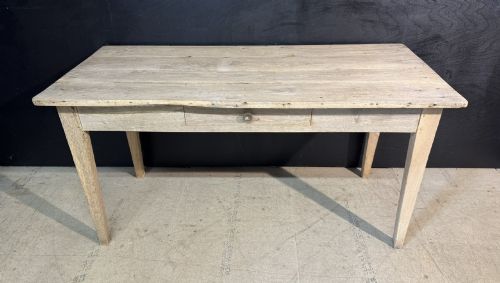
Pine and pitch pine serve as sturdy alternatives, particularly in farmhouse or utility furniture.