

Vintage Worktable
A vintage worktable brings honest utility and timeless craftsmanship to a room, offering practical workspace rooted in past centuries.
Vintage Worktable
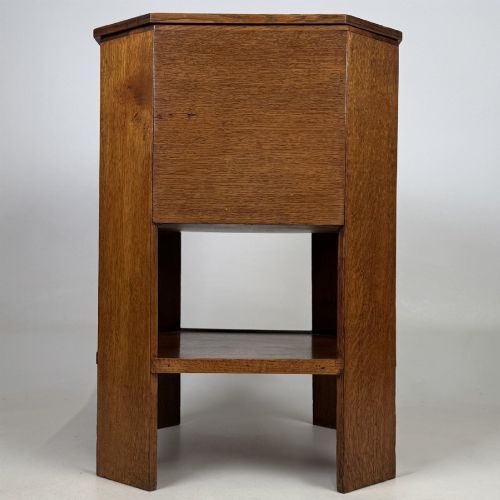
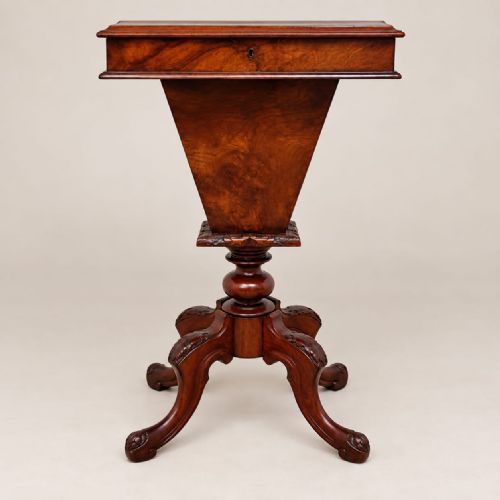
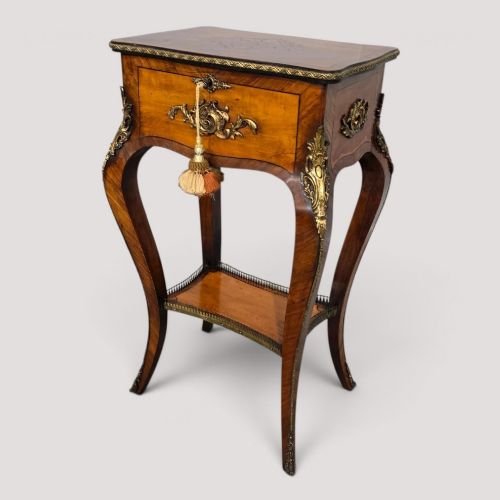
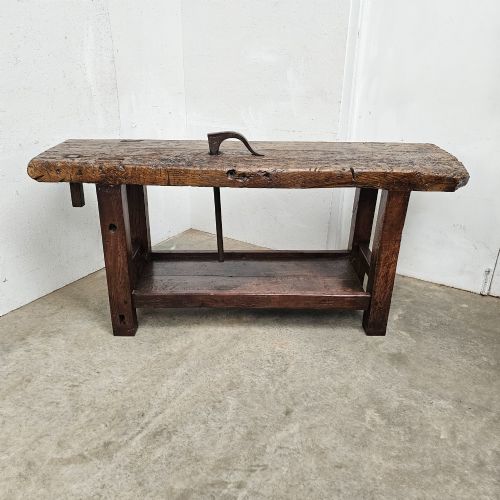
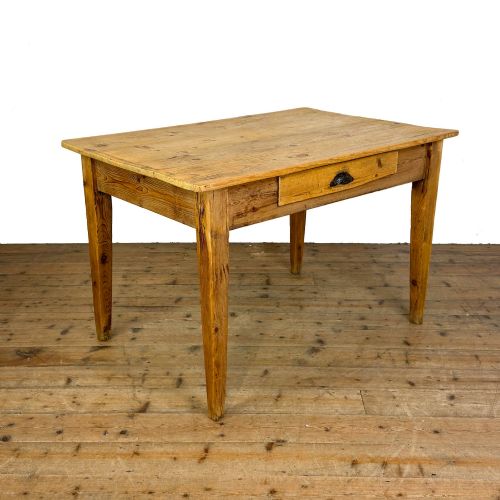
A vintage worktable encompasses a diverse selection of utilitarian furniture designed for specific tasks, from sewing and needlework to kitchen preparation and workshop crafts. When exploring this phrase, buyers encounter everything from refined mahogany sewing cabinets to robust pine farmhouse tables and industrial sorting surfaces.
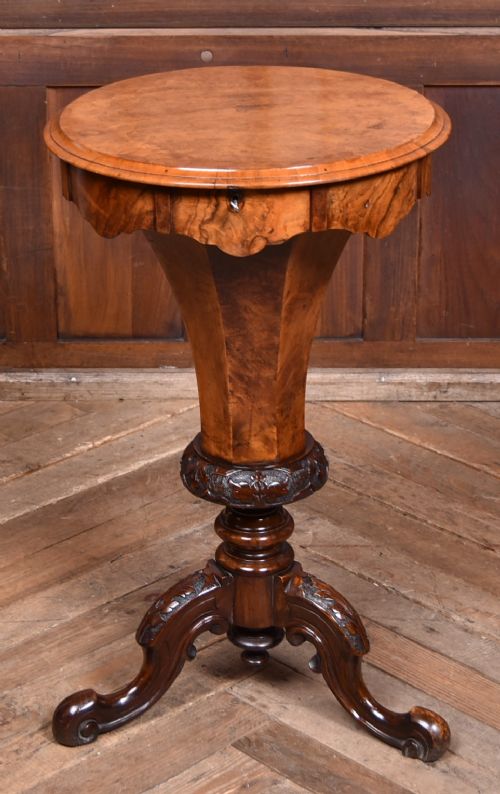
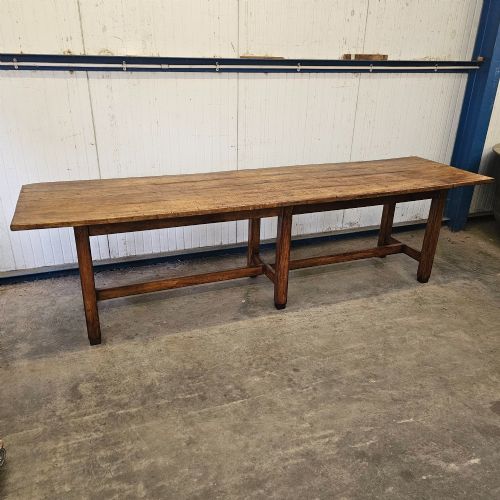
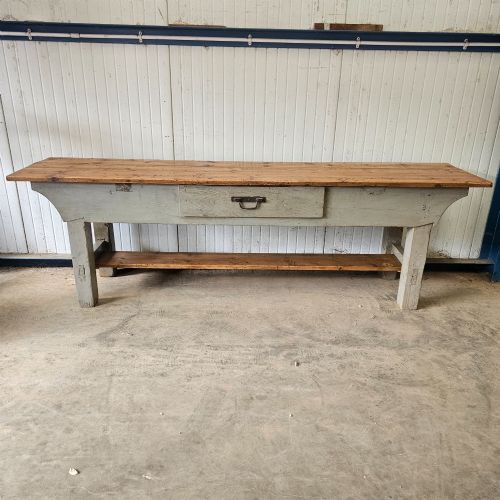
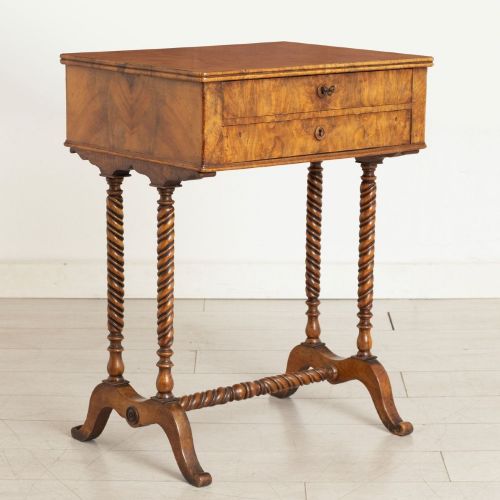
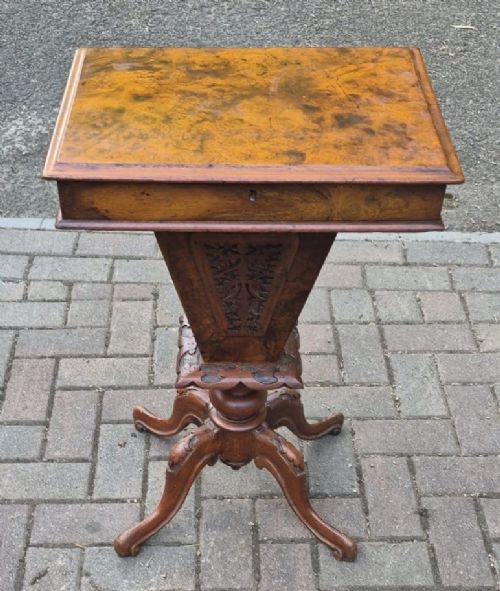
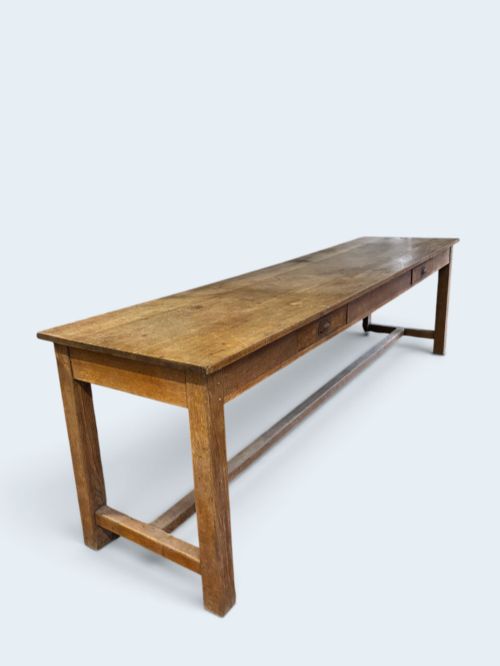
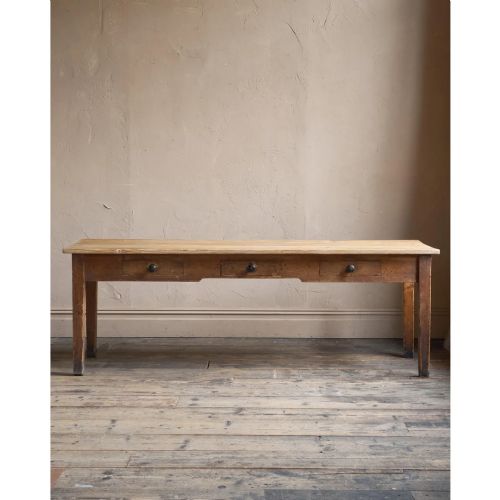
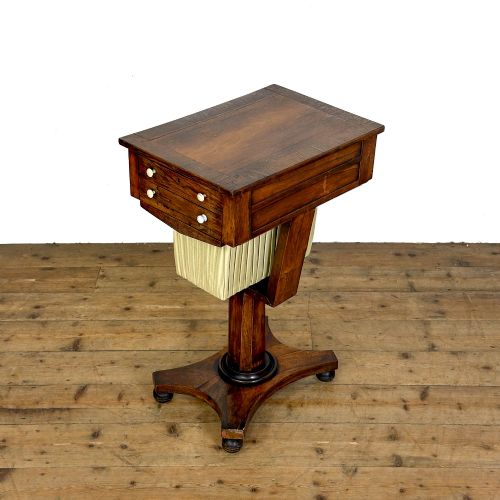
The most common versions on this page are sturdy nineteenth century pine worktables and kitchen prep pieces, alongside walnut and mahogany sewing tables from the Victorian and Edwardian eras. These pieces bridge the gap between heavy-duty domestic labour and elegant parlour crafts, reflecting the varied trades and domestic routines of the past.
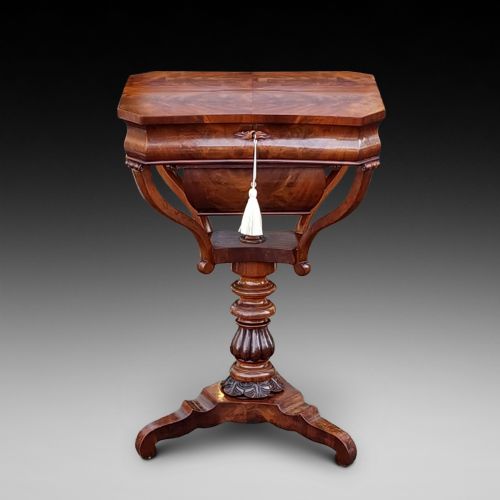
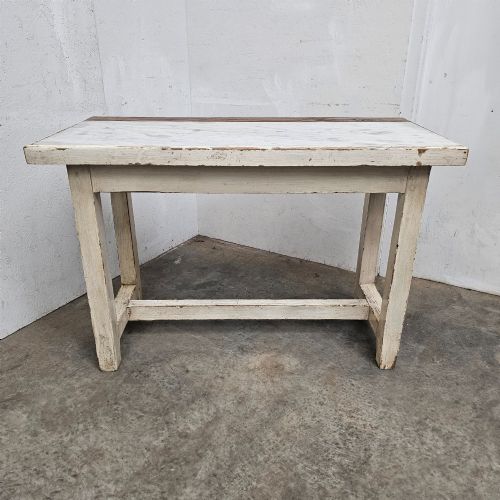
Origins span across English, French, and Scandinavian workshops, showcasing regional preferences in timber and construction. Whether you select a painted bakers table or a polished flame mahogany needlework table, each object carries the distinct character of its original working environment.
Materials and Construction
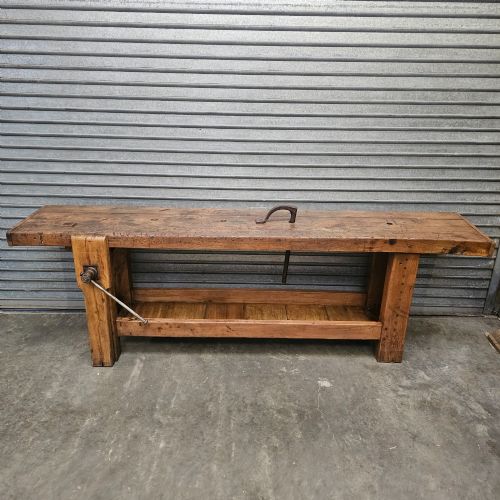
Makers relied heavily on solid pine, oak, and beech for utility pieces, utilising robust joinery to withstand daily kitchen prep, bakery work, and artisanal trades. Scrubbed tops, clamping bars, and deep drawers indicate a primary focus on durability and function.
Fine furniture employs rich veneers of flame mahogany, burr walnut, and rosewood, often enhanced with delicate cross-banding and inlay work for parlour sewing and games tables. Brass hardware and occasional marble tops introduce contrasting textures to both utilitarian and refined examples.
Vintage Worktable Retail Price Guide 2026
Typical asking prices for vintage worktable among the pieces listed under this phrase on Sellingantiques today, from the lower quarter to the upper quarter. They describe what is for sale here now, not the wider market.
Several tables retain the flour dust and ink stains of past trade.
Assessing Quality and Character
Quality rests in the integrity of the timber and the honesty of the wear, where original painted surfaces or deeply scrubbed tabletops display genuine age rather than manufactured distress. Finer sewing tables distinguish themselves through sophisticated veneer work, intact internal compartments, and well-preserved brass details.
Structural soundness separates daily-use tables from fragile decorative pieces, particularly in industrial workbenches and heavy scullery tables designed for sustained pressure. The balance between utilitarian strength and refined cabinetmaking defines the upper tier of these items.
The Vintage Worktable Glossary
- Sewing table
- A small specialised piece featuring internal compartments, drawers, or fabric bags designed for needlework and small crafts. These often appear in mahogany or walnut during the Victorian and Edwardian periods.
- Scrub-top
- A solid wooden tabletop, typically pine or sycamore, designed to be scrubbed clean with water and sand in busy kitchens or prep spaces. This treatment leaves a pale, smooth finish with exposed grain.
- Bakers table
- A utilitarian table originating from bakeries, frequently featuring a heavy pine or scrubbed top and painted base used for kneading dough. Scandinavian and French examples are particularly noted in the evidence.
- Cross-banding
- A decorative technique where veneer strips are applied across the grain of the main wood panel, creating a contrasting border. This appears frequently on Edwardian and Victorian tables.
- Workbench
- A heavy-duty table constructed for manual trades, often incorporating vices, clamping bars, and thick beech or oak tops. These pieces emphasise industrial strength over domestic refinement.
Vintage Worktable: Frequently Asked Questions
What is a vintage worktable?
A vintage worktable is a piece of furniture originally built for practical tasks, ranging from kitchen food preparation and baking to tailoring and carpentry.
Over time, these durable surfaces have transitioned into popular domestic items valued for their honest construction and historical character.
How do I choose between pine and mahogany worktables?
Pine worktables generally offer a rustic, casual aesthetic suited for kitchens and casual living spaces, often featuring scrubbed tops or original painted finishes.
Mahogany and walnut variations tend to be more refined sewing or dressing tables intended for formal rooms and parlours.
Were sewing tables used only for sewing?
While specifically compartmented for needlework, threads, and pins, many sewing tables also functioned as small writing desks or games tables.
Their compact size made them versatile additions to nineteenth century sitting rooms.
How do I care for a scrubbed wood table?
Scrubbed pine and sycamore tops benefit from gentle cleaning with mild soap and water, avoiding harsh chemical varnishes that alter the dry texture of the wood.
Regular light waxing can help protect the timber without adding an unwanted glossy finish.