


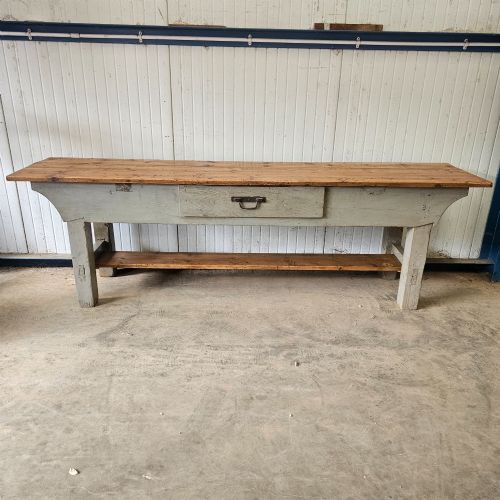
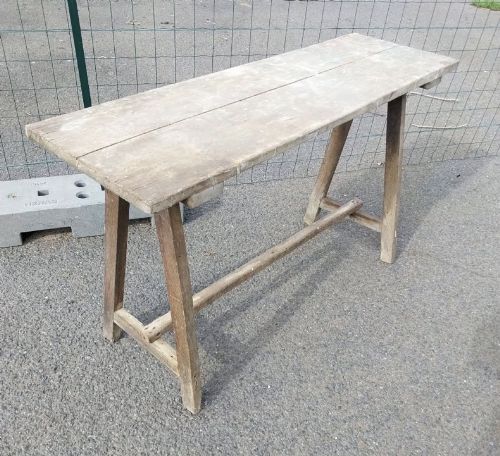
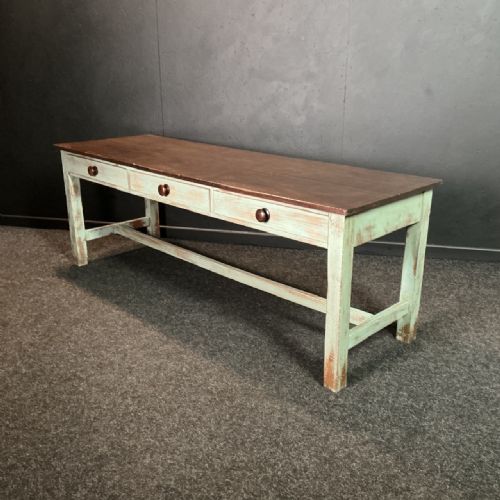
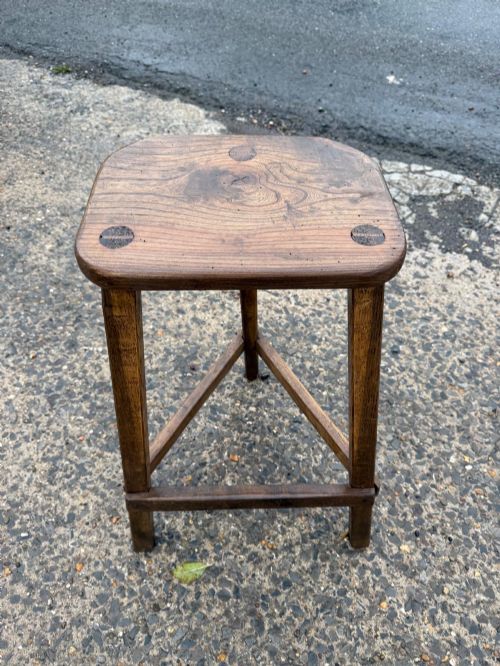
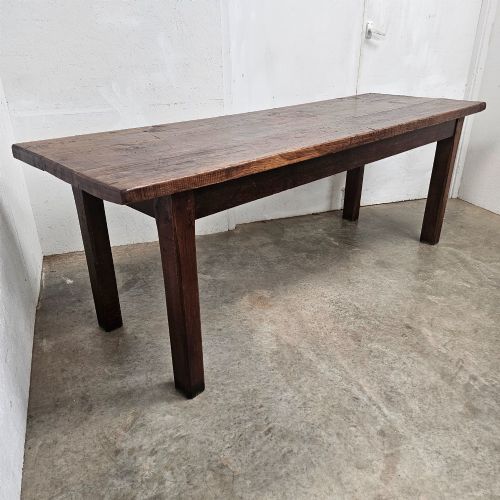
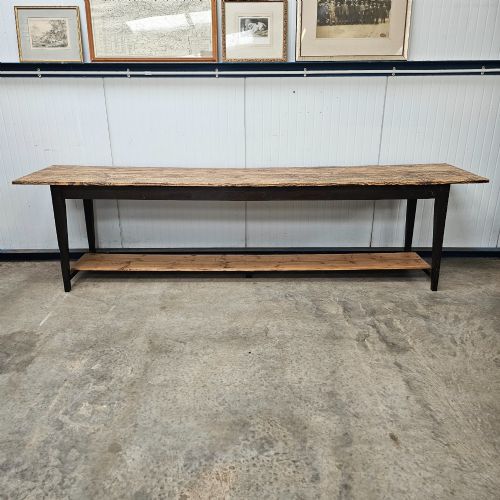
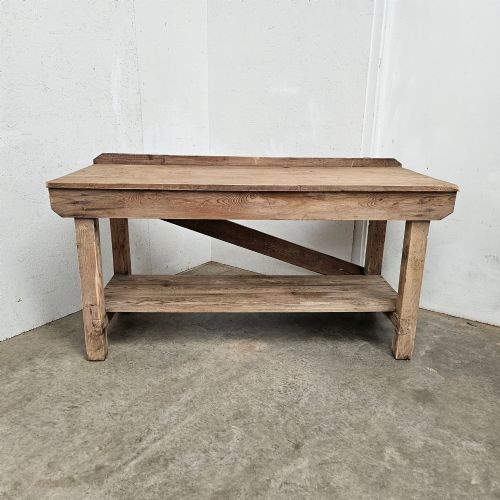
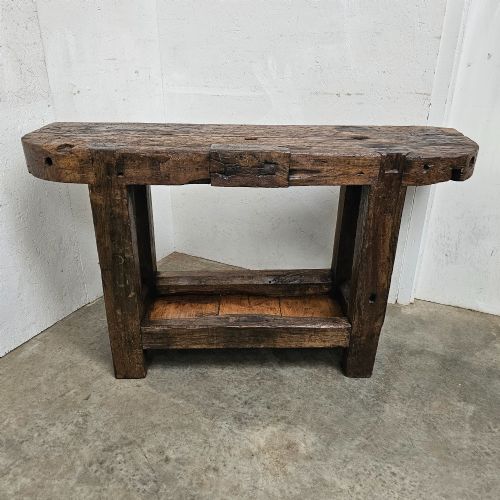


Vintage Wooden Workbench
A vintage wooden workbench is a utilitarian survivor from workshops and trade floors, brought home today for its honest character and heavy surface.
Vintage Wooden Workbench
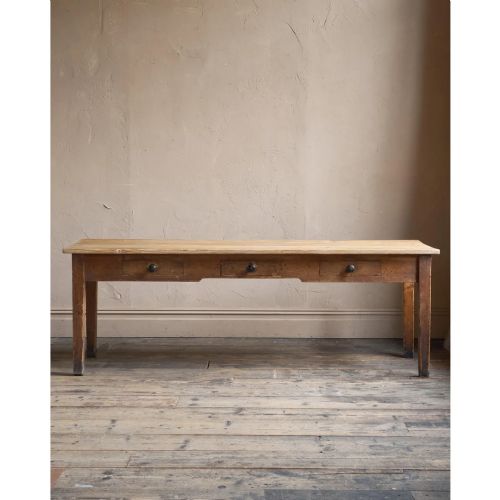
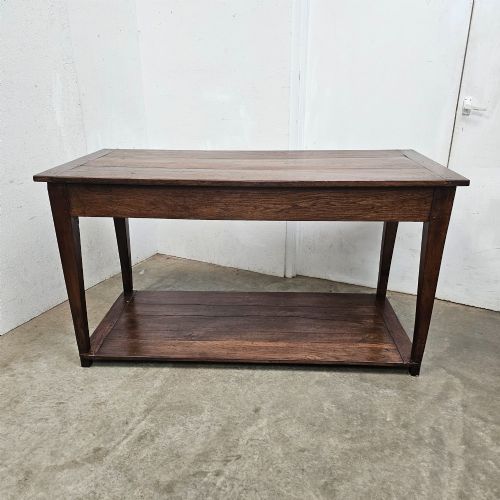
A vintage wooden workbench serves as the core of utilitarian furniture, shaped by decades of manual labour in carpenters' shops, trade rooms, and industrial spaces. When exploring this selection, buyers find heavy-set utilitarian pieces built for endurance rather than parlour display.
The objects appearing here span the nineteenth century through the early twentieth century, carrying the marks of French, English, and Swedish workshops. These origins dictate the timber selection and the integration of functional elements like wooden vices and lower shelves.
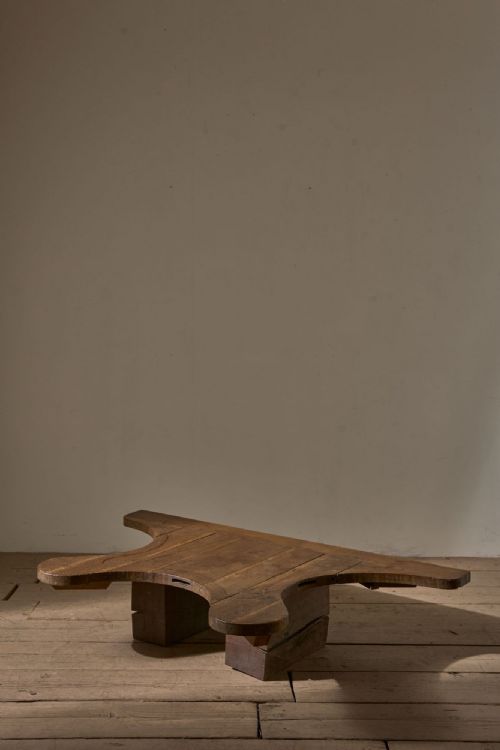
Forms extend beyond traditional carpenter's benches to include artisan worktables, scullery tables, and cheese press tables. Each variant displays the structural honesty of industrial utility and rustic farmhouse design.
Materials and construction methods
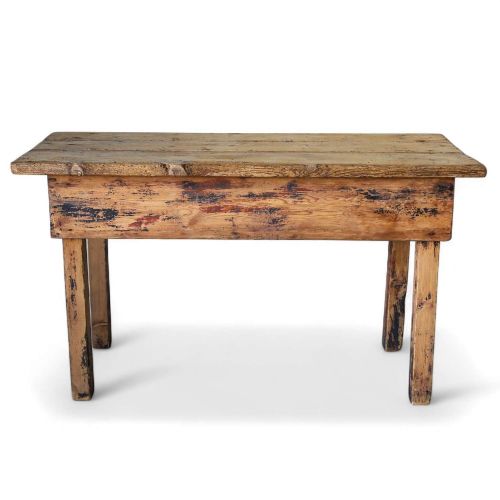
Construction relies heavily on dense indigenous timbers such as pine, oak, elm, ash, and sycamore, selected for their ability to withstand heavy daily use. Tops are often thick and scrubbed from decades of washing, while frames utilise robust joinery combined with iron bolts and bracing.
Many examples incorporate functional mechanisms including wooden vises, lower storage shelves, and fitted drawers. Surface finishes range from natural scrubbed wood and historic paint layers to dark patinated oak and elm.
Vintage Wooden Workbench Retail Price Guide 2026
Typical asking prices for vintage wooden workbench among the pieces listed under this phrase on Sellingantiques today, from the lower quarter to the upper quarter. They describe what is for sale here now, not the wider market.
Several benches still bear the deep score marks and ink stains left by nineteenth century artisans.
Assessing quality in working tables
Quality rests in the integrity of the timber and the depth of the earned patina rather than decorative carving. Tables with thicker tops, original vises, and retained working hardware command attention for their authentic preservation.
The balance between scale and proportion dictates the success of these pieces in domestic interiors. Sound structural framing that supports daily use without excessive modern intervention separates robust survivors from heavily altered examples.
Thonet
The Vintage Wooden Workbench Glossary
- Patina
- The surface sheen and colour developed through years of handling, wear, and cleaning. This visual depth indicates genuine age and history.
- Scrubbed top
- A timber surface washed repeatedly with water and coarse brushes, removing soft grain to leave a pale, textured finish.
- Vice
- A mechanical screw apparatus attached to the bench for holding timber firmly during work. Many period benches retain these original wooden or iron clamps.
- Trestle table
- A board resting on two or more supporting frames or trestles, common in utilitarian and farmhouse workshop designs.
- Industrial utility
- A design philosophy prioritising pure function, structural strength, and unadorned practicality over decorative styling.
Vintage Wooden Workbench: Frequently Asked Questions
How do I clean a vintage workbench surface?
Maintenance requires only a damp cloth and mild soap to preserve the accumulated layers of wax and historical marks. Avoid harsh chemical strippers that remove the dry surface texture.
Feeding the dry timber occasionally with a clear beeswax nourishes the wood without creating an artificial gloss.
Can I use a workbench as a kitchen island?
These tables make exceptional kitchen islands due to their heavy wooden tops and generous proportions. Many feature lower shelves or drawers for practical storage.
Ensure the working height suits your domestic space before placing one permanently in the kitchen.
How do I date a nineteenth century workbench?
Dating relies on examining the saw marks, construction joints, and fastener types used in the frame. Machine-sawn timbers usually point toward the later decades of the era.
Wear patterns and the specific type of integrated vice also offer clues to the working decade.
Are these benches treated for woodworm?
Most utilitarian timber furniture has encountered wood-boring insects over a century of damp workshop storage. Dealers treat active infestations before offering the piece for sale.
Checking the underside and lower stretcher joints helps confirm the stability of the timber.