





Vintage Wooden Window Seat
A vintage wooden window seat brings practical seating to a low sill, drawing together centuries of timber framing and textile craft.
Vintage Wooden Window Seat
A vintage wooden window seat spans compact Edwardian forms to longer 19th-century day beds and painted hall benches. These pieces adapt easily to alcoves, hallways, and living spaces where standard sofas prove too bulky.
The selections here combine utilitarian hall benches with decorative French styles, Edwardian inlaid mahogany, and sturdy oak frames. Many examples double as boot stores or low couches tailored for domestic comfort.
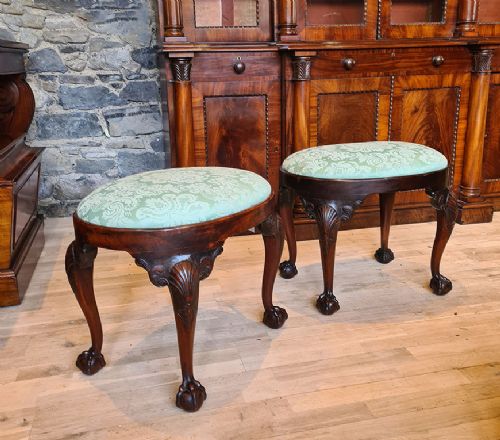
Makers drew on Georgian, Regency, and French Régence traditions to shape timber frames into versatile seating. Buyers most frequently encounter Edwardian mahogany designs alongside painted pine and beech constructions.
How they were made
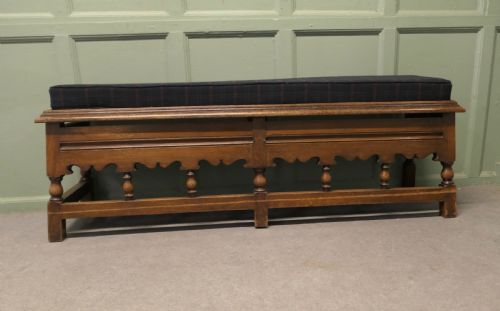
Carpenters relied primarily on mahogany, oak, beech, walnut, and painted pine to build these durable seating frames. Timber selection dictated both the structural integrity and the decorative finish of each bench.
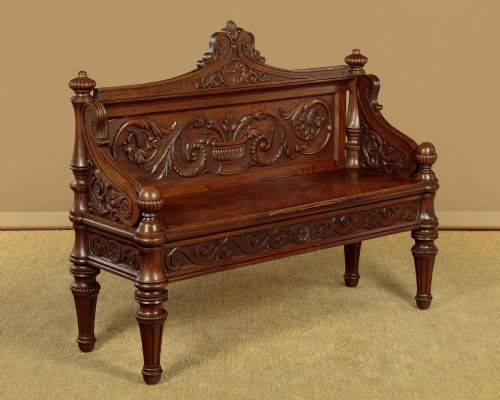
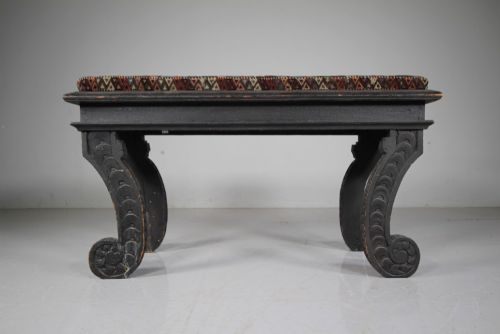
Surfaces were frequently embellished with intricate wood carving, ebonising, or inlaid contrasting veneers. Canework and stretched textiles such as tapestry, kilim, and plain fabric provided the seating bases.
Vintage Wooden Window Seat Retail Price Guide 2026
Typical asking prices for vintage wooden window seat among the pieces listed under this phrase on Sellingantiques today, from the lower quarter to the upper quarter. They describe what is for sale here now, not the wider market.
Several pieces double as sneaky boot stores or feature hand-carved elephants.
What varies in quality
The distinction between standard utility items and finer pieces lies in the precision of the timber joinery and the depth of the hand-carved ornamentation. Superior frames retain their rigidity and alignment over generations of heavy use.
Material integration also sets benchmarks apart, particularly where cane is meticulously woven or mahogany is cleanly inlaid with lighter wood. Secondary timbers and finish applications reveal the original workshop's commitment to durability.
The Vintage Wooden Window Seat Glossary
- Canework
- A seating surface woven from peeled rattan or cane strips. This technique offers flexible support while keeping the frame visually light.
- Inlay
- A decorative method where contrasting pieces of wood or shell are inserted into recessed cavities on the timber surface. It creates flat, intricate patterns across table tops and chair rails.
- Ebonising
- A chemical or pigment treatment applied to cheaper timbers to imitate the dark, dense appearance of ebony. It was widely utilised during the late Victorian and Edwardian periods.
- Kilim
- A flatwoven textile originating from the Middle East or Eastern Europe. It brings durable geometric patterns and rich colour palettes to antique upholstery.
Vintage Wooden Window Seat: Frequently Asked Questions
Where should I place a window seat?
These pieces fit naturally beneath low living room windows, in wide hallway corridors, or at the foot of a bedroom bed. Their shallow depth allows them to sit flush against walls without obstructing pathways.
Ensure the length matches the sill or wall space so the furniture anchors the room properly. They also serve well as occasional seating near dining tables or fireplaces.
How do I identify an Edwardian window seat?
Edwardian examples frequently feature light mahogany frames accented with delicate inlaid banding or stringing. The silhouettes tend to balance functional proportions with subtle classical revival motifs.
Construction methods from this era often incorporate machine-cut precision alongside hand-finishing. Look for tapered legs and Edwardian upholstery styles that reflect early twentieth-century domestic tastes.
Can I use these benches in a hallway?
Many historical variants, such as hall benches and boot store combinations, were specifically constructed for entryways. They offer convenient seating for putting on shoes while providing hidden storage beneath the lift-up lid.
Sturdier oak and painted pine versions handle heavy foot traffic and outerwear with ease. Their compact footprints suit narrow corridors where traditional armchairs cannot fit.
What is the difference between a window seat and a day bed?
Window seats are generally built shorter and shallower to fit snugly against interior window recesses and sills. They prioritise upright seating or brief resting.
Day beds feature longer proportions designed for reclining fully during daylight hours. Both share timber frame construction but serve distinct functional roles in historical floor plans.