

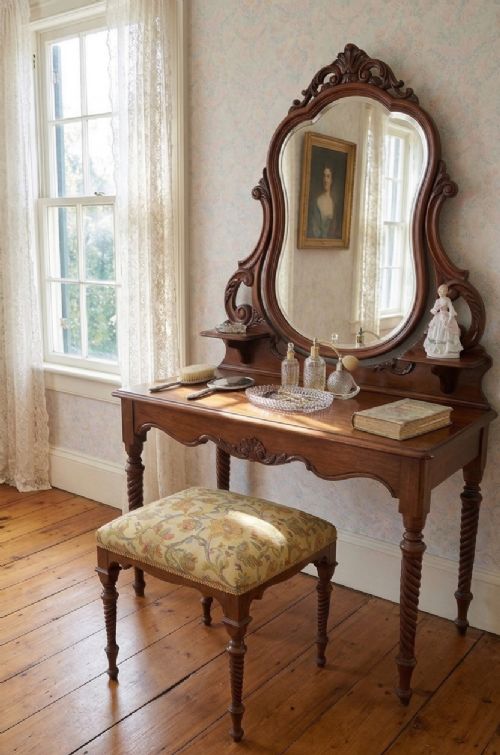
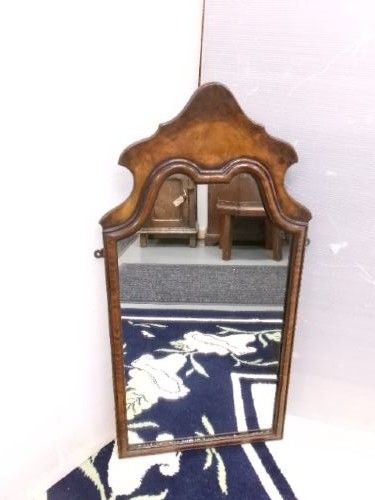
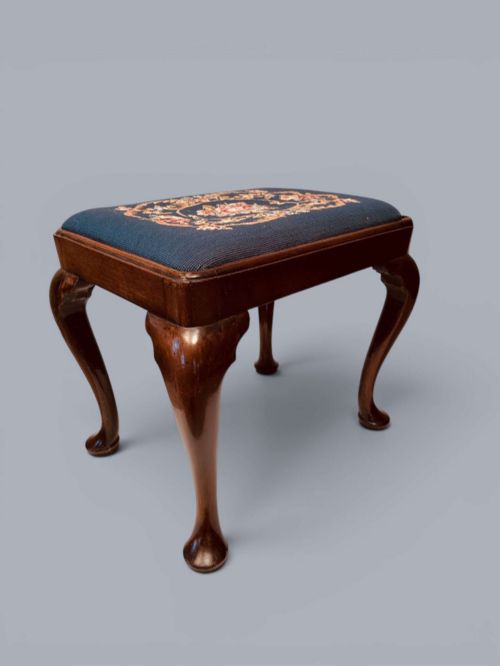
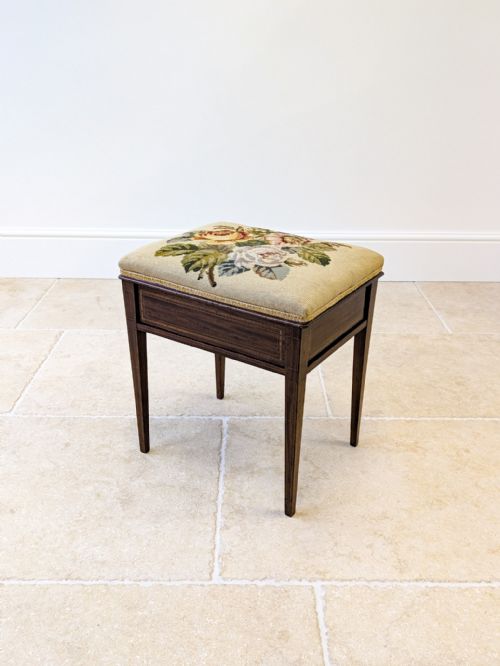
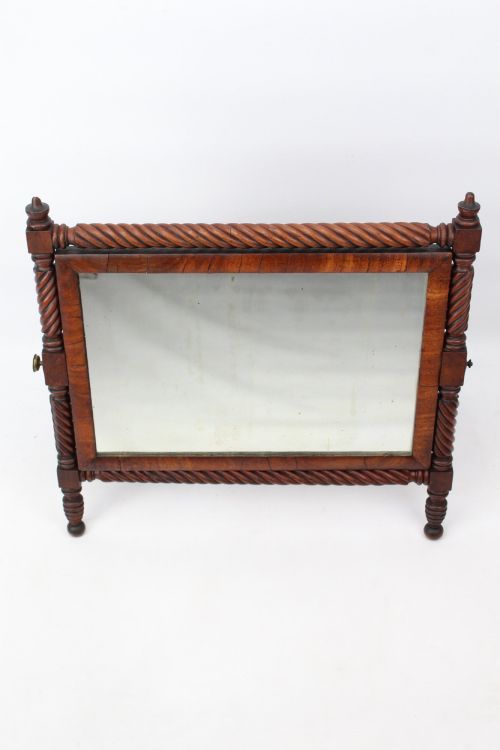
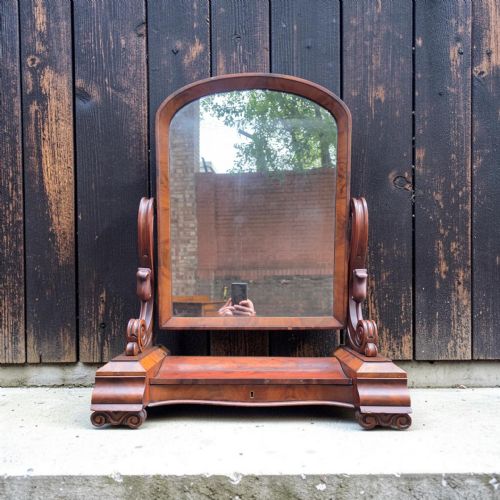
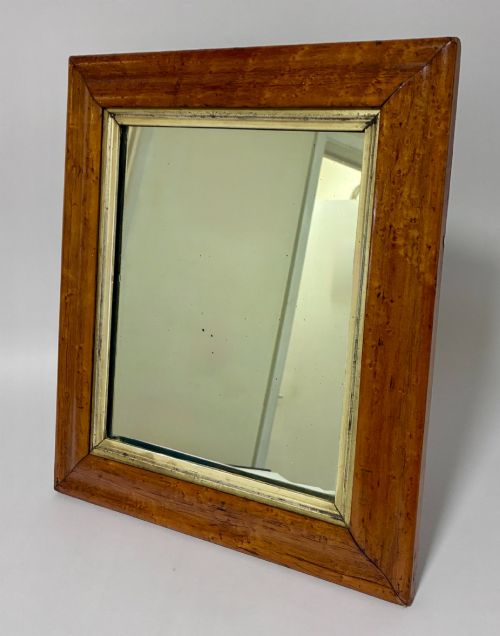
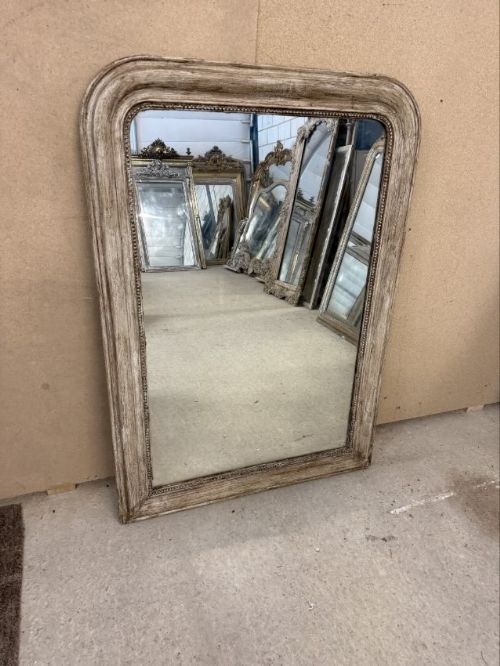
Vintage Wooden Vanity
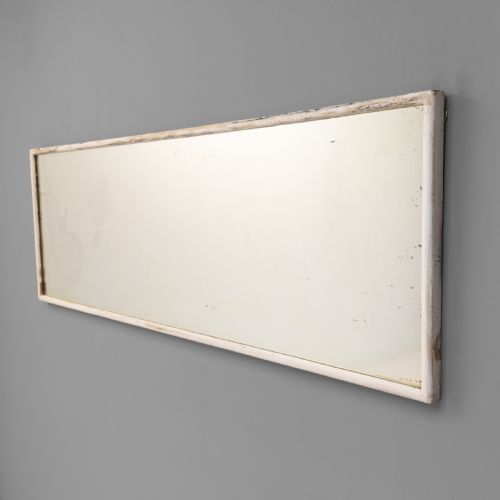
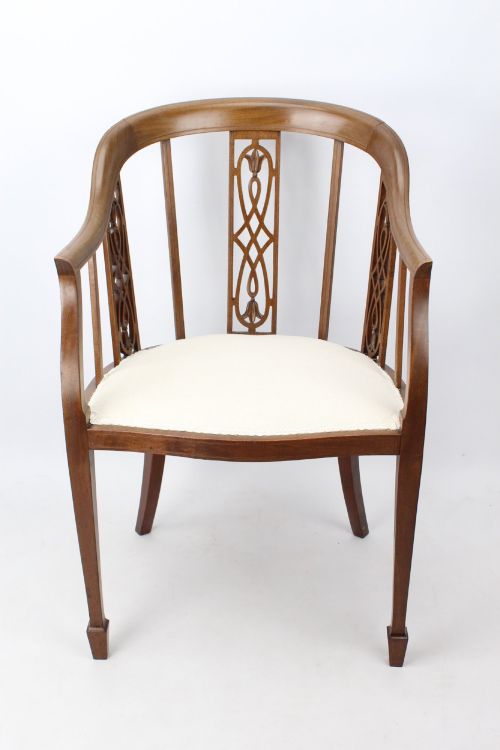
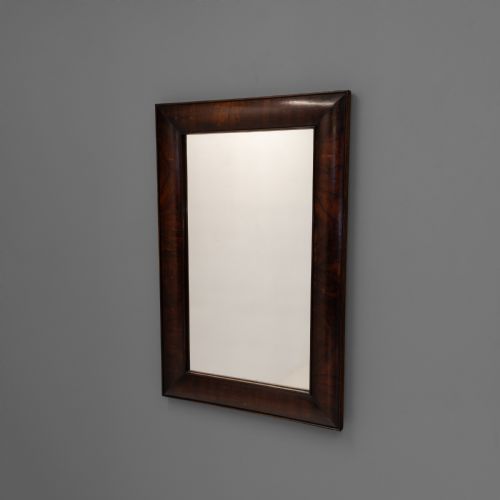
A vintage wooden vanity brings solid timber, bevelled glass and practical compartments straight to the bedroom or dressing room.
Vintage Wooden Vanity
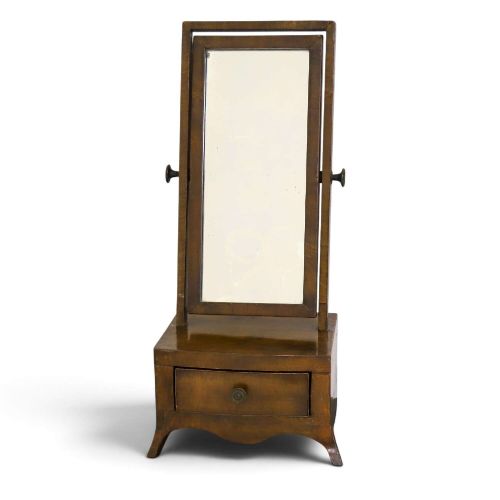
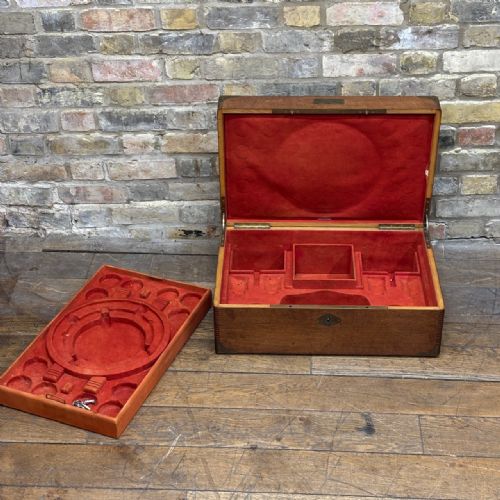
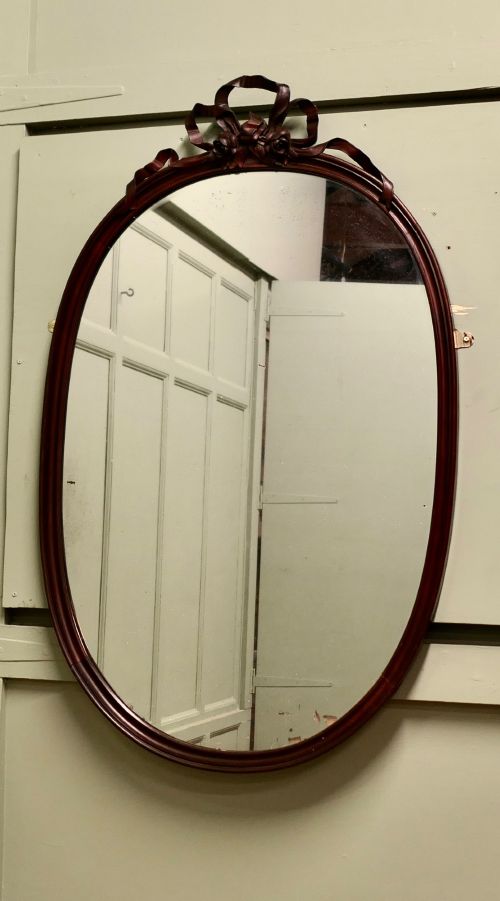
A vintage wooden vanity encompasses dressing tables, toilet mirrors, washstands and compact travelling boxes designed for grooming. These pieces span from eighteenth-century Georgian designs in mahogany and walnut through to Victorian, Edwardian and Art Deco iterations.
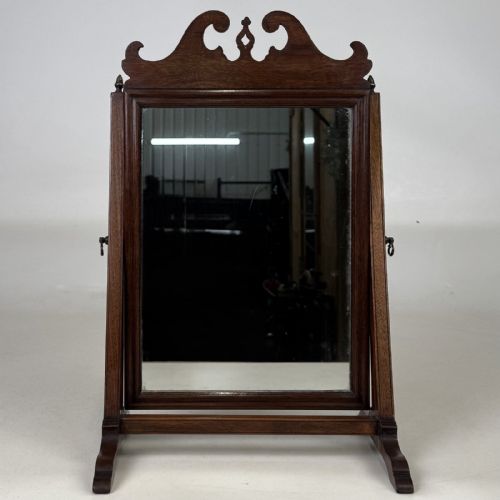
The most frequent examples found in this selection are table mirrors and dressing tables executed in mahogany, walnut and oak. Many incorporate pivoting glass plates, small drawers for trinkets and supporting stands suited to daily use.
Materials and construction methods
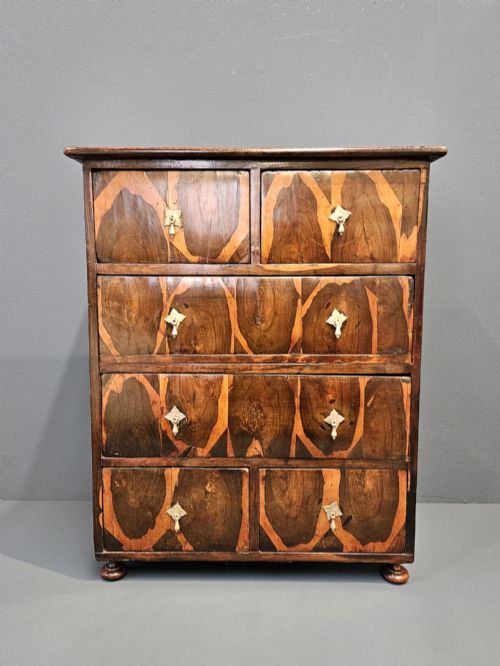
Cabinet makers utilised dense hardwoods such as mahogany, walnut, rosewood and oak for the primary frames and carcases. Surfaces often display decorative veneers including flame mahogany, birds eye maple and oyster veneers.
Details commonly include brass hardware, inlaid mother of pearl and bevelled mirror glass held within sturdy wooden mounts. Joinery techniques relied on traditional methods to support the weight of pivoting mirrors and heavy marble or wooden tops.
Vintage Wooden Vanity Retail Price Guide 2026
Typical asking prices for vintage wooden vanity among the pieces listed under this phrase on Sellingantiques today, from the lower quarter to the upper quarter. They describe what is for sale here now, not the wider market.
Materials represented across the selection include brass, glass, fabric, and diverse hardwoods such as rosewood, walnut, oak and mahogany.
Distinctions in quality
The standard of a piece depends on the choice of timber and the precision of the cabinet work, particularly in the figuring of veneers and the tightness of the joinery. Finer examples retain original mirror plates, intact brass fittings and unblemished internal drawer linings.
Provenance and specific maker attribution elevate certain mirrors and dressing tables above standard workshop production. The crispness of carved details, such as those found on Victorian mahogany or Queen Anne style walnut, marks the distinction between ordinary and exceptional manufacture.
Tahan·Heal & Sons·P & MA Nicholson
The Vintage Wooden Vanity Glossary
- Toilet mirror
- A small mirror designed to sit atop a dressing table, chest of drawers or washstand. These typically feature adjustable brackets allowing the glass to tilt.
- Cheval mirror
- A full-length dressing mirror supported in a freestanding frame with vertical pivots. This allows the entire plate to swing freely.
- Veneer
- A thin slice of figured wood applied over a secondary timber carcase to create a decorative surface. Common variations include flame mahogany and oyster cut walnut.
- Washstand
- A piece of bedroom furniture designed to hold a basin and jug, frequently fitted with marble tops and tiled splashbacks. Some examples incorporate mirrors and small storage cupboards.
- Bevelled glass
- Mirror glass with edges ground and polished to an angled slope. This technique adds depth and catches the light at the perimeter of the plate.
Vintage Wooden Vanity: Frequently Asked Questions
How do I date a wooden vanity mirror?
Dating relies on examining the timber species, construction joints and the characteristics of the glass plate. Earlier eighteenth-century pieces often display hand-bevelled glass and pegged tenon joints, while Victorian and Edwardian examples utilise machine-sawn timber and later brass hardware.
Secondary woods used inside drawers and backboards also provide clues to age and regional origin. Labels left by makers or retailers can confirm the exact period of manufacture.
Can I replace a damaged mirror plate?
Replacing a damaged mirror plate is possible, though collectors generally prefer retaining original glass where feasible. Original plates often show slight foxing and distortion that verify their age.
If replacement is necessary for functional use, a restorer can source antique glass or cut a new plate with appropriate thickness to fit the original wooden rebate.
How should I clean polished mahogany and walnut?
Maintenance requires gentle dusting with a soft, dry cloth to remove surface particles without scratching the timber. Avoid silicone-based sprays and modern polishes that build up a hazy residue over time.
Period furniture responds best to traditional beeswax applied sparingly and buffed to a natural finish. This preserves the patina developed over centuries of handling.
Are these dressing tables suitable for modern bathrooms?
Most antique wooden vanities and washstands were designed for bedrooms and lack modern plumbing connections. Placing them in high-moisture environments like bathrooms risks damaging the timber veneers, glue joints and mirror silvering.
They function best in dry bedrooms, dressing rooms or hallways where their storage drawers and mirrors can be utilised safely.